












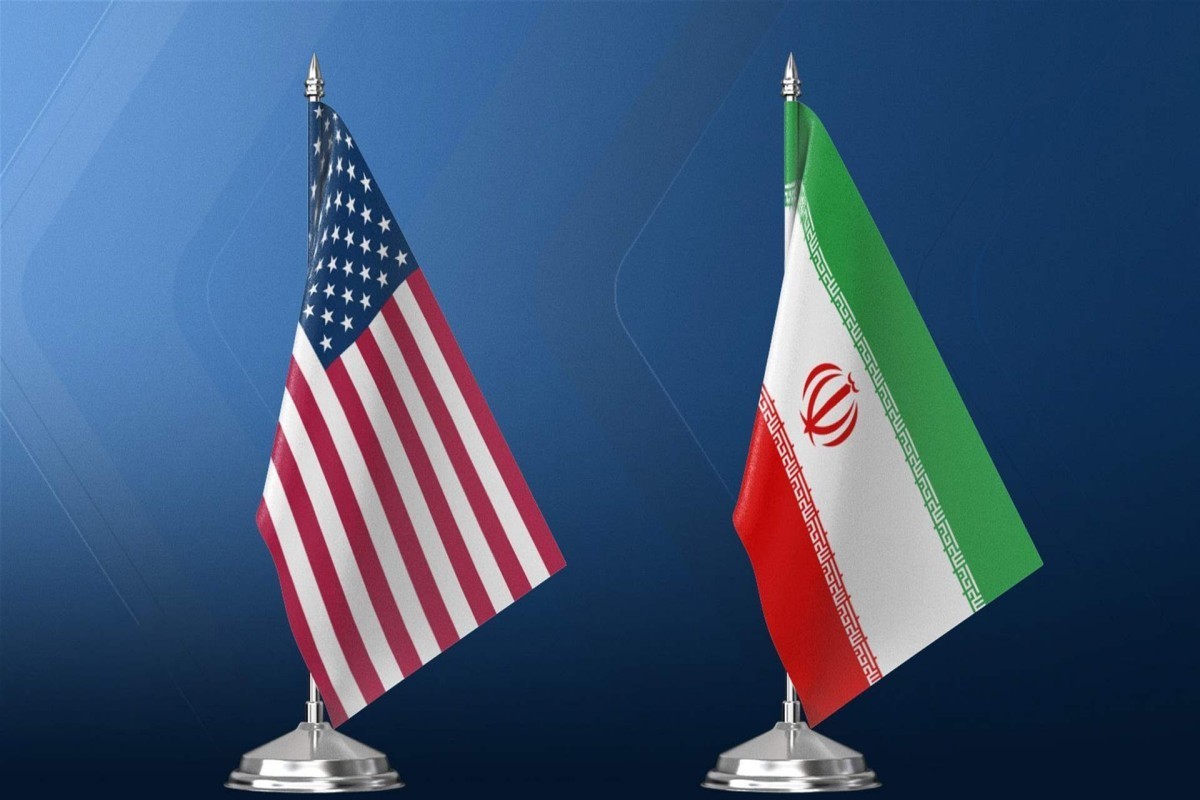


"The memorandum became ineffective because the United States violated its key obligations," this is stated in an extensive analysis published by Iran's state news agency IRNA on the current status and future of the Islamabad Memorandum.
At the beginning of the article, IRNA notes that Iranian Foreign Ministry spokesman Esmaeil Baghaei and Deputy Foreign Minister for Legal and International Affairs Kazem Gharibabadi described the resumption of U.S. attacks against Iran as tantamount to tearing up and destroying the Islamabad Memorandum.
The agency writes that, responding to a question about the implementation of the memorandum at his latest press conference, Baghaei said Iran had from the outset based its approach on the principle of "commitment for commitment." According to him, Iran honored its obligations as long as the other side fulfilled its own, but after the United States repeatedly violated its commitments, Tehran also suspended implementation of its obligations.
Baghaei stressed that the validity of any memorandum or agreement depends on the parties' compliance with their obligations; otherwise, such a document has no value beyond being "text written on paper."
According to him, the significance of any memorandum or agreement for Iran lies in safeguarding its national interests and national security, and Iran cannot be expected to fulfill its obligations if the other side fails to honor its own.
IRNA further noted that, under international law, agreements are based on the principle of reciprocity. Under this principle, parties undertake obligations and make concessions in exchange for specific benefits and advantages, and no state is expected to uphold its obligations unilaterally.
The agency also referred to the concept of a "material breach of a treaty," stating that when one party violates its fundamental obligations, the other party is legally entitled to suspend the implementation of its own obligations or withdraw from the agreement.
IRNA wrote that the United States violated its key obligations under the Islamabad Memorandum by revoking sanctions waivers related to Iran's oil exports, reinstating the naval blockade and military attacks, and attempting to interfere in the administration of the Strait of Hormuz. As a result, Iran suspended the implementation of its obligations.
Citing Gharibabadi's remarks and the provisions of the Vienna Convention on the Law of Treaties, the agency said the United States had undermined the legal and operational foundations of the Islamabad Memorandum by violating its core obligations.
Gharibabadi stated that the memorandum's most important condition was the immediate and permanent cessation of war and military operations against Iran, and that the resumption of U.S. military activities was sufficient to render the agreement invalid.
IRNA added that Tehran has not officially decided to withdraw from the memorandum. Iran believes the conflict should be resolved through a diplomatic agreement and that if the United States resumes fulfilling its obligations, the Islamabad Memorandum could remain an appropriate framework for ending the war.
The article concludes by emphasizing that, according to Iran's position, the memorandum became ineffective not because Tehran suspended its obligations, but because the United States violated its fundamental commitments. Therefore, Iran has suspended implementation of its obligations while preserving its legal position and keeping open the possibility of returning to diplomacy and restoring the agreement in the future.


 Follow us on Telegram
 t.me/apanewsaz
 Follow us on Instagram
 Follow us on TikTok
 Follow us on Facebook
 Follow us on X


