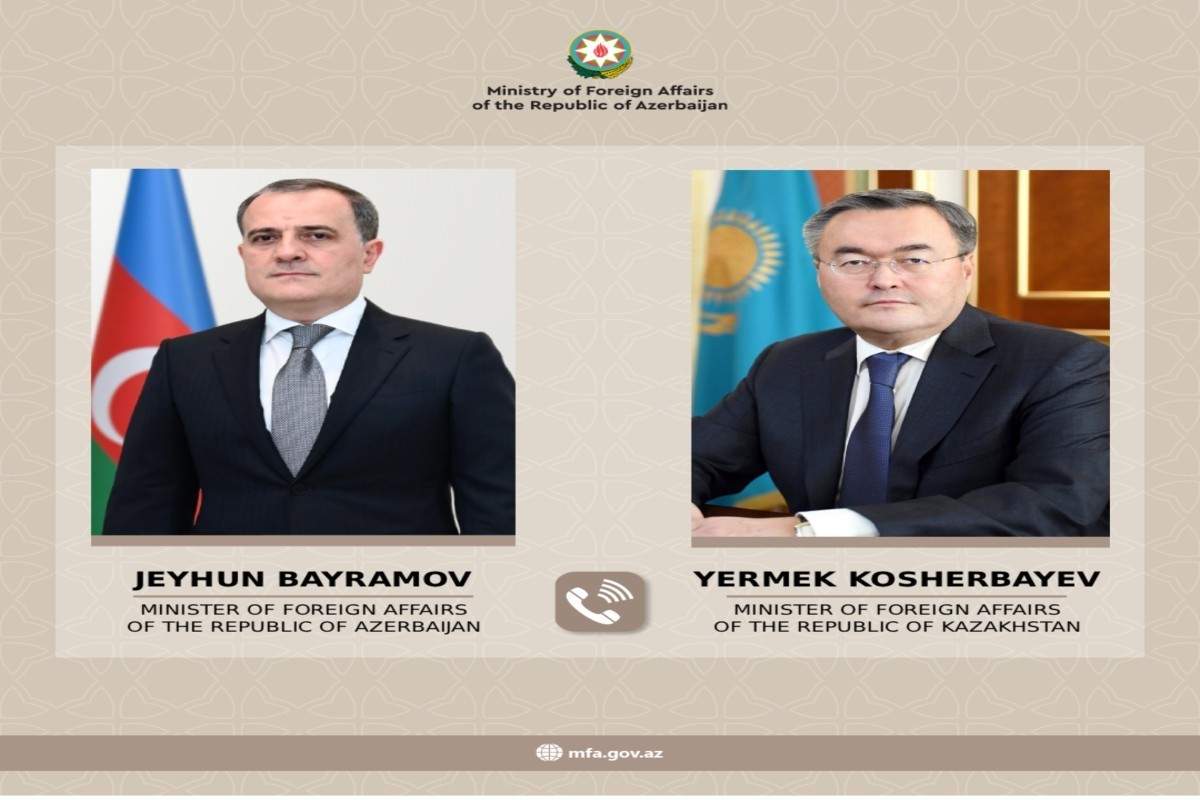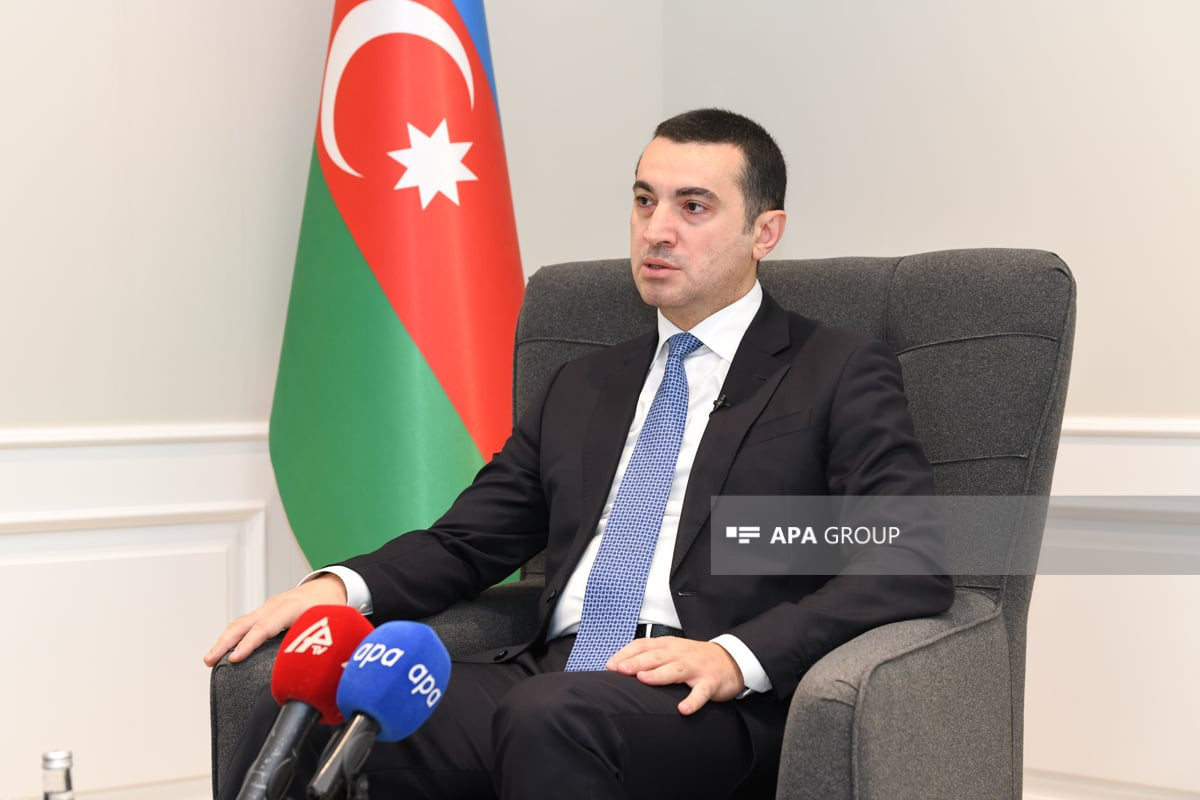

“Azerbaijan’s position regarding the corridor connecting the country’s Eastern Zangazur region with the Nakhchivan Autonomous Republic is not only principled but also based on legal grounds and regional cooperation interests. It is well known that, according to paragraph 9 of the trilateral statement dated November 10, 2020, unimpeded movement between the western part of Azerbaijan and the Nakhchivan Autonomous Republic must be ensured,” said Aykhan Hajizadeh, Head of the Press Service Department of the Ministry of Foreign Affairs of Azerbaijan, in an interview with APA.
“We have repeatedly emphasized that the Zangazur corridor is not an action directed against Armenia’s sovereignty. The goal is solely to establish unimpeded transit communication in accordance with international law and existing agreements. We believe that the Zangazur corridor will contribute to the region’s economic integration and the development of additional routes within the Middle Corridor framework.
One of the key outcomes of the August 8 Washington Summit was the ‘Transport Route for International Peace and Prosperity’ (TRIPP), which will ensure unimpeded passage through the Zangazur corridor and strengthen regional connectivity. The Joint Declaration highlighted the importance of ensuring unhindered communication between the main part of Azerbaijan and its Nakhchivan Autonomous Republic within the framework of reopening regional transport links,” the MFA official noted.
According to Hajizadeh, discussions regarding the implementation of the relevant transport infrastructure project, security measures, and ensuring unimpeded passage are currently being held between the United States and Armenia, while the start date for construction remains unknown. “However, considering that this route will connect two regions of Azerbaijan, our country’s principled position has been conveyed to both the U.S. and Armenian sides.
In line with the Washington agreements, on September 5, delegations led by the deputy prime ministers of Azerbaijan and Armenia made reciprocal visits to each other’s territories. They examined the transportation routes and infrastructure in the area. We are interested in the swift opening of this corridor,” he said.
Hajizadeh also noted that, in parallel, a significant project — a strategically important new 224-kilometer railway line along the Kars–Igdir–Diluju route — has been launched.
“We believe that these projects will expand the region’s logistics potential and further enhance its geostrategic significance,” he added.


 Follow us on Telegram
 t.me/apanewsaz
 Follow us on Instagram
 Follow us on TikTok
 Follow us on Facebook
 Follow us on X