
Estonia’s recent decision to open an embassy in Baku marks a new stage in its partnership with Azerbaijan. During his official visit to Baku, Estonia’s Foreign Minister held meetings with President Ilham Aliyev and Foreign Minister Jeyhun Bayramov, highlighting shared priorities in digital innovation, connectivity, and regional cooperation.
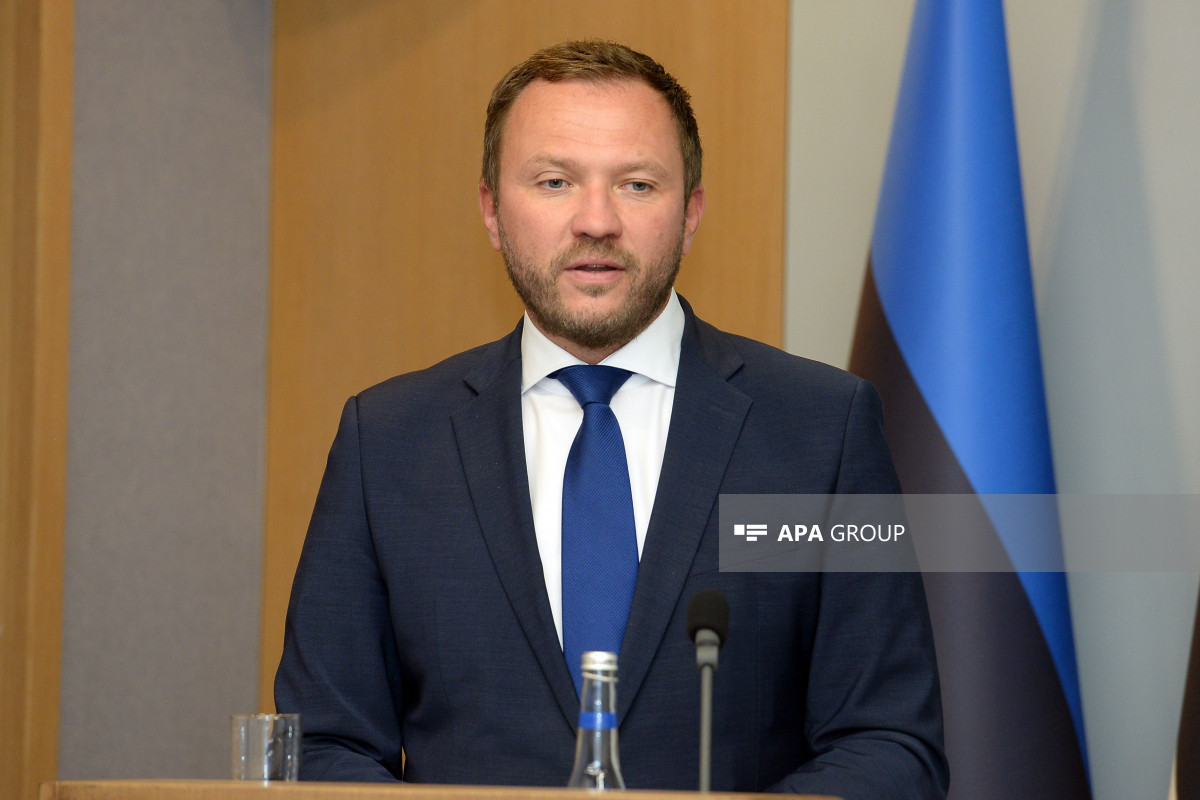
In an exclusive interview with APA News Agency, Estonian Foreign Minister Margus Tsahkna reflected on the outcomes of his official visit to Azerbaijan, describing it as a milestone in strengthening Estonia–Azerbaijan relations.
– Your Excellency, could you please share the key results and main outcomes of your official visit to the Republic of Azerbaijan?
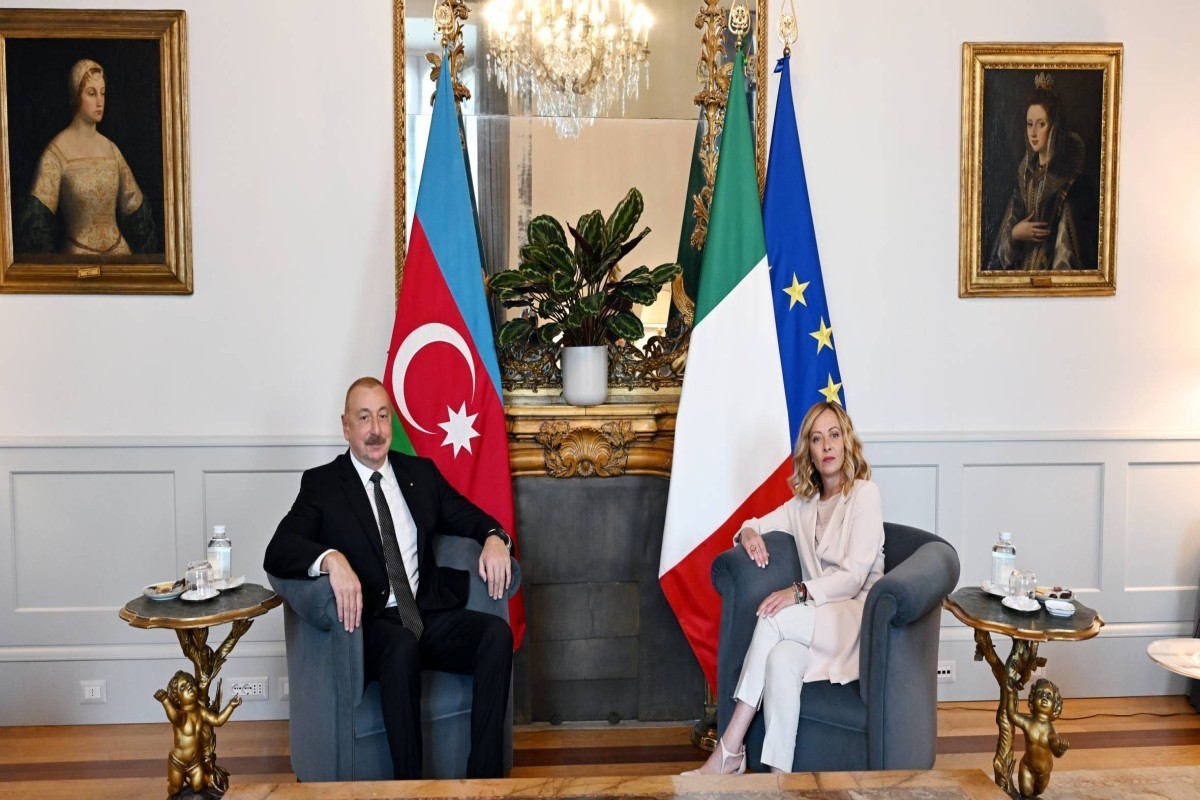
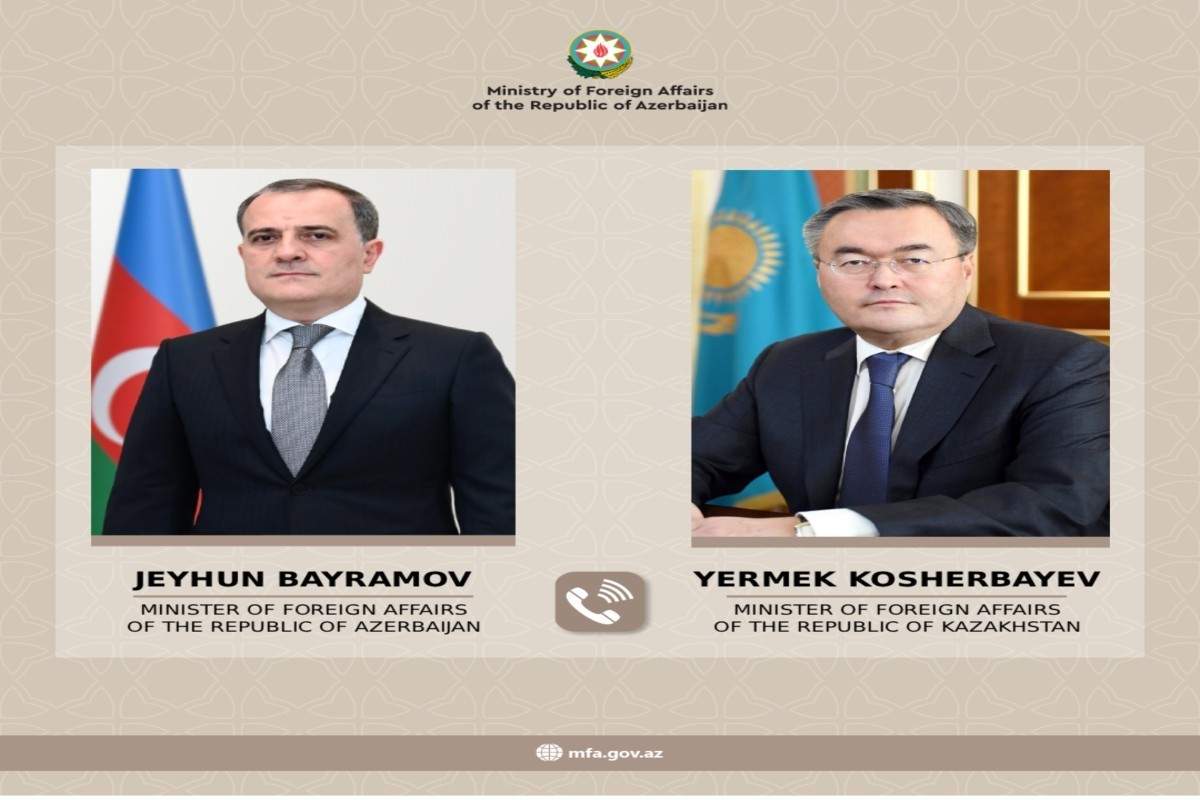
– My visit to Baku was an important milestone in strengthening Estonia–Azerbaijan relations. During the meetings with President Ilham Aliyev and Foreign Minister Jeyhun Bayramov, I reaffirmed Estonia’s view of Azerbaijan as a significant partner for Estonia and the European Union in the South Caucasus.
A key outcome of this visit is my decision to propose to the Estonian Government that we upgrade Estonia’s representation in Baku to a full Embassy. This would mark a new phase in our bilateral ties, enabling deeper political dialogue, stronger economic cooperation, and closer people-to-people contact.
I was also joined by a business delegation of nearly twenty Estonian companies, representing sectors such as digital services, transport, logistics, and education. Their participation underscores our shared interest in expanding economic cooperation. The business forum held in Baku helped establish new contacts and highlighted Estonia’s strong capabilities in e-governance, green technology, and connectivity.

– Estonia is preparing to open its embassy in the Republic of Azerbaijan, marking a new chapter in bilateral relations. How would you assess the current state of political relations between Estonia and Azerbaijan, and what further steps do you believe could be taken to deepen and advance these ties?
– Estonia and Azerbaijan enjoy solid and friendly bilateral relations. Over the years, our dialogue has been open and constructive — I have often met my Azerbaijani counterpart during the UN General Assembly in New York, and now, continuing that discussion here in Baku, we see our partnership gaining new momentum.
Azerbaijan is an important partner for Estonia and the European Union in the South Caucasus. The decision to open an Embassy reflects our confidence in the relationship and our ambition to take cooperation to a higher level.
To advance our ties, we can increase high-level visits and political consultations, deepen cooperation in digital development, education, and connectivity.
The foundation of our partnership is mutual respect, trust, and a shared interest in peace, connectivity, and innovation.
– How do you assess the current state of economic cooperation between Estonia and Azerbaijan? In your view, which areas hold the greatest potential for future collaboration between our two countries?
– Economic cooperation between Estonia and Azerbaijan is growing steadily. Our countries already collaborate in areas such as ICT, education, and digital governance.
Estonian businesses are increasingly active here — some, like B.EST Solutions, have been operating in Azerbaijan for nearly two decades, offering services like mobile-ID, e-residency, and IT training. Their long-term presence demonstrates both the reliability of our companies and Azerbaijan’s openness to innovation.
Looking forward, the greatest potential lies in: digital services and e-governance, where Estonia can share best practices; transport and logistics, linked to the Middle Corridor; green technology and sustainable energy solutions; education and skills training, supporting the digital transformation.
The EU-funded LEF Network to Azerbaijan project, which involves companies from Latvia, Estonia, and Finland, also shows how regional cooperation can boost economic ties and connectivity.

– Estonia is a committed member of both the European Union and NATO. In what ways can Estonia contribute to strengthening Azerbaijan’s partnership with NATO and advancing Azerbaijan-EU–EU relations?
– As a member of both the European Union and NATO, Estonia strongly supports closer cooperation between these organisations and Azerbaijan. Estonia can share its first-hand experience of integration, offering expertise in building resilient institutions, enhancing cybersecurity, and advancing digital governance.
Within the EU, we advocate for deeper engagement with the South Caucasus, including Azerbaijan, through initiatives in connectivity, energy security, and education. Within NATO, we value Azerbaijan’s contributions to regional stability and its partnership programmes, and we encourage continued collaboration in peacekeeping and security.
By working together, we can ensure that Azerbaijan’s ties with both the EU and NATO continue to develop on a basis of mutual benefit and shared interests.
– From Estonia’s perspective, how do you evaluate Azerbaijan’s role in ensuring the European Union’s energy security, particularly in the context of the evolving geopolitical landscape?
Azerbaijan plays a key role in ensuring Europe’s energy security. It contributes to the diversification of Europe’s energy routes and supplies, reducing dependence on any single source and strengthening overall stability in the region.
From Estonia’s perspective, this role is especially important in the current geopolitical context, as Europe seeks reliable and sustainable energy partnerships.
At the same time, the green transition offers new opportunities — cooperation in renewable energy, energy efficiency, and innovation could become an important area of our future engagement.
– The Middle Corridor initiative is gaining growing international importance as a strategic transport and trade route connecting Europe and Asia. How does Estonia view this project, and what role do you see for Azerbaijan in its development?
– Estonia views the Middle Corridor as a strategically important transport and trade route connecting Europe and Asia. Azerbaijan, thanks to its location and infrastructure, is at the heart of this corridor.
Estonia, as a digitally advanced and trade-oriented nation, sees great potential in working with Azerbaijan to strengthen connectivity — both physical and digital. This includes cooperation on logistics, port development, customs digitalisation, and data-driven trade facilitation.
Our companies, especially in the transport and ICT sectors, are eager to contribute to the corridor’s development. Strengthening this link supports not only regional growth but also the broader EU connectivity agenda.

– The European Union has expressed readiness to support regional peace and connectivity projects, including the so-called “TRIPP” framework. What form might this support take regarding normalization and sustainable cooperation between Azerbaijan and Armenia?
– Estonia strongly supports all initiatives aimed at promoting peace and sustainable cooperation in the South Caucasus.
We commend Azerbaijan’s efforts to advance the peace process with Armenia. The joint declaration signed in Washington in August of the current year is a positive signal that both sides are committed to normalisation and good-neighbourly relations.
Estonia hopes that this momentum will continue, leading to the implementation of the Washington agreements, the reopening of transit routes, and the signing of a lasting peace treaty.
Within the EU framework, including the TRIPP initiative, Estonia advocates for connectivity projects, infrastructure support, and confidence-building measures that can consolidate peace and open new economic opportunities for the entire region.
– Azerbaijan has been providing humanitarian aid and energy assistance to Ukraine since the beginning of the conflict. How does Estonia, as one of Ukraine’s steadfast supporters, view Azerbaijan’s contributions in this regard?
– Estonia deeply appreciates Azerbaijan’s humanitarian aid and assistance to Ukraine, particularly its contributions to restoring Ukraine’s energy infrastructure.
As one of Ukraine’s most steadfast supporters, Estonia recognises that every act of solidarity matters. In today’s difficult circumstances — with Russia escalating its attacks on civilian and energy infrastructure — such support helps Ukraine endure and rebuild.
– Finally, how do you envision the future of Estonia–Azerbaijan relations within the broader context of regional stability, connectivity, and shared European values?
– The future of Estonia–Azerbaijan relations looks promising and forward-looking. Opening an Estonian Embassy in Baku will mark a new chapter in our partnership, allowing for closer political dialogue and more active cooperation across sectors.


 Follow us on Telegram
 t.me/apanewsaz
 Follow us on Instagram
 Follow us on TikTok
 Follow us on Facebook
 Follow us on X