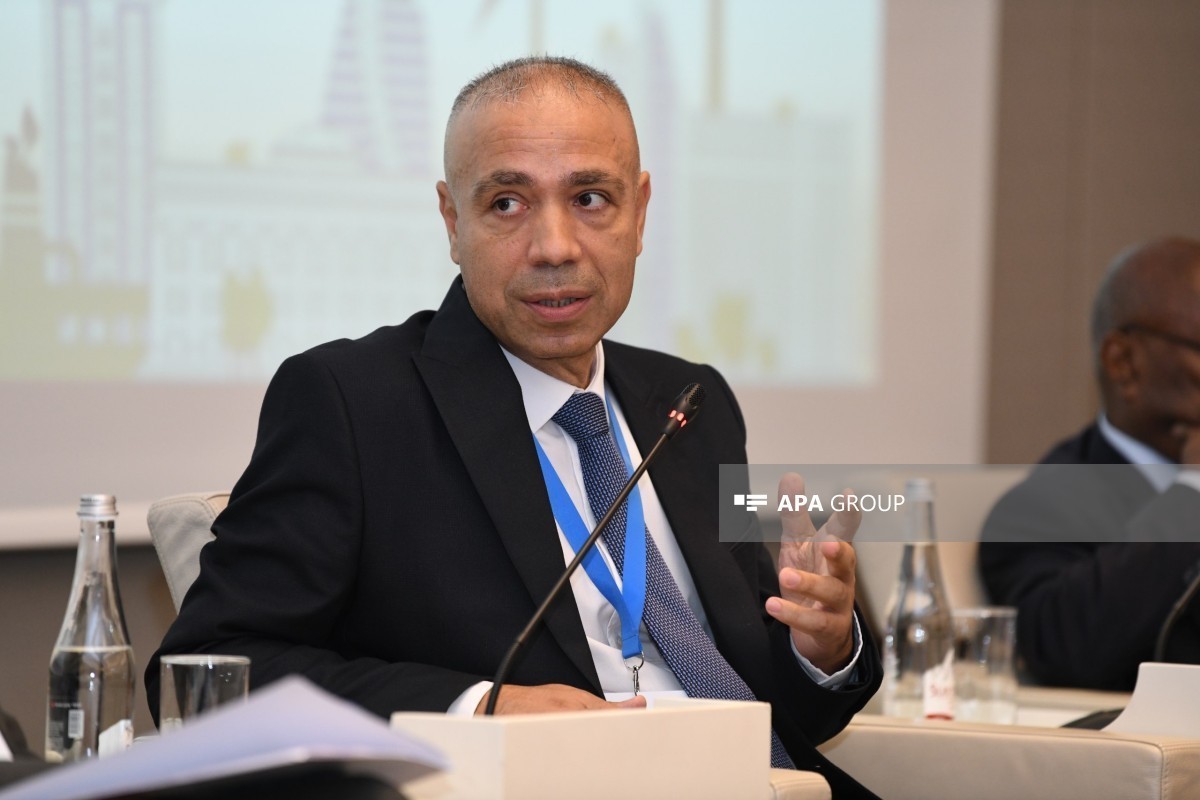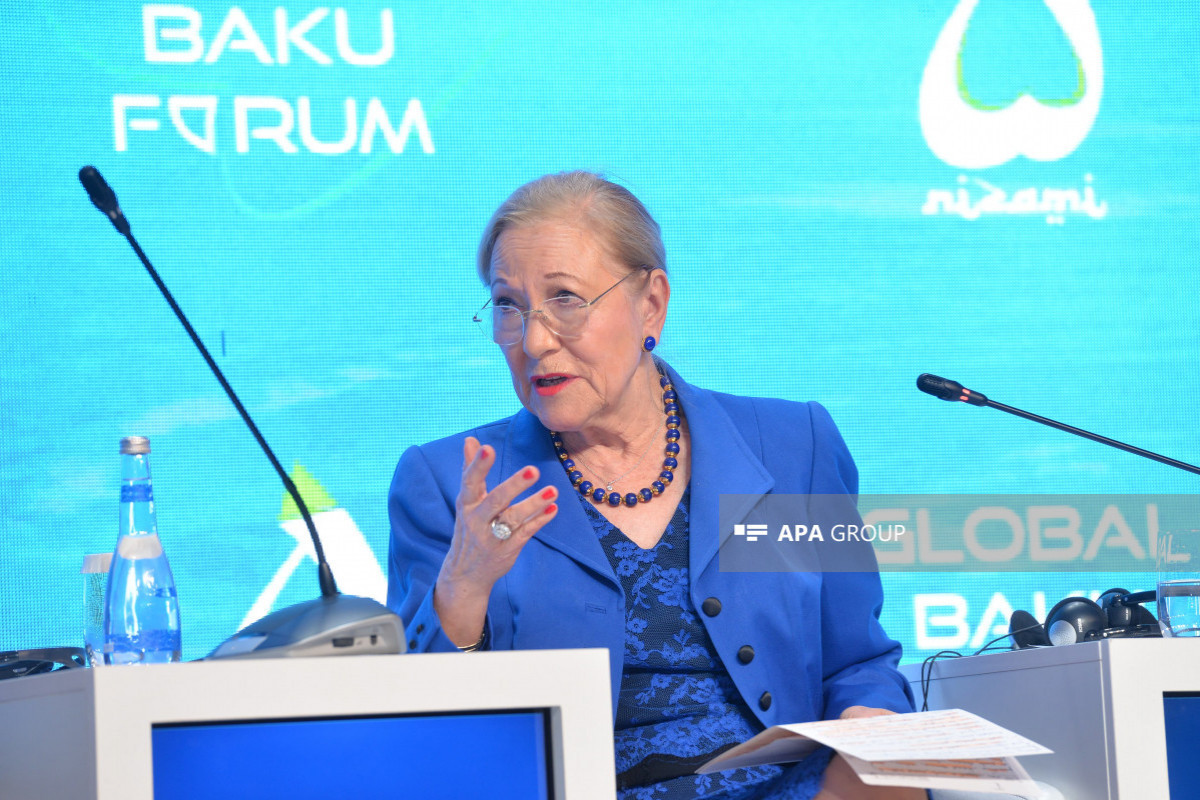

A panel discussion titled "Middle Powers in the New World Order" was held within the framework of the XII Global Baku Forum, APA reports.
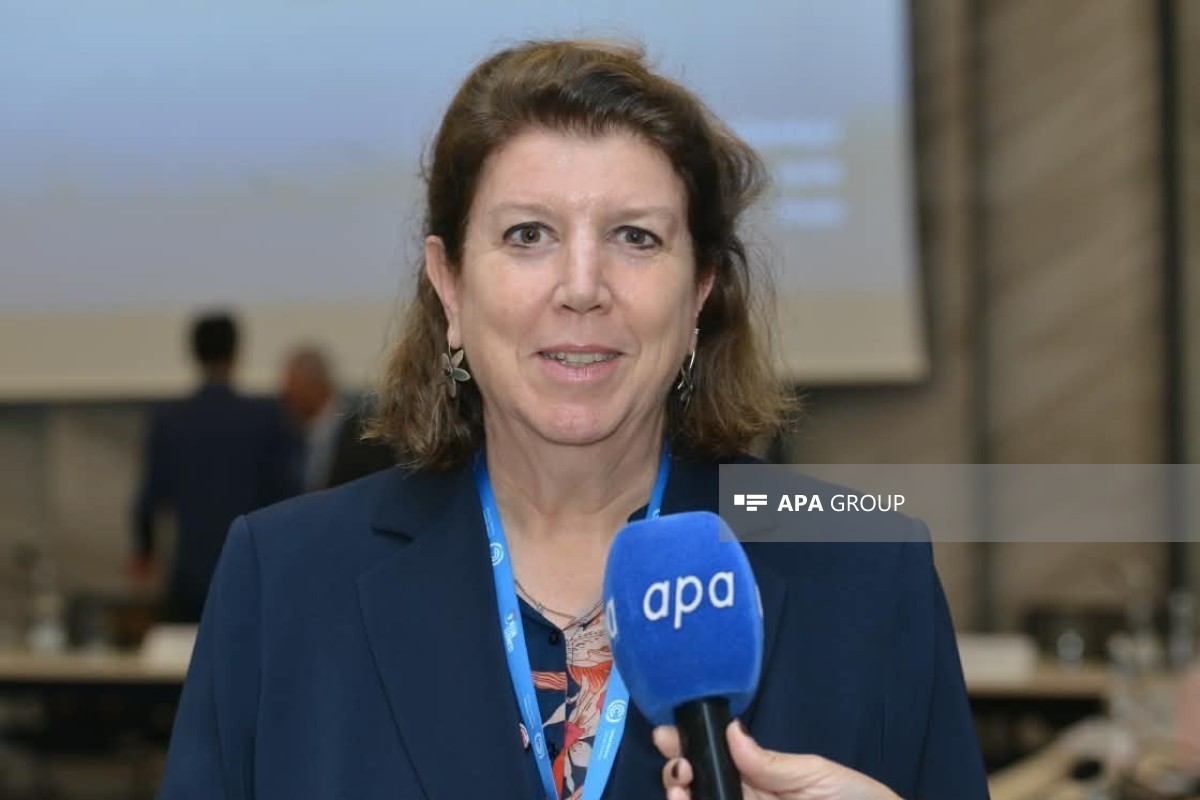
Benita Ferrero-Waldner, Austria’s former foreign minister, suggested that middle powers can serve as mediators to restore trust among major powers.
Azerbaijan’s deputy foreign minister, Elnur Mammadov, emphasized the importance of finding practical solutions to crises: "The UN resolutions regarding Azerbaijan’s occupied territories were not implemented. Middle powers are interested in multilateralism. This is a system based on international law principles. For middle powers like Azerbaijan, this is a more acceptable option. Countries must be able to make independent decisions and be capable of self-defense."
Iceland’s former President Olafur Ragnar Grimsson stated that it is wrong to divide the world into "large", "medium", and "small" countries or powers.
Bosnia and Herzegovina's former President Mladen Ivanić said that there are certain challenges for the European Union, and China could be a positive participant in this regard.
Petar Stoyanov, former President of Bulgaria, noted that the U.S. withdrawal from certain UN bodies might stimulate the activity of middle powers, while Hikmet Cetin, Türkiye’s former foreign minister, pointed out the ongoing challenges in achieving lasting peace between Azerbaijan and Armenia, and the need for collective cooperation to resolve global issues.
Joseph Muscat, former Prime Minister of Malta, highlighted the fast-changing international trade regime and the crucial role of supply chains. Artis Pabriks, former foreign minister and defense minister of Latvia, spoke about how middle and small-sized countries rely on global public opinion and international organizations for justice.
Nambaryn Enkhbayar, former President of Mongolia, emphasized the importance of time for smaller nations, noting that delay can be detrimental to their survival on the global stage.


 Follow us on Telegram
 t.me/apanewsaz
 Follow us on Instagram
 Follow us on TikTok
 Follow us on Facebook
 Follow us on X