










Washington. Isabel Levine – APA. APA’s Washington DC correspondent’s interview with Jon Chicky, Former Director of Eurasian Policy at US Department of Defense, who currently serves as a member of Military Faculty at National War College.
- On the second anniversary of the last war in South Caucasus many local analysts question whether the stability in the region is strong and if there is any possibility of destabilization?
- My assessment of the security situation in the Caucasus region is that it remains uncertain. While the region seems generally stable, this stability is very fragile. Whether one looks at the situation in Abkhazia, South Ossetia, or Mountainous Karabakh, the danger that constantly exists is of a small military action along the line of contact (Karabakh) or the administrative boundaries (Abkhazia/South Ossetia) that inadvertently grows out of control and thus into something more serious.
Throughout the South Caucasus region there are relatively large numbers of opposing military forces in close contact with one another with little or no third party observers separating these forces. This current state of affairs should cause one concern, though I must say, it is a testament to efforts of the Armenian and Azerbaijani leaders that the protracted Karabakh conflict has thus far not spiraled into a major war given the proximity of their respective military forces along the line of contact (LOC), the numerous skirmishes that have occurred along the LOC, and the total absence of on-the-ground observers, with the notable exception of OSCE monitors who periodically visit the LOC. The deployment of the EU Monitoring Mission (EUMM), while restricted to only the Georgian side of the Abkhaz and Ossetian administrative boundaries, is extremely beneficial in providing impartial "eyes and ears" on-the-ground to confirm or deny accusations from one party or the other about acts of violence or militarily threatening actions.
Additionally, one shouldn’t ignore the situation in the North Caucasus when examining the security situation in the Caucasus region. The level of violence across the entire North Caucasus republics of the Russian Federation has greatly increased since the summer of 2008. There exists the possibility that North Caucasus violence could spill-over into the South Caucasus.
In the final analysis, the region is fraught with risks of conflict if the protracted nature of these conflicts remains so. This is why diplomatic efforts by all parties must work harder to, in the first instance, improve the ways to "manage" these protracted conflicts and then, concurrently, work to find durable ways to resolve them.
- Another question became actual after the Georgian war - should the South Caucasus countries look their stability and protection in NATO? Is there any possibility for them to integrate into it?
- Presently, I do not see Azerbaijan becoming a member of the North Atlantic Treaty Organization in the near to mid-term. It seems that Azerbaijan is not pursuing NATO membership but rather increased cooperation and it does not appear that NATO is enthusiastic about gaining new members beyond those in the western Balkans.
Regarding the question of potential NATO membership, first and foremost, Azerbaijan has to decide whether joining NATO is in the national interest of the country. The Azerbaijani government, representing the will of its people, will have to conduct a net assessment of the nation’s domestic and foreign environment considering the opportunities as well as the challenges of possible NATO membership. Additionally, NATO’s 28 Alliance members will have to consider whether Azerbaijan’s joining their ranks enhances the security interests of the Alliance. Finally, Azerbaijan will have to undergo a series of political and defense-oriented reforms before it becomes a member of the Alliance. I do not believe that NATO would consider either Azerbaijan or Georgia (or Armenia) for membership as long as their respective protracted conflicts remain unresolved. The 2008 conflict between Georgia and Russia dispelled the myth that these conflicts are "frozen" and therefore many members of the Alliance could be concerned that a renewed conflict in the South Caucasus could either potentially drag the Alliance into this conflict and/or cause a fractious debate within the North Atlantic Council on the applicability of Article 5 to this hypothetical scenario. That being said, the existence of these protracted conflicts should not prevent any South Caucasus country from joining membership preparation processes as long as this country undertakes the tough and deep reforms necessary to make it eligible for full membership. Nevertheless, final accession into the Alliance would probably hinge on the status of these protracted conflicts. NATO does have a role to play in promoting security in the region. The existing Partnership for Peace (PfP) program offers opportunities to enhance defense dialogue, conduct multilateral exercises, and provide expertise on defense institution reform. These activities provide the building blocks for security promotion. It is up to the regional states to decide how robust they want their engagement with NATO to be. That being said, the Alliance as the premier political-military organization in Europe, should take on a more active role in thinking through the complex security issues that face the region, a region that is part of the Euro-Atlantic security sphere.
- When talking about stability in South Caucasus Russia and US come on agenda. Moscow still considers the region under it influence. Do you think US and Russia can anyhow co-operate in that region?
- There is some cooperation already between the Russian Federation and the U.S. in strategic or global security. However, I consider this cooperation to be in its early stages. In terms of the South Caucasus, U.S. and Russian views on the region are divergent. The possible exception is the Mountainous Karabakh issue. Even here, U.S. and Russian interests may not always be congruent. Concerning Georgia, the U.S. and Russia fundamentally have differing views concerning Abkhazia and South Ossetia and thus Georgia remains a friction point in the U.S.-Russia bilateral relationship.
One area of possible cooperation between the U.S. and Russia could be on strategic missile defense. Both parties could develop an arrangement with Azerbaijan to cooperate at the Gabala radar site in terms of early warning and detection of missile launches from southern Asia. Even here, there is much work that needs to be done to overcome Russia’s concerns that the U.S. missile defense programs are fundamentally destabilizing to strategic stability.
Former Director of US Department of Defense Eurasian Policy: “The Caucasus region is fraught with risks of conflict if the protracted nature of these conflicts remains so†– INTERVIEW

 02 August 2010 13:49 (UTC +04:00)


 İDMAN XƏBƏR
 Follow us on Telegram
 t.me/apanewsaz
 Follow us on Instagram
 Follow us on TikTok
 Follow us on Facebook
 Follow us on X
Foreign
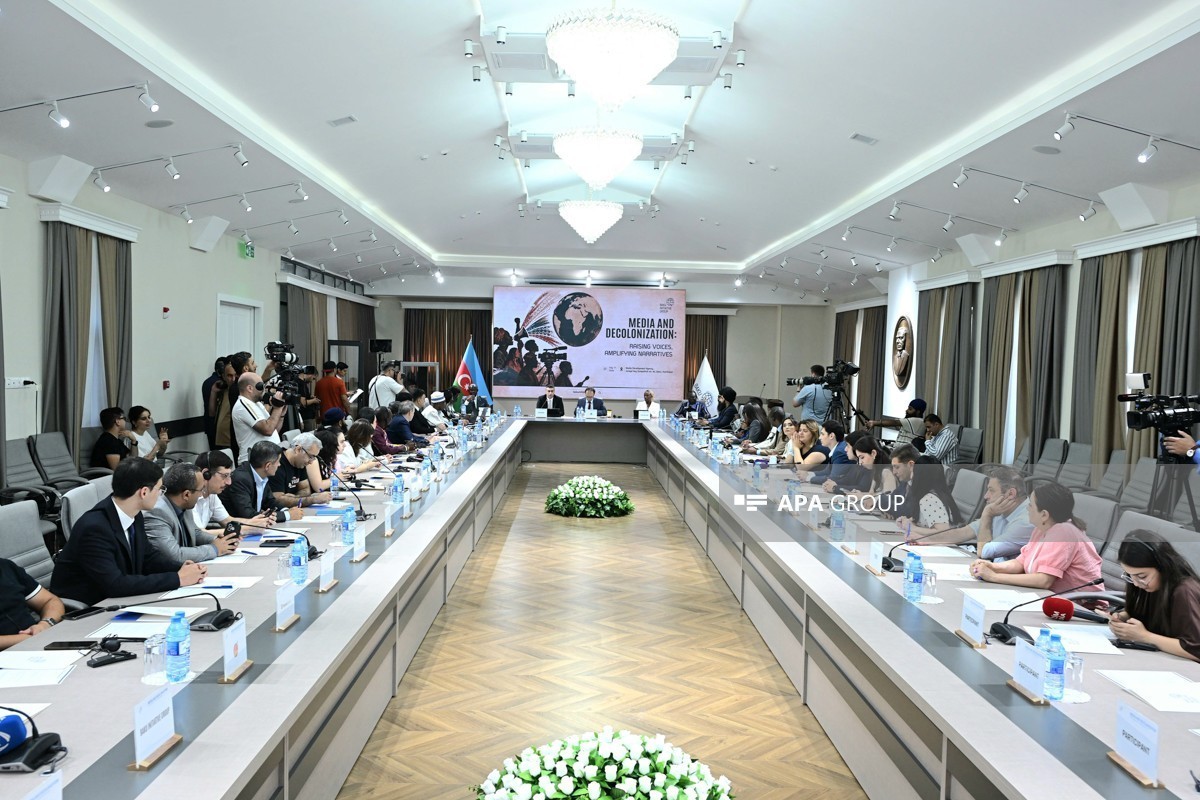
International conference on media and decolonization held in Baku - PHOTO
13:35
 11 July 2026
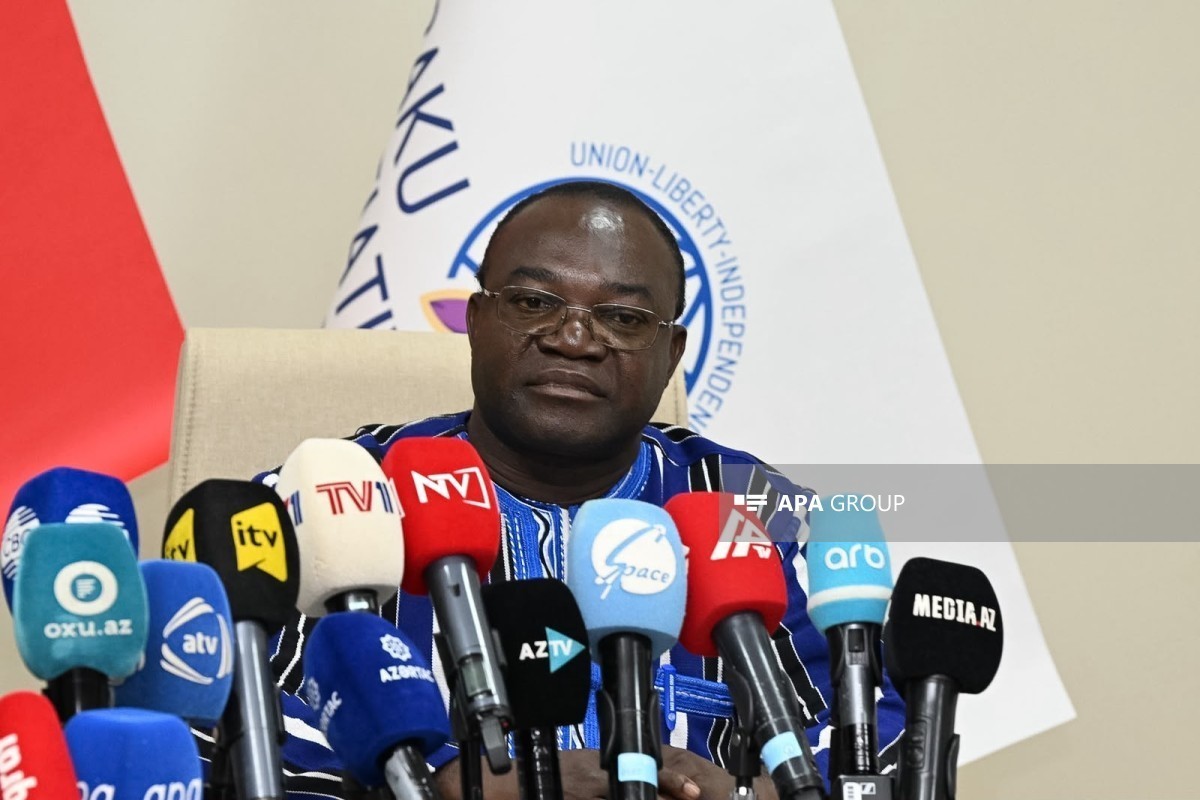
Burkina Faso official: Memorandum with BTG marks start of long-term cooperation
13:19
11 July 2026
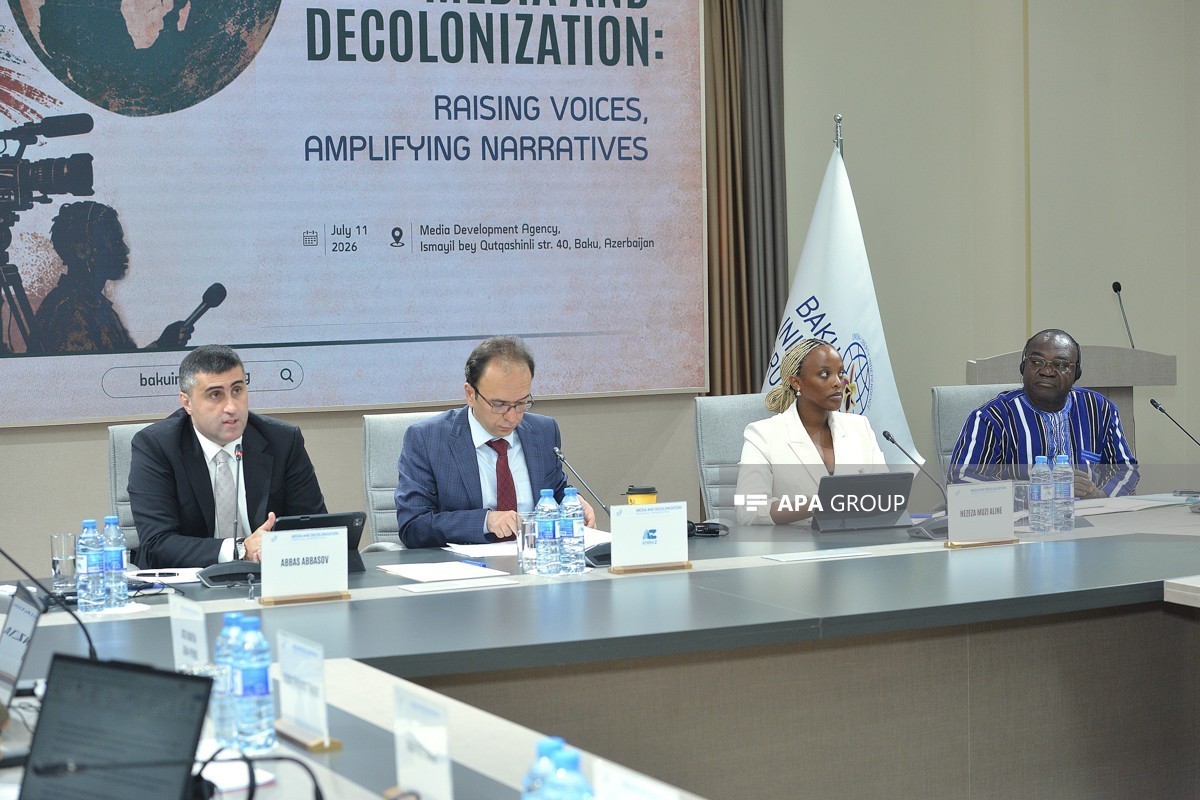
BTG signs first cooperation deal with foreign state institution
13:13
11 July 2026
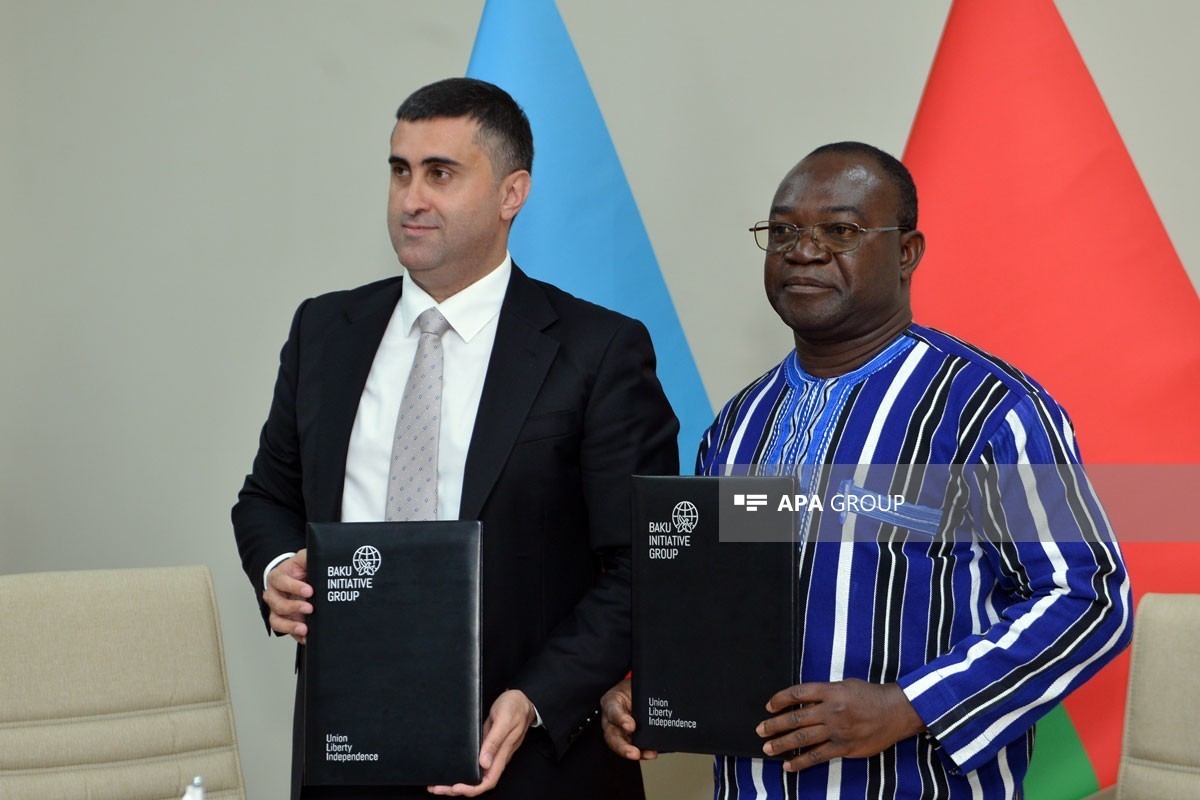 PHOTO'>
BTG signs memorandum with Burkina Faso Foreign Ministry's research institute - PHOTO
12:54
11 July 2026

NEWS FEED
Six years pass since Tovuz battles
00:00
12 July 2026
Araghchi discusses Strait of Hormuz, diplomatic efforts with Omani foreign minister
23:30
11 July 2026
Noskova beats Muchova, takes Wimbledon title
22:17
11 July 2026
Israeli Air Force attacks Hezbollah stronghold in Al-Mansouri in southern Lebanon
21:16
11 July 2026
President Ilham Aliyev’s social media accounts shared post on his meeting with residents of Guzeykhirman and Guneykhirman villages of Khojavend
20:56
11 July 2026
Rubio: Trump and I want better future for Cuba
20:44
11 July 2026
President Ilham Aliyev visited Guzeykhirman village in Khojavend district-UPDATED
20:15
11 July 2026
President: Every time I visit Garabagh and East Zangezur and see this beautiful development, my heart rejoices
19:54
11 July 2026
President of Azerbaijan: Our state is strong, our Army is strong, our will is firm
19:52
11 July 2026
President Ilham Aliyev: For the past 5-6 years, our people have rightfully lived with a sense of pride
19:50
11 July 2026
President: Every time former displaced persons return to their ancestral lands, it is a celebration for all of us
19:48
11 July 2026
Russian strikes on Sumy kill 5, including child, injure 30 - UPDATED
19:34
11 July 2026
President Ilham Aliyev attended opening of Khankendi Hotel - PHOTO
18:02
11 July 2026
President Ilham Aliyev’s social media accounts shared video from Kichik Galaderesi village in Shusha
17:39
11 July 2026
Historic oil pumping station in Kurdamir may be added to cultural heritage list
16:37
11 July 2026
President Ilham Aliyev reviewed new buildings of “Yasaman” Hotel in Shusha
16:02
11 July 2026
President Ilham Aliyev reviewed progress under public-private partnership project on Garabagh Street in Shusha
15:32
11 July 2026
Iran's Supreme Leader pledges revenge for Ali Khamenei's death, says people worldwide will help
15:22
11 July 2026
Sadigjan House opened after restoration in Shusha
15:10
11 July 2026
Russia launched a missile strike on Odesa - two dead, one wounded
14:32
11 July 2026
Boat carrying tourists capsizes off Vietnam's Phu Quoc island, killing 15
14:29
11 July 2026
President Ilham Aliyev inspected restoration works in Shusha’s Kichik Galaderesi village and met with returning residents - PHOTO
14:06
11 July 2026
International conference on media and decolonization held in Baku - PHOTO
13:35
11 July 2026
Burkina Faso official: Memorandum with BTG marks start of long-term cooperation
13:19
11 July 2026
China evacuates over one million as Typhoon Bavi nears
13:16
11 July 2026
BTG signs first cooperation deal with foreign state institution
13:13
11 July 2026
Russian strikes on Kharkiv and Zaporizhzhia leave dead and injured
13:08
11 July 2026
BTG signs memorandum with Burkina Faso Foreign Ministry's research institute - PHOTO
12:54
11 July 2026
Qatari mediators visit Iran to ease tensions
12:51
11 July 2026
Romania says five sea drones neutralized in Black Sea
12:43
11 July 2026
Azerbaijani oil trades at $77.91
12:17
11 July 2026
Ukraine creates new command to intensify long-range strikes against Russia
12:09
11 July 2026
Abbas Abbasov: BTG has succeeded in placing decolonization on the agenda of international organizations
11:47
11 July 2026
Suspect in murder of Azerbaijani citizen detained at Batumi airport, Georgian Interior Ministry says - PHOTO - VIDEO
11:39
11 July 2026
CNN: Iran attempting to restore nuclear facilities
11:31
11 July 2026
Investments in non-oil and gas sector increase by nearly 6% this year
11:29
11 July 2026
Dutch spy agencies: Russia hacked cameras to spy on military routes
11:16
11 July 2026
Azerbaijani President congratulates Mongolian counterpart on National Day
11:12
11 July 2026
Hydroelectric power stations on Hochaz River inaugurated in Lachin
11:06
11 July 2026
Ukraine strikes nearly 28 vessels in Sea of Azov overnight, Russia closes sea access
11:00
11 July 2026
Azerbaijan Defense Minister pays a working visit to Türkiye - PHOTO
10:53
11 July 2026
Trump says thousands of missiles aimed at Iran as US sets Hormuz deadline
10:49
11 July 2026
President Ilham Aliyev laid foundation stone for Hakarichay Reservoir in Lachin
10:47
11 July 2026
Operation against Çankaya Municipality, arrest warrant for 36 people including Mayor Hüseyin Can Güner
10:44
11 July 2026
Road collapses in Türkiye's Rize, residents evacuated from three buildings - VIDEO
10:10
11 July 2026
Azerbaijani Prosecutor General's Office executes legal assistance request from Montenegro
10:04
11 July 2026
Bitcoin surpasses $64,000
10:00
11 July 2026
Oil prices decline on global markets
09:39
11 July 2026
BTG has made significant progress in raising global awareness of colonialism and decolonization, executive director says
09:32
11 July 2026
Attack on Kyiv: 10 injured, including a child, fires in three districts
09:14
11 July 2026


