










Baku. Victoria Dementieva – APA. On 18 June, in accordance with OSCE commitments, the Permanent Mission of the Republic of Azerbaijan to the OSCE invited the OSCE Office for Democratic Institutions and Human Rights (OSCE/ODIHR) to observe the 7 November 2010 parliamentary elections.
The OSCE/ODIHR will request the secondment by OSCE participating States of 30 long-term observers to follow the campaign and election preparations throughout the country and 450 short-term observers to observe election day procedures, including voting, counting of votes and tabulation of results. The OSCE/ODIHR may consider the early deployment of experts to follow the process of candidate registration.
The OSCE/ODIHR undertook a Needs Assessment Mission (NAM) to Azerbaijan from 21 to 24 June 2010. The OSCE/ODIHR NAM was composed of Nicolas Kaczorowski, Head of the Election Department, and Jonathan Stonestreet, Senior Election Expert.
The purpose of the OSCE/ODIHR NAM was to assess the conditions and level of
preparation for the upcoming parliamentary elections, and to advise on the deployment
of a possible OSCE/ODIHR election observation activity. The OSCE/ODIHR NAM
held meetings in Baku with representatives of the authorities, election administration,
political parties, media, civil society and the diplomatic community.
“Although efforts have been made to improve the technical organization of elections,
Azerbaijan continues to face challenges in ameliorating the democratic context of
elections. Freedom of assembly is very limited in practice, as political parties are
routinely denied permission to assemble, particularly in central Baku. Detentions,
defamation lawsuits and other forms of pressure on journalists constrain freedom of the
media in Azerbaijan and create an atmosphere that is not conducive to the free
expression of ideas inherent in a democratic election process.
Significant amendments to the Election Code were made in June 2010 with little public
discussion. The amendments eliminated state financing for candidates and further
shortened the overall election period, including the campaign period, which had already
been halved by amendments made in June 2008. Since the 2005 parliamentary
elections, the time available for the election campaign has thus decreased from 60 days
to 23 days. The official campaign period provides specific rights to candidates and
parties in terms of the ability to conduct meetings and rallies and to appear in mass
media. Given the existing constraints on the exercise of civil and political rights in the
period between elections, the recent changes to the Election Code effectively limit the
ability of candidates and parties to communicate their views to votersâ€.
OSCE/ODIHR Needs Assessment Mission to Azerbaijan releases report on upcoming parliamentary elections

 28 July 2010 13:43 (UTC +04:00)


 İDMAN XƏBƏR
 Follow us on Telegram
 t.me/apanewsaz
 Follow us on Instagram
 Follow us on TikTok
 Follow us on Facebook
 Follow us on X
Foreign
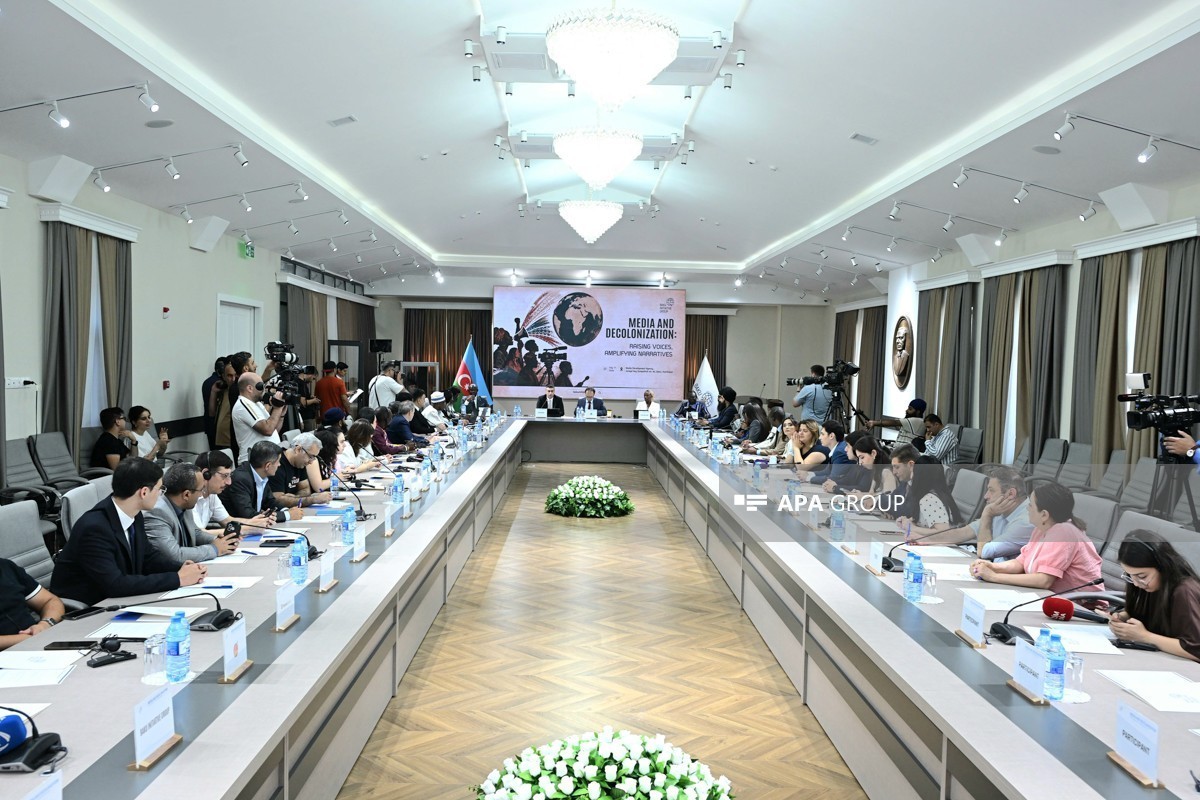
International conference on media and decolonization held in Baku - PHOTO
13:35
 11 July 2026
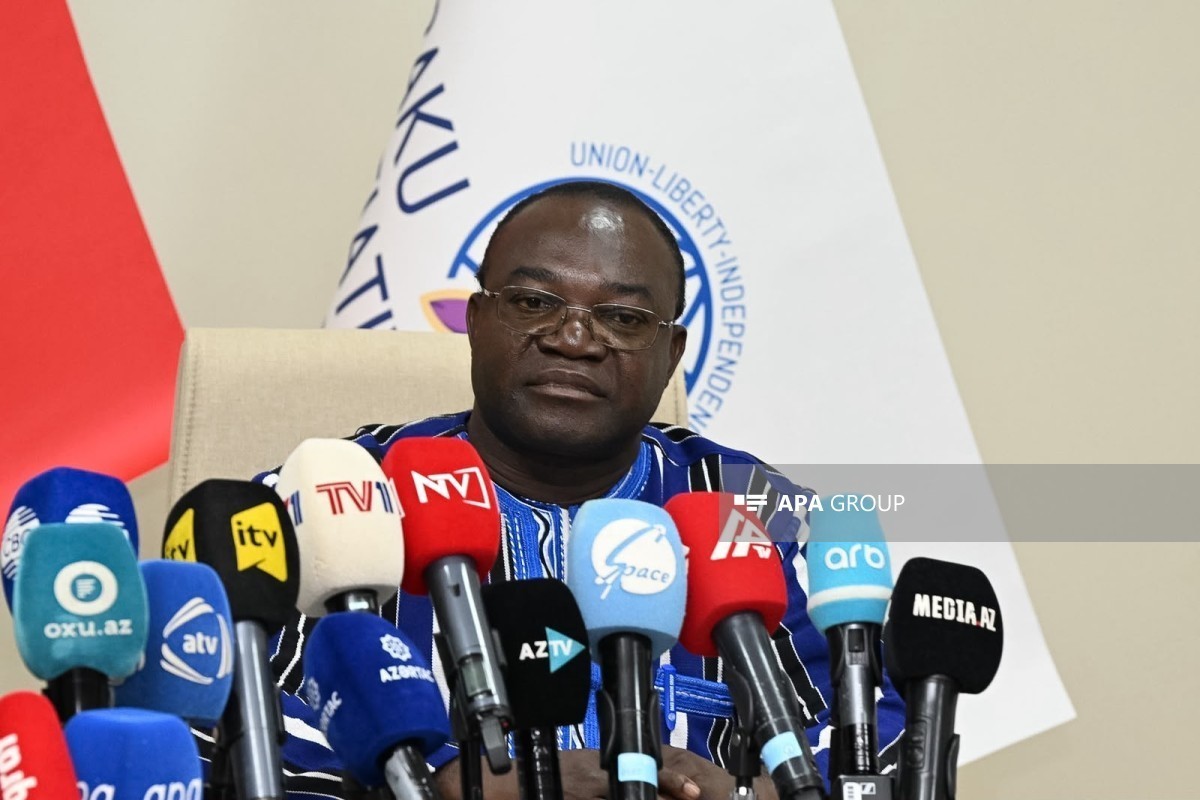
Burkina Faso official: Memorandum with BTG marks start of long-term cooperation
13:19
11 July 2026
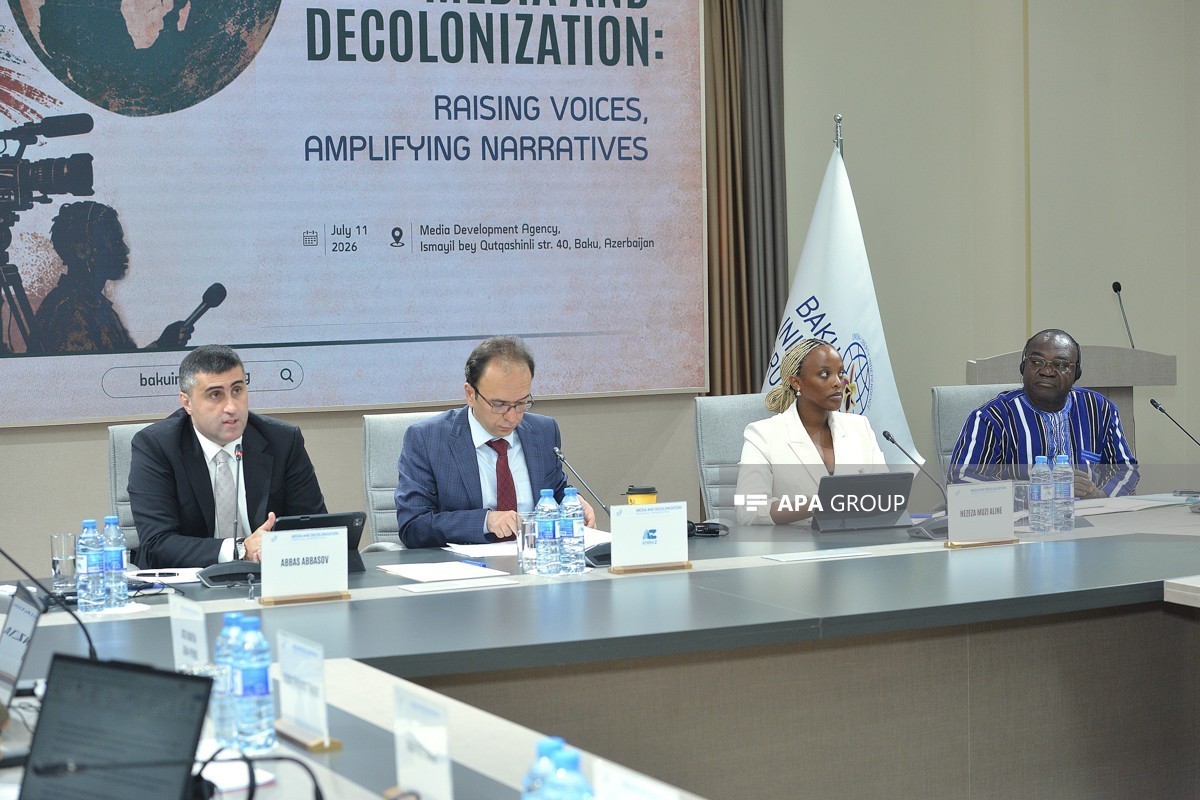
BTG signs first cooperation deal with foreign state institution
13:13
11 July 2026
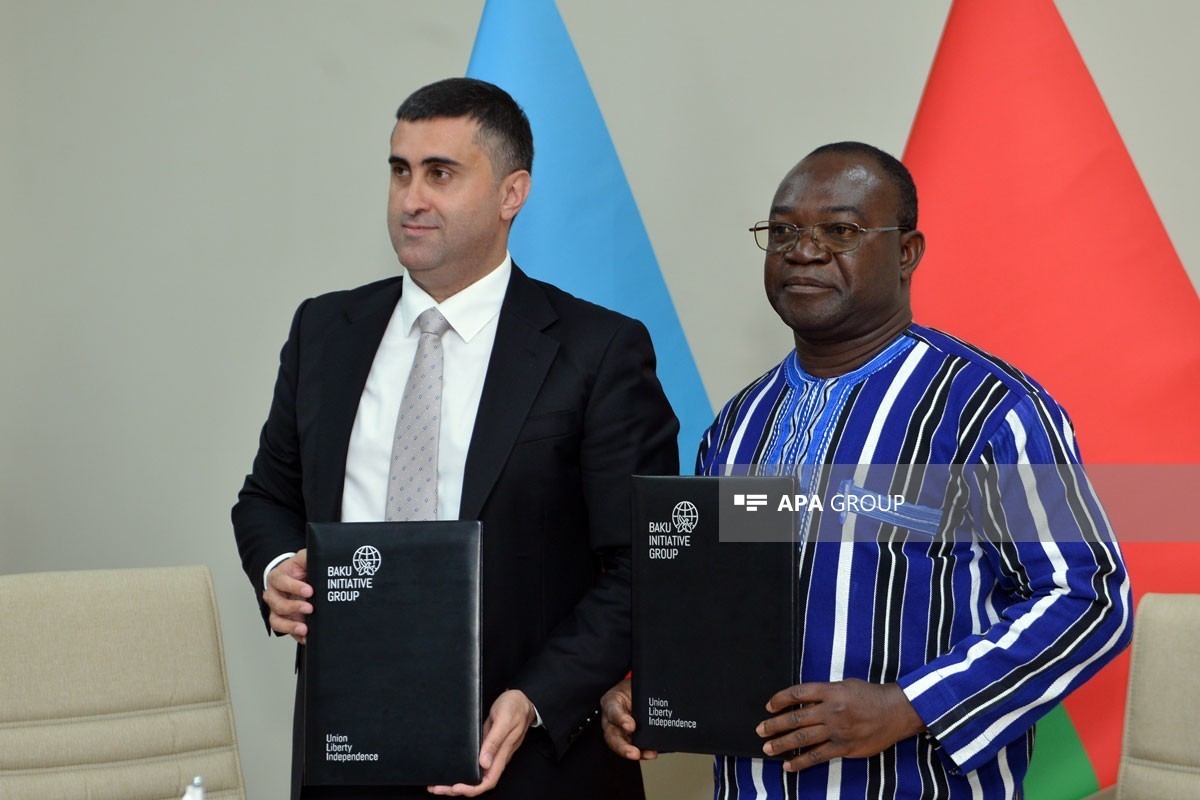 PHOTO'>
BTG signs memorandum with Burkina Faso Foreign Ministry's research institute - PHOTO
12:54
11 July 2026

NEWS FEED
Six years pass since Tovuz battles
00:00
12 July 2026
Araghchi discusses Strait of Hormuz, diplomatic efforts with Omani foreign minister
23:30
11 July 2026
Noskova beats Muchova, takes Wimbledon title
22:17
11 July 2026
Israeli Air Force attacks Hezbollah stronghold in Al-Mansouri in southern Lebanon
21:16
11 July 2026
President Ilham Aliyev’s social media accounts shared post on his meeting with residents of Guzeykhirman and Guneykhirman villages of Khojavend
20:56
11 July 2026
Rubio: Trump and I want better future for Cuba
20:44
11 July 2026
President Ilham Aliyev visited Guzeykhirman village in Khojavend district-UPDATED
20:15
11 July 2026
President: Every time I visit Garabagh and East Zangezur and see this beautiful development, my heart rejoices
19:54
11 July 2026
President of Azerbaijan: Our state is strong, our Army is strong, our will is firm
19:52
11 July 2026
President Ilham Aliyev: For the past 5-6 years, our people have rightfully lived with a sense of pride
19:50
11 July 2026
President: Every time former displaced persons return to their ancestral lands, it is a celebration for all of us
19:48
11 July 2026
Russian strikes on Sumy kill 5, including child, injure 30 - UPDATED
19:34
11 July 2026
President Ilham Aliyev attended opening of Khankendi Hotel - PHOTO
18:02
11 July 2026
President Ilham Aliyev’s social media accounts shared video from Kichik Galaderesi village in Shusha
17:39
11 July 2026
Historic oil pumping station in Kurdamir may be added to cultural heritage list
16:37
11 July 2026
President Ilham Aliyev reviewed new buildings of “Yasaman” Hotel in Shusha
16:02
11 July 2026
President Ilham Aliyev reviewed progress under public-private partnership project on Garabagh Street in Shusha
15:32
11 July 2026
Iran's Supreme Leader pledges revenge for Ali Khamenei's death, says people worldwide will help
15:22
11 July 2026
Sadigjan House opened after restoration in Shusha
15:10
11 July 2026
Russia launched a missile strike on Odesa - two dead, one wounded
14:32
11 July 2026
Boat carrying tourists capsizes off Vietnam's Phu Quoc island, killing 15
14:29
11 July 2026
President Ilham Aliyev inspected restoration works in Shusha’s Kichik Galaderesi village and met with returning residents - PHOTO
14:06
11 July 2026
International conference on media and decolonization held in Baku - PHOTO
13:35
11 July 2026
Burkina Faso official: Memorandum with BTG marks start of long-term cooperation
13:19
11 July 2026
China evacuates over one million as Typhoon Bavi nears
13:16
11 July 2026
BTG signs first cooperation deal with foreign state institution
13:13
11 July 2026
Russian strikes on Kharkiv and Zaporizhzhia leave dead and injured
13:08
11 July 2026
BTG signs memorandum with Burkina Faso Foreign Ministry's research institute - PHOTO
12:54
11 July 2026
Qatari mediators visit Iran to ease tensions
12:51
11 July 2026
Romania says five sea drones neutralized in Black Sea
12:43
11 July 2026
Azerbaijani oil trades at $77.91
12:17
11 July 2026
Ukraine creates new command to intensify long-range strikes against Russia
12:09
11 July 2026
Abbas Abbasov: BTG has succeeded in placing decolonization on the agenda of international organizations
11:47
11 July 2026
Suspect in murder of Azerbaijani citizen detained at Batumi airport, Georgian Interior Ministry says - PHOTO - VIDEO
11:39
11 July 2026
CNN: Iran attempting to restore nuclear facilities
11:31
11 July 2026
Investments in non-oil and gas sector increase by nearly 6% this year
11:29
11 July 2026
Dutch spy agencies: Russia hacked cameras to spy on military routes
11:16
11 July 2026
Azerbaijani President congratulates Mongolian counterpart on National Day
11:12
11 July 2026
Hydroelectric power stations on Hochaz River inaugurated in Lachin
11:06
11 July 2026
Ukraine strikes nearly 28 vessels in Sea of Azov overnight, Russia closes sea access
11:00
11 July 2026
Azerbaijan Defense Minister pays a working visit to Türkiye - PHOTO
10:53
11 July 2026
Trump says thousands of missiles aimed at Iran as US sets Hormuz deadline
10:49
11 July 2026
President Ilham Aliyev laid foundation stone for Hakarichay Reservoir in Lachin
10:47
11 July 2026
Operation against Çankaya Municipality, arrest warrant for 36 people including Mayor Hüseyin Can Güner
10:44
11 July 2026
Road collapses in Türkiye's Rize, residents evacuated from three buildings - VIDEO
10:10
11 July 2026
Azerbaijani Prosecutor General's Office executes legal assistance request from Montenegro
10:04
11 July 2026
Bitcoin surpasses $64,000
10:00
11 July 2026
Oil prices decline on global markets
09:39
11 July 2026
BTG has made significant progress in raising global awareness of colonialism and decolonization, executive director says
09:32
11 July 2026
Attack on Kyiv: 10 injured, including a child, fires in three districts
09:14
11 July 2026


