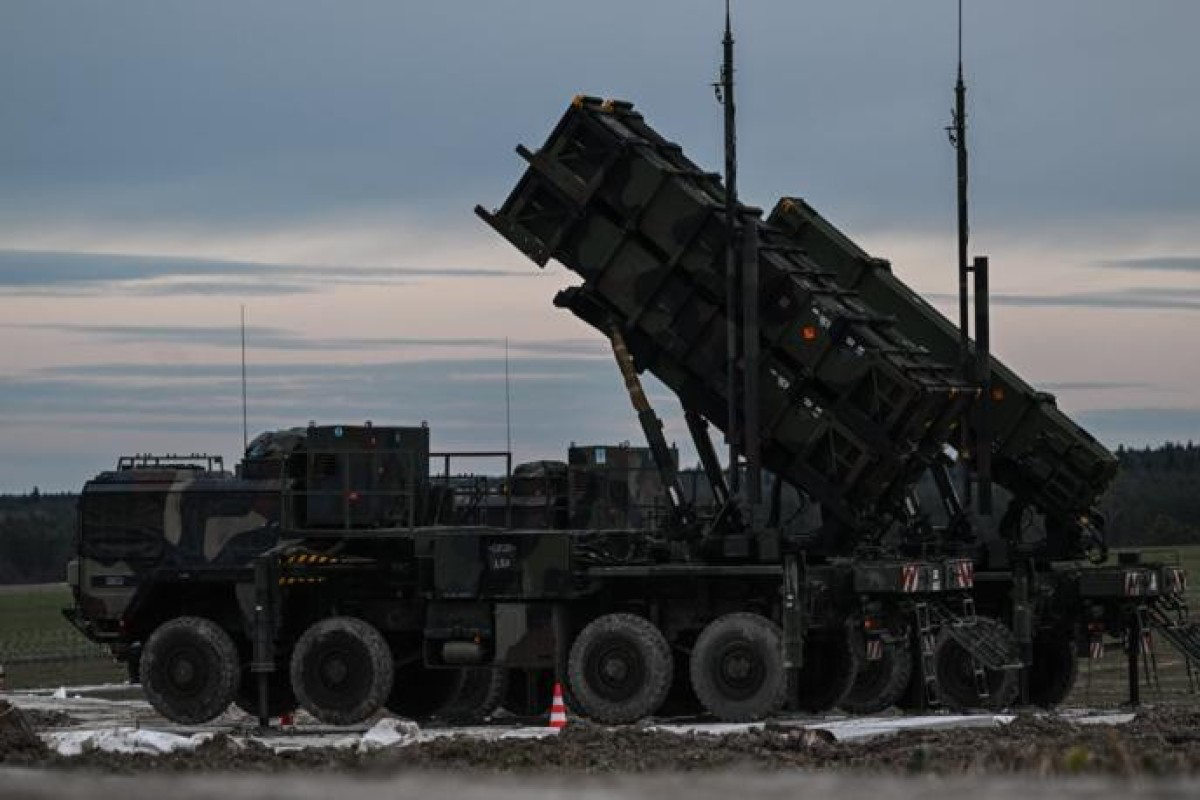
"The course NATO has assumed towards ‘deterring’ Russia, materialized as a buildup of military presence in countries of Eastern Europe and the Baltic States, increase in the number and intensity of exercises close to the Russian border, necessitated measures to counter the threats that NATO creates for Russia’s national security," the foreign ministry said.
"The remaining channels of a political dialogue with NATO and bilateral contacts with the leadership of the key member countries of the organization have been used for the explanation of negative consequences and potential risks from changes to the existing configuration of forces in Europe," the report said.
It said Russia had drawn particular attention "to a confrontational nature of the Alliance’s decision to invite Montenegro to the start of talks on its accession to NATO, leading to a further fragmentation of the European security space, creation of new demarcation lines on the continent".


 Follow us on Telegram
 t.me/apanewsaz
 Follow us on Instagram
 Follow us on TikTok
 Follow us on Facebook
 Follow us on X