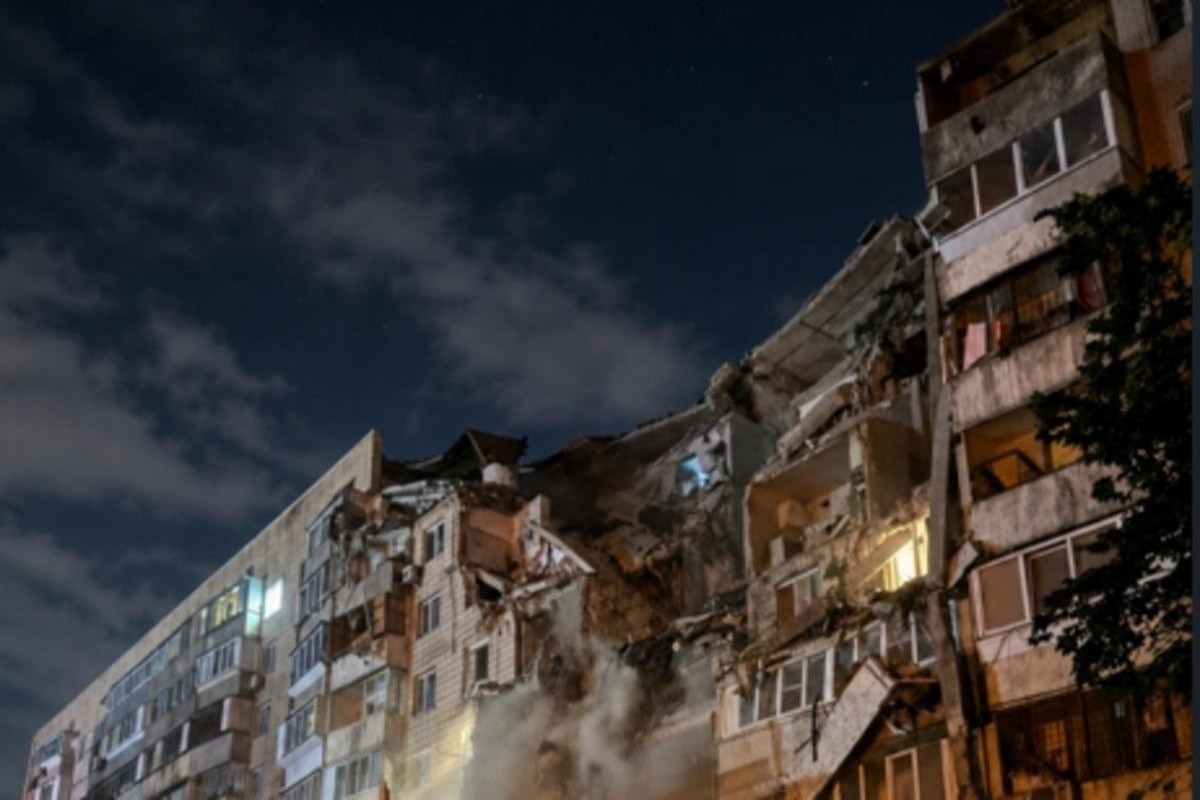
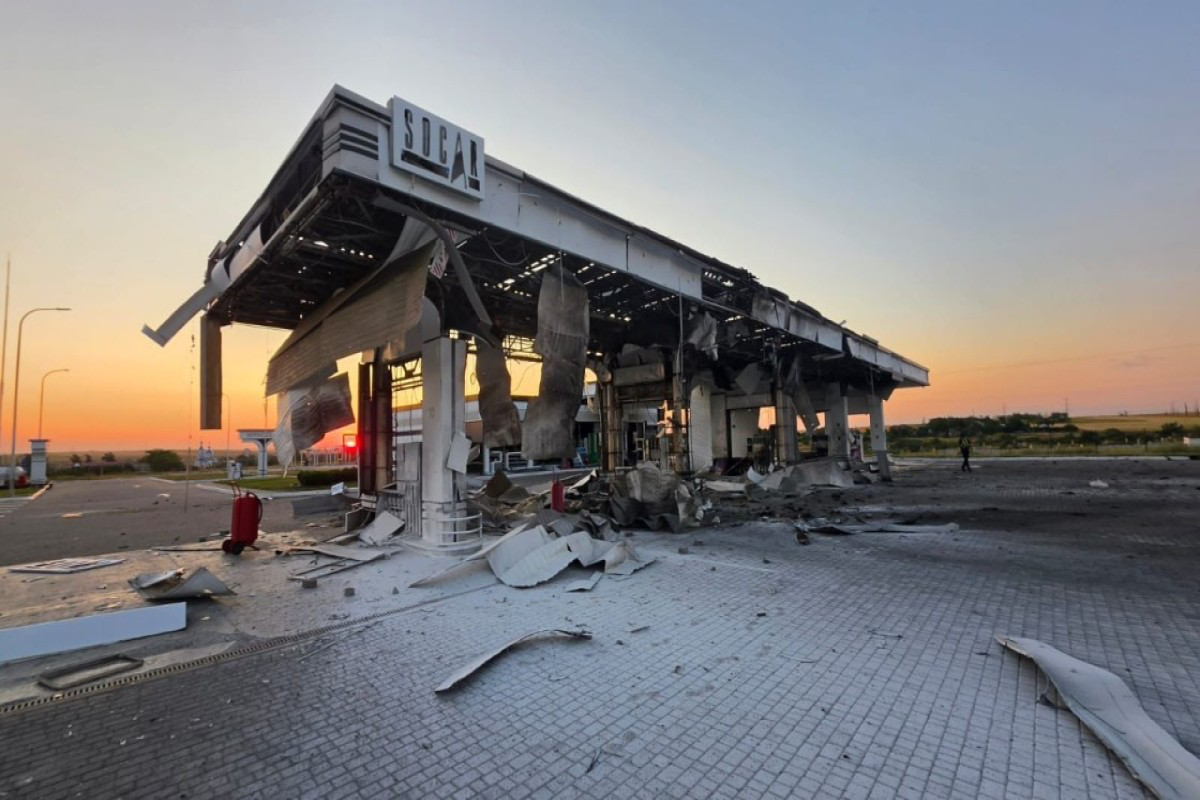
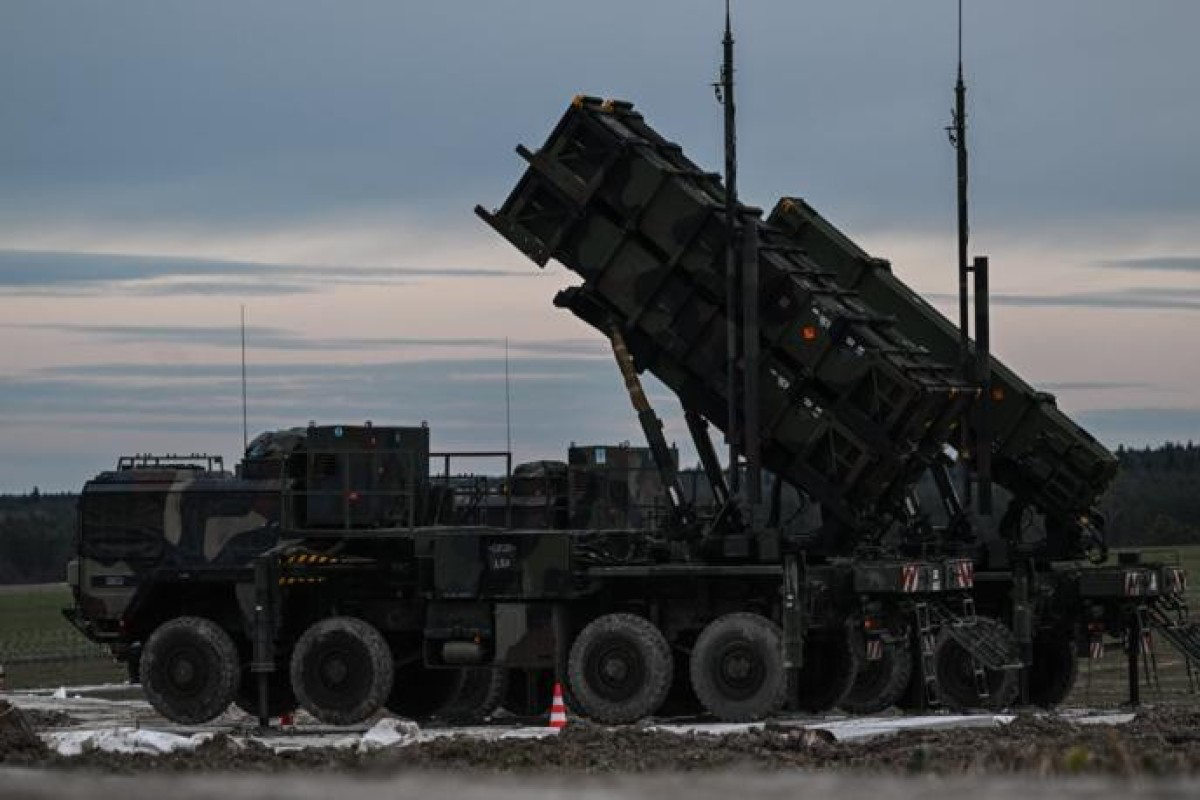
Baku-APA. Countries in Central and Eastern Europe are welcoming a U.S. plan to quadruple military spending in Europe in reaction to Russia's military resurgence, yet the tone from several governments appears guarded as it remains unclear how much of the spending will translate into a real and lasting presence of troops and weapons on NATO's nervous eastern flank, APA reports quoting Associated Press.
Poland's Foreign Ministry, for instance, said Wednesday that it welcomes the U.S. plan but considers it only one element in improving the region's security. It said it also hopes the initiative will be "supplemented" at a NATO summit in Warsaw this July "with other specific and credible elements of military presence, fully adequate to the current threats in the security environment."
U.S. Defense Secretary Ash Carter announced Tuesday that the Obama administration plans to increase spending in 2017 to $3.4 billion from $789 million for what the Pentagon calls its European Reassurance Initiative, which was announced in 2014 after Russia's annexation of Crimea and incursion into eastern Ukraine.
"The U.S. initiative still seems to fall short of the expectations of Poland and the three Baltic states for a permanent presence of U.S. combat units on their soil," said Lukasz Kulesa, research director at the European Leadership Network, a London-based think tank focused on international relations and security. "The Americans talks about weapon pre-positioning and a 'persistent' rotational presence, not 'bases.'"
That, Kulesa said, leaves many leaders struggling with this question: "Should we just accept this package and be happy, or should we still try to get more defense commitments from the U.S. and other NATO countries at the Warsaw Summit in July?"
He said the region also worries about whether the U.S. spending pledge, which is only for 2017, can be sustained.
Poland and the Baltic states — the NATO members that feel most nervous about Russia — want their allies to create permanent bases on their territory. But so far, the alliance's main response to the new challenges presented by Moscow has been to cycle forces in and out of the area, hold more exercises, preposition additional weaponry and supplies and create a new, highly nimble force to come to the aid of allies in trouble.
One of the few concrete details so far on where the money could go came from the Netherlands — much further to the west. About the same time that Carter was making the announcement in Washington, the Netherlands Defense Ministry was announcing an agreement in principle for stockpiling some U.S. equipment at Eygelshoven, a hamlet in the southern province of Limburg where the existing military depot had been slated to close.
Still, Estonian Defense Minister Hannes Hanso welcomed the U.S. announcement as a "solid response" to Russia's recent behavior and said he thinks it "demonstrates the shift in the thinking of the U.S. and NATO."
"When you look at Russia's troop movements, the exercises, snap exercises, and the aims of those exercises and the very unpredictability of Russia's behavior, then it is quite clear that this behavior needs a response," Hanso said.


 Follow us on Telegram
 t.me/apanewsaz
 Follow us on Instagram
 Follow us on TikTok
 Follow us on Facebook
 Follow us on X