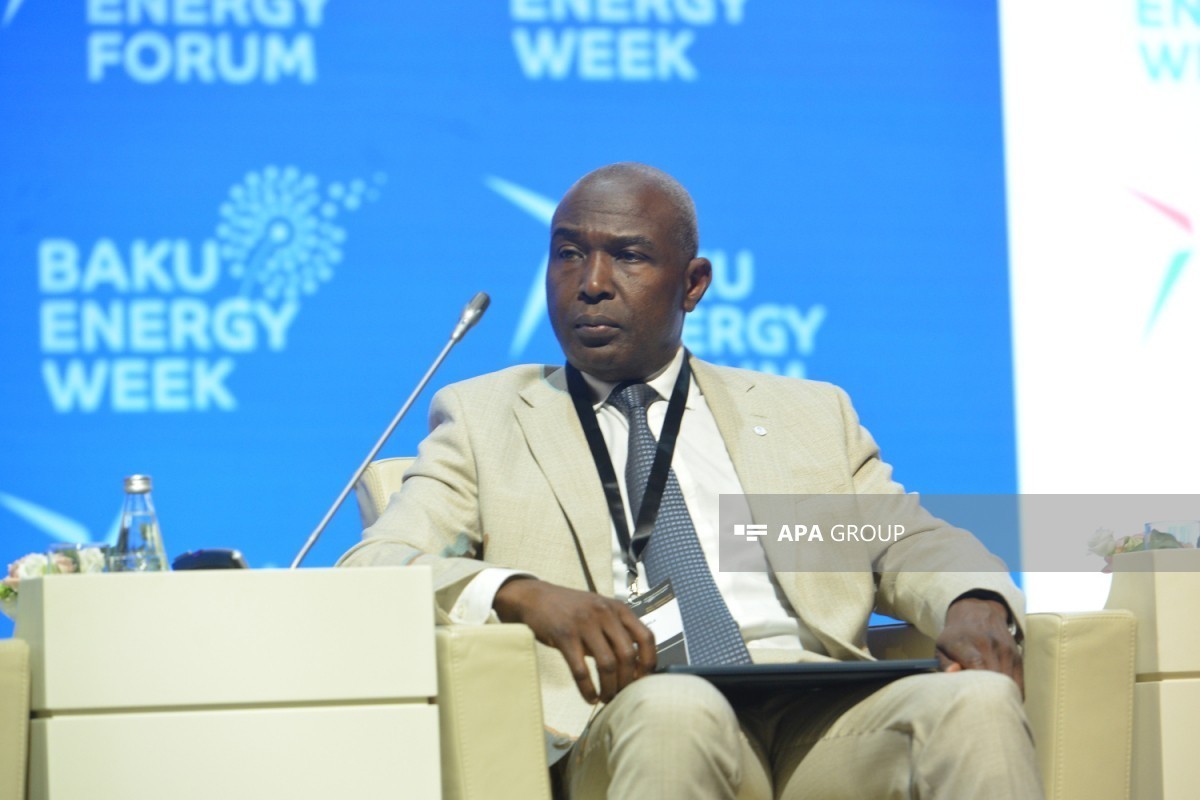


Geopolitical crises affecting the energy sector are no longer rare events, and the world must adapt to this new reality, Philip Mshelbila, Secretary General of the Gas Exporting Countries Forum (GECF), said during the session titled “Gas Markets: Infrastructure, Strategy and Geopolitics” at the Baku Energy Forum, APA-Economics reports.
According to him, while major geopolitical events affecting energy markets used to occur once every few decades, such crises are now recurring every one to two years.
“Geopolitical events do not always affect the energy system. However, when they do, the entire world feels the consequences. The difference is that today such events are no longer exceptions but have become the norm,” he said.
Philip Mshelbila noted that recent crises have affected not only oil and gas markets but also helium supplies used in microchip production, fertilizer manufacturing, and the global economy.
According to him, the primary response of energy markets has been the diversification of supply sources, routes, and energy balances.
The GECF Secretary General emphasized that many countries are seeking new supply sources to strengthen energy security, increasing their interest in nuclear energy and accelerating renewable energy projects.
“These shocks are no longer once-in-a-generation events. Therefore, our strategies, policies, and infrastructure plans must take permanent risks into account,” Philip Mshelbila added.
According to him, under the new conditions, cooperation among countries and the interconnection of energy infrastructure will play a decisive role in ensuring energy security.


 Follow us on Telegram
 t.me/apanewsaz
 Follow us on Instagram
 Follow us on TikTok
 Follow us on Facebook
 Follow us on X