

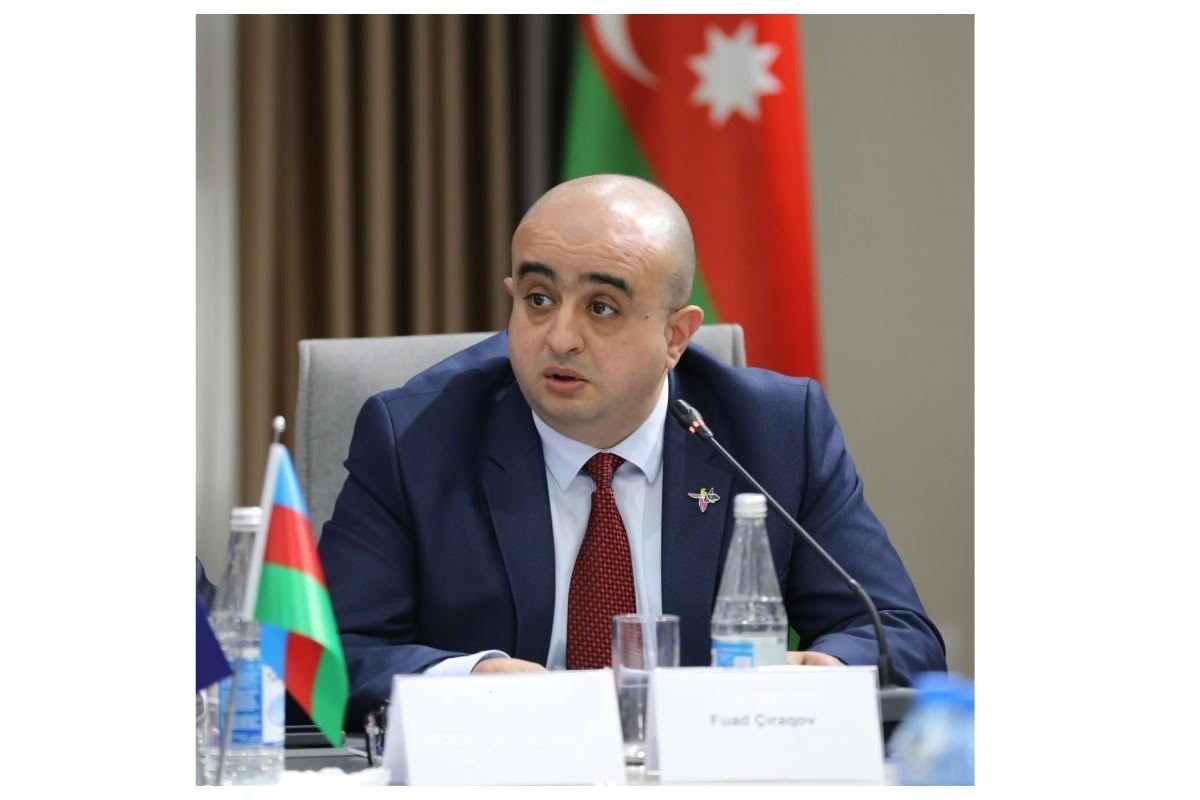


Recent developments in the Middle East have once again made energy security one of the top priorities for governments and companies, Alexios Zachariadis, Partner at Deloitte, said during the session titled “Leaders’ Perspectives on Energy Transformation and Future Strategies” at the Baku Energy Forum, APA-Economics reports.
According to him, energy security is no longer a background factor but has become one of the key areas of investment at both the corporate governance and public policy levels.
Zachariadis noted that the conflict in the Middle East, particularly the risks surrounding the Strait of Hormuz, has heightened concerns about the resilience of energy export routes.
“Companies and governments are not abandoning the energy transition. They are trying to establish a more pragmatic balance between energy security, commercial revenues, and decarbonization goals,” he said.
According to the Deloitte representative, countries in the region are considering new models of cooperation to enhance the security of export routes.
“I would not rule out the creation of joint infrastructure projects among different governments for the export of energy products in the near future,” Zachariadis said.
He noted that problems arising in the Strait of Hormuz have created serious challenges for energy exports from countries such as Qatar, Kuwait, and Iraq.
According to him, countries in the region may in the future develop new export routes and joint infrastructure projects to reduce dependence on existing “chokepoints” and ensure the continuity of energy supplies.


 Follow us on Telegram
 t.me/apanewsaz
 Follow us on Instagram
 Follow us on TikTok
 Follow us on Facebook
 Follow us on X