













The Baltic States (Lithuania, Latvia, and Estonia) have finally disconnected from the Russia-led BRELL (Belarus, Russia, Estonia, Latvia, Lithuania) power grid and joined the European network.
The Baltic states’ exit from Russian energy dependence
Latvia, Lithuania, and Estonia became the last EU countries to join the Continental European power grid. The Baltic States connected to the Continental European synchronous zone via the Lithuania-Poland power transmission line, "LitPol Link."
The BRELL system had long ensured stable energy supply for its participant countries. However, geopolitical circumstances, the desire for energy autonomy, and the ongoing conflict between Russia and Ukraine led the Baltic States to withdraw from this network.

The Baltic States had already refused to purchase commercial and balancing electricity from Russia in 2022, however, within the BRELL system, a small amount of technical electricity flow was still implemented through cross-border power lines.
Synchronization with the EU grid took 18 years
It took 18 years to prepare the synchronization of the three countries' power grids with the EU grid. The official start date of the program is considered to be 2007. Since 2015, particularly active efforts have been made to promote it. Over the past seven years, partners have had to implement nearly 40 technical projects of varying complexity. The cost of the synchronization program amounted to approximately €1.6 billion, most of which was funded by the EU.
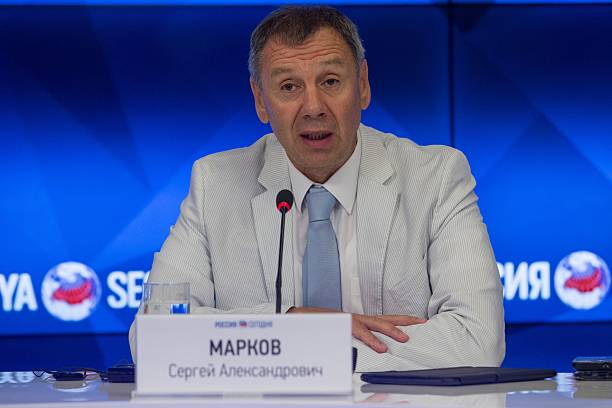
Director of the Russian Institute for Political Studies, Sergey Markov, told APA that the separation of the Baltic states from the common energy system with Russia was expected: “This is a normal occurrence. There is nothing unusual about it. The Baltic states have been working on this for nearly 20 years. It is natural. Because they are members of the European Union and had to join the EU's unified energy system. Moreover, the European Union is in a military conflict with Russia. That is why the Baltic states rushed to implement this as soon as possible. For this reason, Russia had long anticipated their departure from the common energy system.”
According to Markov, disconnecting the Baltic states from the common energy system with Russia has been very costly for the European Union: “This is a burden on the EU budget. Europe has spent large sums of money to make this happen. They did it primarily to ensure their own political security.”
Markov believes Russia will benefit from this situation
Commenting on the issue of what Russia loses from this move, the political analyst stated that Russia will only lose money: “And even then, the amount is not that significant. How much could Russia have earned from Latvia, Lithuania, and Estonia even? There is practically no industry there. They have weak agriculture and a service sector. With EU budget funds, they buy mobile phones and televisions. How much money can be made from the energy consumption of phones, TVs, and household appliances? That’s why the economic loss for Russia is minimal. In fact, I would say this will actually benefit Russia. Because now, Russia can use that electricity to develop its own domestic economy.”

In an interview with APA, Latvian economist Dainis Gašpuitis stated that the transition was primarily related to energy security: "Benefits are mainly in terms of energy security as we have ceased our reliance on Russian energy infrastructure. This move diminishes the potential for geopolitical pressure and energy blackmail or any other influence."
According to the expert concerns regarding electricity disruption during the process proved wrong: "The evening went smoothly and nobody noticed it as countries were prepared for it."

Prices remain stable
Addressing concerns over electricity prices following the transition, the Latvian expert noted that prices have remained stable, however, in the long term, network balancing could require additional costs:“Electricity prices were not affected by this cut off but balancing will cost something meaning it will raise transmission prices for about 5% in a longer term due to synchronisation costs. This slight increase is related to operational costs required for implementing network synchronization. Overall, however, it is an acceptable trade-off for the energy security and independence gained by reducing reliance on external energy sources."
Liberation from Russia’s energy blackmail
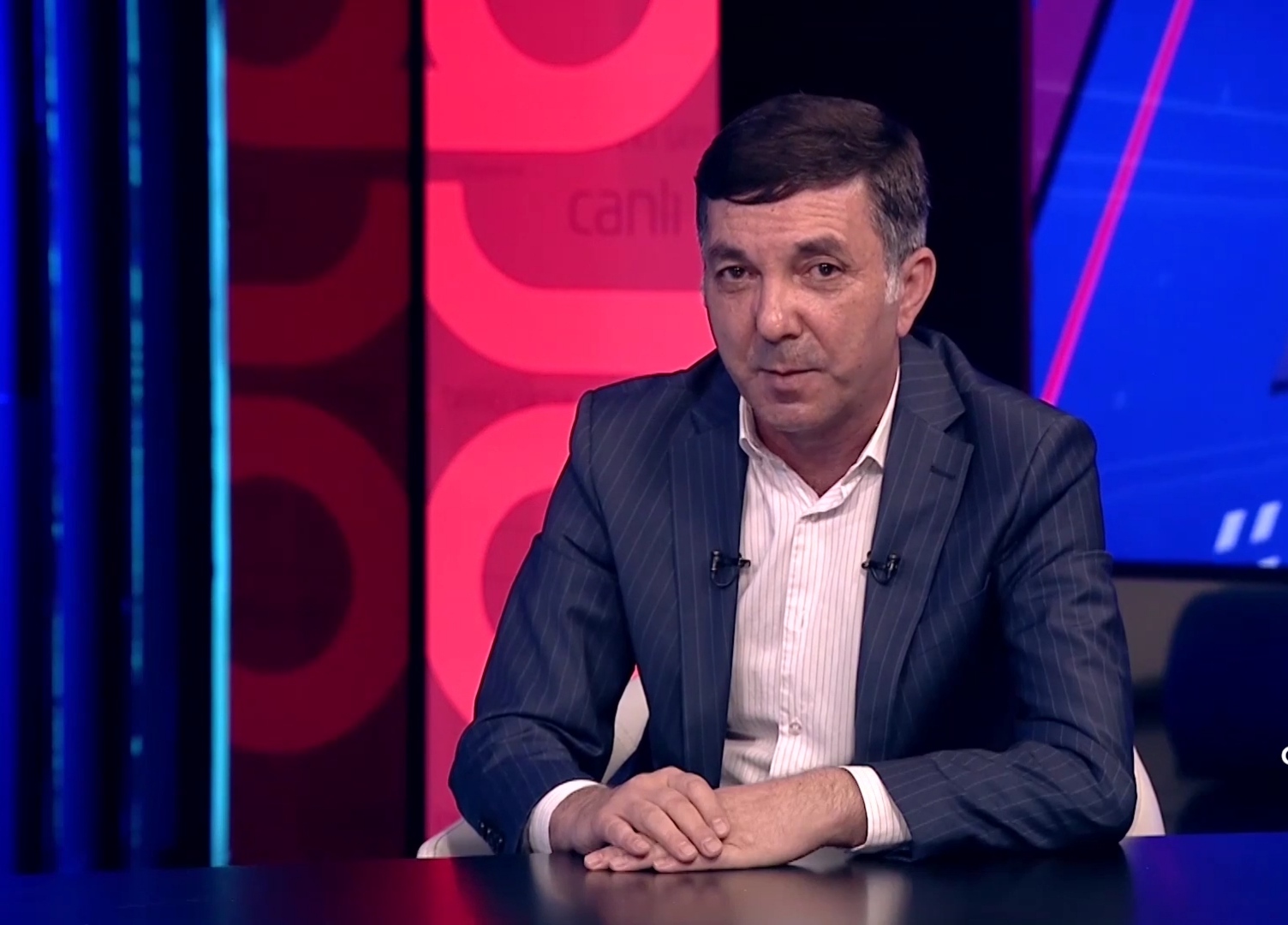
According to economist-expert Zafar Valiyev, the connection of Latvia, Lithuania, and Estonia to the Continental European Synchronous Network has freed the Baltic states from Russia’s energy blackmail.
The expert told APA that in August 2023, the prime ministers of the three Baltic states signed a Declaration, with the approval of the European Commission, on synchronizing their electricity networks with Europe by December 2025. As a result, 10 months early, on February 8 of this year, the Baltic countries disconnected from the IPS/UES electricity transmission network connecting Russia, Belarus, and the Russian enclave of Kaliningrad, and on February 9, they joined the Continental European Synchronous Grid (UCTE network), which covers most European countries, from Portugal in western Europe to Ukraine and Türkiye in the east, via Poland.
“This act is assessed as a significant step toward enhancing the energy security of all three Baltic states and reducing their dependence on Russian energy. Diplomats from all three countries have openly declared that this historic move has freed the Baltic states from Russia’s energy blackmail,” the expert noted.
According to him, following the annexation of Crimea and Russia’s military intervention in Ukraine in February 2022, one of the key measures taken by the EU to end its dependence on Russian energy resources was to stop importing electricity from Russia—an issue that has now been resolved.
EU countries to fully abandon Russian energy resources
“In the near future, EU countries will completely abandon Russian energy carriers (oil, gas, coal, petroleum products, etc.), and they have openly declared this,” added Zafar Valiyev.
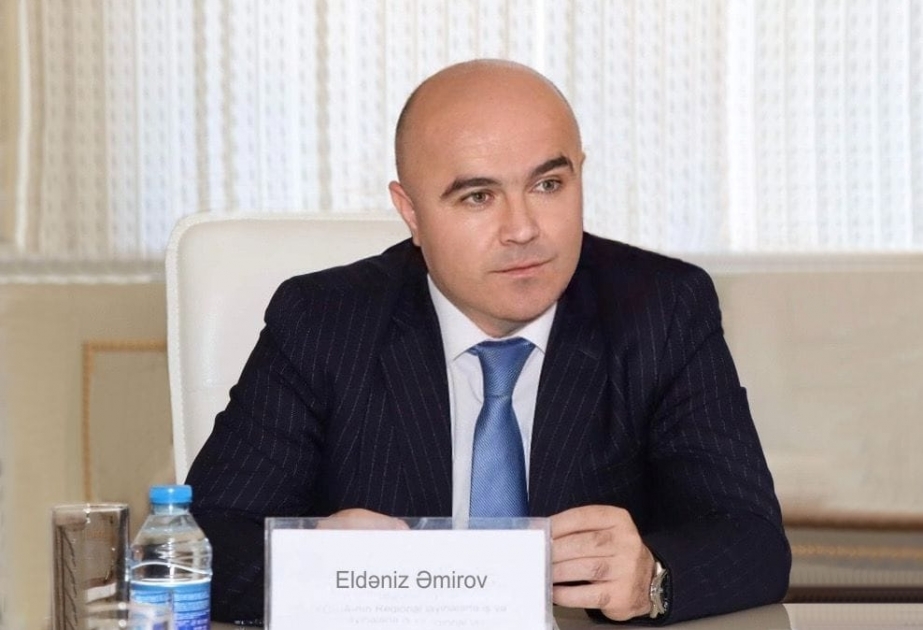
Economist Eldaniz Amirov believes that not only the Baltic states but all of Russia’s neighboring countries must reduce their dependence on Russia due to its current foreign policy.
“For this reason, the European Union has provided €1.22 billion in support to Estonia, Latvia, and Lithuania to disconnect their energy systems from the Russian-led ‘BRELL’ network. This process had already been ongoing for some time, as it clearly ensured a more reliable energy framework for the Baltic states. As a result, the synchronization process was completed in the first ten days of February, allowing the Baltic countries—formerly dependent on the Russian and Belarusian energy networks—to significantly enhance their energy security,” stated Eldaniz Amirov.
This is a Loss for Russia
In a statement to APA, economist Eldaniz Amirov stated that this process is undoubtedly a loss for Russia, while for the Baltic states, it means the fulfillment of what they have to do..
“This leads to Russia losing more control over energy and diminishing its geopolitical influence, while also resulting in substantial financial losses. For the Baltic states, however, this can be seen as gaining a more secure energy partner, effectively managing risks, and ensuring a higher-quality energy supply,” emphasized Eldaniz Amirov.
Emil Ismayilov
Farid Akbarov



 Follow us on Telegram
 t.me/apanewsaz
 Follow us on Instagram
 Follow us on TikTok
 Follow us on Facebook
 Follow us on X


