










Baku-APA. Iranians lined up at polling stations Friday for a second round of parliamentary elections seen by the country’s leaders as endorsement of their controversial nuclear development program, state media reported, APA reports quoting Associated Press.
Conservative opponents of President Mahmoud Ahmadinejad already won an outright majority of seats of the new parliament in the first round of elections held in March. Only 65 seats in the 290-member legislature are still in contention.
Ahmadinejad and his wife, Aazam Farahi, cast their ballots in the afternoon without making any remarks to waiting reporters, an unusually glum appearance for the normally talkative president.
Ahmadinejad, voted in for the second time in 2009 in a hotly disputed election with the backing of the clerical establishment, has seen his political fortunes decline sharply after he was perceived to have defied Supreme Leader Ayatollah Ali Khamenei’s authority in April 2011 and tried to expand the authority of the presidency.
The new parliament will begin its session in late May. It has no direct control over major policy matters like Iran’s nuclear program, but it can influence the selection of Ahmadinejad’s successor and other top officials and give backing to the policies of Khamenei.
Iranian leaders are showcasing the voter turnout — officially, 64 percent in the first round — as a sign of trust in the clerical-led system and rejection of Western pressure over the nuclear issue.
The West suspects Iran is pursuing nuclear weapons and is demanding that Iran stop uranium enrichment. Iran has refused, saying its program is aimed at power generation and cancer treatment.
"My advice is that people take the runoff as seriously as the first round," Khamenei said in comments carried live by state television after he cast his vote.
"I voted only because our leaders need our support to go for (nuclear) talks," said Ali Attar, 23, an electrical engineer.
Iran and world powers held a round of talks in April in Istanbul, the first in a year. Little progress was made beyond agreement to resume the discussions in Baghdad later this month. Iran has said it will ask the West to end or ease its sanctions, but Western nations have already rejected that.
Parliament speaker Ali Larijani told state TV that a high voter turnout Friday would soften Western attitudes.
When the West and some regional countries find out that Iranian government has the strong support of its people, he said, "Global enemies will be pushed back and peace will return to the region."
Fatemeh Nourmohammadi, a teacher, said she voted to back the government. "Our country needs our votes. It is in the middle of many difficulties both inside and outside," she said. "We have to support it."
Of the 130 candidates, two for each of the 65 seats, 69 are conservative opponents of Ahmadinejad, about 26 favor the president and the rest are centrists. Although Ahmadinejad is likely to serve until the end of his term in August 2013, his allies have been pushed out of key posts and his political clout has been weakened.
State TV said major polling stations were packed with people voting for 25 of the capital’s 30 seats in the parliament. The other five were decided in the first round.
Some said they were voting over economic issues. Several rounds of U.N. sanctions over the nuclear issue have hit Iran hard, contributing to double-digit inflation and unemployment.
"I have to finish my job," said Reza Behjatpour, 20, a university student. "In the first round I voted for those who resisted the inflation-creating policy of Ahmadinejad’s administration."
"I voted for the group that will help more jobs to be created," said Morteza Riahei, 30, a worker. "Ahmadinejad could not bring more jobs. We need some people in the parliament to push him in a right direction."


 Follow us on Telegram
 t.me/apanewsaz
 Follow us on Instagram
 Follow us on TikTok
 Follow us on Facebook
 Follow us on X
Asia
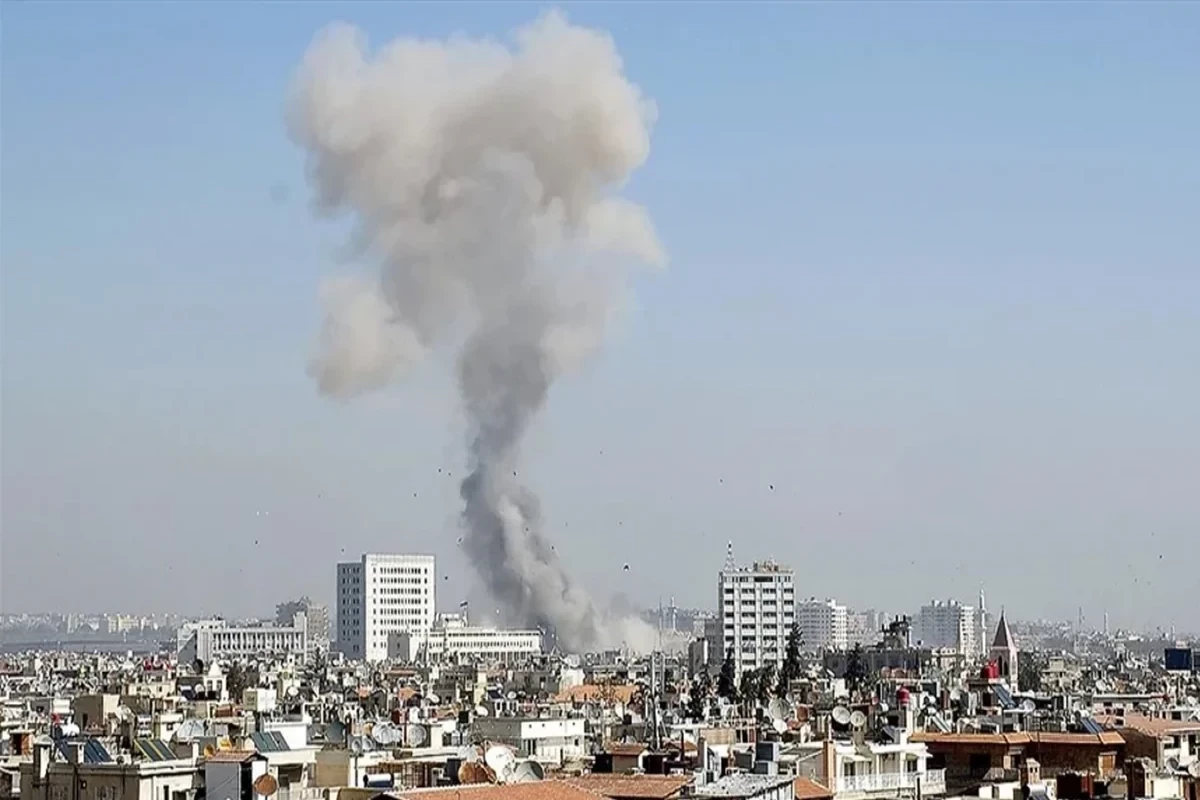
Blast at Damascus cafe leaves seven dead, others wounded-UPDATED-2
 21:25
21:25
 2 July 2026
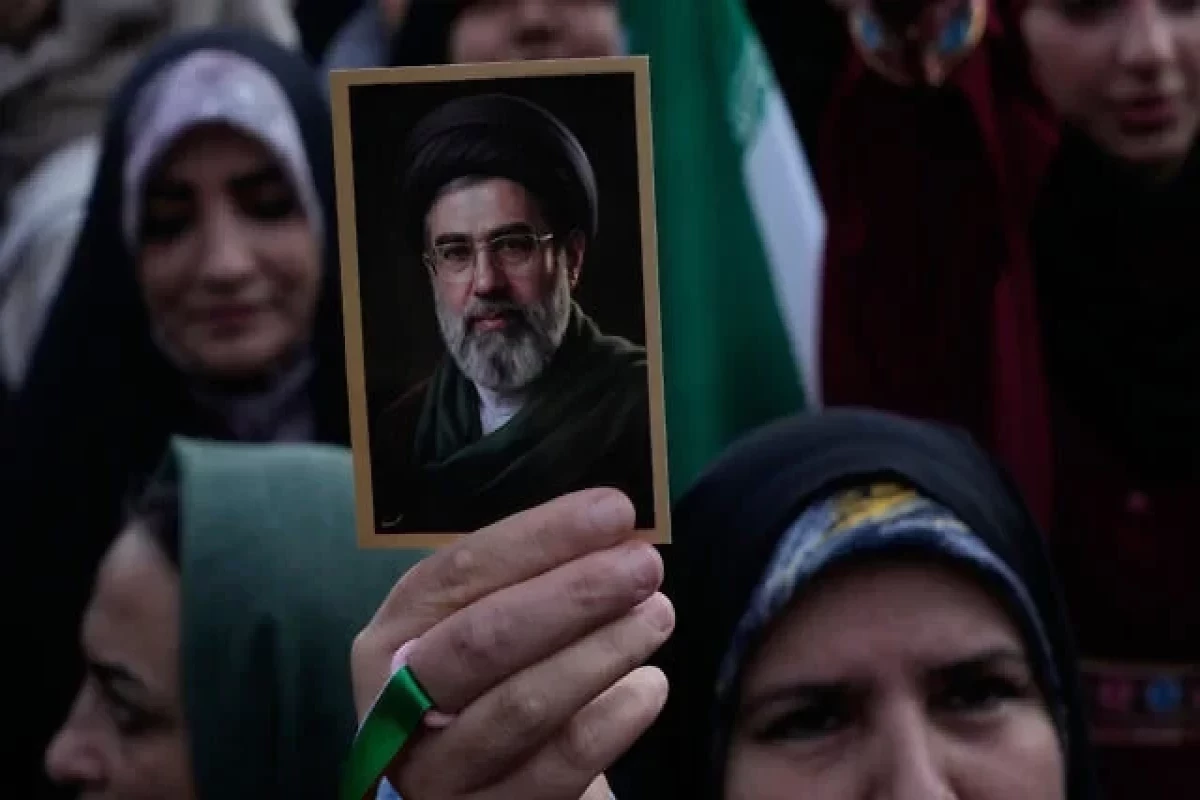
Mojtaba Khamenei won't attend father's funeral: Iran Supreme Leader's aide
18:24
2 July 2026
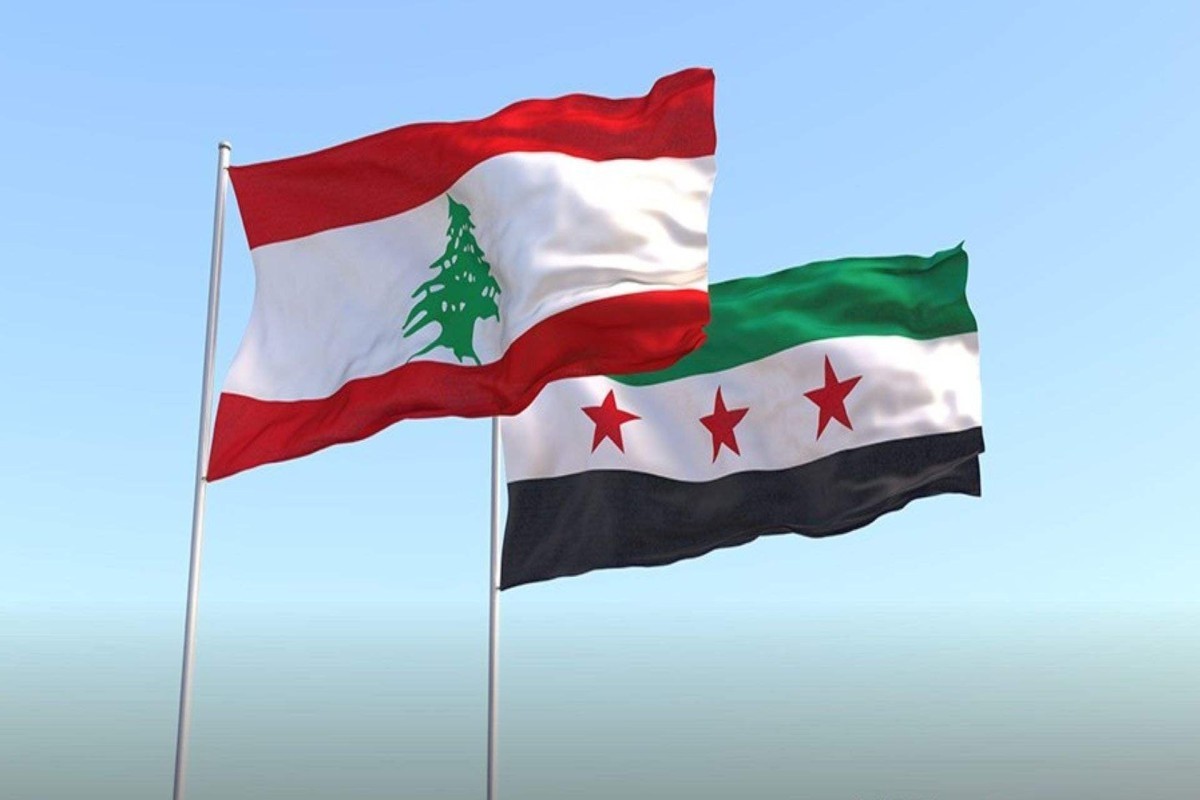
Lebanon, Syria sign agreement to establish joint higher committee
17:08
2 July 2026
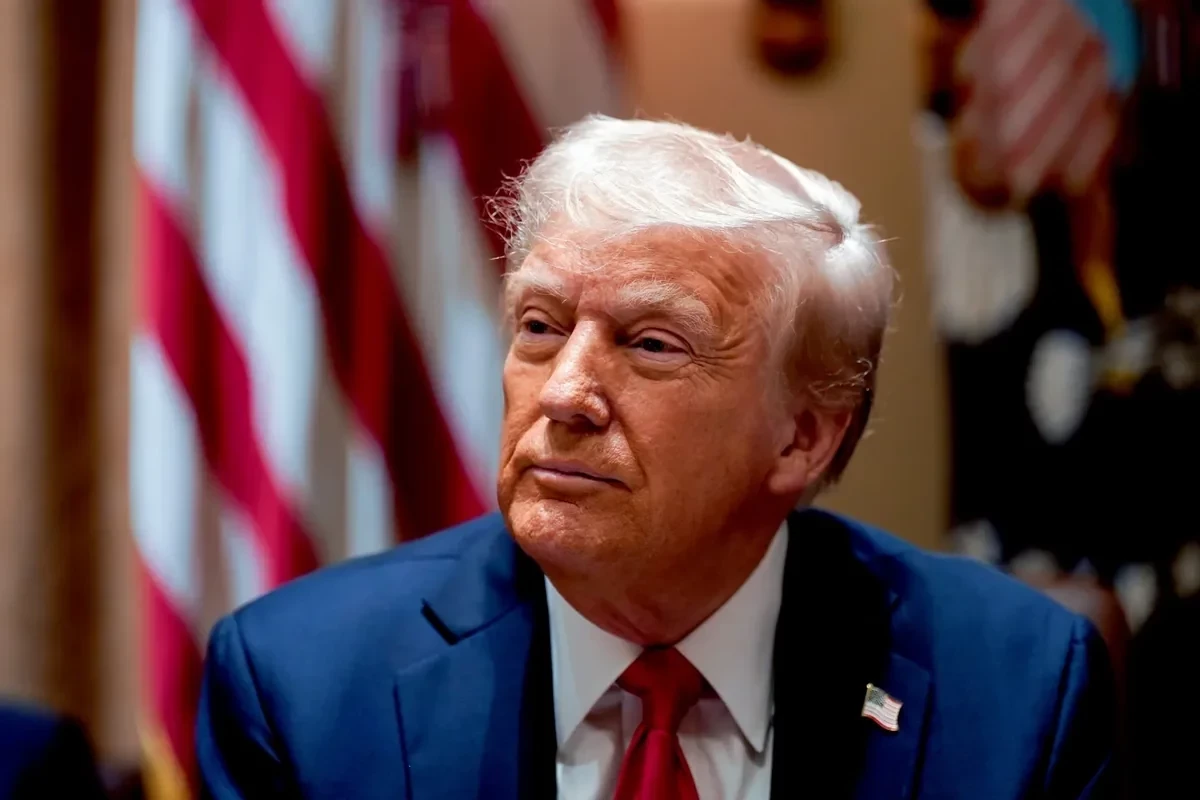
Trump: The U.S. spends more on NATO than anyone else but gets nothing in return
16:35
2 July 2026

NEWS FEED
Venezuela earthquake death toll rises to 2,595
07:16
3 July 2026
Trump: US has achieved almost all of its goals in negotiations with Iran
02:21
Audio
3 July 2026
Spain defeats Austria in its first World Cup playoff victory in 16 years
01:12
3 July 2026
Monaco blast probably perpetrated by Ukrainian woman residing in Germany
00:43
3 July 2026
US offers Iran access to frozen funds for free Hormuz Strait passage
23:48
Audio
2 July 2026
Rutte: Europe and Canada will increase their defense spending by $250 billion in two years
23:20
2 July 2026
Death toll from Russia's massive strikes on Kyiv rises to 25 - PHOTO - UPDATED 5
22:40
2 July 2026
Serbia may hold both presidential and parliamentary elections in the fall
21:54
2 July 2026
Blast at Damascus cafe leaves seven dead, others wounded-UPDATED-2
21:25
2 July 2026
Another Azerbaijani died in Ukraine
21:19
Audio
2 July 2026
President of European Commission shared video on her visit to Azerbaijan and Armenia
20:52
Audio
2 July 2026
Earthquake jolts Armenia
20:17
2 July 2026
Belarus urges its citizens to avoid traveling to Russia's border regions
19:39
2 July 2026
The SBU reported exposing 11 people who, on the order of the Russian Federation, organized anti-Ukrainian rallies in Poland
19:29
2 July 2026
Sahiba Gafarova, Shahin Mustafayev and other Azerbaijani officials to attend Khamenei's funeral
19:00
2 July 2026
Pashinyan on Kocharyan: They will all be arrested
18:57
2 July 2026
Russia to send 14 wagons of wheat to Armenia via Azerbaijan
18:54
2 July 2026
Zelenskyy: Russia will face a response for its latest attack on Kyiv
18:41
2 July 2026
Armenia to restore railway lines to Nakhchivan and Türkiye
18:35
2 July 2026
Mojtaba Khamenei won't attend father's funeral: Iran Supreme Leader's aide
18:24
2 July 2026
Pashinyan: Armenia does not plan to unilaterally terminate railway management deal with Russia
18:14
2 July 2026
DRC exceeds 1,400 cases of Ebola in the latest outbreak and already nears 440 deaths
18:07
2 July 2026
Pashinyan: Work underway to open highway from Azerbaijan border to Türkiye for international freight transport
18:04
2 July 2026
FM Bayramov meets with the UN Secretary-General's Special Envoy for Road Safety
18:03
2 July 2026
President of Uzbekistan arrives on state visit to Georgia
17:47
2 July 2026
Türkiye and Azerbaijan discuss electricity transmission opportunities
17:38
2 July 2026
Commander of Azerbaijan Air Force on official visit to Türkiye
17:38
2 July 2026
Azerbaijan and Türkiye discuss military cooperation
17:34
2 July 2026
Pashinyan: EU introduces tariff-free regime for a number of products exported from Armenia
17:29
2 July 2026
Lebanon, Syria sign agreement to establish joint higher committee
17:08
2 July 2026
German defense minister says Ukraine conflict enters 'decisive phase'
17:07
2 July 2026
Trump: The U.S. spends more on NATO than anyone else but gets nothing in return
16:35
2 July 2026
Iran warns US, Israel against attacks ahead of funeral processions for Khamenei
16:20
2 July 2026
Hamas says it executed a man who collaborated with Israel
16:18
2 July 2026
Al Arabiya: Next round of indirect US-Iran talks to be held on July 18
16:09
2 July 2026
BTC operatorship transferred to SOCAR
16:04
2 July 2026
Turkish National Defense University delegation discusses advancement of cooperation in military education
15:51
2 July 2026
Baku Olympic Stadium lit up in U.S. flag colors ahead of Independence Day
15:28
2 July 2026
Drone threat declared in Moscow region
15:24
2 July 2026
Magnitude 5.3 earthquake strikes the Mediterranean Sea
15:23
2 July 2026
Eight Thai monks killed after 11-year-old drives truck into procession
14:57
2 July 2026
Iran warns oil tankers to use approved routes in Strait of Hormuz or face a ‘forceful response’
14:47
2 July 2026
Pashinyan: Expanding energy cooperation with Türkiye and Azerbaijan is important
14:36
2 July 2026
Greek ruling party calls for protests after firebomb kills candidate's mother
14:30
2 July 2026
Armenia parliament speaker Alen Simonyan to not take mandate, not be in new legislature
13:51
2 July 2026
Pashinyan: Yerevan will continue dialogue with Moscow and its course toward EU integration
13:47
2 July 2026
Türkiye presents Turkic World Civil Society Support System project - PHOTO
13:46
2 July 2026
Poland detains two men suspected of spying for Belarus
13:43
2 July 2026
Leyla Aliyeva attends opening of regional branch of Stray Animal Care Center in Yevlakh - PHOTO
13:28
2 July 2026
Kremlin: Gerasimov reports results of massive strikes on military targets in Kyiv to Putin
13:18
2 July 2026


