










Baku – APA. For Pakistanis, the phrasing may have been delicate but the message of the Obama Administration’s Afghanistan-Pakistan review was clear, APA reports quoting “Time†magazine.
Washington is not satisfied with Pakistan’s efforts against al-Qaeda militants hiding in the Tribal Areas, or its failure to deny the Afghan insurgency sanctuaries on its side of the border. The five-page summary of the Administration’s assessment that was released publicly even included concerns about the stability of nuclear weapons in the region. Nine years after Pakistan became Washington’s key frontline ally in its war on terrorism, the two sides have yet to align their priorities - but Pakistan’s military leaders may be trying to interest Washington in a workable endgame.
A senior government official speaking on condition of anonymity says President Obama’s suggestion that Pakistan’s progress has been slow underscores lingering mistrust. "We would have preferred if the U.S. government had spoken of joint failures and problems on the Afghan side of the border as well," says the official. In fact, Pakistan sees the review as having sanitized U.S. failures in Afghanistan, while casting blame on Pakistan.
The strategy review does acknowledge some progress, pointing out that Pakistan has taken action in six of the seven tribal areas along the border. "That’s a very diplomatic way of saying they have failed to go into North Waziristan," says a senior Western diplomat. Sometimes described as the world’s most dangerous place, North Waziristan is home to the most lethal militant elements operating not just in Afghanistan, but also in Pakistan. The Haqqani militant network uses it as a launching pad for attacks on U.S. and NATO troops across the border, while an assortment of groups active in Pakistan are either headquartered or sheltered there. And the U.S. has for months been trying to get Pakistan to send troops into the area.
Pakistan has agreed in principle to mount an offensive there, but insists that it will do so at a time of its own choosing. "There is little prospect of an offensive at least before February," says Talat Masood, a retired general and analyst. "Indeed, in the winter, it won’t be able to hold the ground at night, they would need two and a half divisions. And they have to consolidate the areas they’ve already cleared [of Pakistani Taliban] in Swat and South Waziristan. There is a worry that they may lose ground there." And while Washington complains of a porous border, the Pakistanis would like to see U.S. troops do more to fortify its Afghan side.
Skepticism of the U.S. review isn’t confined to its assessment of Pakistan’s progress. "The strategy review boasts about gains made in Afghanistan, but says that they are ’fragile and reversible’," says Mushahid Hussain, a prominent Pakistani politician. "What does that mean? We saw what happened in Marjah and Kandahar. The Americans are looking for a scapegoat in Pakistan for a strategy that has failed in Afghanistan."
On a visit to Washington shortly before the strategy review was released, Pakistani Army Chief General Ashfaq Kayani gave President Obama a 14-page document detailing Pakistan’s concerns in the region. "It was the clearest enunciation in writing of Pakistan’s core national security interests," says politician Hussain, who has seen the classified document. "It laid out Pakistan’s interests in Afghanistan," he adds, "saying that we seek a stable and peaceful Afghanistan - not necessarily a friendly Afghanistan." The suggestion is that Islamabad will settle for less than the restoration of a Taliban-dominated proxy government in Kabul.
The document also acknowledges India’s regional role and interests, but argues that it should not pursue these at Pakistan’s expense. Pakistan, if the logic of the document is pursued, appears to be preparing for a settlement in Afghanistan that would accommodate competing regional interests. Until now, it has angrily denounced what it sees as a Northern Alliance-dominated regime in Kabul under Indian sway, and accused New Delhi of using its consulates in Afghanistan to back armed Baloch separatist groups attacking Pakistan.
General Kayani is said to have repeated familiar arguments for delaying an offensive in North Waziristan, but the unspoken reason for hesitation is the fact that the militant group there that Washington most wants the Pakistanis to tackle is the potent Haqqani network - a longstanding ally of Pakistani intelligence.
The Pakistanis also believe Washington is adjusting its own position: Whereas it has previously set the preconditions for talking to the Taliban - renunciation of al-Qaeda, laying down arms, and accepting the Afghan constitution - Pakistan’s generals today believe these are now end goals rather than preconditions for talks. Indeed, they believe the endgame has begun, and are encouraged by the reaffirmation of next summer as the starting date for a drawdown of U.S. troops - although they oppose General David Petraeus’ emphasis on escalating military action.
Pakistan’s security establishment seeks to be the principal interlocutor with militant groups in any deal. "The Pakistani military leadership," says retired general Masood, "would prefer some sort of an understanding with Haqqani, so he can share some power in a post-withdrawal government. But Washington doesn’t want to speak to the Haqqanis, deeming them irreconcilables." Yet U.S. officials have told their Pakistani counterparts that Taliban leader Mullah Mohammad Omar isn’t interested in talking to the Americans. "Mullah Mohammad Omar is believed to be supremely confident of his chances," says Masood. "If he is willing to talk, it would be to the Pakistanis." And that’s where Pakistan senses an opportunity to help the U.S. end the war.


 Follow us on Telegram
 t.me/apanewsaz
 Follow us on Instagram
 Follow us on TikTok
 Follow us on Facebook
 Follow us on X
Asia
Mutual attacks between Iran and the US are increasing – LATEST SITUATION
 17:13
17:13
 28 June 2026
Israeli government unanimously votes to recognize the so-called "Armenian genocide," bill to be submitted to Knesset
15:06
28 June 2026
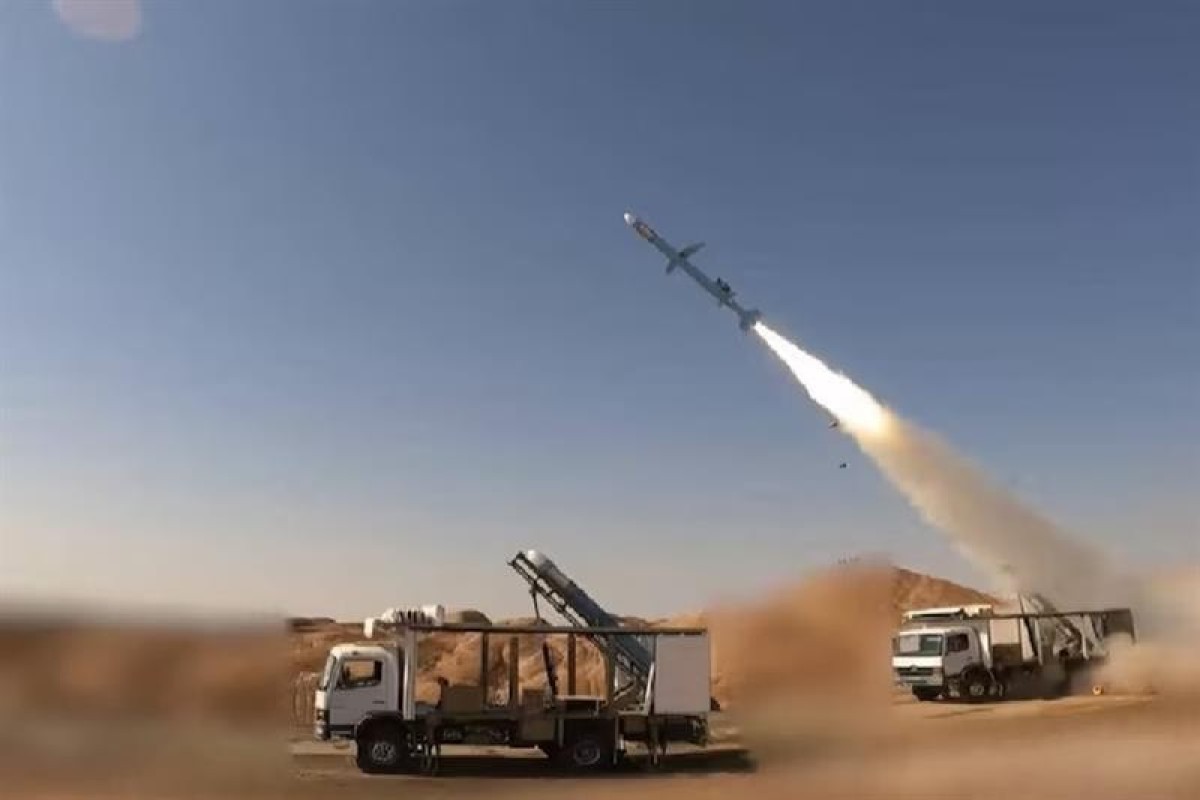
IRGC says it struck U.S. military infrastructure in Kuwait and Bahrain
09:34
28 June 2026
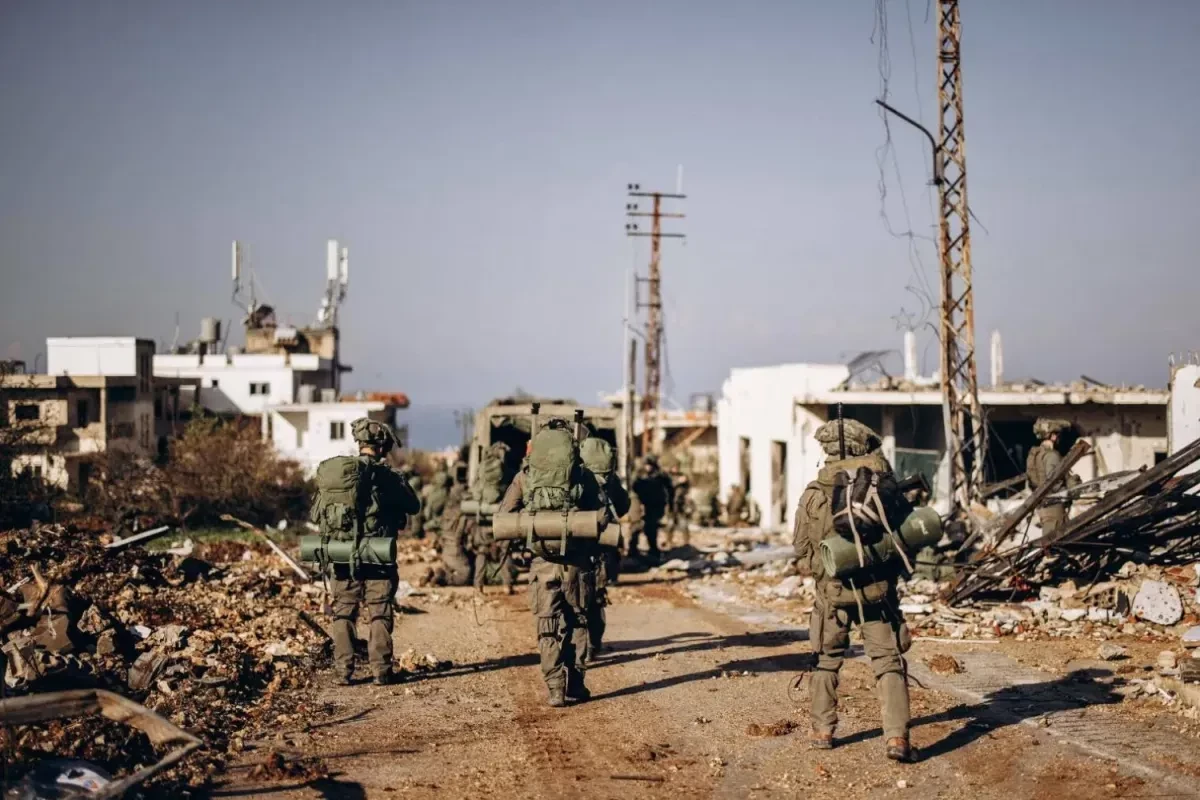
Israel will withdraw troops from two areas in southern Lebanon on June 28
01:48
28 June 2026

NEWS FEED
Mutual attacks between Iran and the US are increasing – LATEST SITUATION
17:13
28 June 2026
Israeli government unanimously votes to recognize the so-called "Armenian genocide," bill to be submitted to Knesset
15:06
28 June 2026
Another wheat shipment transits Azerbaijan from Russia to Armenia-PHOTO
13:06
28 June 2026
Venezuela quake death toll rises to 1,430
10:00
28 June 2026
IRGC says it struck U.S. military infrastructure in Kuwait and Bahrain
09:34
28 June 2026
Trump threatens more military action against Iran if strikes continue
03:52
Audio
28 June 2026
UN: Venezuela earthquake could affect more than 6.7 million people
02:44
28 June 2026
US launches more strikes against Iran
02:17
Audio
28 June 2026
Britain has zero active submarines at sea for now
02:00
28 June 2026
Israel will withdraw troops from two areas in southern Lebanon on June 28
01:48
28 June 2026
Netanyahu announces plans to form broad national government after elections
01:30
28 June 2026
Argentina cabinet chief resigns after corruption allegations
01:20
28 June 2026
Magnitude 5.4 earthquake struck Venezuela
00:56
28 June 2026
Netanyahu: Deal says Israel can keep security zone as long as needed
23:53
27 June 2026
UFC Baku: Rafael Fiziev defeats Manuel Torres in main event
23:14
Audio
27 June 2026
UFC: Abus Magomedov defeats Mikhal Oleksiychuk
21:22
27 June 2026
UFC: Farman Hasanov defeats his opponent from the United States
21:11
27 June 2026
Wheat to be shipped to Armenia via transit through Azerbaijan
19:53
27 June 2026
Jeyhun Bayramov and Hakan Fidan hold phone conversation
19:04
27 June 2026
"Caucasus Eagle 2026" exercise concludes-VIDEO
18:43
27 June 2026
Tremors jolt Delhi-NCR, Kashmir as magnitude 6.2 earthquake hits Afghanistan
18:37
27 June 2026
Tanker hit by unidentified projectile in Hormuz, British maritime agency says
16:54
27 June 2026
Russian Defense Ministry claims two Ukrainian MiG-29 fighter jets destroyed at Mykolaiv airfield
16:51
27 June 2026
Iran accuses U.S. of violating two clauses of memorandum
16:48
27 June 2026
Service chief: Lowering military conscription age limit has reduced state expenses
16:09
27 June 2026
Ukrainian MiG-29 crashes during combat mission, Air Force says, pilot ejects safely
15:25
27 June 2026
Russia and Ukraine exchange civilian detainees
14:40
27 June 2026
Baku–Nakhchivan flights cancelled due to thunderstorms
14:16
27 June 2026
One killed, 11 injured in Ukraine's attack on Volgograd
13:58
27 June 2026
Bahrain says Iranian drones targeted its territory early Saturday
13:55
27 June 2026
Zelenskyy confirms strike on military plant in Volgograd-VIDEO-UPDATED
13:42
27 June 2026
Kremlin: Putin and Lukashenko continue talks
13:38
27 June 2026
Small aircraft crash in Beijing kills one person, injures 13, local govt says
13:30
27 June 2026
Iran's Foreign Ministry reacts to U.S. airstrikes
11:31
27 June 2026
Leyla Aliyeva and Arzu Aliyeva visit "CandyFest" summer festival and watch "Magic Pearl" water circus show-PHOTO
11:24
27 June 2026
Leyla Aliyeva and Arzu Aliyeva participate in seasonal flower planting campaign on Baku Boulevard-PHOTO
11:21
27 June 2026
Leyla Aliyeva and Arzu Aliyeva attend opening and presentation ceremonies at the Seaside National Park-PHOTO
11:14
27 June 2026
Baltic states urge EU to speed up ban on Russian oil imports
11:07
27 June 2026
Seoul says Chinese, Russian military aircraft enter its air defense zone
10:51
27 June 2026
Gold and silver rise in commodity markets
10:24
27 June 2026
Natural gas falls on New York exchange
10:22
27 June 2026
Azerbaijani oil trades at $74
10:20
27 June 2026
Two police officers killed in armed attack on police checkpoint in Iran
10:15
27 June 2026
Brent oil falls by more than 4%
09:35
27 June 2026
Major global stock market indices
09:29
27 June 2026
State Department: Lebanon agreement envisages withdrawal of Israeli forces
09:24
27 June 2026
Saudi Arabia resumes oil loading in the Persian Gulf
09:20
27 June 2026
Vance: US ready to discuss memorandum disagreements with Iran
02:39
Audio
27 June 2026
IRGC says it struck US military positions in response to US airstrike on Iran
01:43
27 June 2026
France wins Group I after beating Norway 4-1
01:13
27 June 2026


