










Baku-APA. South Korea called North Korea’s bluff by staging a military drill in the face of threats this week, but South Koreans are now more wary about their belligerent neighbor and less willing to tolerate the North’s fits of aggression, APA reports quoting The Wall Street Journal.
South Korea’s military remained on high alert Tuesday for another attack by North Korea, even after Pyongyang backed off threats it made over the South’s artillery test Monday.
A few residents of the island where the drill occurred, called Yeonpyeong, returned home for the first time since the North’s Nov. 23 attack, which happened after a previous artillery drill. Two marines and two civilians died in the attack.
Even so, one of the lingering effects of the attack and tension of the past month is a new anger and mistrust that South Koreans feel toward the North.
Such sentiments were on display in extensive media coverage Tuesday of a steel tower on the inter-Korean border that was lit like a Christmas tree by a Seoul church. Reporters speculated North Korean soldiers might shoot at the lights and decorations, which haven’t been put up since 2004 when the government halted the practice, saying the Christian connotations of the display went against a no-propaganda agreement the South had signed with North Korea.
The return of the display and the coverage of it was one indication of a decreased willingness in the South to humor the North as well as a sharpened vigil of what Pyongyang may do next.
"The Yeonpyeong incident reminded people of the threat," said Lee Seo-jung, who was watching her son ice skate at a holiday rink in Seoul Tuesday. "People are thinking again that the war is not finished."
For more than a decade, South Koreans have taken North Korea’s tantrums and provocations in stride, despite the history of the Korean War of the 1950s, Pyongyang’s oft-declared goal of taking over the South and its huge buildup of conventional weapons.
Even when North Korea tested nuclear weapons in 2006 and 2009, South Koreans expressed less alarm than people in other countries did. The 2006 test was not followed by any concrete action, while after the 2009 test, South Korea joined a U.S.-led security effort aimed at stopping the shipping of nuclear components.
But while the previous South Korean governments had a policy of reaching out to North Korea, President Lee Myung-bak’s stance has been one of not letting any provocations from the North go unchallenged, a position that appears to resonate more with South Koreans, especially after the Nov. 23 attack.
Opinion surveys since the Nov. 23 attack found sharp jumps in negative sentiments toward North Korea, particularly among young adults who are normally less interested in politics and are two generations removed from the Korean War of the 1950s. The ratings of President Lee initialy took a hit amid perceptions of a weak response to the attack.
A survey done by Realmeter, one of South Korea’s largest market researchers, on Saturday and Sunday found that 67% of respondents favored going through with the military drill that Seoul carried out Monday. Government officials argued they needed to proceed with the drill to prevent North Korea’s attack from creating a de facto change in a maritime boundary.
"We have put up with North Korea’s occasional provocations for decades," said Park Sun-min, chief executive of Min Consulting, a political consulting firm in Seoul. "Now we’ve reached a level where we can’t do that anymore even if that means we might endure some limited warfare on our land."
The drill may help Mr. Lee’s ratings recover, but Mr. Park said it was too early to tell. Some opposition party politicians before the drill urged Mr. Lee to call it off, citing the risk of escalation in the conflict.
But the anger and wariness hasn’t necessarily translated into more fear among South Koreans. The Realmeter survey found that only 25% of respondents believed that North Korea would carry out its threats to attack if the drill happened.
Kim Sung-taek, an office worker in Seoul, said he sees North Korea as an ongoing problem that must be endured but he doesn’t think the North would risk its own survival by starting a war with the South.
"North Korea is not that irrational," Mr. Kim said. "North Korea didn’t hit us to kill us, but they want to hurt us and make us notice them."
One senior South Korean official, speaking with reporters Tuesday on condition of anonymity due to the current sensitivity with the North, said the South’s military needed to change its tactics and training to counter the risk of asymmetric, small-scale actions, such as the Yeonpyeong attack and sinking of the South Korea warship Cheonan earlier this year.
"North Korea always tries to make a surprise attack. That is their advantage," the senior official said. "In a full-scale war or one-on-one confrontation, North Korea knows better than anyone else that they don’t have any chance."
He also said public opinion in the South has always been Pyongyang’s "strongest and most effective leverage" on the North Korea policies of the Seoul government.
"Since the Yeonpyeong incident, there’s been huge damage to that," he said. "So I think Yeonpyeong was a political and military mistake by Pyongyang."


 Follow us on Telegram
 t.me/apanewsaz
 Follow us on Instagram
 Follow us on TikTok
 Follow us on Facebook
 Follow us on X
Asia
Mutual attacks between Iran and the US are increasing – LATEST SITUATION
 17:13
17:13
 28 June 2026

Israeli government unanimously votes to recognize the so-called "Armenian genocide," bill to be submitted to Knesset
15:06
28 June 2026
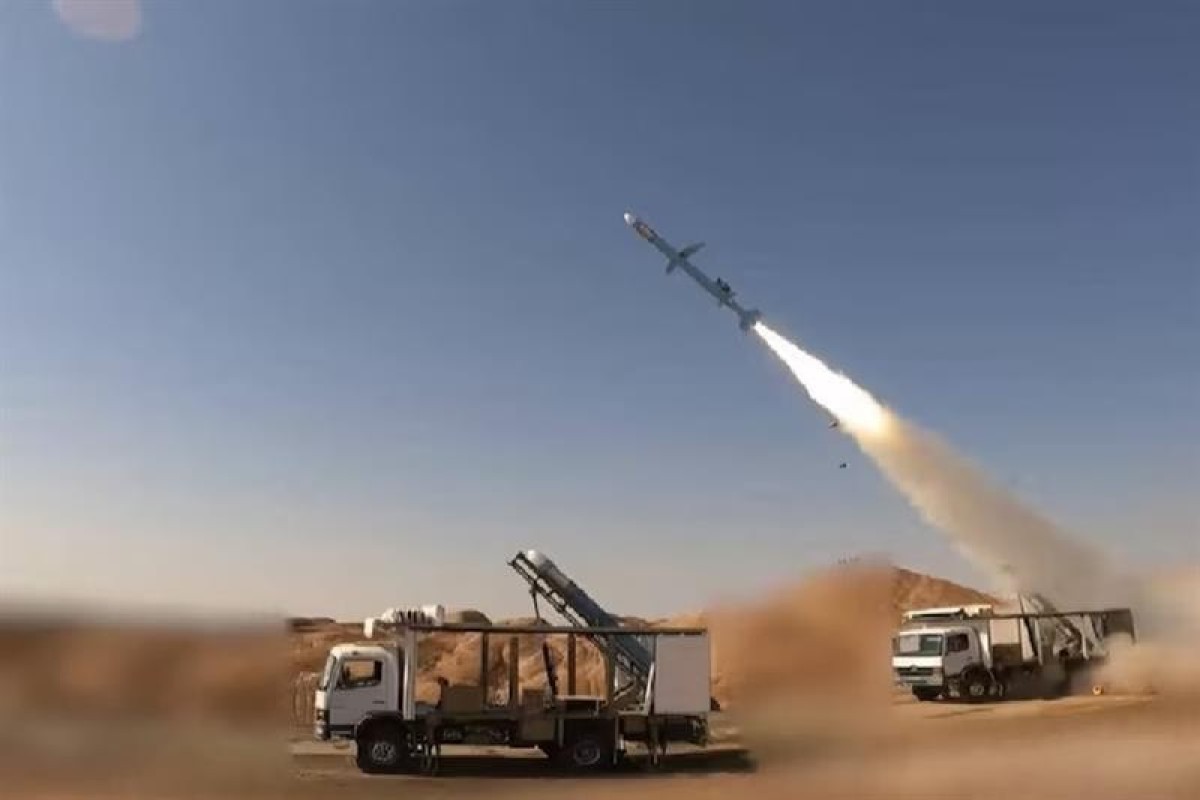
IRGC says it struck U.S. military infrastructure in Kuwait and Bahrain
09:34
28 June 2026
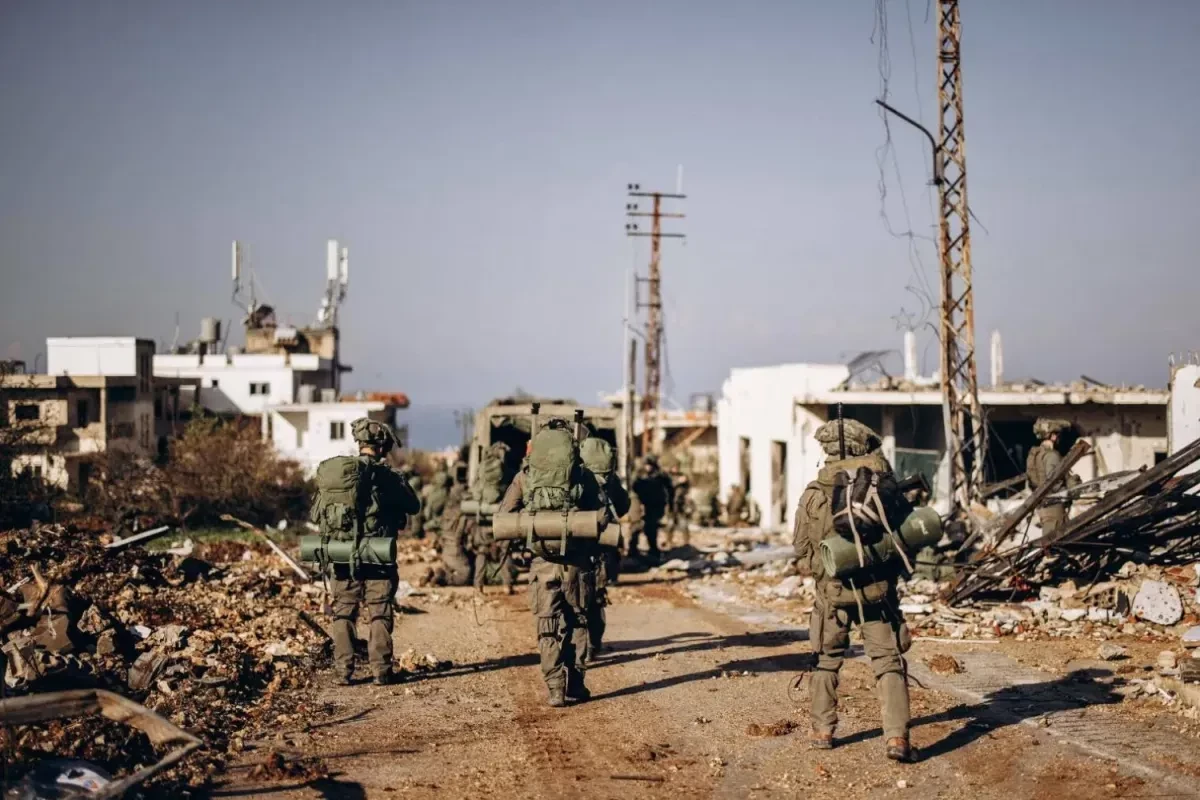
Israel will withdraw troops from two areas in southern Lebanon on June 28
01:48
28 June 2026

NEWS FEED
Mutual attacks between Iran and the US are increasing – LATEST SITUATION
17:13
28 June 2026
Israeli government unanimously votes to recognize the so-called "Armenian genocide," bill to be submitted to Knesset
15:06
28 June 2026
Another wheat shipment transits Azerbaijan from Russia to Armenia-PHOTO
13:06
28 June 2026
Venezuela quake death toll rises to 1,430
10:00
28 June 2026
IRGC says it struck U.S. military infrastructure in Kuwait and Bahrain
09:34
28 June 2026
Trump threatens more military action against Iran if strikes continue
03:52
Audio
28 June 2026
UN: Venezuela earthquake could affect more than 6.7 million people
02:44
28 June 2026
US launches more strikes against Iran
02:17
Audio
28 June 2026
Britain has zero active submarines at sea for now
02:00
28 June 2026
Israel will withdraw troops from two areas in southern Lebanon on June 28
01:48
28 June 2026
Netanyahu announces plans to form broad national government after elections
01:30
28 June 2026
Argentina cabinet chief resigns after corruption allegations
01:20
28 June 2026
Magnitude 5.4 earthquake struck Venezuela
00:56
28 June 2026
Netanyahu: Deal says Israel can keep security zone as long as needed
23:53
27 June 2026
UFC Baku: Rafael Fiziev defeats Manuel Torres in main event
23:14
Audio
27 June 2026
UFC: Abus Magomedov defeats Mikhal Oleksiychuk
21:22
27 June 2026
UFC: Farman Hasanov defeats his opponent from the United States
21:11
27 June 2026
Wheat to be shipped to Armenia via transit through Azerbaijan
19:53
27 June 2026
Jeyhun Bayramov and Hakan Fidan hold phone conversation
19:04
27 June 2026
"Caucasus Eagle 2026" exercise concludes-VIDEO
18:43
27 June 2026
Tremors jolt Delhi-NCR, Kashmir as magnitude 6.2 earthquake hits Afghanistan
18:37
27 June 2026
Tanker hit by unidentified projectile in Hormuz, British maritime agency says
16:54
27 June 2026
Russian Defense Ministry claims two Ukrainian MiG-29 fighter jets destroyed at Mykolaiv airfield
16:51
27 June 2026
Iran accuses U.S. of violating two clauses of memorandum
16:48
27 June 2026
Service chief: Lowering military conscription age limit has reduced state expenses
16:09
27 June 2026
Ukrainian MiG-29 crashes during combat mission, Air Force says, pilot ejects safely
15:25
27 June 2026
Russia and Ukraine exchange civilian detainees
14:40
27 June 2026
Baku–Nakhchivan flights cancelled due to thunderstorms
14:16
27 June 2026
One killed, 11 injured in Ukraine's attack on Volgograd
13:58
27 June 2026
Bahrain says Iranian drones targeted its territory early Saturday
13:55
27 June 2026
Zelenskyy confirms strike on military plant in Volgograd-VIDEO-UPDATED
13:42
27 June 2026
Kremlin: Putin and Lukashenko continue talks
13:38
27 June 2026
Small aircraft crash in Beijing kills one person, injures 13, local govt says
13:30
27 June 2026
Iran's Foreign Ministry reacts to U.S. airstrikes
11:31
27 June 2026
Leyla Aliyeva and Arzu Aliyeva visit "CandyFest" summer festival and watch "Magic Pearl" water circus show-PHOTO
11:24
27 June 2026
Leyla Aliyeva and Arzu Aliyeva participate in seasonal flower planting campaign on Baku Boulevard-PHOTO
11:21
27 June 2026
Leyla Aliyeva and Arzu Aliyeva attend opening and presentation ceremonies at the Seaside National Park-PHOTO
11:14
27 June 2026
Baltic states urge EU to speed up ban on Russian oil imports
11:07
27 June 2026
Seoul says Chinese, Russian military aircraft enter its air defense zone
10:51
27 June 2026
Gold and silver rise in commodity markets
10:24
27 June 2026
Natural gas falls on New York exchange
10:22
27 June 2026
Azerbaijani oil trades at $74
10:20
27 June 2026
Two police officers killed in armed attack on police checkpoint in Iran
10:15
27 June 2026
Brent oil falls by more than 4%
09:35
27 June 2026
Major global stock market indices
09:29
27 June 2026
State Department: Lebanon agreement envisages withdrawal of Israeli forces
09:24
27 June 2026
Saudi Arabia resumes oil loading in the Persian Gulf
09:20
27 June 2026
Vance: US ready to discuss memorandum disagreements with Iran
02:39
Audio
27 June 2026
IRGC says it struck US military positions in response to US airstrike on Iran
01:43
27 June 2026
France wins Group I after beating Norway 4-1
01:13
27 June 2026


