










Baku-APA. Japanese Prime Minister Yukio Hatoyama, who ended five decades of single-party rule when he swept to power in August but stumbled when he confronted the country’s longtime ally, the United States, resigned Wednesday, APA reports quoting The Washington Post.
Hatoyama quit at a meeting of leaders of the Democratic Party of Japan, becoming the fourth straight Japanese leader to leave after a year or less in office.
"Since last year’s elections, I tried to change politics in which the people of Japan would be the main characters," he said later Wednesday at a nationally broadcast news conference. But he conceded that his efforts weren’t understood. "That’s mainly because of my failings," he said.
Hatoyama ran for the premiership on a campaign platform of maintaining a more equal relationship with the United States, which still enjoys enormous support among most Japanese. His decision to challenge Washington over the details of a massive military base relocation plan on the island of Okinawa befuddled Japanese and American analysts and government officials alike.
Hatoyama also called for Japan to become more of an "Asian nation," which sparked concern in Washington that he wanted to move Japan away from its pro-U.S. stance and closer to China.
Analysts and diplomats predicted that Finance Minister Naoto Kan could succeed Hatoyama. On a trip to the United States in April, Kan laid a wreath at the Tomb of the Unknown Solder at Arlington National Cemetery -- a visit that one senior diplomat described as a "campaign stop."
Hatoyama’s resignation came just eight months after his party won an historic election ousting the Liberal Democratic Party, which had dominated Japanese politics for almost half a century.
Still, his exit was widely predicted. Public support for Hatoyama had dropped precipitously as he stumbled to handle Japan’s economy and its foreign relations -- especially its relations with the United States.
He opposed moving the Futenma U.S. Marine Corps airbase from a populated part of Okinawa to a more isolated part of the island saying that he would prefer it if the Marines left Okinawa altogether. But he never came up with a different solution. And after months of battling with the White House, the Pentagon and the State Department, during which U.S. officials, including President Obama, questioned his trustworthiness to his face, Hatoyama finally gave in two weeks ago.
In the past few days, Hatoyama’s comrades in the Democratic Party of Japan have begun to openly call for him to step down in a bid to revive the party’s fortunes. Those fortunes were weakened recently with the recent departure of a leftist party from its ruling coalition. The leftists had opposed any U.S. military presence in Okinawa.
In addition to the nervousness it created in Washington, the DPJ is facing a tricky economic situation at home. It needs to devise a way to cut Japan’s enormous public debt and at the same time figure out a way to grow the economy despite one of the fastest aging populations in the world.
Japanese premier Yukio Hatoyama resigns; fourth PM to quit within 1st year

 02 June 2010 04:56 (UTC +04:00)


 İDMAN XƏBƏR
 Follow us on Telegram
 t.me/apanewsaz
 Follow us on Instagram
 Follow us on TikTok
 Follow us on Facebook
 Follow us on X
Asia
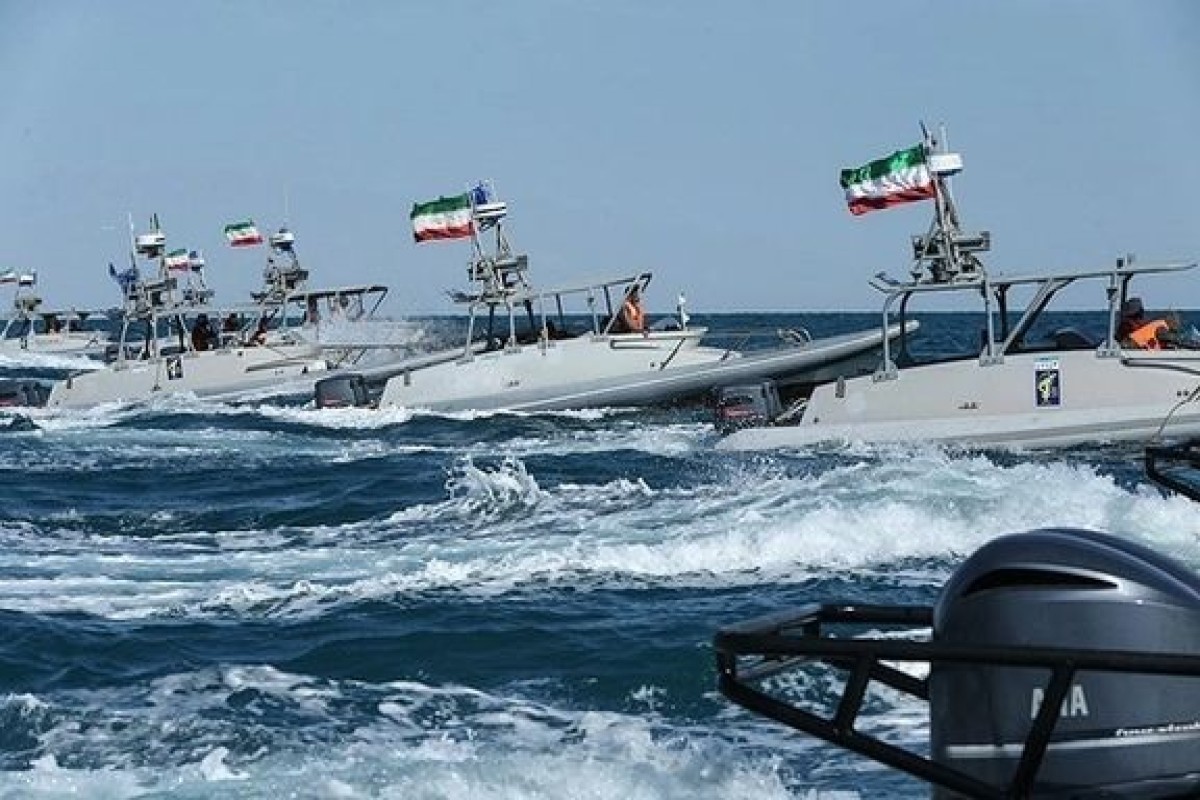
Iran warns vessels against unauthorized Hormuz routes after ship attack
01:52
 26 June 2026
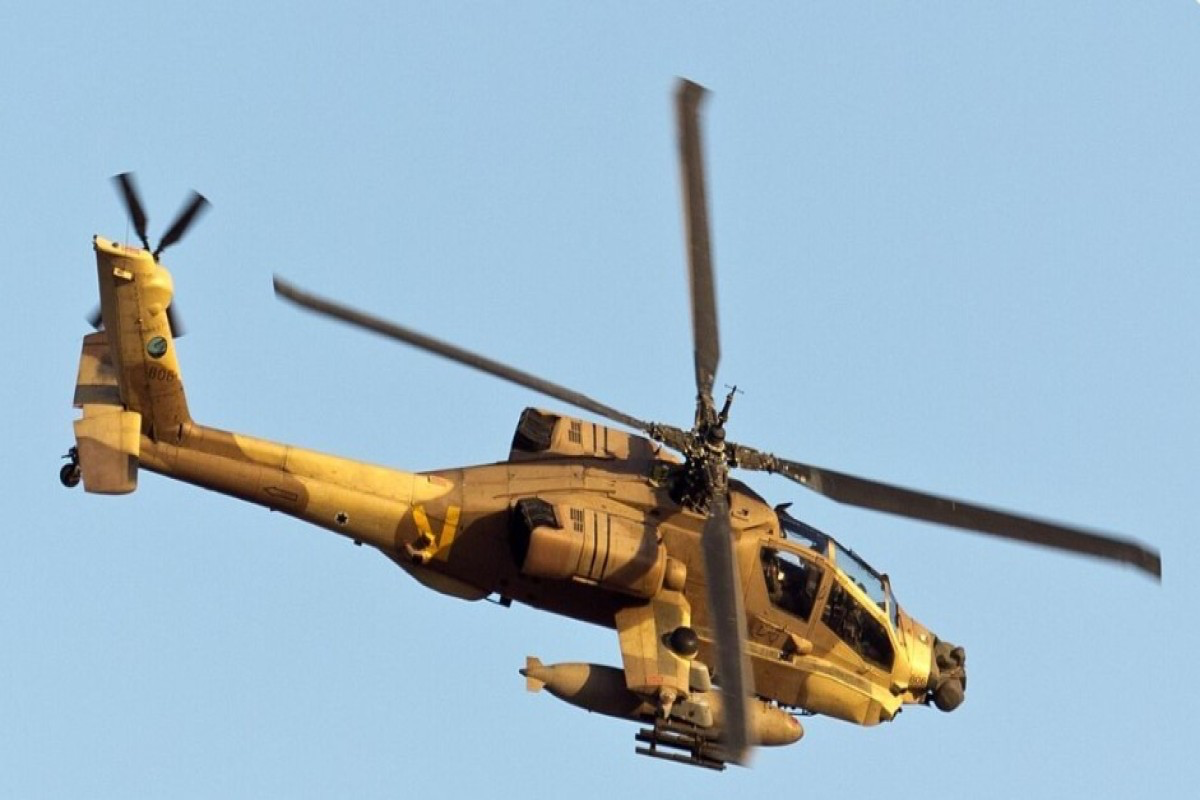
IDF helicopter carrying Israeli president makes emergency landing after bird strike
00:43
26 June 2026
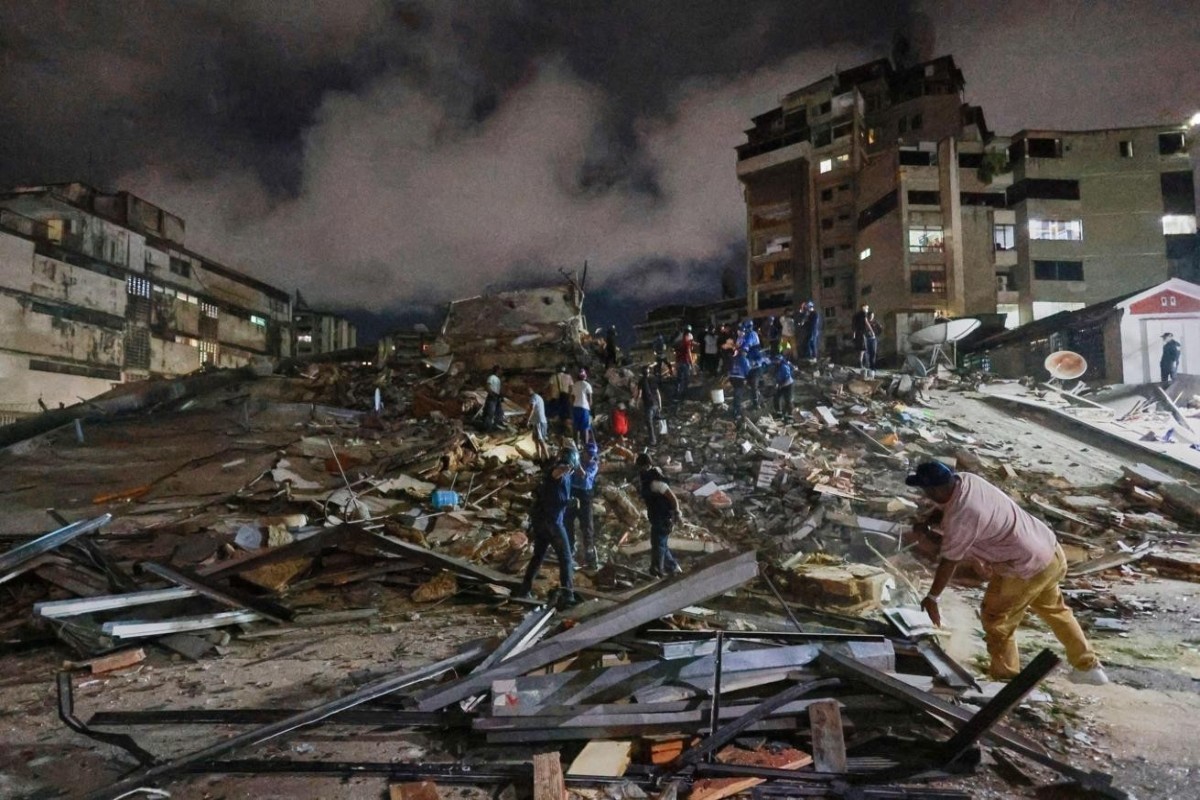
Death toll from Venezuela earthquake rises to 188 - UPDATED - 2 - VIDEO
23:18
25 June 2026
Iran, Oman stress need for coordination on Strait of Hormuz traffic in foreign minister call
16:44
25 June 2026

NEWS FEED
Ecuador advances to knockout rounds at World Cup, beating Germany 2-1
03:02
26 June 2026
Iran warns vessels against unauthorized Hormuz routes after ship attack
01:52
26 June 2026
Rutte said he wants to convince Trump of NATO's usefulness at the Ankara summit
01:23
26 June 2026
IDF helicopter carrying Israeli president makes emergency landing after bird strike
00:43
26 June 2026
First Vice-President Mehriban Aliyeva shared post on Armed Forces Day
00:25
Audio
26 June 2026
Azerbaijan marks 108th anniversary of the establishment of its Armed Forces
00:00
26 June 2026
Death toll from Venezuela earthquake rises to 188 - UPDATED - 2 - VIDEO
23:18
25 June 2026
President Ilham Aliyev’s social media accounts featured video dedicated to the Azerbaijani Army
23:05
Audio
25 June 2026
US, Gulf countries reject possibility of tariffs in Strait of Hormuz
22:38
25 June 2026
President Ilham Aliyev’s social media accounts shared post on Armed Forces Day
22:04
Audio
25 June 2026
18 wagons of gasoline and 8 wagons of diesel fuel will be sent from Azerbaijan to Armenia
21:50
25 June 2026
Zelenskyy approves 40-day influence operation to pressure Russia into ending war
21:41
Audio
25 June 2026
Telephone conversation held between Azerbaijani, Turkmen Presidents
20:37
25 June 2026
Vice-President of the Heydar Aliyev Foundation Leyla Aliyeva meets with Head of the Vatican Apostolic Library and Apostolic Archive
20:14
25 June 2026
Ziya Öztürkler praises Azerbaijan's continued support for the TRNC
19:50
25 June 2026
Apple says removal of VK apps from App Store is due to sanctions compliance
19:34
25 June 2026
Ruben Rubinyan elected as candidate for Speaker of the National Assembly of Armenia
19:26
25 June 2026
Missile alert declared in Moscow region-UPDATED
19:16
25 June 2026
Hikmat Hajiyev discusses Azerbaijan–NATO partnership with Secretary General's Special Representative
18:59
25 June 2026
Armenian Prosecutor General's Office petitions CEC to authorize criminal prosecution of Gagik Tsarukyan
18:55
25 June 2026
Venezuela's foreign minister thanks Azerbaijan for solidarity following earthquake
18:16
25 June 2026
Azerbaijan and Kazakhstan agree on full transition to electronic permit system
18:10
25 June 2026
Rubio believes no final agreements reached in Anchorage
18:10
25 June 2026
US, Iran agree in principle to establish direct military communication channel, Vance says
18:09
25 June 2026
Rubio believes no final agreements reached in Anchorage
18:03
25 June 2026
Azerbaijan Army servicemen participate in Anatolian Eagle-2026 International Exercise-VIDEO
18:01
25 June 2026
Leadership of the Ministry of Defense visits Central Clinical Hospital - PHOTO
17:52
25 June 2026
Eight Azerbaijani cities to host military marches marking Armed Forces Day
17:45
25 June 2026
Azerbaijan MFA: Existing opportunities should be used to finalize peace process with Armenia
17:30
25 June 2026
Rubio says Israel, Lebanon close to commitment of intent
17:18
25 June 2026
Lukashenko: Peoples of Belarus, Russia, and Ukraine will be together sooner or later
17:09
25 June 2026
Romanian ambassador leaves Russian Foreign Ministry without comment
17:08
25 June 2026
Rubio: Iran's support for regional proxies should be addressed in memorandum talks
17:07
25 June 2026
Azerbaijan and Ukraine discuss current cooperation agenda
17:06
25 June 2026
Azerbaijan-Israel innovation dialogue held at Shimon Peres Center - PHOTO
17:02
25 June 2026
Iran, Oman stress need for coordination on Strait of Hormuz traffic in foreign minister call
16:44
25 June 2026
Ghalibaf criticizes US over claims regarding Iran's unfrozen assets
16:43
25 June 2026
Iraqi Oil Ministry denies reports of potential OPEC exit, urges output quota reassessment-UPDATED
16:39
25 June 2026
President Ilham Aliyev signs order awarding Defense Ministry servicemen
16:31
25 June 2026
Azerbaijan's President awards fallen servicemen posthumously
16:31
25 June 2026
Military Institute named after Heydar Aliyev holds another graduation ceremony - PHOTO - VIDEO
16:26
25 June 2026
Azerbaijan establishes "Intellectual Customs" information system
16:24
25 June 2026
President Ilham Aliyev awards major general rank to five Defense Ministry servicemen
16:23
25 June 2026
Ashura blood donation campaign concludes in Azerbaijan, 1,269.45 liters of blood collected -PHOTO-UPDATED-1
16:21
25 June 2026
Rubio: No Gulf country supports charging fees for passage through the Strait of Hormuz
16:14
25 June 2026
Hikmat Hajiyev, Macron's adviser review state of Azerbaijan-France relations
16:10
25 June 2026
Azerbaijani cadet awarded Italy's "Sword of Honor"
16:00
25 June 2026
Azerbaijan establishes budget-funded organizations based on several public legal entities - DECREE
16:00
25 June 2026
Defense minister: Azerbaijani Armed Forces are among the strongest militaries in the region
15:56
25 June 2026
US sends search and rescue teams to Venezuela after deadly earthquake
15:55
25 June 2026


