










Baku – APA. Iran’s effort to revive talks on a deal that would inhibit the country’s ability to make a nuclear weapon was met with skepticism by world leaders Wednesday, a reaction to months of waffling by Tehran, APA reports quoting Associated Press.
Iranian President Mahmoud Ahmadinejad’s suggestion that he would at last agree to export a significant amount of uranium for processing comes as the U.N. considers a fourth round of sanctions against the country for failing to rein in their nuclear program. The timing raises suspicions that Iran is just trying to buy time.
Iran now possesses more than enough enriched uranium for at least one nuclear warhead and the U.N. Security Council has demanded the Islamic Republic freeze its enrichment program. An agreement worked out by the International Atomic Energy Agency would delay Tehran’s ability to make such a weapon by requiring the country to export 70 percent of its uranium stock and then wait for up to a year for it to be processed and returned as fuel rods for a research reactor.
Ahmadinejad stopped short of accepting the agreement in its entirety, offering a shorter turnaround time for return of the fuel rods. Iranian Foreign Minister Manouchehr Mottaki described it as a "formula which could build confidence."
Western reaction to the plan was cautious, at best. French Foreign Minister Bernard Kouchner said he was "perplexed," suggesting Iran was stalling for time. Officials from the U.S., Britain and Germany were also skeptical.
The announcement came amid other mixed signals by Iran, which on Wednesday launched a menagerie — including a mouse, two turtles and worms — into space on a research rocket.
The Iranian space program has worried Western powers, which fear the same technology used to launch satellites and research capsules could also be used to build long-range missiles and deliver warheads. Ahmadinejad said the launch showed Iran could defeat the West in the battle of technology.
"The launch was clearly part of Iran’s effort to advance military technology and assert political dominance in space," said James Lewis senior fellow at the Washington-based Center for Strategic and International Studies. "It’s also a show of confidence. Space rockets give you prestige and influence, and that is what Iran seeks."
Questions were also raised about Ahmadinejad’s statement Tuesday that the U.S. and Tehran were discussing a swap of three American hikers being held in Tehran for Iranians in U.S. prisons. U.S. Secretary of State Hillary Rodham Clinton on Wednesday denied there were any such negotiations and ruled out the suggested swap. Clinton said that the hikers and other Americans jailed in Iran should be released immediately on humanitarian grounds because there is no basis for their continued detention.
On the nuclear front, it was unclear what Ahmadinejad was willing to concede when it comes to the plan, which has been endorsed by the U.S., Russia, China, Britain, France and Germany.
For months, Iranian officials have said they were not prepared to export the bulk of their stockpile. The comments by Ahmadinejad — that Iran will have "no problem" in shipping the uranium out and taking it back in its new form several months later — thus were potentially significant.
His time frame of four or five months, however, appeared to fall short of the year that Western officials say it would take for Iran’s enriched fuel to be turned into fuel rods.
If that difference cannot be bridged, it could allow Iranian officials to assert that the deal failed due to Western foot-dragging, despite their readiness to accept the basics of the proposed formula.
Ahmadinejad also did not address whether his country was ready to ship out most of its stockpile in one batch — another key condition.
Experts believe Tehran would need at least a year to replenish its stockpile at its present rate of uranium enrichment. Incremental exports of smaller amounts — as previously proposed by Iran — could allow it to replenish its stock through its own program, providing enough material for a warhead.
Iran’s past record of playing for time during nuclear negotiations also feeds skepticism.
World powers emerged from nuclear talks in September, their first with Iran in over a year, ebullient about what they said was Tehran’s tentative acceptance of the fuel swap plan.
Tehran subsequently balked and began offering unacceptable alternatives.
It also kept the IAEA waiting for an answer until a few weeks ago, when diplomats told The Associated Press that it delivered a rejection of the proposal to Director General Yukiya Amano.
On Wednesday, a senior official from one of the countries backing the agreement, told The Associated Press that the agency had not been informed of any change in the Iranian position. The official spoke on condition of anonymity because his information was confidential.
Without formal notification, Ahmadinejad’s comments could be construed as a ploy to create backing for Iran’s position.
U.S. State Department spokesman Gordon Duguid suggested the Iranians should simply agree to the original deal.
"It is on the table and all the Iranians need to do is tell the IAEA that they are prepared to take it," he told reporters in Washington.
Britain’s Foreign Office challenged Tehran to formalize any acceptance of the original plan with the IAEA — a view echoed by German Chancellor Angela Merkel.
"We will measure Iran by its actions," Merkel said.
Iran’s moves appeared timed in part to defuse pressure by the U.S., Britain and France for more sanctions against Iran. U.N. Security Council members China and Russia are not convinced. Those five council members and Germany were planning a video teleconference to discuss the new sanctions, a U.S. official told the AP. He also asked for anonymity for divulging confidential information.
Unlike the West, Chinese Foreign Minister Yang Jieche avoided criticizing Tehran Wednesday, stressing instead the need to continue negotiations with Tehran with the aim of a quick diplomatic solution.
"We want a consensus as soon as possible," he said.


 Follow us on Telegram
 t.me/apanewsaz
 Follow us on Instagram
 Follow us on TikTok
 Follow us on Facebook
 Follow us on X
Asia
Araghchi discusses US talks with Saudi foreign minister
 19:50
19:50
 24 June 2026
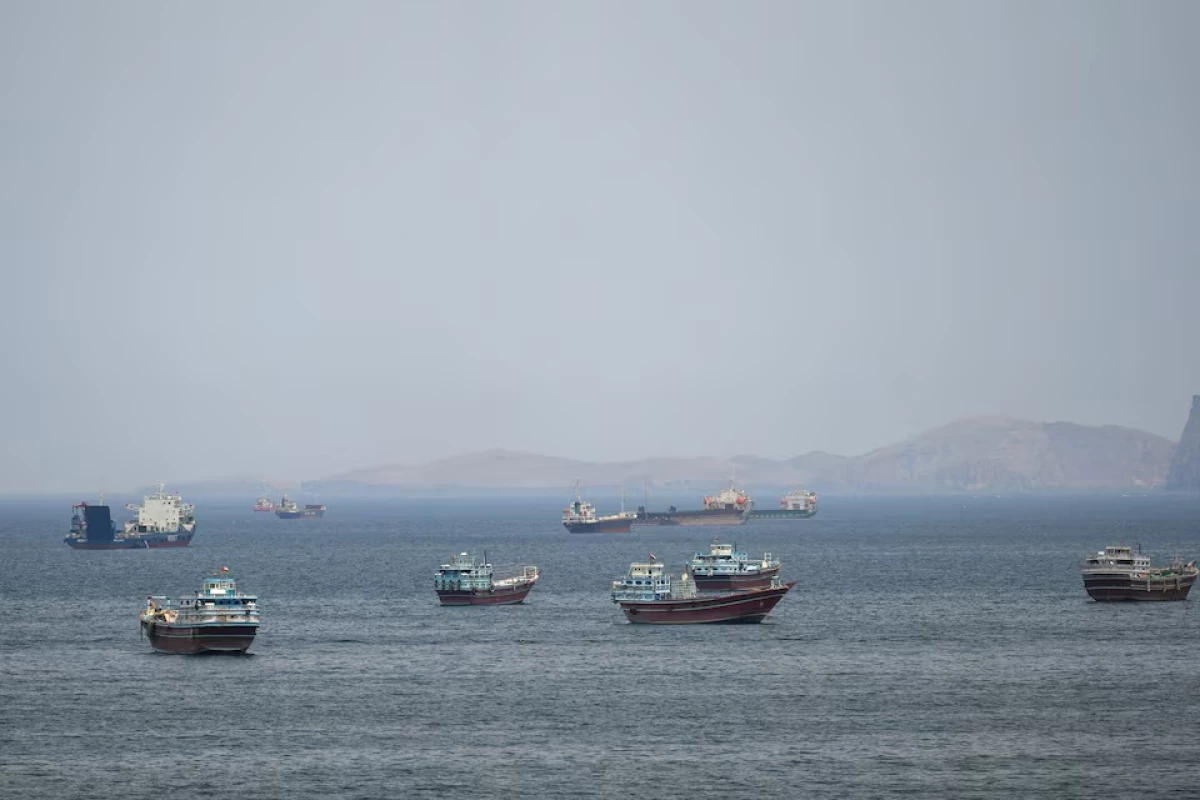
Ships start sailing through Hormuz under UN evacuation scheme, agency says
18:41
24 June 2026
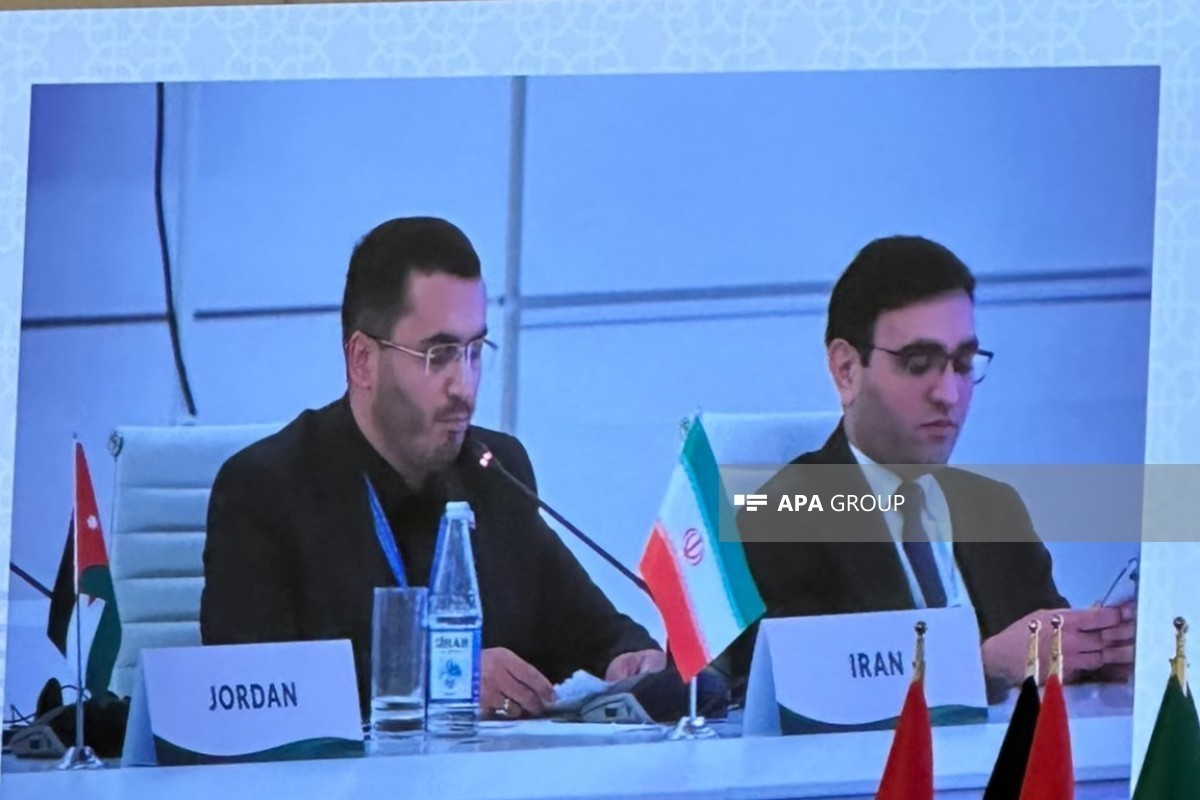
Exchange of accusations erupts between Iranian and Yemeni representatives
18:13
24 June 2026
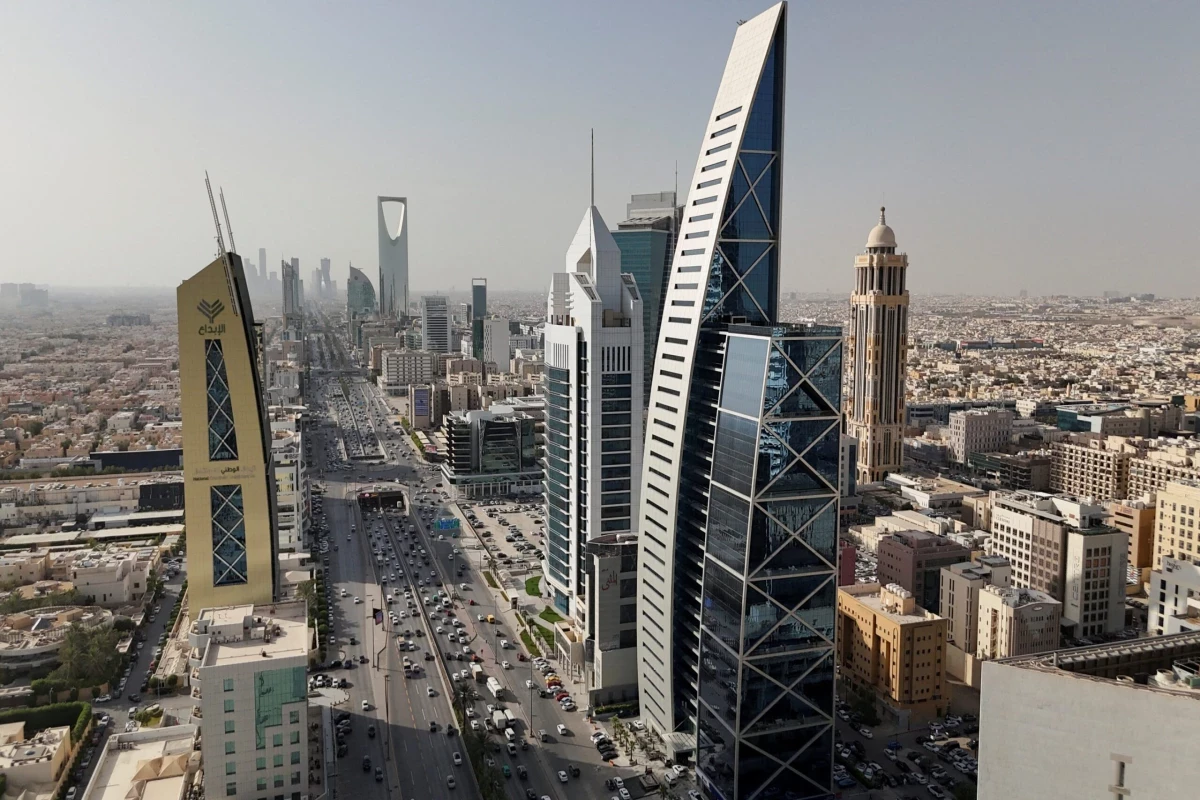
Iran-Gulf reconciliation talks expected to be held in Saudi Arabia, diplomat says
16:59
24 June 2026

NEWS FEED
Rubio: Upcoming technical talks with Iran will be at expert level, start June 30
21:29
24 June 2026
Araghchi discusses US talks with Saudi foreign minister
19:50
24 June 2026
Ghalibaf: Azerbaijan-Iran relations have seen greater development over the past year
19:37
24 June 2026
Sahiba Gafarova meets Speaker of Iran's Parliament
19:34
24 June 2026
Meeting held with delegation from Pakistan National Defense University
19:10
24 June 2026
Ships start sailing through Hormuz under UN evacuation scheme, agency says
18:41
24 June 2026
Iraqi President congratulates Azerbaijani leader on Independence Day
18:37
24 June 2026
Speakers of Azerbaijani and Turkish parliaments meet, stress importance of Azerbaijan-Türkiye strategic alliance - UPDATED
18:22
24 June 2026
Ebola outbreak is still outpacing response, WHO's Tedros says
18:20
24 June 2026
Helicopter crashes in Russia's Krasnodar region
18:18
24 June 2026
Exchange of accusations erupts between Iranian and Yemeni representatives
18:13
24 June 2026
Azerbaijan’s Prime Minister meets with Speaker of Türkiye’s Grand National Assembly
18:06
24 June 2026
Azerbaijani MFA: France continues to pursue outdated and one-sided political approaches
18:05
24 June 2026
Ghalibaf: Iran learned who its friends and enemies were during the war, Azerbaijan stood by Iran
18:04
24 June 2026
CENTCOM airstrike in Syria kills senior ISIS leader
18:00
24 June 2026
Azerbaijan Railways showcases Azerbaijan’s transit and logistics potential at Transport Logistic China 2026
17:55
24 June 2026
President Ilham Aliyev received delegation led by Speaker of Iran’s Islamic Consultative Assembly
17:50
24 June 2026
Drone attempting to violate Azerbaijan’s border neutralized - PHOTO
17:27
24 June 2026
Azerbaijan extradites internationally wanted individual to Kyrgyzstan
17:11
24 June 2026
Iran-Gulf reconciliation talks expected to be held in Saudi Arabia, diplomat says
16:59
24 June 2026
Jeyhun Bayramov travels to Poland to attend Ukraine Recovery Conference
16:41
24 June 2026
Israel, Lebanon discussing pilot scheme for handover of territory
16:37
24 June 2026
Ukraine returns sailors from ship detained by Iranian security forces
16:29
24 June 2026
Erdoğan says one-on-one meeting with Trump likely at NATO Summit
16:23
24 June 2026
Trump: Negotiations will end immediately if Iran charges ships passing through the Strait of Hormuz
15:54
24 June 2026
Azerbaijan assumes chairmanship of the Parliamentary Union of OIC member states - UPDATED
15:24
24 June 2026
AZAL’s first Airbus A321neo delivered in Hamburg - PHOTO
15:23
24 June 2026
AZAL: New Airbus A321neo can be safely operated on any route - VIDEO
15:20
24 June 2026
Iran says access to attacked nuclear sites depends on final US deal
15:14
24 June 2026
Katz vows IDF won’t withdraw from south Lebanon ‘even if there’s an American demand’
15:02
24 June 2026
Media representatives visit Airbus production facility in Hamburg - PHOTO
14:50
24 June 2026
President Ilham Aliyev received delegation led by Speaker of Grand National Assembly of Türkiye
14:49
24 June 2026
Azerbaijan's insurance market grows by nearly 2% this year
14:39
24 June 2026
Erdoğan: Israel has been doing everything it can for 10 days to undermine a US-Iran agreement
14:39
24 June 2026
Lavrov: Diplomatic solution to Ukraine crisis remains possible
14:37
24 June 2026
France confirms first Ebola case in doctor returning from DR Congo mission
14:04
24 June 2026
Tehran's Mehrabad Airport to close due to Ali Khamenei's funeral ceremonies
13:52
24 June 2026
Ukraine hits two airfields and air defence systems in Crimea, including Pantsir-S1 units
13:51
24 June 2026
Drones strike major Russian gas processing plant 1,500 km from Ukraine
13:40
24 June 2026
Azercell and Samsung launch a new campaign
13:29
24 June 2026
Presidential aide: Main goal in cotton farming by 2030 is to increase average yield to 50 centners per hectare
13:27
24 June 2026
Peskov: Armenia is currently choosing its path of development
13:20
24 June 2026
AZAL: Today's Baku-Nakhchivan-Baku flights cancelled
13:09
24 June 2026
Central Bank of Azerbaijan preparing amendments to compulsory insurance regulations
13:02
24 June 2026
Azerbaijan extends special quarantine regime until October 1, 2026
12:57
24 June 2026
Sabirabad executive authority head: State Program will strengthen food security and non-oil sector growth
12:53
24 June 2026
Conference dedicated to Azerbaijan's position as a middle power held - PHOTO
12:45
24 June 2026
Azerbaijan's social reform achievements presented at UN Forum
12:43
24 June 2026
Numan Kurtulmuş: PUIC chairmanship passing to Azerbaijan is extremely important for us
12:43
24 June 2026
Azerbaijani President: We have always felt the consistent support of the OIC
12:20
24 June 2026


