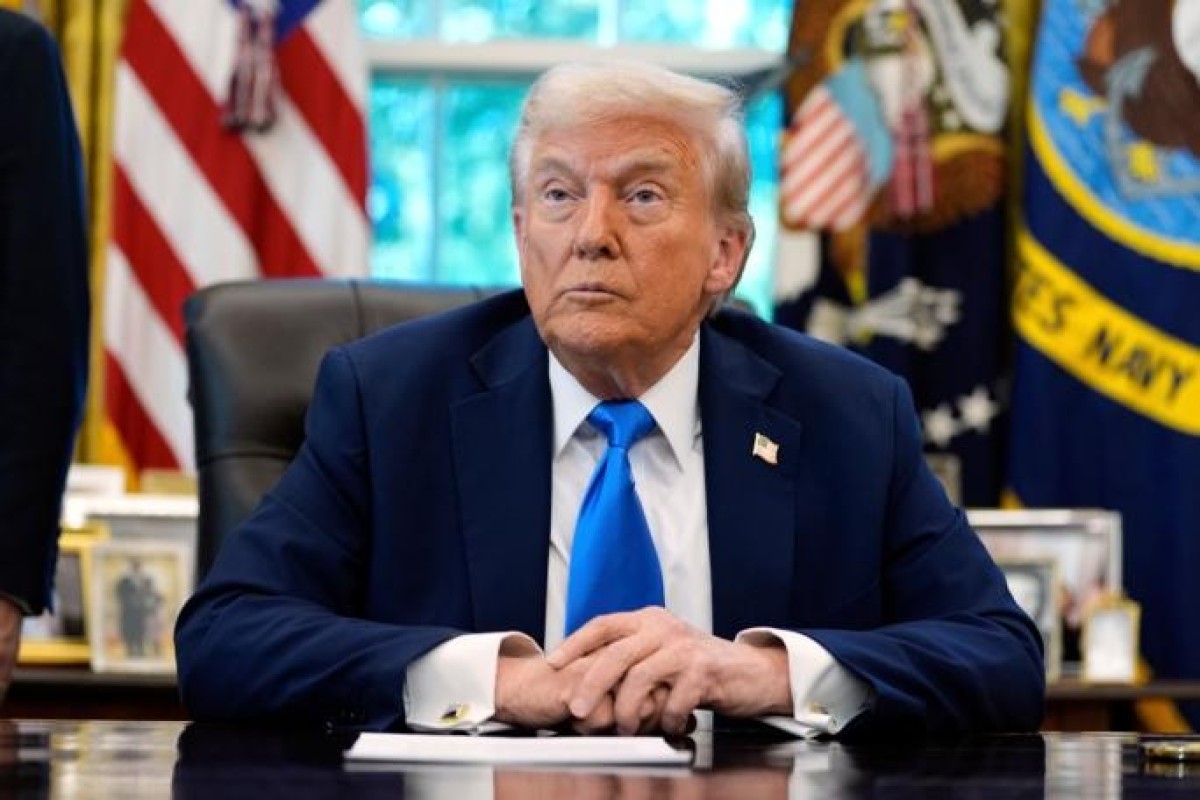
"This is a moment where it is better to be safe than sorry,” said Ryan.
“We think the prudent, the responsible thing is to take a pause in this particular aspect of this refugee program in order to verify that terrorists are not trying to infiltrate the refugee population," he added.
Ryan’s remarks came amid mounting pressure from Republican lawmakers in the House of Representatives to halt the government program to accept resettled Syrian refugees in response to the Paris attacks in which a militant posing as a refugee has been implicated.
Ryan said a task force would being to explore ways for Congress to address the refugee crisis and the fight the Daesh militant group.
Since Friday, at least 27 governors, mostly Republican, vowed to bar Syrian refugees from entering their states.
Joining the ban are governors of Alabama, Arkansas, Arizona, Florida, Georgia, Idaho, Illinois, Indiana, Iowa, Kansas, Louisiana, Maine, Massachusetts, Michigan, Mississippi, Nebraska, New Hampshire, New Jersey, Nevada, New Mexico, North Carolina, Ohio, Oklahoma, South Carolina, Tennessee, Texas and Wisconsin.
Republican presidential candidate and New Jersey Gov. Chris Christie went as far as to say that the U.S. should not admit any refugees – not even “orphans under age five”.
"I do not trust this administration to effectively vet the people who are supposed to be coming in in order to protect the safety and security of the American people, so I would not permit them in," he told a radio show.
Human Rights Watch warned that the vow by the governors amount to “fearmongering” and would "tarnish the country’s reputation as a place where resettled refugees can find safety”.
“Resettled refugees from Syria have fled persecution and violence, and undergone rigorous security screening by the US government,” said Alison Parker, a U.S. expert at the rights watchdog.
“The governors’ announcements amount to fear-mongering attempts to block Syrians from joining the generous religious groups and communities who step forward to welcome them,” she added.
A State Department spokesman said it was unclear whether the bans were legal.
"Whether they can legally do that, I don't have an answer for you," Mark Toner said Monday. "I don't. I think our lawyers are looking at that."
President Barack Obama announced in September that he planned to accept at least 10,000 Syrian refuges by the end of October 2016.
More than 4 million Syrians have fled the country since a civil war began there in 2011, according to UN figures.
Neighboring Turkey, which shares a 900-kilometer (560-mile) border with Syria, is now the largest refugee-hosting country in the world with more than 2 million Syrian refugees on its soil.
The U.S. ranks fourteenth worldwide in the number of refugees it hosted in 2014, according to the UN refugee agency.


 Follow us on Telegram
 t.me/apanewsaz
 Follow us on Instagram
 Follow us on TikTok
 Follow us on Facebook
 Follow us on X