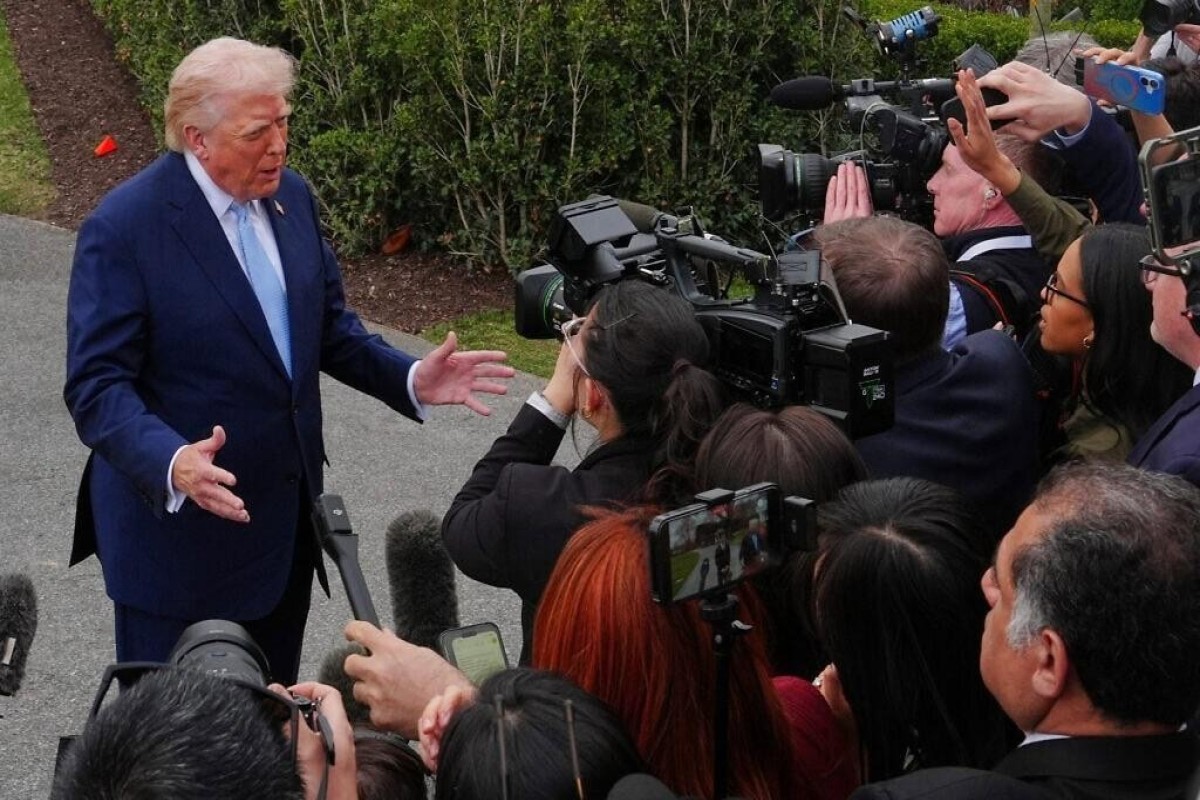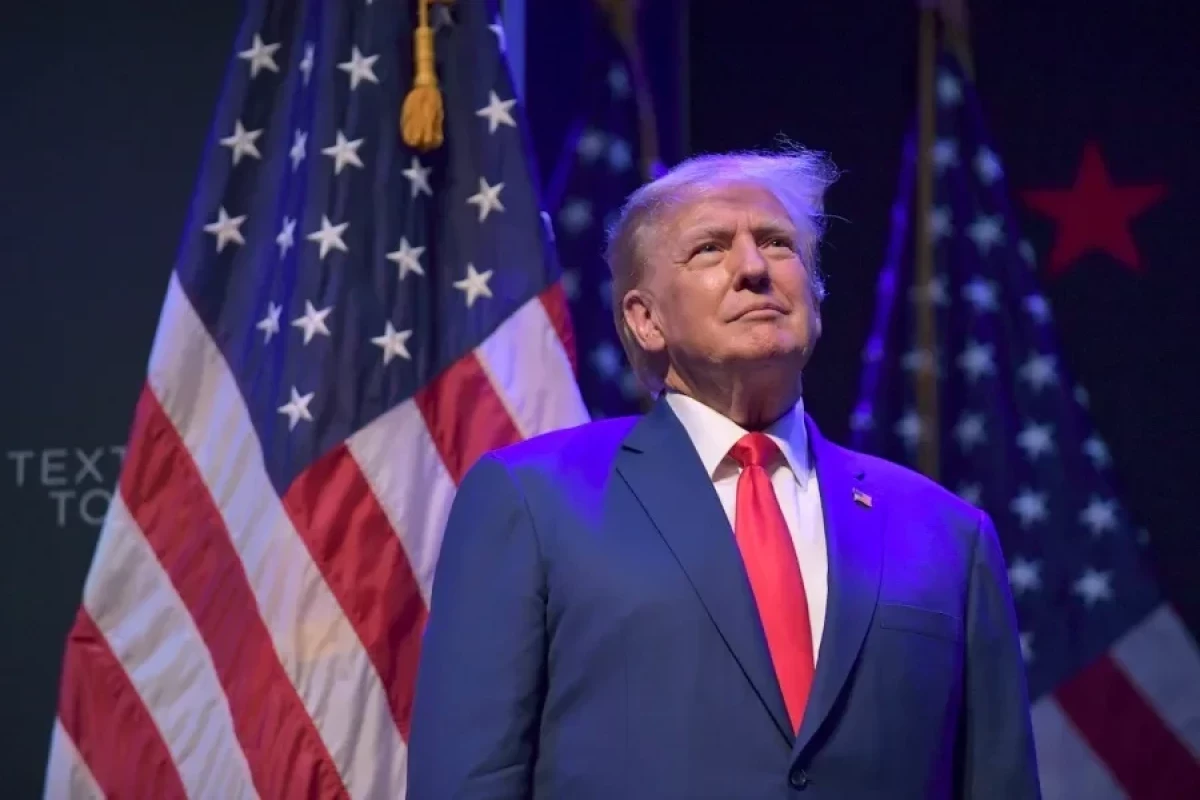


U.S President Donald Trump used a Thursday primetime address to announce the release of dozens of declassified documents, U.S. media reports.
He claimed the files, which are heavily redacted, prove flaws in the U.S. voting system and foreign interference in the 2020 election.
One set of the released documents focused on what Trump called "vulnerabilities" in U.S. election infrastructure.
"We assess that centralized election-related data repositories, such as voter registration databases, poll books, and other official election websites, are most vulnerable to exploitation and adversaries," Trump said. "This is a cyber threat aimed at the very heart of our democracy."
Another set of documents centered on allegations against China. Trump claimed the country accessed millions of U.S. voter records, including phone numbers and political party preferences.
"Over a period of years starting during the 2020 election cycle, the People's Republic of China carried out what is believed to be the largest compromise of election data in history resulting in China's illicit acquisition of 220 million U.S. voter files," Trump said. "This data loss presents an unprecedented election security nightmare."
During his address, the president also released information about a voter registration investigation in Michigan and claimed that 28,000 non-citizens were registered to vote in some states. Trump ordered the Department of Homeland Security to notify states about non-citizens on voter rolls and to remove ineligible voters immediately, though some states do allow non-citizens to vote in local, not federal, elections.
Trump also used the address to advocate for his proposed election security legislation, the Save America Act, which would require proof of U.S. citizenship to register to vote and an ID to cast a ballot.
The bill currently lacks the 60 votes needed to pass in the Senate, and would need bipartisan support. House Speaker Mike Johnson has suggested using the budget reconciliation process to pass the bill along party lines, but some Republicans have expressed doubts about that strategy.


 Follow us on Telegram
 t.me/apanewsaz
 Follow us on Instagram
 Follow us on TikTok
 Follow us on Facebook
 Follow us on X