










Baku – APA. Behind the headlines of the Mexican offensive against the drug cartels, there is a Mexico-U.S. relationship that is equal measures success and skepticism, leaked state department documents show, APA reports quoting CNN.
The documents, made public through the WikiLeaks website, show that the United States has doubts about the way Mexican President Felipe Calderon’s government is carrying out the fight against the drug gangs.
The United States provides intelligence and aid to the Mexican effort, but in the same breath lacks confidence in the way the Mexican army is operating, the documents show.
"Mexican security institutions are often locked in a zero-sum competition in which one agency’s success is viewed as another’s failure, information is closely guarded, and joint operations are all but unheard of," a January 2010 cable from the U.S. Embassy in Mexico states.
The U.S. assessment is that "official corruption is widespread," and it points out that only 2% of those detained are brought to trial. In Ciudad Juarez, a flash point in the war, only 2% of those arrested have been charged with a crime, it says.
Mexico’s government did not respond to specific allegations, but sharply criticized the leaked documents in a statement released late Thursday, describing their disclosure as "illegal" and noting that they could pose a "serious challenge" to diplomatic relations.
"The set of leaked documents and especially their contents are incomplete and inaccurate, reflecting a selection and a vision whose criteria are unknown," the statement from Mexico’s foreign ministry said. "The leaked documents respond to specific events or times with no narrative context, which prevents proper evaluation and weighing of their relative importance."
Since taking office in 2006, Calderon has made the fight against the cartels the cornerstone of his administration, a decision that has come at a price. More than 28,000 people have been killed in drug-related violence since then, as rival cartels fight for lucrative smuggling routes, and as security forces and drug hit men clash.
The U.S., the consumer nation where the drugs are headed to, has pledged help to Mexico through agreements such as the Merida Initiative, which promises equipment, money and training.
As 2010 comes to a close, the violence and the drug traffic continue unabated.
Mexico’s "inability to halt the escalating numbers of narco-related homicides in places like Ciudad Juarez and elsewhere...has become one of Calderon’s principal political liabilities as the general public has grown more concerned about citizen security," the cable states.
The U.S. is particularly concerned with the effectiveness of the Mexican army, the leaked documents show.
For instance, the army was in charge of security in Juarez. After an initial success, the killings rose again, and the army handed its command over to the federal police earlier this year.
The U.S. state department viewed the Juarez experiment with the army in charge as a failure. The soldiers were not trained in law enforcement and cannot introduce evidence into the judicial system. As a result, the cable notes, there were more arrests, but no increase in prosecutions.
The United States was concerned that the criticism would make the army more risk-averse, and the embassy suggested to a U.S. delegation heading to Mexico that they should convince the army not to look back, the document shows.
"The challenge you face ... is to convince them that modernization and not withdrawal are the way forward, and that transparency and accountability are fundamental to modernization," the cable states.
The embassy also suggests that the United States can help Mexico with institutional improvements, "including greater attention to human rights and broader regional participation"
According to the cable, the U.S. was influential in the decision to pull the army back in Juarez.
A second cable, from December 2009, also shows an American hand in one of Mexico’s biggest successes -- the killing of drug lord Arturo Beltran Leyva. The Mexican navy conducted the operation based on U.S. intelligence, the document says.
"The unit that conducted the operation had received extensive U.S. training," the cable states.
But the navy’s success once again put the army in the U.S. crosshairs.
"(The navy’s) success puts the Army in the difficult position of explaining why it has been reluctant to act on good intelligence and conduct operations against high-level targets," the document says.
At the same time, the January cable praised Mexican efforts.
There is "unprecedented commitment" from Mexico to focus not just on high-value targets, but on social and economic conditions that the cartels thrive in.
And Mexico, too, asks for help.
A third cable retells of a meeting between U.S. and Mexican officials where Mexico asked for greater intelligence sharing and more technology for intelligence gathering, as opposed to U.S. loaners.
In another communication with Washington, the U.S. Embassy was concerned about Mexican Defense Secretary Guillermo Galvan’s idea to declare a state of exception in parts of the country in order to provide further legal justification for using the military in domestic anti-drug operations.
"Our analysis suggests that the legal benefits in invoking a state of exception are uncertain at best, and the political costs appear high," the cable states.
The document noted that the minister of the interior believed that a court decision already gave the military the justification it needed to operate. To date, the Calderon government has not resorted to using the state of exception.
In a cable back from Washington, the State Department asks for its embassy in Mexico to probe deeper into Calderon’s personality and how he was handling the stress from the drug war, economic woes and midterm election losses.
While its statement did not respond to specific points raised in the cables, Mexico’s foreign ministry appeared to go on the offensive Thursday night.
"Some of the reports that have been revealed include a subjective emphasis on the part of the person writing it which is considered in the interest of his superiors," the statement said, noting that the documents reflect "some deplorable practices with regards to the respect that should prevail between nations that collaborate toward common objectives."
The statement said Mexico’s government strongly condemned the disclosure of the confidential documents.
"Mexico’s government considers that for the majority of the world’s countries, these leaks are a serious challenge to the constructive and harmonious conduct of diplomatic activities and of international relations as a whole," it said.


 Follow us on Telegram
 t.me/apanewsaz
 Follow us on Instagram
 Follow us on TikTok
 Follow us on Facebook
 Follow us on X
Americas
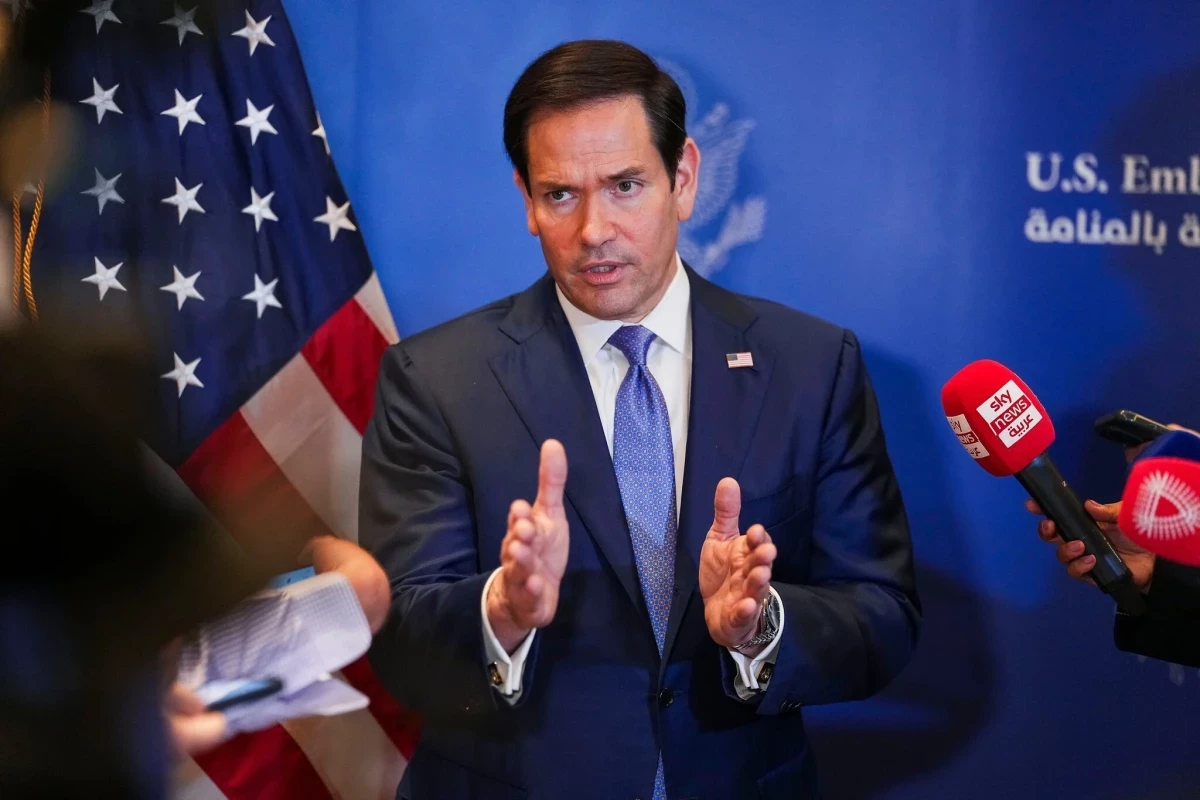
Rubio believes no final agreements reached in Anchorage
 18:10
18:10
 25 June 2026
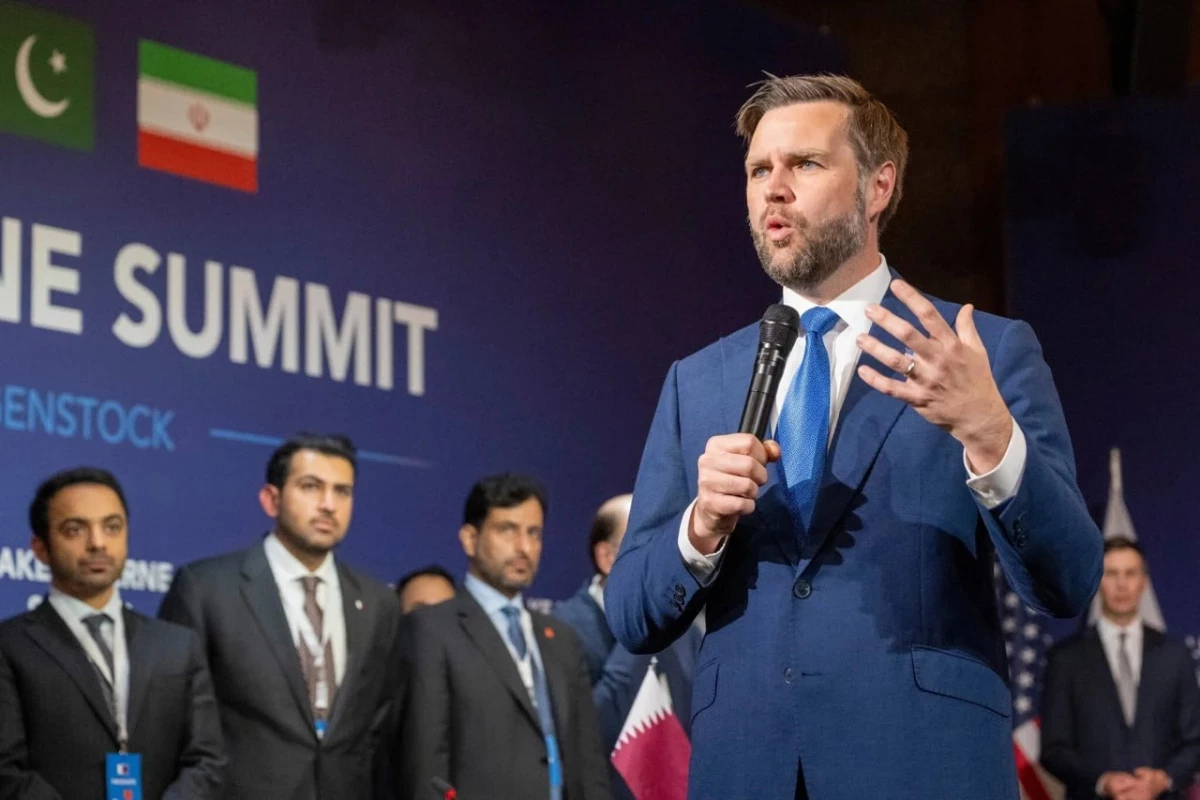
US, Iran agree in principle to establish direct military communication channel, Vance says
18:09
25 June 2026
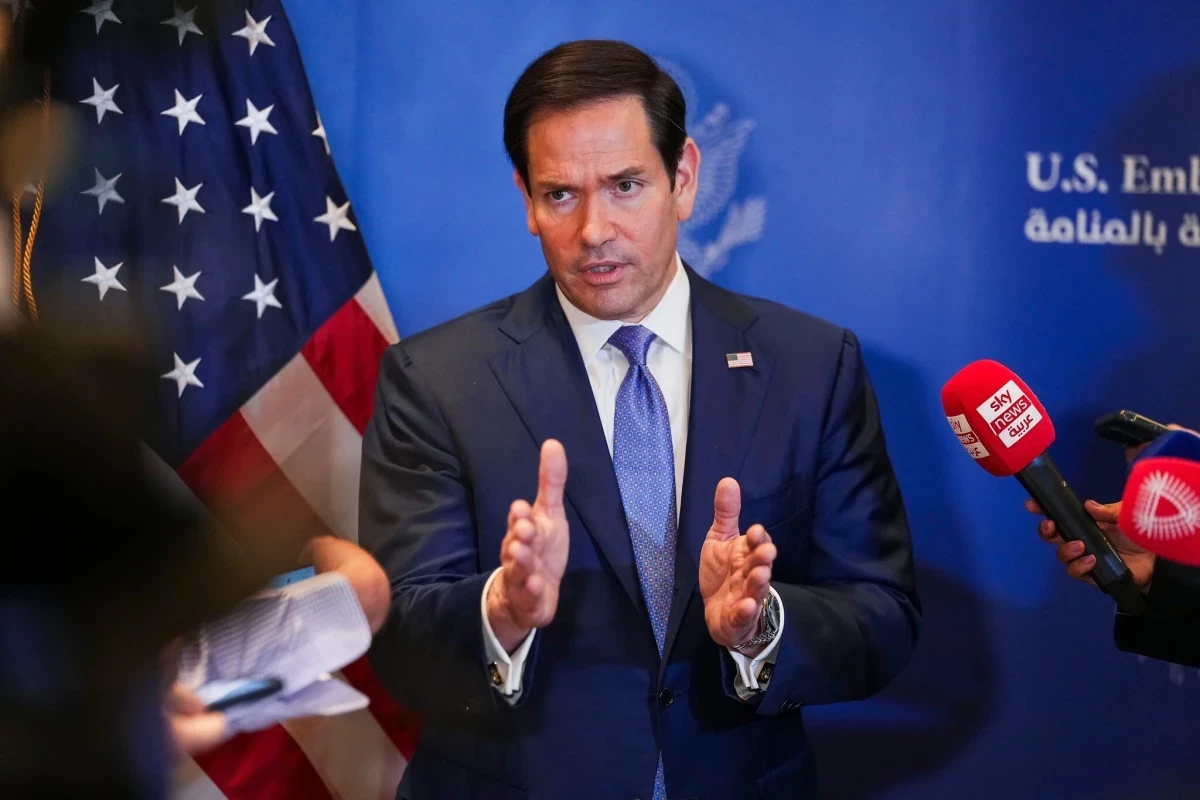
Rubio believes no final agreements reached in Anchorage
18:03
25 June 2026
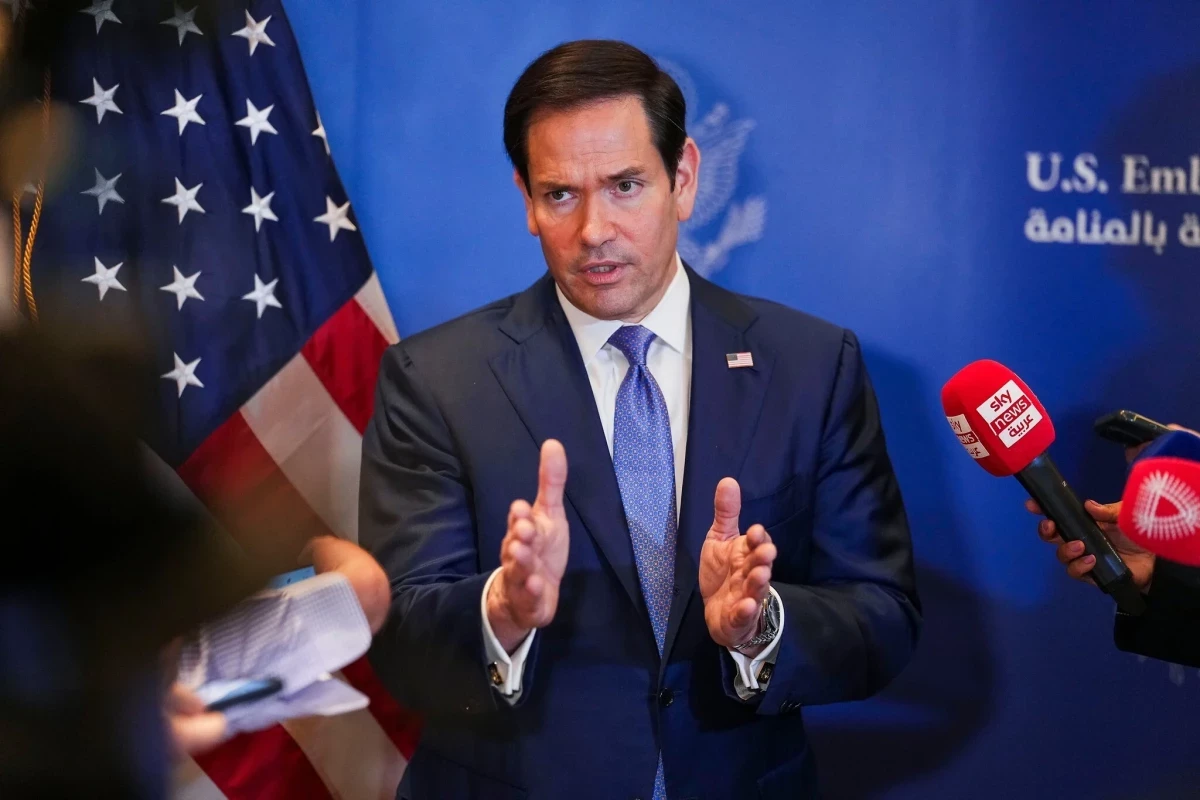
Rubio says Israel, Lebanon close to commitment of intent
17:18
25 June 2026

NEWS FEED
Ecuador advances to knockout rounds at World Cup, beating Germany 2-1
03:02
26 June 2026
Iran warns vessels against unauthorized Hormuz routes after ship attack
01:52
26 June 2026
Rutte said he wants to convince Trump of NATO's usefulness at the Ankara summit
01:23
26 June 2026
IDF helicopter carrying Israeli president makes emergency landing after bird strike
00:43
26 June 2026
First Vice-President Mehriban Aliyeva shared post on Armed Forces Day
00:25
Audio
26 June 2026
Azerbaijan marks 108th anniversary of the establishment of its Armed Forces
00:00
26 June 2026
Death toll from Venezuela earthquake rises to 188 - UPDATED - 2 - VIDEO
23:18
25 June 2026
President Ilham Aliyev’s social media accounts featured video dedicated to the Azerbaijani Army
23:05
Audio
25 June 2026
US, Gulf countries reject possibility of tariffs in Strait of Hormuz
22:38
25 June 2026
President Ilham Aliyev’s social media accounts shared post on Armed Forces Day
22:04
Audio
25 June 2026
18 wagons of gasoline and 8 wagons of diesel fuel will be sent from Azerbaijan to Armenia
21:50
25 June 2026
Zelenskyy approves 40-day influence operation to pressure Russia into ending war
21:41
Audio
25 June 2026
Telephone conversation held between Azerbaijani, Turkmen Presidents
20:37
25 June 2026
Vice-President of the Heydar Aliyev Foundation Leyla Aliyeva meets with Head of the Vatican Apostolic Library and Apostolic Archive
20:14
25 June 2026
Ziya Öztürkler praises Azerbaijan's continued support for the TRNC
19:50
25 June 2026
Apple says removal of VK apps from App Store is due to sanctions compliance
19:34
25 June 2026
Ruben Rubinyan elected as candidate for Speaker of the National Assembly of Armenia
19:26
25 June 2026
Missile alert declared in Moscow region-UPDATED
19:16
25 June 2026
Hikmat Hajiyev discusses Azerbaijan–NATO partnership with Secretary General's Special Representative
18:59
25 June 2026
Armenian Prosecutor General's Office petitions CEC to authorize criminal prosecution of Gagik Tsarukyan
18:55
25 June 2026
Venezuela's foreign minister thanks Azerbaijan for solidarity following earthquake
18:16
25 June 2026
Azerbaijan and Kazakhstan agree on full transition to electronic permit system
18:10
25 June 2026
Rubio believes no final agreements reached in Anchorage
18:10
25 June 2026
US, Iran agree in principle to establish direct military communication channel, Vance says
18:09
25 June 2026
Rubio believes no final agreements reached in Anchorage
18:03
25 June 2026
Azerbaijan Army servicemen participate in Anatolian Eagle-2026 International Exercise-VIDEO
18:01
25 June 2026
Leadership of the Ministry of Defense visits Central Clinical Hospital - PHOTO
17:52
25 June 2026
Eight Azerbaijani cities to host military marches marking Armed Forces Day
17:45
25 June 2026
Azerbaijan MFA: Existing opportunities should be used to finalize peace process with Armenia
17:30
25 June 2026
Rubio says Israel, Lebanon close to commitment of intent
17:18
25 June 2026
Lukashenko: Peoples of Belarus, Russia, and Ukraine will be together sooner or later
17:09
25 June 2026
Romanian ambassador leaves Russian Foreign Ministry without comment
17:08
25 June 2026
Rubio: Iran's support for regional proxies should be addressed in memorandum talks
17:07
25 June 2026
Azerbaijan and Ukraine discuss current cooperation agenda
17:06
25 June 2026
Azerbaijan-Israel innovation dialogue held at Shimon Peres Center - PHOTO
17:02
25 June 2026
Iran, Oman stress need for coordination on Strait of Hormuz traffic in foreign minister call
16:44
25 June 2026
Ghalibaf criticizes US over claims regarding Iran's unfrozen assets
16:43
25 June 2026
Iraqi Oil Ministry denies reports of potential OPEC exit, urges output quota reassessment-UPDATED
16:39
25 June 2026
President Ilham Aliyev signs order awarding Defense Ministry servicemen
16:31
25 June 2026
Azerbaijan's President awards fallen servicemen posthumously
16:31
25 June 2026
Military Institute named after Heydar Aliyev holds another graduation ceremony - PHOTO - VIDEO
16:26
25 June 2026
Azerbaijan establishes "Intellectual Customs" information system
16:24
25 June 2026
President Ilham Aliyev awards major general rank to five Defense Ministry servicemen
16:23
25 June 2026
Ashura blood donation campaign concludes in Azerbaijan, 1,269.45 liters of blood collected -PHOTO-UPDATED-1
16:21
25 June 2026
Rubio: No Gulf country supports charging fees for passage through the Strait of Hormuz
16:14
25 June 2026
Hikmat Hajiyev, Macron's adviser review state of Azerbaijan-France relations
16:10
25 June 2026
Azerbaijani cadet awarded Italy's "Sword of Honor"
16:00
25 June 2026
Azerbaijan establishes budget-funded organizations based on several public legal entities - DECREE
16:00
25 June 2026
Defense minister: Azerbaijani Armed Forces are among the strongest militaries in the region
15:56
25 June 2026
US sends search and rescue teams to Venezuela after deadly earthquake
15:55
25 June 2026


