










Baku – APA. The United States and its allies on Monday accused North Korea of being a danger to the region after it showed off its latest advances in uranium enrichment, but Washington said it was still open to talks, APA reports quoting “Reutersâ€.
South Korea’s Defense Minister Kim Tae-young raised the temperature when he hinted at the possibility of redeploying U.S. tactical nuclear weapons in response but his department quickly attempted to tone down his comment.
The reported sighting of more than a thousand centrifuges at its main nuclear complex appears to confirm the impoverished North, which already has a plutonium-based bomb, is on the way to creating a second source of weapons-grade nuclear material.
It comes just as Pyongyang is pressing regional powers to resume talks on its atomic weapons programme -- about the only real leverage it has with the outside world.
"It is the latest in a series of provocative moves by the DPRK ... it is a very difficult problem we have been struggling to deal with for 20 years," U.S. envoy Stephen Bosworth told reporters in Seoul, referring to the North by its acronym.
"This is not a crisis, we are not surprised," said Bosworth, who is on the first leg of a tour of east Asia. "My crystal ball is foggy but I would never declare any process dead," he said when asked about the fate of regional six-party talks. "We have hope that we will be able to resuscitate (them).
The North’s reported nuclear advances, including work on a light-water reactor, come nearly two months after Kim Jong-il started the transition of power to his youngest son, Kim Jong-un. Analysts say he wants to use nuclear muscle to boost his son’s credentials with the military.
Washington is particularly worried by the threat of North Korea -- whose ravaged economy has long relied heavily on arms exports -- selling nuclear weapons material to other states. It has conducted two nuclear tests to date and is believed to have enough fissile material to make several nuclear warheads.
The latest flurry over Pyongyang’s nuclear ambitions follows comments at the weekend by Siegfried Hecker of Stanford University that he had been shown more than a thousand centrifuges during a tour of the Yongbyon nuclear complex this month. North Korea said they were operational.
It is impossible to verify the North’s claims, which it first announced last year. International inspectors were expelled from the country last year, but Washington has said since 2002 that Pyongyang had such a programme.
The North has said it wants to resume multilateral talks, but Washington and Seoul have said they will only consider a return to the negotiating table when Pyongyang shows it is sincere about denuclearization.
By showing its nuclear hand, analysts say North Korea is seeking to gain leverage in any aid-for-disarmament negotiations in stalled six-way talks with regional powers China, Japan, South Korea, Russia and the United States.
REGIONAL DISMAY
South Korean government officials said the latest revelations, if true, posed "a very serious problem," adding they were in keeping with Pyongyang’s typical pattern of behavior.
Asked by a lawmaker if the government was willing to consider reintroducing U.S. tactical nuclear weapons, Defense Minister Kim told a parliament committee that the government "will review what you said."
He that such an option could be discussed next month at a newly created joint military committee to enhance deterrence against the North’s nuclear programs.
The defense ministry moved to tone down the significance of his remarks saying that they were "made in the context that all possible options could be reviewed."
A senior ministry official told the Yonhap news agency that Seoul has never considered redeploying U.S. nuclear weapons, believed to have been removed from the South in the 1990s, as the country remains under Washington’s nuclear umbrella.
Japan said it could not accept the North’s nuclear advances, and that it would work with its allies to address the issue.
"North Korea’s nuclear arms development can never be tolerated," Prime Minister Naoto Kan told reporters. "We would like to respond to the situation while cooperating firmly with the United States and other countries."
Admiral Mike Mullen, chairman of the U.S. military’s Joint Chiefs of Staff, said the North’s nuclear disclosure followed a pattern of provocations, including the sinking of a South Korean warship in March, which Washington and Seoul blame on Pyongyang.
"CHINA MUST ACT"
Mullen said major powers must work together to put pressure on North Korean leader Kim Jong-il. In particular, he said China -- North Korea’s closest ally -- would have "an awful lot to do with" future attempts to sway Pyongyang.
Bosworth, who arrived in Tokyo later on Monday, is due in China on Tuesday.
Beijing has yet to comment on the latest reports. But Zhang Liangui, a professor at the Central Party School in Beijing, said China saw the core dispute as being between the United States and North Korea, and that it was not up to China to exert pressure.
Zhang added that Pyongyang and Washington were at opposite ends of the spectrum when it came to six-party talks, which were launched to dismantle the North’s nuclear arms programme.
"Pyongyang wants the talks to proceed under the prerequisite of accepting North Korea as a nuclear power," he said. "So that’s why I say they cannot solve this problem."
The North Koreans told Hecker they had 2,000 centrifuges in operation, but the U.S. team that visited the country was unable to verify that they were working. Hecker said North Korea described the programme as aiming to generate electricity.
U.S. open to North Korea talks despite nuclear advances

 23 November 2010 00:13 (UTC +04:00)


 İDMAN XƏBƏR
 Follow us on Telegram
 t.me/apanewsaz
 Follow us on Instagram
 Follow us on TikTok
 Follow us on Facebook
 Follow us on X
Americas
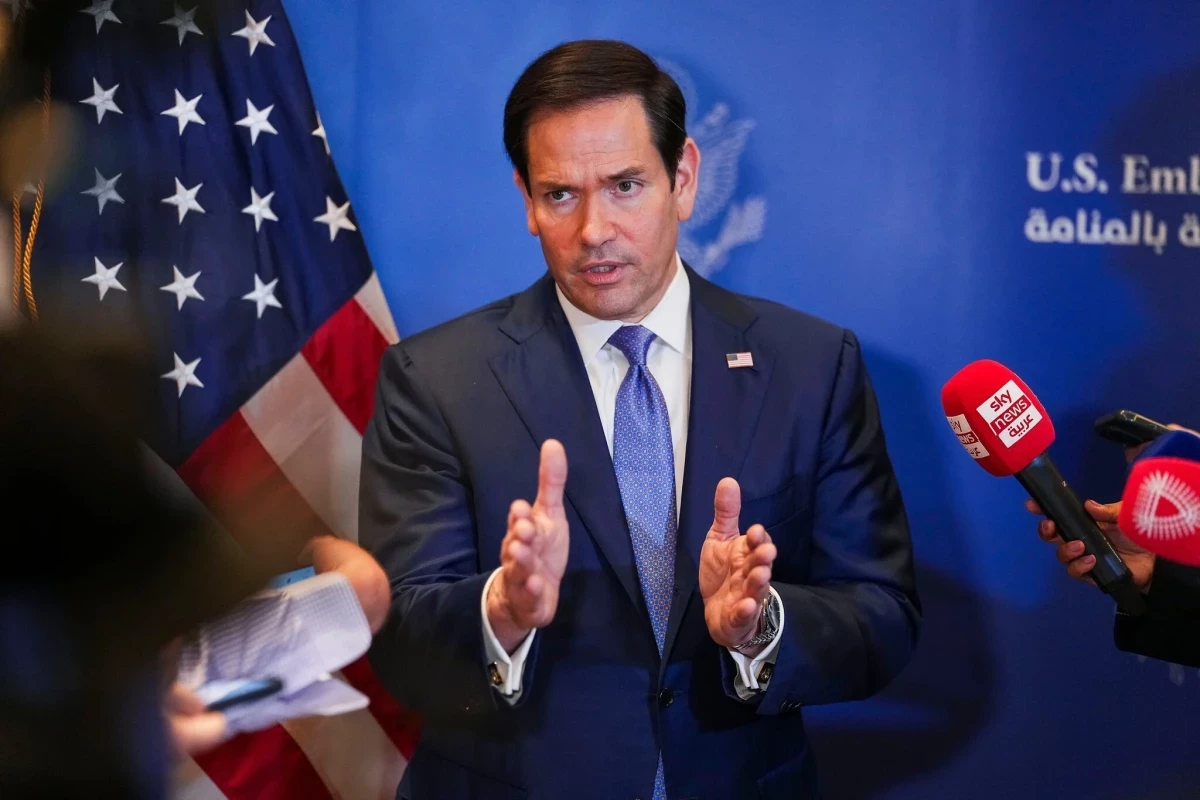
Rubio believes no final agreements reached in Anchorage
18:10
 25 June 2026
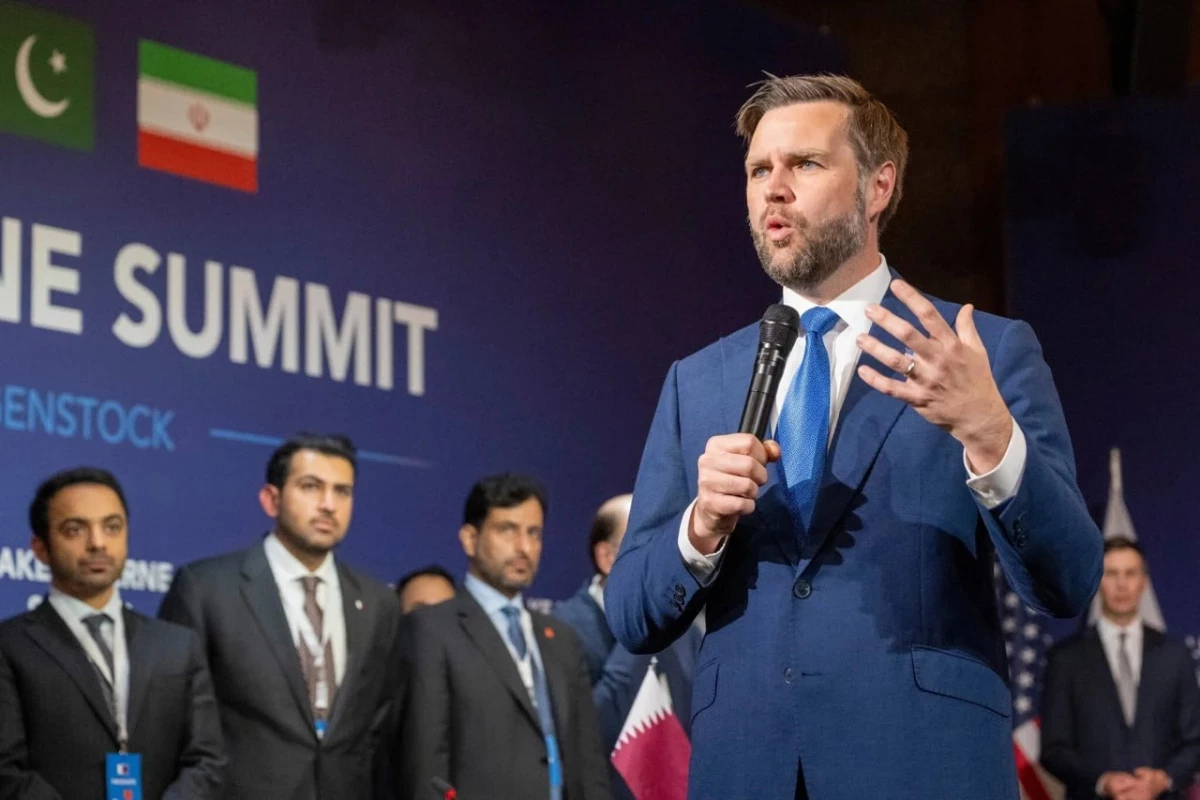
US, Iran agree in principle to establish direct military communication channel, Vance says
18:09
25 June 2026
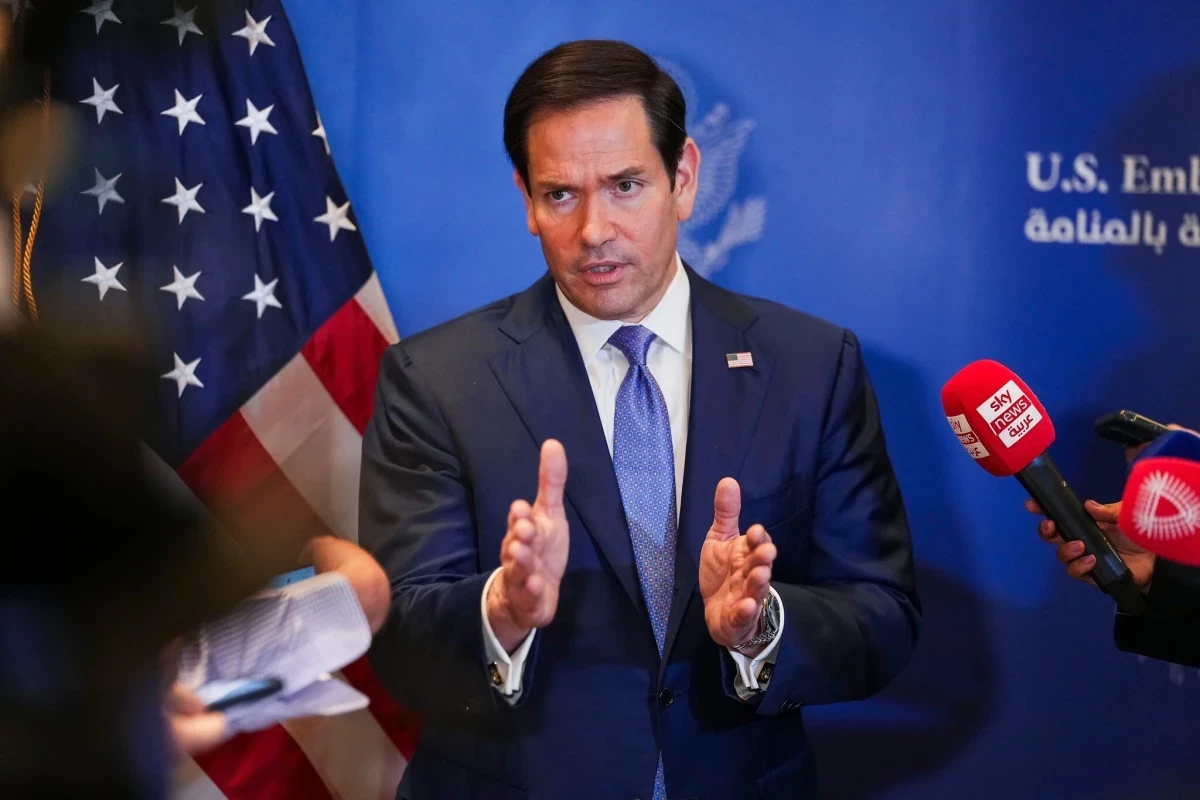
Rubio believes no final agreements reached in Anchorage
18:03
25 June 2026
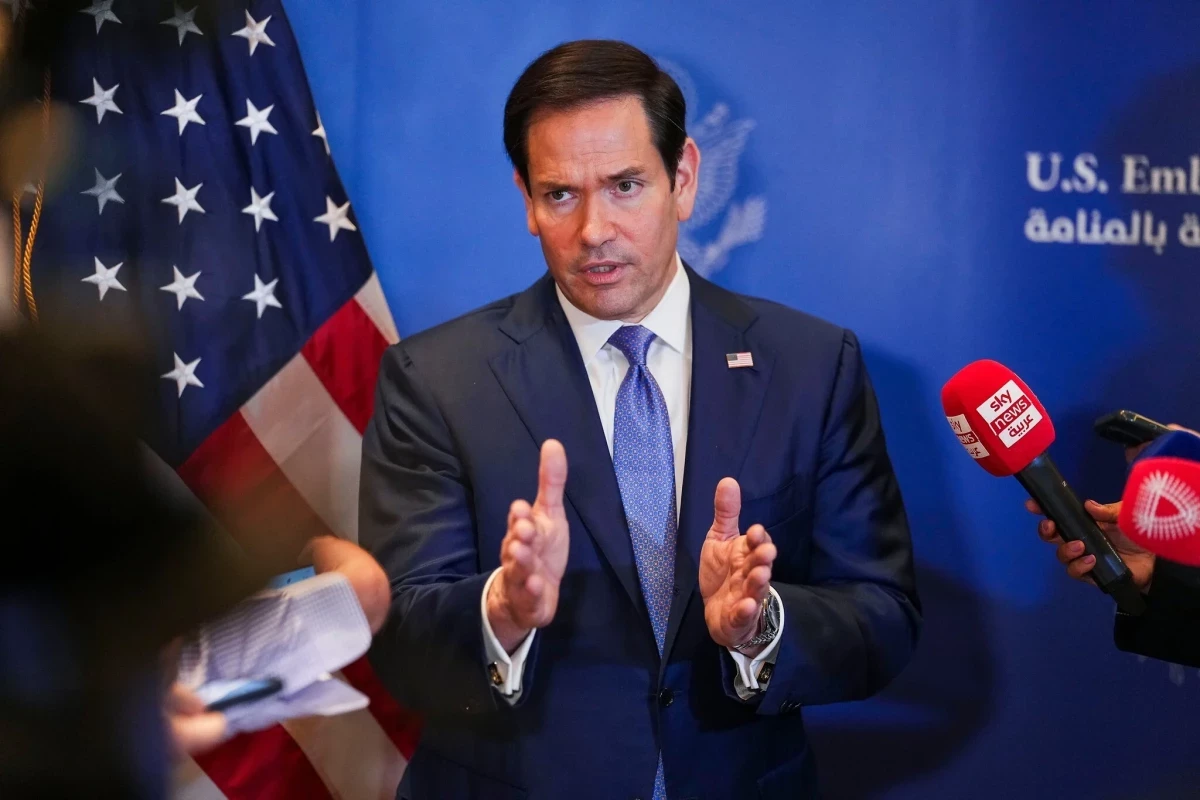
Rubio says Israel, Lebanon close to commitment of intent
17:18
25 June 2026

NEWS FEED
Ecuador advances to knockout rounds at World Cup, beating Germany 2-1
03:02
26 June 2026
Iran warns vessels against unauthorized Hormuz routes after ship attack
01:52
26 June 2026
Rutte said he wants to convince Trump of NATO's usefulness at the Ankara summit
01:23
26 June 2026
IDF helicopter carrying Israeli president makes emergency landing after bird strike
00:43
26 June 2026
First Vice-President Mehriban Aliyeva shared post on Armed Forces Day
00:25
Audio
26 June 2026
Azerbaijan marks 108th anniversary of the establishment of its Armed Forces
00:00
26 June 2026
Death toll from Venezuela earthquake rises to 188 - UPDATED - 2 - VIDEO
23:18
25 June 2026
President Ilham Aliyev’s social media accounts featured video dedicated to the Azerbaijani Army
23:05
Audio
25 June 2026
US, Gulf countries reject possibility of tariffs in Strait of Hormuz
22:38
25 June 2026
President Ilham Aliyev’s social media accounts shared post on Armed Forces Day
22:04
Audio
25 June 2026
18 wagons of gasoline and 8 wagons of diesel fuel will be sent from Azerbaijan to Armenia
21:50
25 June 2026
Zelenskyy approves 40-day influence operation to pressure Russia into ending war
21:41
Audio
25 June 2026
Telephone conversation held between Azerbaijani, Turkmen Presidents
20:37
25 June 2026
Vice-President of the Heydar Aliyev Foundation Leyla Aliyeva meets with Head of the Vatican Apostolic Library and Apostolic Archive
20:14
25 June 2026
Ziya Öztürkler praises Azerbaijan's continued support for the TRNC
19:50
25 June 2026
Apple says removal of VK apps from App Store is due to sanctions compliance
19:34
25 June 2026
Ruben Rubinyan elected as candidate for Speaker of the National Assembly of Armenia
19:26
25 June 2026
Missile alert declared in Moscow region-UPDATED
19:16
25 June 2026
Hikmat Hajiyev discusses Azerbaijan–NATO partnership with Secretary General's Special Representative
18:59
25 June 2026
Armenian Prosecutor General's Office petitions CEC to authorize criminal prosecution of Gagik Tsarukyan
18:55
25 June 2026
Venezuela's foreign minister thanks Azerbaijan for solidarity following earthquake
18:16
25 June 2026
Azerbaijan and Kazakhstan agree on full transition to electronic permit system
18:10
25 June 2026
Rubio believes no final agreements reached in Anchorage
18:10
25 June 2026
US, Iran agree in principle to establish direct military communication channel, Vance says
18:09
25 June 2026
Rubio believes no final agreements reached in Anchorage
18:03
25 June 2026
Azerbaijan Army servicemen participate in Anatolian Eagle-2026 International Exercise-VIDEO
18:01
25 June 2026
Leadership of the Ministry of Defense visits Central Clinical Hospital - PHOTO
17:52
25 June 2026
Eight Azerbaijani cities to host military marches marking Armed Forces Day
17:45
25 June 2026
Azerbaijan MFA: Existing opportunities should be used to finalize peace process with Armenia
17:30
25 June 2026
Rubio says Israel, Lebanon close to commitment of intent
17:18
25 June 2026
Lukashenko: Peoples of Belarus, Russia, and Ukraine will be together sooner or later
17:09
25 June 2026
Romanian ambassador leaves Russian Foreign Ministry without comment
17:08
25 June 2026
Rubio: Iran's support for regional proxies should be addressed in memorandum talks
17:07
25 June 2026
Azerbaijan and Ukraine discuss current cooperation agenda
17:06
25 June 2026
Azerbaijan-Israel innovation dialogue held at Shimon Peres Center - PHOTO
17:02
25 June 2026
Iran, Oman stress need for coordination on Strait of Hormuz traffic in foreign minister call
16:44
25 June 2026
Ghalibaf criticizes US over claims regarding Iran's unfrozen assets
16:43
25 June 2026
Iraqi Oil Ministry denies reports of potential OPEC exit, urges output quota reassessment-UPDATED
16:39
25 June 2026
President Ilham Aliyev signs order awarding Defense Ministry servicemen
16:31
25 June 2026
Azerbaijan's President awards fallen servicemen posthumously
16:31
25 June 2026
Military Institute named after Heydar Aliyev holds another graduation ceremony - PHOTO - VIDEO
16:26
25 June 2026
Azerbaijan establishes "Intellectual Customs" information system
16:24
25 June 2026
President Ilham Aliyev awards major general rank to five Defense Ministry servicemen
16:23
25 June 2026
Ashura blood donation campaign concludes in Azerbaijan, 1,269.45 liters of blood collected -PHOTO-UPDATED-1
16:21
25 June 2026
Rubio: No Gulf country supports charging fees for passage through the Strait of Hormuz
16:14
25 June 2026
Hikmat Hajiyev, Macron's adviser review state of Azerbaijan-France relations
16:10
25 June 2026
Azerbaijani cadet awarded Italy's "Sword of Honor"
16:00
25 June 2026
Azerbaijan establishes budget-funded organizations based on several public legal entities - DECREE
16:00
25 June 2026
Defense minister: Azerbaijani Armed Forces are among the strongest militaries in the region
15:56
25 June 2026
US sends search and rescue teams to Venezuela after deadly earthquake
15:55
25 June 2026


