










Baku – APA. Brazilian President-elect Dilma Rousseff prepared on Monday to take over an economy that is booming but faces several threats including heavy government spending, an overvalued currency and creaking infrastructure, APA reports quoting “Reutersâ€.
Rousseff, who based her campaign on extending the legacy of President Luiz Inacio Lula da Silva, won her first election on Sunday as Brazilians voted overwhelmingly for continuity. Rousseff formerly served as Lula’s chief of staff.
Financial markets reacted positively to her acceptance speech in which she pledged to rein in government spending while maintaining her predecessor’s social welfare policies that lifted millions out of poverty.
"Markets reacted well to her words, especially when she carefully spelled out the delicate issue of public expenses," said Fernando Mendes, head of fixed-income trading at Lerosa Investimentos in Sao Paulo.
The possibility for greater fiscal discipline led investors to bet on a medium-term decline in interest rates, which are among the highest in the world and one of the main causes of the currency’s constant appreciation.
Brazil’s stock index rose more than 1 percent.
Antonio Palocci, a Wall Street darling who is tipped to lead the transition team and could become Rousseff’s chief of staff, suggested that the budget could be adjusted to reduce spending growth.
"There’s no fiscal crisis in Brazil today ... but we have no problem in finding the savings that Brazil needs to keep its debt projections on a downward trend," Palocci said in an interview with Folha de S.Paulo newspaper.
That could help stem the rise of the local currency that makes Brazil’s exports, ranging from soy to iron ore, less competitive in global markets.
In further good news for investors, Lula recommended that Rousseff keep Finance Minister Guido Mantega and Central Bank President Henrique Meirelles in their posts, Folha reported, without saying how it obtained the information.
Investors see the two as crucial to the country’s strong economic performance in recent years.
But analysts worry Rousseff is not sufficiently committed to broader changes, such as an overhaul of the nation’s bloated social security system and its suffocating bureaucracy that are crucial for long-term growth.
"We expect a continuation of the decent economic policies carried out by Lula, but unfortunately there seems to be no room for the structural reforms that Brazil needs to optimize public spending," said Alberto Bernal, head of research at Bulltick Capital Markets.
EMERGING FROM LULA’S SHADOW
Rousseff must now emerge from Lula’s shadow and overcome the perception, still held by some Brazilians, that she is an inexperienced acolyte with little experience of her own.
The headline in Monday’s O Estado de S. Paulo newspaper was simply: "Lula’s victory."
The 62-year-old Rousseff pledged in her victory speech to extend a "new era of prosperity" that has lifted 20 million Brazilians into the middle class and turned the country into an investor favorite.
"It’s historic. Brazil elected a factory worker and now a woman. Dilma will be a mother for the Brazilian people," said Ivoni Klock, a government worker who celebrated in Brasilia.
She took 56 percent of the vote. Her rival, Jose Serra of the centrist PSDB party, had 44 percent.
In a sign of the changing of the guard, Lula laid low after Rousseff’s victory on Sunday, leaving her to bask in the moment she became the first woman elected to lead Brazil.
Rousseff will continue to push Lula’s flagship initiatives, including reforms to give the state a greater role in developing vast new oil wealth and ambitious infrastructure plans as Brazil prepares to host the 2014 World Cup and the Olympics two years later.


 Follow us on Telegram
 t.me/apanewsaz
 Follow us on Instagram
 Follow us on TikTok
 Follow us on Facebook
 Follow us on X
Americas
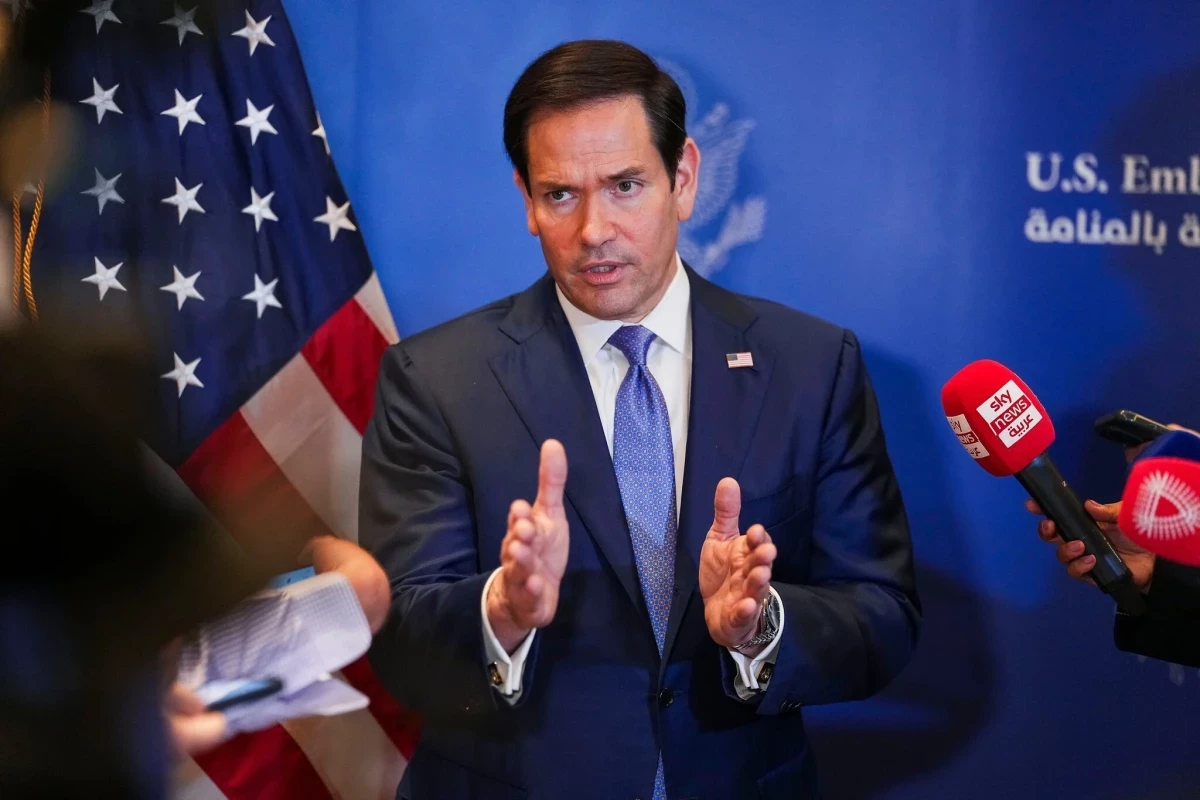
Rubio believes no final agreements reached in Anchorage
 18:10
18:10
 25 June 2026
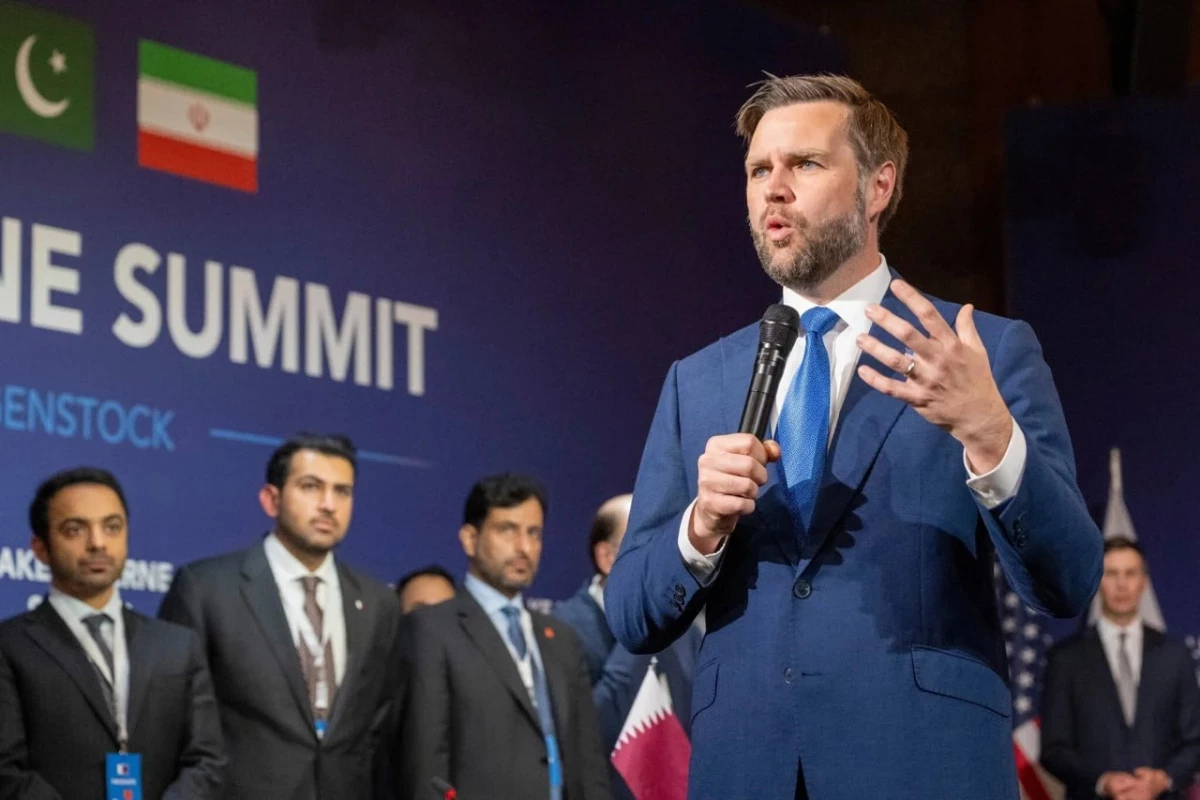
US, Iran agree in principle to establish direct military communication channel, Vance says
18:09
25 June 2026
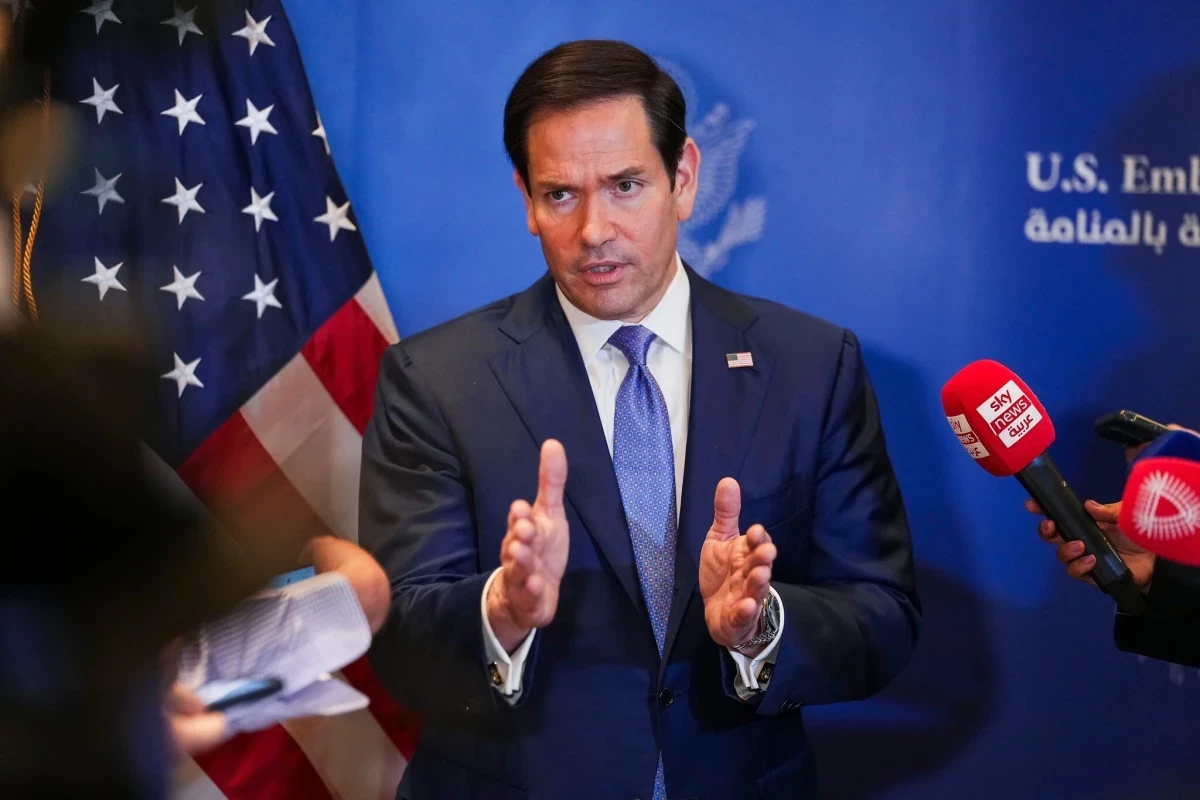
Rubio believes no final agreements reached in Anchorage
18:03
25 June 2026
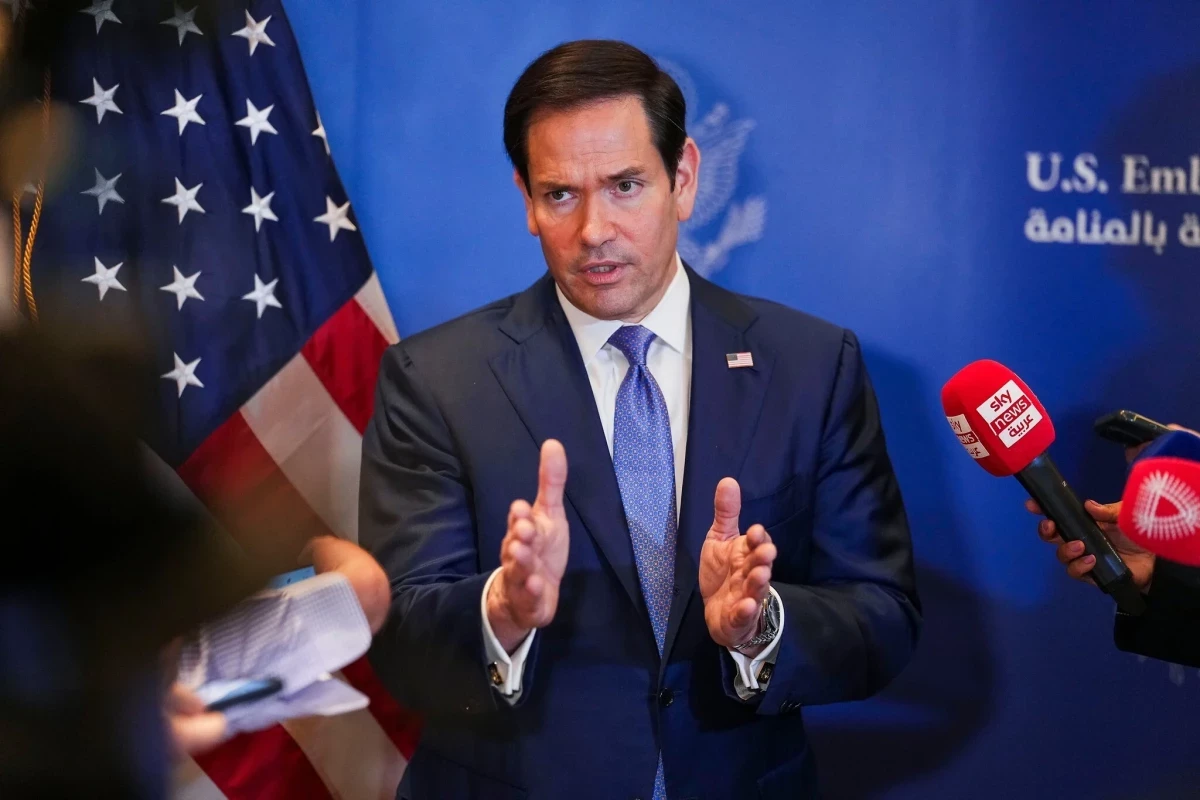
Rubio says Israel, Lebanon close to commitment of intent
17:18
25 June 2026

NEWS FEED
Ecuador advances to knockout rounds at World Cup, beating Germany 2-1
03:02
26 June 2026
Iran warns vessels against unauthorized Hormuz routes after ship attack
01:52
26 June 2026
Rutte said he wants to convince Trump of NATO's usefulness at the Ankara summit
01:23
26 June 2026
IDF helicopter carrying Israeli president makes emergency landing after bird strike
00:43
26 June 2026
First Vice-President Mehriban Aliyeva shared post on Armed Forces Day
00:25
Audio
26 June 2026
Azerbaijan marks 108th anniversary of the establishment of its Armed Forces
00:00
26 June 2026
Death toll from Venezuela earthquake rises to 188 - UPDATED - 2 - VIDEO
23:18
25 June 2026
President Ilham Aliyev’s social media accounts featured video dedicated to the Azerbaijani Army
23:05
Audio
25 June 2026
US, Gulf countries reject possibility of tariffs in Strait of Hormuz
22:38
25 June 2026
President Ilham Aliyev’s social media accounts shared post on Armed Forces Day
22:04
Audio
25 June 2026
18 wagons of gasoline and 8 wagons of diesel fuel will be sent from Azerbaijan to Armenia
21:50
25 June 2026
Zelenskyy approves 40-day influence operation to pressure Russia into ending war
21:41
Audio
25 June 2026
Telephone conversation held between Azerbaijani, Turkmen Presidents
20:37
25 June 2026
Vice-President of the Heydar Aliyev Foundation Leyla Aliyeva meets with Head of the Vatican Apostolic Library and Apostolic Archive
20:14
25 June 2026
Ziya Öztürkler praises Azerbaijan's continued support for the TRNC
19:50
25 June 2026
Apple says removal of VK apps from App Store is due to sanctions compliance
19:34
25 June 2026
Ruben Rubinyan elected as candidate for Speaker of the National Assembly of Armenia
19:26
25 June 2026
Missile alert declared in Moscow region-UPDATED
19:16
25 June 2026
Hikmat Hajiyev discusses Azerbaijan–NATO partnership with Secretary General's Special Representative
18:59
25 June 2026
Armenian Prosecutor General's Office petitions CEC to authorize criminal prosecution of Gagik Tsarukyan
18:55
25 June 2026
Venezuela's foreign minister thanks Azerbaijan for solidarity following earthquake
18:16
25 June 2026
Azerbaijan and Kazakhstan agree on full transition to electronic permit system
18:10
25 June 2026
Rubio believes no final agreements reached in Anchorage
18:10
25 June 2026
US, Iran agree in principle to establish direct military communication channel, Vance says
18:09
25 June 2026
Rubio believes no final agreements reached in Anchorage
18:03
25 June 2026
Azerbaijan Army servicemen participate in Anatolian Eagle-2026 International Exercise-VIDEO
18:01
25 June 2026
Leadership of the Ministry of Defense visits Central Clinical Hospital - PHOTO
17:52
25 June 2026
Eight Azerbaijani cities to host military marches marking Armed Forces Day
17:45
25 June 2026
Azerbaijan MFA: Existing opportunities should be used to finalize peace process with Armenia
17:30
25 June 2026
Rubio says Israel, Lebanon close to commitment of intent
17:18
25 June 2026
Lukashenko: Peoples of Belarus, Russia, and Ukraine will be together sooner or later
17:09
25 June 2026
Romanian ambassador leaves Russian Foreign Ministry without comment
17:08
25 June 2026
Rubio: Iran's support for regional proxies should be addressed in memorandum talks
17:07
25 June 2026
Azerbaijan and Ukraine discuss current cooperation agenda
17:06
25 June 2026
Azerbaijan-Israel innovation dialogue held at Shimon Peres Center - PHOTO
17:02
25 June 2026
Iran, Oman stress need for coordination on Strait of Hormuz traffic in foreign minister call
16:44
25 June 2026
Ghalibaf criticizes US over claims regarding Iran's unfrozen assets
16:43
25 June 2026
Iraqi Oil Ministry denies reports of potential OPEC exit, urges output quota reassessment-UPDATED
16:39
25 June 2026
President Ilham Aliyev signs order awarding Defense Ministry servicemen
16:31
25 June 2026
Azerbaijan's President awards fallen servicemen posthumously
16:31
25 June 2026
Military Institute named after Heydar Aliyev holds another graduation ceremony - PHOTO - VIDEO
16:26
25 June 2026
Azerbaijan establishes "Intellectual Customs" information system
16:24
25 June 2026
President Ilham Aliyev awards major general rank to five Defense Ministry servicemen
16:23
25 June 2026
Ashura blood donation campaign concludes in Azerbaijan, 1,269.45 liters of blood collected -PHOTO-UPDATED-1
16:21
25 June 2026
Rubio: No Gulf country supports charging fees for passage through the Strait of Hormuz
16:14
25 June 2026
Hikmat Hajiyev, Macron's adviser review state of Azerbaijan-France relations
16:10
25 June 2026
Azerbaijani cadet awarded Italy's "Sword of Honor"
16:00
25 June 2026
Azerbaijan establishes budget-funded organizations based on several public legal entities - DECREE
16:00
25 June 2026
Defense minister: Azerbaijani Armed Forces are among the strongest militaries in the region
15:56
25 June 2026
US sends search and rescue teams to Venezuela after deadly earthquake
15:55
25 June 2026


