Baku-APA. Such exaltation has been rippling through much of the country, which managed to fight off an Islamist-tinged insurgency thanks to last month’s blitzkrieg intervention by the French Air Force. Red, white and blue French tricolors have been displayed all over Mali – for the first time, locals say, since the West African former colony gained independence in 1960, APA reports quoting Ria Novosti.
The French may have stopped the rebels’ advance toward the capital, Bamako, but the year-old uprising is far from extinguished: Pro-government troops are still skirmishing with insurgents and Malian army officers worry that rebels have simply retreated to the Sahara or blended in with the local populace, and could launch a powerful new offensive as soon as French troops pull out.
The insurgency has been a motley mix of Islamists – including many non-Malians – and secular separatists from the desert Tuareg people. But they have conflicting agendas and have splintered since the unrecognized proclamation of an independent state in the Azawad region of northern Mali in April 2012.
The government and the moderate separatists have indicated a willingness to negotiate with each other, but not with the Islamists. This radical wing of the insurgency will pose some of the thorniest problems for Mali, but it is hardly the only obstacle to peace in the region: In addition to Tuareg separatism, domestic problems include an ineffective and corrupt government, a drug-trafficking boom in the Sahara and the recent return of fighters who served slain Libyan leader Muammar Gaddafi – an armed influx that, most experts say, galvanized the current uprising.
Moreover, a challenging reconciliation effort may soon be needed, as the uprising has driven a deep wedge between the Tuareg and other Malians, who have grown distrustful of their northern neighbors.
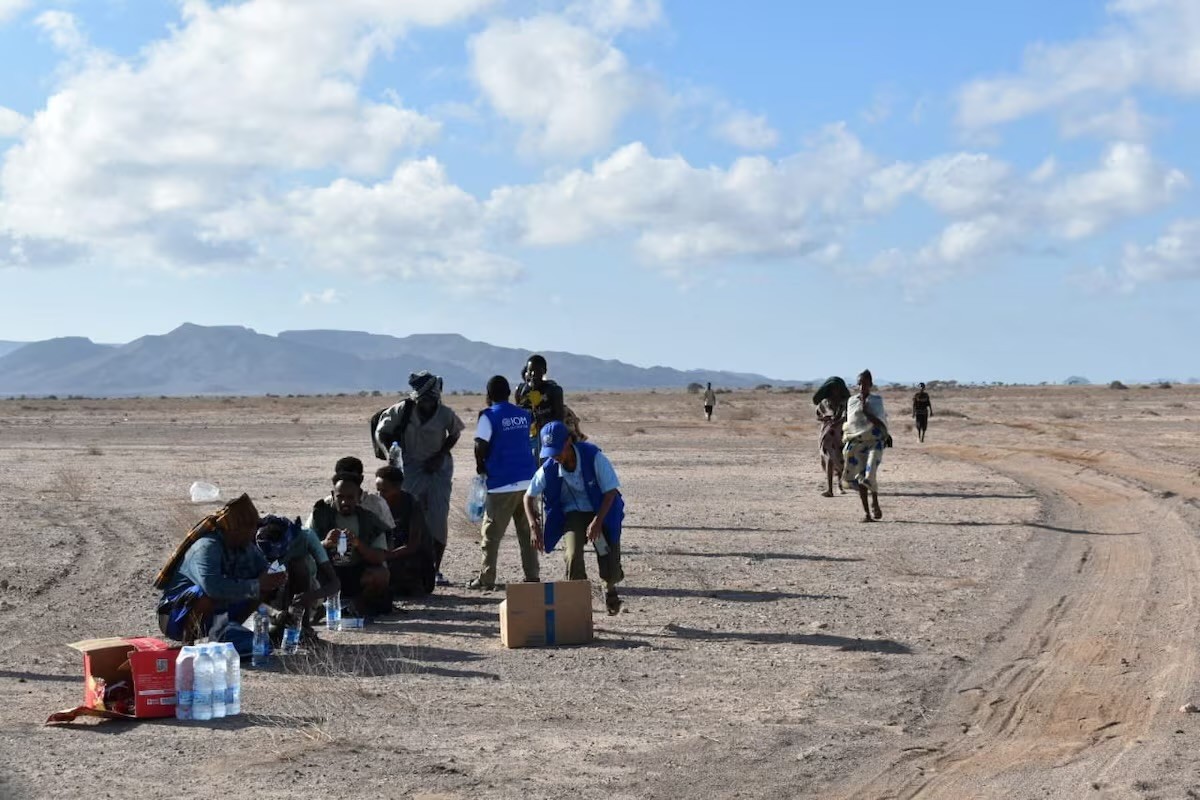
“I will get back home,” Safetu Maiga, a refugee from the rebel-held town of Gao, said in the camp in Sevare. “But I will never be friends with my Tuareg neighbors there anymore.”
The Dream of Azawad Hijacked?
The Tuareg, a Berber people of northern Africa, have been the main inhabitants of the Western Sahara for at least 1,500 years, surviving on goat and camel herding, trans-Saharan trade and rents from lower-caste farmers in the oases and semi-arid Sahel region to the south of the great desert.
Their population of 1.2 million is spread across five African countries, including about 500,000 in Mali, according to national lawmaker Assarid Ag Imbarcawane, an ethnic Tuareg. But except for a tiny sultanate in the Aïr Mountains of northern Niger, the Tuareg have never had their own state.
Since 1960, Mali’s Tuareg have staged four rebellions, including the latest. The previous ones, however, had not been explicitly separatist, calling only for an end to alleged discrimination by the government in Bamako.
Earlier uprisings had ended in greater representation for the Tuareg in government and the army, as well as more money for development, according to local political analyst Fily Mohamed Diallo. But grievances in the region continued to simmer.
The latest rebellion, which began in January 2012, mutated from a secular separatist movement into hard-core sharia-zation, with calls for political self-determination replaced in six months’ time by violently enforced bans on alcohol, cigarettes, Western music and other perceived vices.
How this happened isn’t entirely clear.
Initially led by the National Movement for the Liberation of Azawad (MNLA), a secular separatist group, the insurgency made strong headway in the first four months of 2012. By April, the rebels controlled all three regions in the country’s north, encompassing 60 percent of Mali’s territory, but less than one-tenth of its 14.5 million people. The national army suffered such heavy losses – estimated in media reports at around 160 dead and 400 captured soldiers – that the defeats precipitated a military coup d’état in March. The MNLA then proclaimed its independent Tuareg state of Azawad, though it failed to win international recognition.
Between spring and summer, however, the tide changed. In July, the MNLA was sidelined by its Islamist allies, most prominently the Ansar Dine group. While the numerical advantage seemed to be on the side of the MNLA – which fielded 2,500 to 5,000 fighters, according to estimates voiced last March on Al Jazeera by Jeremy Keenan, a prominent London-based expert on the region – the Islamist fighters, whose numbers did not exceed 1,000 according to most media reports, were well armed and well trained and seemed to rely on a core of highly motivated foreigners, either mercenaries or dedicated jihadists.


 Follow us on Telegram
 t.me/apanewsaz
 Follow us on Instagram
 Follow us on TikTok
 Follow us on Facebook
 Follow us on X