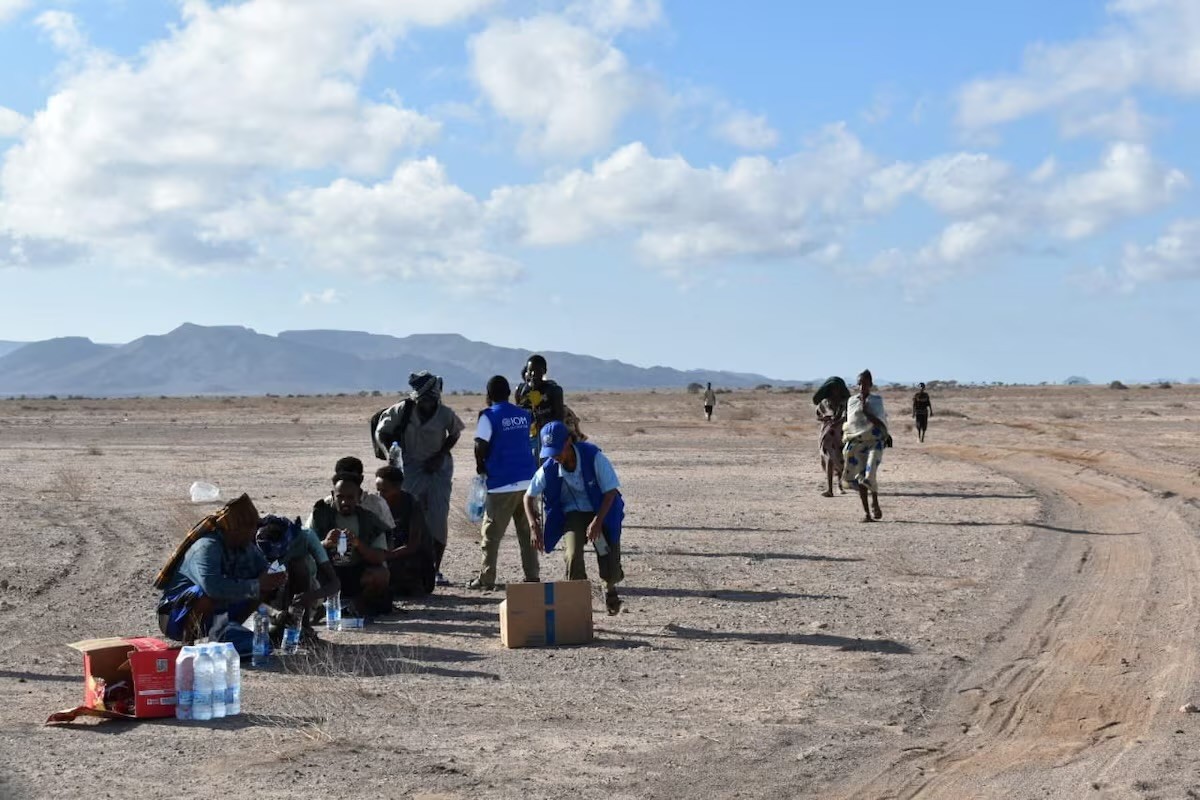



Famine in Sudan has expanded to five areas and will likely spread to another five by May, the global hunger monitor reported Tuesday, while warring parties continue to disrupt humanitarian aid needed to alleviate one of the worst starvation crises in modern times, APA reports citing Reuters.
Famine conditions were confirmed in Abu Shouk and al-Salam, two camps for internally displaced people in al-Fashir, the besieged capital of North Darfur, as well as in residential and displaced communities in the Nuba Mountains, according to the Famine Review Committee of the Integrated Food Phase Classification (IPC). The committee also found that famine, first identified in August, persists in North Darfur's Zamzam camp.
The five-member review committee vets and verifies famine findings produced by technical analysts. In its Tuesday report, the review committee predicts famine will expand to five additional areas in North Darfur — Um Kadadah, Melit, al-Fashir, Tawisha and al-Lait — by May. The committee identified another 17 areas across Sudan at risk of famine.
The IPC estimated about 24.6 million people, about half of all Sudanese, urgently need food aid through May, a sharp increase from the 21.1 million originally projected in June for October through February.
The findings were published despite the Sudanese government's continued disruption of the IPC's process for analyzing acute food insecurity, which helps donors and humanitarian groups direct aid where it is most needed. On Monday, the government announced it was suspending its participation in the global hunger-monitoring system, saying the IPC issues "unreliable reports that undermine Sudan's sovereignty and dignity."
The IPC is an independent body funded by Western nations and overseen by 19 large humanitarian organizations and intergovernmental institutions. A linchpin in the world’s vast system for monitoring and alleviating hunger, it is designed to sound the alarm about developing food crises so organizations can respond and prevent famine and mass starvation.
The Sudanese Armed Forces (SAF) are engaged in a civil war with the Rapid Support Forces (RSF) and are adamantly opposed to a famine declaration for fear it would result in diplomatic pressure to ease border controls and lead to greater foreign engagement with the RSF.
In a Dec. 23 letter to the IPC, the famine review committee and diplomats, Sudan’s agriculture minister said the latest IPC report lacks updated malnutrition data and assessments of crop productivity during the recent summer rainy season. The growing season was successful, the letter says. It also notes "serious concerns" about the IPC's ability to collect data from territories controlled by the RSF.
Under the IPC system, a "technical working group," usually headed by the national government, analyzes data and periodically issues reports that classify areas on a one-to-five scale that slides from minimal to stressed, crisis, emergency and famine.
In October, the Sudanese government temporarily stopped the government-led analysis, according to a document seen by Reuters. After resuming work, the technical working group stopped short of acknowledging famine. The Famine Review Committee report released today said the government-led group excluded key malnutrition data from its analysis.


 Follow us on Telegram
 t.me/apanewsaz
 Follow us on Instagram
 Follow us on TikTok
 Follow us on Facebook
 Follow us on X