












Baku-APA. We have been in the thick of the fighting, but also cut off from it, APA reports quoting news.yahoo.com website.
Dozens of us journalists have been trapped for days in the luxury Rixos Hotel, kept there by government enforcers whose weaponry has convinced us of the wisdom of staying put. Once in awhile, though, the news comes to us.
Take the reports that Seif al-Islam, a favored son of Libyan leader Moammar Gadhafi and one-time heir-apparent to his desert regime, had been captured by rebel fighters as they stormed through the city.
But here he was, confident and smiling in his camouflage pants and army-green T-shirt, turning up out of the night early Tuesday at the Rixos.
He flashed a big smile and a V-for-victory sign.
"You’ve missed a great story. So come on with us, we’re going to hit the hottest spots in Tripoli," Seif told me.
A group of journalists piled into a second car, and we followed him and his gunmen through the dark as he drove through town. He stopped occasionally to lean from the car and wave to supporters chanting government slogans.
He looked confident and defiant. Along with his father, he is wanted by the International Criminal Court on charges of crimes against humanity, but he had a message he wanted to send to the world: Gadhafi was still in power, still fighting, still had support.
We spun off to the entrance to Gadhafi’s nearby headquarters, Bab al-Aziziya, where about 200 men, volunteers defending the regime, were waiting for weapons. They were chanting and screaming as they waited for the guns.
Then the gunmen took us back to the hotel.
Back to the $400-a-night prison, with a spa but no power or air conditioning, with candlelight but no romance. With the sound of machine gunfire outside and bullets whistling past the windows, smoke hovering over the Libyan capital.
We might have been in the middle of much of Tripoli’s fighting, but we saw little of it close up. Other than that short interlude, we have been here for days, surrounded by the combat.
Every modern war has had its hotels serving as de facto media centers, equipped with necessary services such as telecommunications and electricity generators. In Beirut’s 1980s civil war, it was the Commodore. In the Balkans, it was Sarajevo’s Holiday Inn, and during the U.S. invasion of Iraq it was Baghdad’s Palestine Hotel.
The hotels, considered relatively safe in a war zone, often are selected for their rooftop views of combat. They are made known to governments and rebel forces alike in the hope that both sides will deem it in their interest to respect the neutrality of the base and allow journalists to do their jobs.
But it doesn’t always work out that way. A hotel on the sidelines at the start of a conflict may suddenly find itself engulfed in fighting. Or a beleaguered government may decide to restrict reporters as part of a propaganda campaign.
The Rixos has been so cut off that we often haven’t even been able to tell who was in control of the streets outside. Over the weekend, the area appeared to be in government hands. As rebels approached, our minders got jittery, then belligerent.
One young gunman grew paranoid that journalists were feeding information to the rebels and began threatening us. Others simply left, in some cases shaking hands with reporters and saying goodbye. Government Information Minister Musa Ibhrahim departed soon after his German wife and infant.
For awhile we were alone. Then the pro-government gunmen returned, surrounding the hotel with heavy weaponry — even as rebels reportedly took Gadhafi’s compound a few blocks away. We don’t know for sure.
Fighting intensified Tuesday and the smell of gunpowder hangs in the thick heat, along with sweat and a little fear. When the shooting is most intense, we take refuge in hotel’s basement conference rooms.
Two satellite telephones set up on a balcony were destroyed by gunfire, so we’ve stopped transmitting our material. We wait and worry the gunmen could turn hostile at any moment.
There is no power and no running water. On Monday we ate bread and butter. On Tuesday, the cook made french fries. Bottled water is running low.
We don’t know when it’s going to end, and we see little of what happens. We weren’t there when the Bab al-Aziziyah was captured less than 24 hours after Seif took us there. He hasn’t been seen publicly since then.
So I can tell a story about trapped journalists, but the real story about what is happening to Libya is just out there.
Unfortunately, we can’t cover it.


 Follow us on Telegram
 t.me/apanewsaz
 Follow us on Instagram
 Follow us on TikTok
 Follow us on Facebook
 Follow us on X
Africa
Two killed, five injured in shooting in S. Africa
 16:09
16:09
 14 October 2026
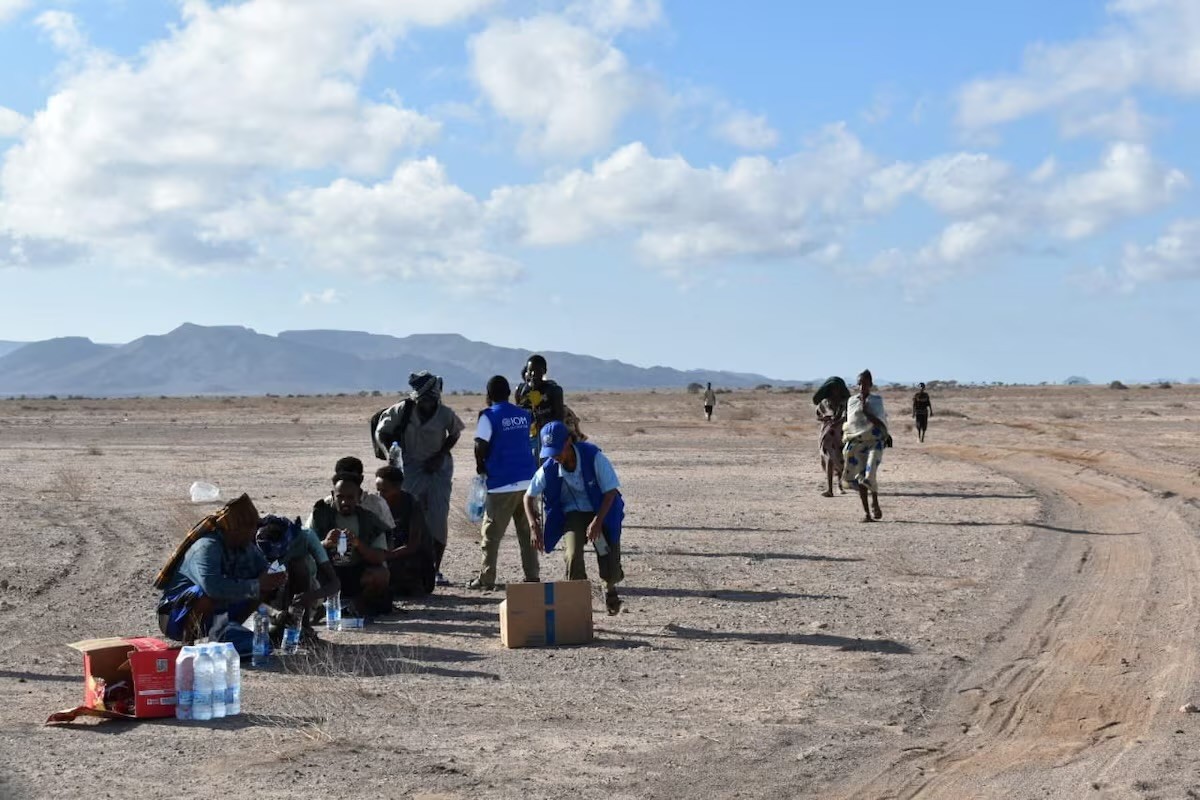
At least 139 migrants dead, including some children, after boat from Djibouti to Yemen capsizes, UN agency says
21:17
11 October 2026
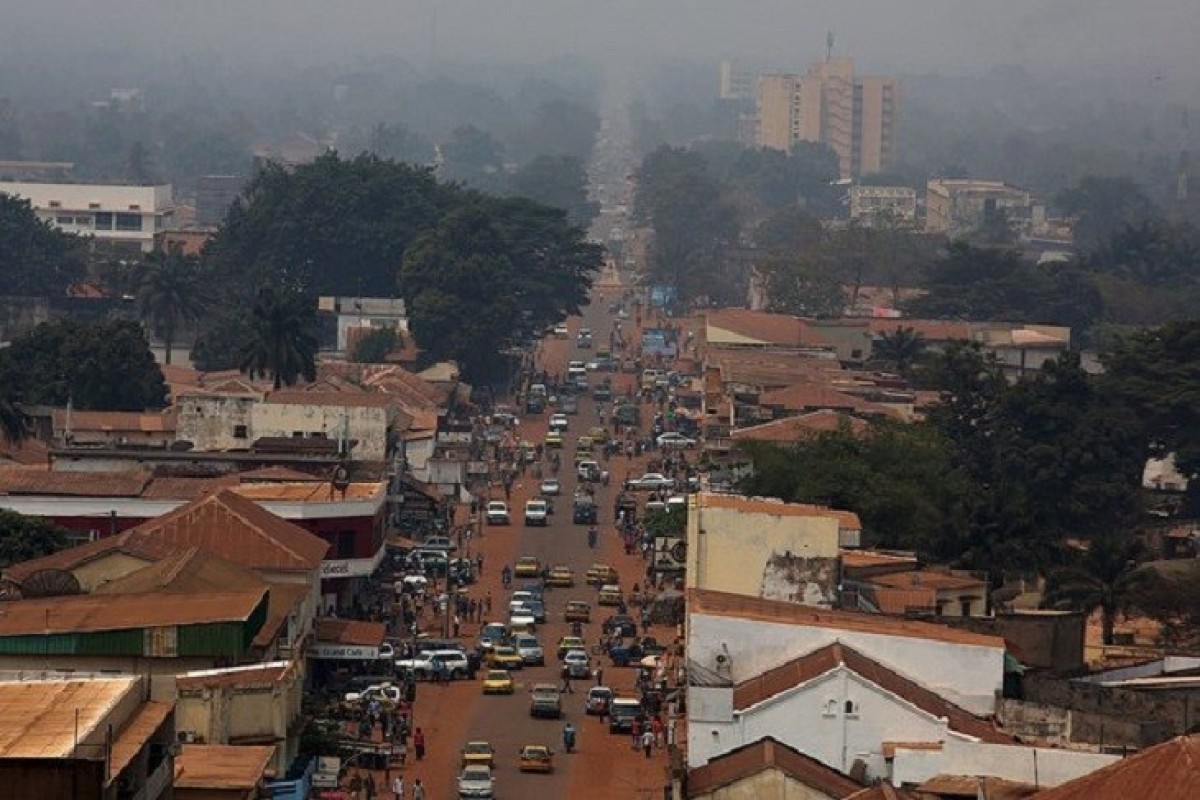
Central African Republic foils planned large-scale militant attack
07:04
11 October 2026
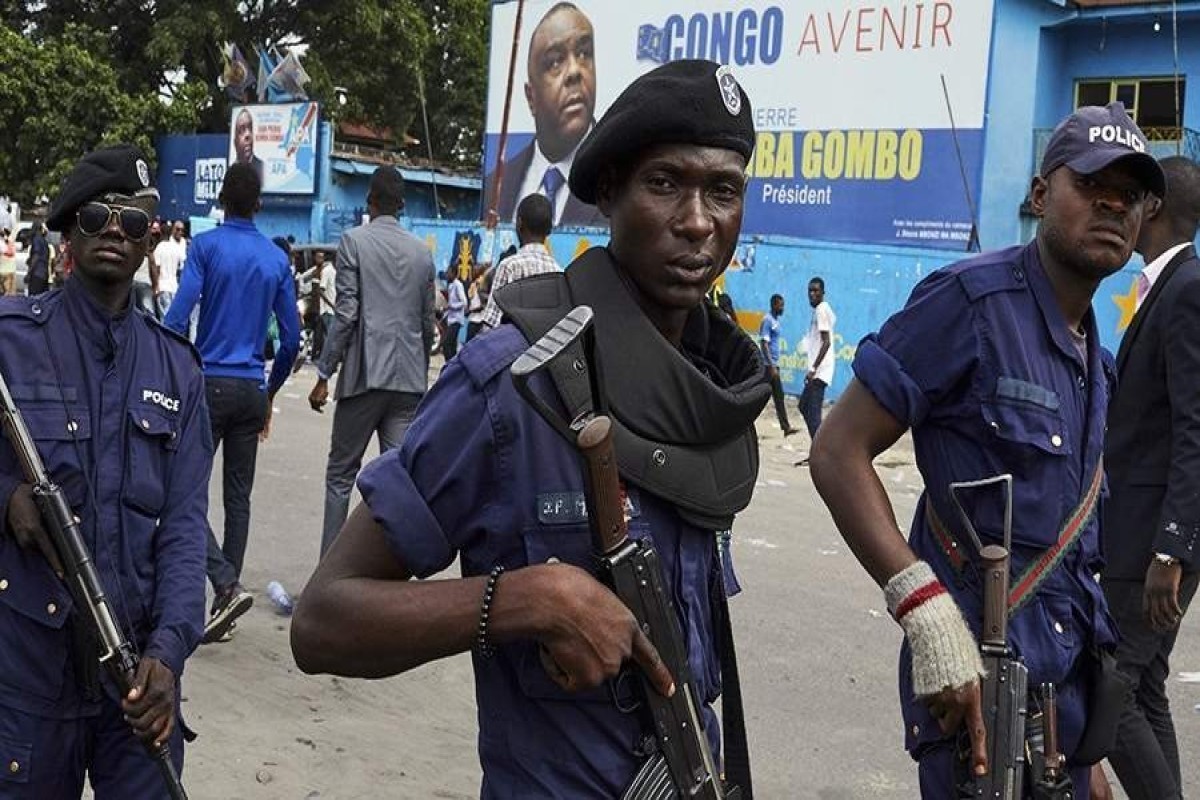
Rebel attack kills 11 civilians in DR Congo
05:16
11 October 2026

NEWS FEED
Gold and silver prices rise on commodity markets
10:01
16 October 2026
Azerbaijan's MFA expresses condolences to Pakistan over deadly school building collapse in Peshawar
09:48
16 October 2026
Natural gas prices decline on NYMEX commodity exchange
09:38
16 October 2026
Oil prices decline on global markets
09:32
16 October 2026
Milli Majlis: Hybrid attacks against Azerbaijan have intensified
09:06
16 October 2026
9th Congress of Azerbaijani journalists underway - PHOTO
09:02
16 October 2026
Major indices rise across global stock markets
08:42
16 October 2026
Bitcoin price approaches $82,000
08:35
16 October 2026
Four killed, including three children, in US elementary school shooting
08:18
16 October 2026
US-Mexico trade talks stall over tariff reductions — WSJ
07:20
16 October 2026
Trump says US will not use nuclear weapons against Iran
06:46
16 October 2026
Trump claims Zelensky does not want to end war, calls for elections in Ukraine
05:43
16 October 2026
Trump calls Ukrainian strikes on Russian oil refineries a disgrace
04:33
16 October 2026
Conference League: Trabzonspor win as Ajax suffer defeat
03:14
16 October 2026
Europa League Matchday 2 round-up
01:05
16 October 2026
Train, bus collide in Channel Tunnel, injure 19
00:53
16 October 2026
China has not provided any military support to Iran since the beginning of the US operation
00:38
16 October 2026
Azerbaijani, Turkish FMs discuss relations between the two countries
00:10
16 October 2026
Azerbaijan's chairmanship of CICA extended until 2028
23:50
15 October 2026
Trump accused a Senate candidate of having ties to Muslim Brotherhood
23:27
15 October 2026
US: IRGC projectile hit civilian ship
22:50
15 October 2026
Putin: Ukrainian Armed Forces are again attempting to strike Russian oil refineries
22:23
15 October 2026
Ukraine not to be able to protect its infrastructure without PURL program — The Economist
22:10
15 October 2026
US has expanded sanctions against Iran
21:50
15 October 2026
UK provides Ukraine with additional long-range Storm Shadow missiles
21:20
15 October 2026
Video shared on President Ilham Aliyev’s social media accounts on his meeting with Amir of the State of Qatar Sheikh Tamim bin Hamad Al Thani
21:00
15 October 2026
President Ilham Aliyev’s social media accounts shared video on inauguration of Trans-Caspian Fiber-Optic Cable Line
20:55
15 October 2026
Baku hosted 7th CICA Summit, President Ilham Aliyev addressed the event - UPDATED-5
20:40
15 October 2026
Ukrainian President discusses air defense with NATO Secretary General
20:31
15 October 2026
Ukraine runs out of Patriot interceptor missiles as Zelenskyy and Trump clash over war
19:52
15 October 2026
Iran's navy says "violating" oil tanker caught fire east of Hormuz Strait
19:43
15 October 2026
White House official: Trump considering all options to keep Iran from nuclear weapon
19:37
15 October 2026
Houthis fire missiles at presidential palace in Yemen's Aden, officials say
19:00
15 October 2026
President Ilham Aliyev’s social media accounts shared video on 7th CICA Summit
18:28
15 October 2026
President Ilham Aliyev met with Amir of Qatar - UPDATED
18:12
15 October 2026
Armenian and Turkish businesspeople discuss joint cooperation
17:56
15 October 2026
Journalist Alexander Nevzorov added to Russia’s list of terrorists and extremists
17:53
15 October 2026
New head of Republic of Dagestan elected
17:46
15 October 2026
Kobakhidze visits Armenia
17:17
15 October 2026
Georgian opposition announces protest rallies
17:05
15 October 2026
Pashinyan establishes working group to resolve railway issues with Russia
17:02
15 October 2026
Pope Leo recovering as planned after lung cancer surgery, doctors say
16:58
15 October 2026
Papuashvili: EU takes disruptive stance in relations with Georgia
16:40
15 October 2026
Azerbaijan to chair CICA in 2026–2028
16:27
15 October 2026
UN considers CICA's role more important now than ever
16:26
15 October 2026
Meeting held with delegation of international and foreign national Paralympic committees
16:23
15 October 2026
President Ilham Aliyev received Türkiye’s Minister of Foreign Affairs
16:16
15 October 2026
7th CICA Summit concludes
16:12
15 October 2026
CICA Secretary General replaced
16:11
15 October 2026
Lavrov considers it appropriate to hold next "3+3" meeting in Azerbaijan
16:08
15 October 2026


