












Baku – APA. Who attacked Somalia’s al-Shabab on Sunday? At about 12:30 p.m., a mysterious helicopter opened fire on a meeting of top leaders of the increasingly ambitious al-Shabab rebels, which the U.S. has designated as a terror group, APA reports quoting “Time†magazine.
The group’s leader Sheikh Muktar Abdirahman Godane told TIME in an interview on Monday that he was present at the meeting in the Somali town of Merca, and watched as the helicopter, which he said was either gray or olive green, approached from the sea, circled and fired on the house where the meeting was underway. None of the foreign military powers with ships off the Somali coast have taken credit for the strike. "The helicopter was there for about 20 minutes in the air of Merca, and then it left," Godane tells TIME. "We are now investigating the ammunition that it fired."
Godane, who rarely speaks to the Western media, says that seven al-Shabab leaders had gathered at a house belonging to one of the group’s local members to try to resolve a power dispute that had arisen between Godane and Sheikh Muktar Robow, another al-Shabab leader, over strategy and control of the organization. Godane refused to say whether anyone was killed or injured in the attack, which was first reported by the New York Times. The Times reported that no one was hurt. Godane said that the Shabab had closed off the town and prevented anyone from leaving after the attack to try to learn if someone in the area had informed on the meeting. Mobile phone communication was also cut off.
Officials from the United States and the European Union, which have warships patrolling off the Somali coast, denied deploying the helicopter. "I can tell you we don’t have any troops in that vicinity at all," Maj. Bryan Purtell, spokesman for the Special Operations Command Africa told the Associated Press. The African Union also said it was not involved. That is likely because the AU forces in Somalia are notoriously undermanned and underfunded, and have no air power at all. "You made me have the laugh of the year," Maj. Barigye Bahoku told the AP. "There is no way the African Union force can be involved in such a strike. We don’t have helicopters - any air capacity whatsoever."
Such an attack is not unprecedented. In September 2009, an American strike team killed al-Qaeda suspect Saleh Ali Saleh Nabhan in Somalia. Nabhan was allegedly involved in the 1998 U.S. embassy bombings in Tanzania and Kenya. He was also suspected in the bombing of an Israeli hotel in Mombasa, Kenya, in 2002 and the failed attempt to shoot down an airliner leaving Mombasa the same day. Still, it would be highly unusual for any military force to send a single helicopter to attack the al-Shabab leadership.
Al-Shabab has been increasingly active over a wider geographical range in recent months and is believed to have forged closer ties to al-Qaeda, receiving funding, training and fighters from the group. At the same time, its chief rival, the U.S.-backed Transitional Federal Government, has become weaker and weaker, riven by internal squabbling, corruption and mismanagement. Last week, TFG Prime Minister Omar Abdirashid Ali Sharmarke resigned under pressure from President Sheikh Sharif Ahmed in what was largely seen as a turf battle. The TFG suffered another serious setback over the weekend when a moderate Islamic group, Ahlu Sunna Wal Jamaa, withdrew its support for the government. The group said it had lost faith in the TFG.
President Sharif’s government now only controls a few acres of territory in Mogadishu, while al-Shabab’s influence has spread over time; it now controls much of Somalia’s south, including the port of Kismayo, where it earns much of its revenue. The group took control of Merca, down the coast from Mogadishu, in 2008.
In the interview with TIME, Godane said al-Shabab was doing well thanks to donations and income. "We get funding from different sources," he said. "A rich Muslim may wish to fund the jihad for the sake of Allah. We have supporters throughout the world." He reserved his harshest words for the United States, which he said was powerless to get rid of al-Shabab despite Washington’s funding for the TFG and its involvement in strikes like the one that killed Nabhan last year. "Only Allah can remove us," he says. "America cannot remove anything. They are enemy of Allah and they will taste his punishment if they don’t ask for forgiveness."


 Follow us on Telegram
 t.me/apanewsaz
 Follow us on Instagram
 Follow us on TikTok
 Follow us on Facebook
 Follow us on X
Africa
Two killed, five injured in shooting in S. Africa
 16:09
16:09
 14 October 2026
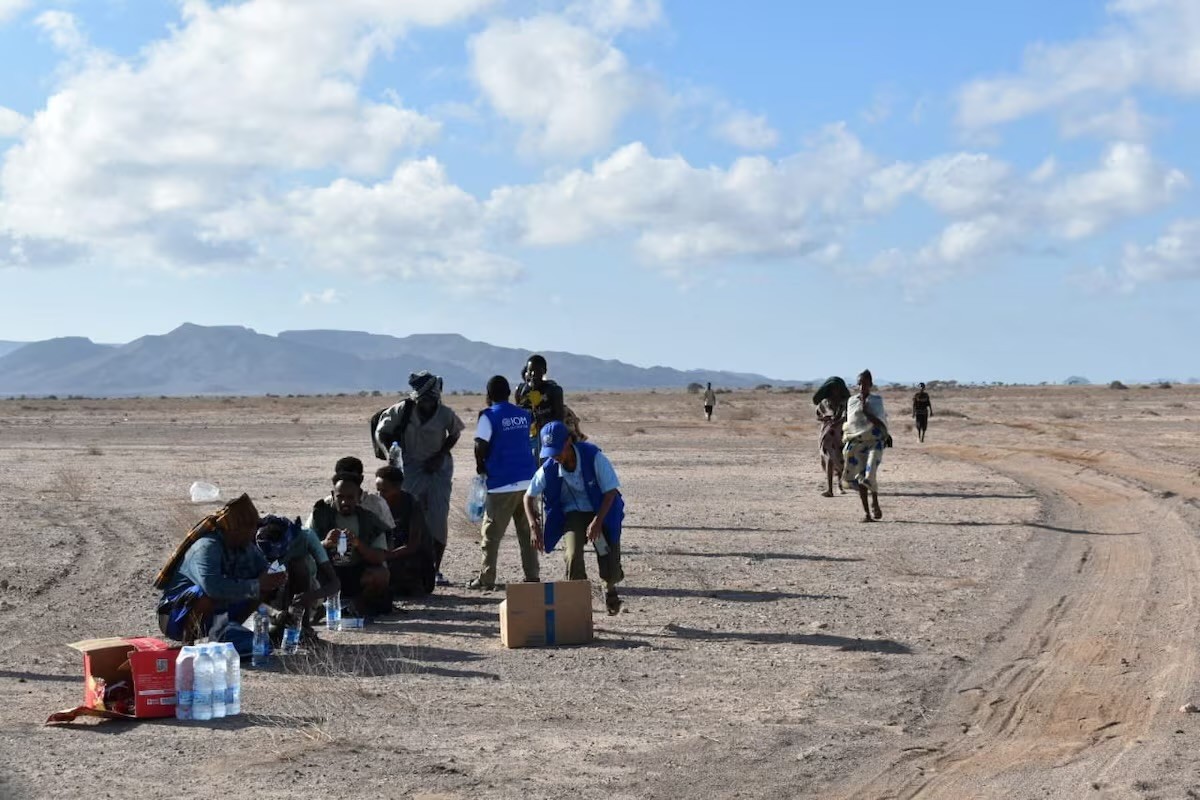
At least 139 migrants dead, including some children, after boat from Djibouti to Yemen capsizes, UN agency says
21:17
11 October 2026
Central African Republic foils planned large-scale militant attack
07:04
11 October 2026
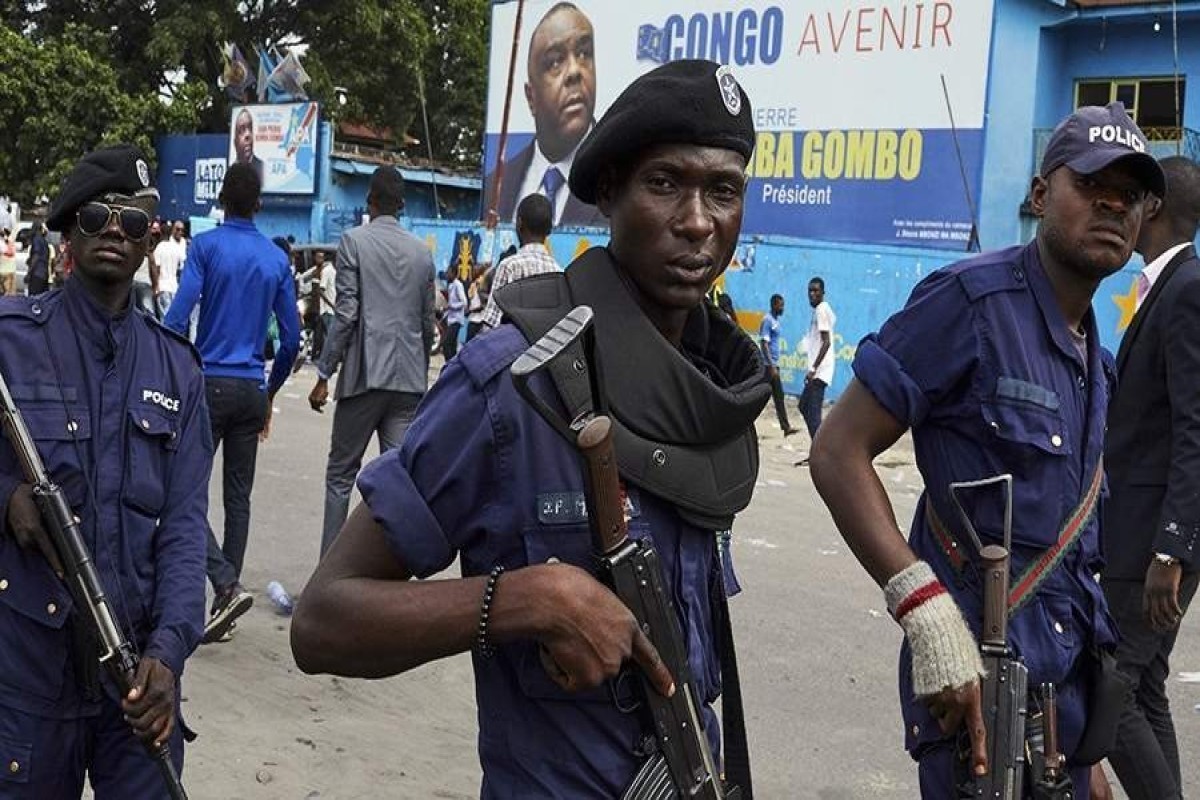
Rebel attack kills 11 civilians in DR Congo
05:16
11 October 2026

NEWS FEED
7th CICA Summit underway in Baku, President Ilham Aliyev addressed Summit - UPDATED - 2
12:27
15 October 2026
Laos joins CICA as a member state
12:25
15 October 2026
President Ilham Aliyev: War was not our choice, Armenia forced us into it
12:21
15 October 2026
Azerbaijani President: No one condemned Armenia, UN did not insist on implementation of its resolutions
12:17
15 October 2026
President Ilham Aliyev: Azerbaijan plays an increasingly important role as a connecting country in Eurasia
12:14
15 October 2026
Azerbaijan establishes Digital Communication information system -DECREE
12:08
15 October 2026
President Ilham Aliyev approves regulation on Digital Communication information system
12:03
15 October 2026
Azerbaijan Minister of Defense attends next meeting of CIS Council of Defense Ministers
12:02
15 October 2026
At least 28 killed in school roof collapse in Pakistan
12:00
15 October 2026
Istanbul records highest rainfall in 76 years, with 240 kg per square meter
11:55
15 October 2026
Mirzoyan: Armenia-Türkiye border could open at any moment
11:54
15 October 2026
IMF: GCC economies to contract by 4.8% this year
11:51
15 October 2026
Pashinyan: Peace agreement with Azerbaijan should be signed by 2031
11:44
15 October 2026
First international conference on inclusive employment held in Baku
11:39
15 October 2026
Mirzoyan does not rule out exchange of enclaves between Baku and Yerevan
11:08
15 October 2026
Zelenskyy says attacks on Russian oil refineries will resume
11:03
15 October 2026
Azerbaijan exports more than 15 million tons of oil this year
10:53
15 October 2026
Azerbaijan refines 4.5 million tons of oil this year
10:45
15 October 2026
Azerbaijan increases natural gas exports
10:42
15 October 2026
Azerbaijan's daily oil and condensate production figures announced
10:35
15 October 2026
Volume of oil and gas produced from ACG and Shah Deniz fields to date announced
10:24
15 October 2026
Delegation from Italy visits Azerbaijan
10:10
15 October 2026
Georgian FM: Joint projects of Georgia, Azerbaijan and Türkiye serve as a solid foundation
10:08
15 October 2026
IMF: South Caucasus and Central Asia show resilience to Middle East crisis
10:05
15 October 2026
Investments in Middle Corridor open new opportunities for South Caucasus - Director
10:01
15 October 2026
Trump says government officials who leak to the media ‘should be shot’
09:55
15 October 2026
Azerbaijani oil sold above $124 per barrel
09:46
15 October 2026
Gold and silver prices rise in commodity markets
09:32
15 October 2026
Brent oil price falls below $105
09:25
15 October 2026
FM Bayramov meets Chinese FM - UPDATED
09:02
15 October 2026
US considers easing sanctions on shadow fleet vessels to cut freight rates, official says
09:00
15 October 2026
President of Turkmenistan arrives in Azerbaijan
08:57
15 October 2026
Eight US states sue OpenAI, claiming ChatGPT harms young users
08:44
15 October 2026
US proposes partial unfreezing of Russian assets to revive Ukraine talks — FT
07:02
15 October 2026
More than 40 flights to Istanbul have been diverted to other airports
04:09
15 October 2026
Houthis claim hit on Saudi fighter jet
03:41
15 October 2026
US destroys Iran-linked ship in Gulf of Oman
02:37
15 October 2026
Aston Villa beat Fenerbahce 6-0 in Champions League clash at Villa Park
02:10
15 October 2026
Media and Broadcasting Council and Ministry of Health release joint statement
01:37
15 October 2026
Trump: Canada will end up being 51st state
01:14
15 October 2026
Istanbul roads collapse, traffic hits 90% as flooding continues
00:52
15 October 2026
Banks, buildings burn as Albania's capital Tirana erupts into student violence
00:26
15 October 2026
Six years pass since Armenian army's shelling of Terter cemetery
00:00
15 October 2026
Haberturk: Teenager dies from electric shock during heavy rain in Istanbul
23:45
14 October 2026
Ukrainian President rules out resigning, holding elections
23:39
Audio
14 October 2026
FBI denies Patel's visit to Russia
23:16
14 October 2026
Britain will develop military equipment for Ukraine
23:00
14 October 2026
Dinner hosted on behalf of President Ilham Aliyev in honor of participants of 7th CICA Summit
22:44
14 October 2026
French President to visit Gulf states from October 19 to 21
22:34
14 October 2026
President Ilham Aliyev met with President of Tajikistan
22:18
14 October 2026


