













Baku – APA. Patients jammed rudimentary clinics and health workers in surgical masks sprayed anti-bacterial solution on muddy paths as the government struggled to contain a cholera epidemic that has killed nearly 800 Nigerians in two months, APA reports quoting “Associated Pressâ€.
The worst epidemic in Nigeria in 19 years is spreading to Cameroon, Chad and Niger, where it has killed hundreds more.
At a maternity clinic and a nearby hospital in Ganjuwa, patients with blank eyes lay contorted on fouled mattresses from severe diarrhea triggered by the cholera. Small children laying under traditional brightly colored cloth were hooked up to IV tubes as doctors tried to save them by rehydrating them intravenously.
As more and more patients arrived and occupied all the beds in the wards, doctors had to put them into storerooms and concrete hallways wet with human waste.
Throughout villages like Ganjuwa and cities across West Africa, lack of clean drinking water is allowing the waterborne bacterial disease to bloom. In Nigeria, 13,000 people have been sickened, according to the nation’s Health Ministry.
Salisu Garba needs only to look at a communal trash pit outside his family’s home in Ganjuwa to see how the cholera bacteria sickened and ultimately killed his 20-year-old brother. Seasonal rains have turned the trash pit into a pond of raw sewage, which seeps into nearby wells, infecting Garba’s family and others in this rural village in northern Nigeria.
"That pond is a source of worry," Garba said. "We don’t have any hope."
"These areas become breeding ground for cholera," said Chris Cormency, a UNICEF official monitoring the epidemic.
Cormency said the disease began in Nigeria and then spread to neighboring Cameroon, where more than 300 people have died and 5,000 have fallen ill. In Chad, more than 40 have died and 600 are sickened, while the disease also has popped up in nearby Niger, he said. It was not immediately clear how many people were affected there.
After someone was found sick with cholera on a train in Cameroon, the other 1,500 people onboard panicked. Health officials gave out antibiotics and tried to decontaminate the train, media in Cameroon reported.
Cholera is a fast-developing, highly contagious infection that causes diarrhea, leading to severe dehydration and possible death. The current outbreak is the worst in Nigeria since 1991, when 7,654 people died, according to the World Health Organization.
Cholera is easily preventable with clean water and sanitation but in places like West Africa, sanitation often remains an afterthought in teeming city slums and mudwalled villages.
In Nigeria, almost half the country’s 150 million people lack access to clean water and proper sanitation, according to the WHO, even though the government earns billions of dollars a year as one of Africa’s top oil exporters.
Poor sanitation "is the backbone of this disease," said Adamu Abubakar, a Red Cross official in Bauchi state, a rural region of rolling mountains and pasturelands where Ganjuwa sits.
Doctors at the maternity clinic, which during this crisis has been transformed into a cholera hospital, try to keep the disease from spreading by waving off well-wishers and preventing ill mothers from holding their children.
The poorly funded clinics put patients on torn, yellow foam mattresses, with only a plastic bucket underneath to catch the waste that drains off.
The seriously ill receive drugs through an IV. Many can be treated simply by remaining well hydrated during the illness. Abubakar and other Red Cross officials offered powdered mixes to families in Ganjuwa on a recent morning and gave advice.
In Bauchi, the state capital, the major state hospital has a clinic staffed by Doctors Without Borders, where more than 100 cholera patients are being treated. Officials say many more cholera sufferers are in local clinics or at home in other states throughout Nigeria’s north.
Volunteers carrying large sprayers moved through the littered, narrow dirt streets of Ganjuwa and into family compounds, spraying a chlorine solution designed to kill the cholera bacteria. The teams also dumped chlorine tablets into wells.
Dr. Musa Dambam Mohammed, a Bauchi state health official, said the local government has chlorinated every well in the region and informed the public about how to avoid contracting the illness.
However, the chlorine wears off over time, leaving the wells again susceptible to cholera. And the rains have not stopped. They flush sewage out of small holes at the base of mud walls along narrow dirt paths and into the trash-pit pond near Garba’s family compound, where chickens peck at refuse and children learn to read the Quran from wooden tablets.
But now, everyone here knows the danger lurking in the algae-covered water.
"Within two hours you can be dehydrated," Garba said. "You cannot even stand on your toes."


 Follow us on Telegram
 t.me/apanewsaz
 Follow us on Instagram
 Follow us on TikTok
 Follow us on Facebook
 Follow us on X
Africa
Two killed, five injured in shooting in S. Africa
 16:09
16:09
 14 October 2026
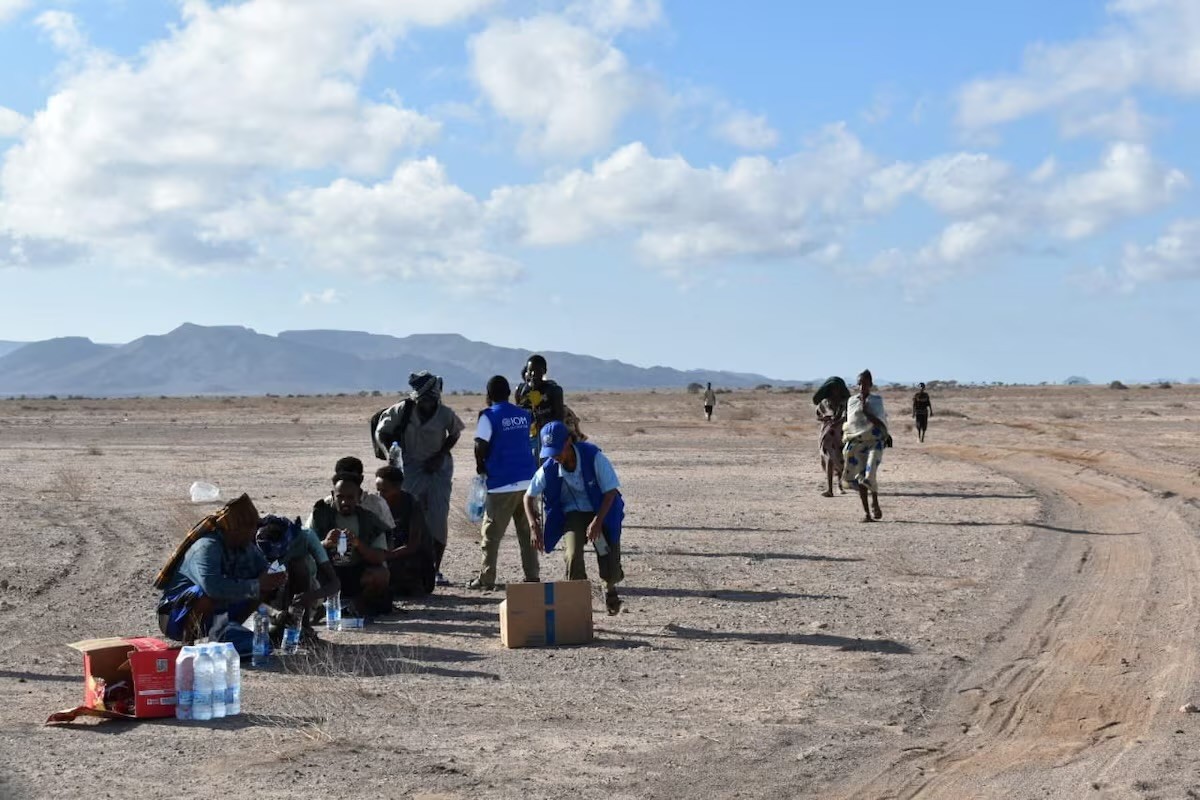
At least 139 migrants dead, including some children, after boat from Djibouti to Yemen capsizes, UN agency says
21:17
11 October 2026
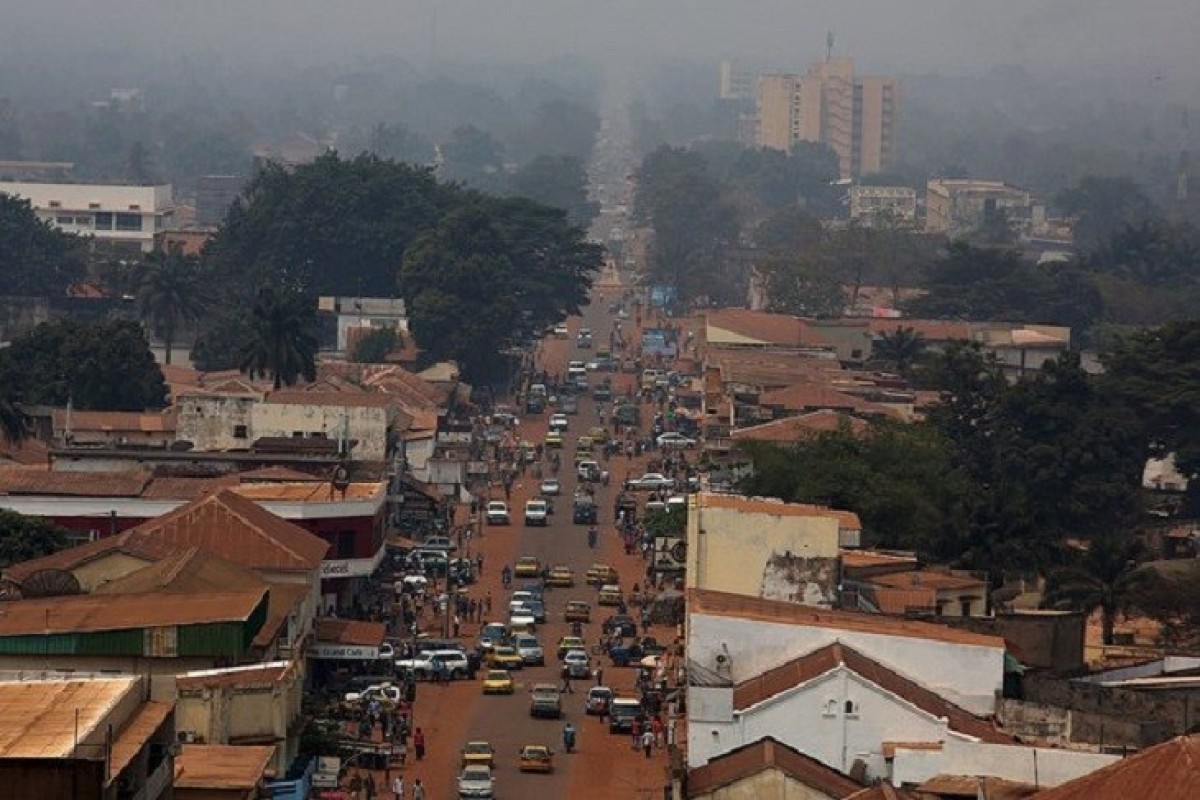
Central African Republic foils planned large-scale militant attack
07:04
11 October 2026
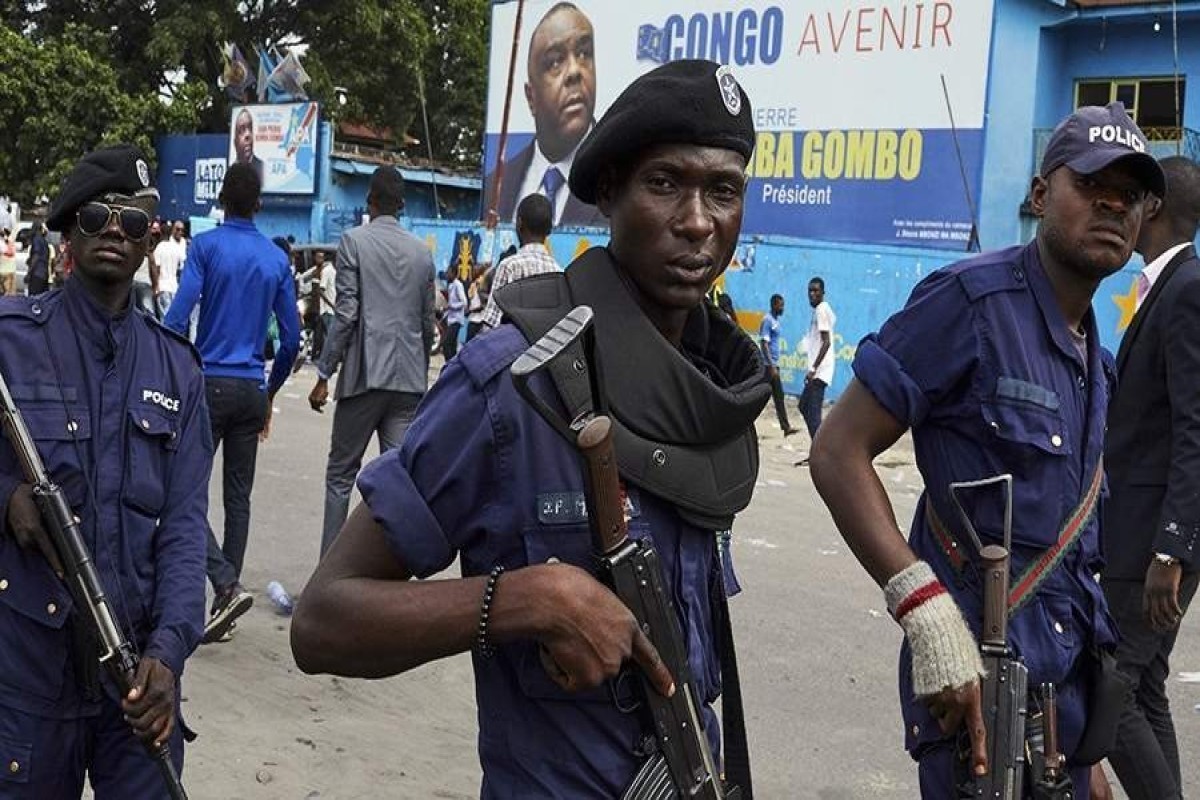
Rebel attack kills 11 civilians in DR Congo
05:16
11 October 2026

NEWS FEED
First international conference on inclusive employment held in Baku
11:39
15 October 2026
Baku hosts 7th CICA Summit
11:35
15 October 2026
Mirzoyan does not rule out exchange of enclaves between Baku and Yerevan
11:08
15 October 2026
Zelenskyy says attacks on Russian oil refineries will resume
11:03
15 October 2026
Azerbaijan exports more than 15 million tons of oil this year
10:53
15 October 2026
Azerbaijan refines 4.5 million tons of oil this year
10:45
15 October 2026
Azerbaijan increases natural gas exports
10:42
15 October 2026
Azerbaijan's daily oil and condensate production figures announced
10:35
15 October 2026
Volume of oil and gas produced from ACG and Shah Deniz fields to date announced
10:24
15 October 2026
Delegation from Italy visits Azerbaijan
10:10
15 October 2026
Georgian FM: Joint projects of Georgia, Azerbaijan and Türkiye serve as a solid foundation
10:08
15 October 2026
IMF: South Caucasus and Central Asia show resilience to Middle East crisis
10:05
15 October 2026
Investments in Middle Corridor open new opportunities for South Caucasus - Director
10:01
15 October 2026
Trump says government officials who leak to the media ‘should be shot’
09:55
15 October 2026
Azerbaijani oil sold above $124 per barrel
09:46
15 October 2026
Gold and silver prices rise in commodity markets
09:32
15 October 2026
Brent oil price falls below $105
09:25
15 October 2026
FM Bayramov meets Chinese FM - UPDATED
09:02
15 October 2026
US considers easing sanctions on shadow fleet vessels to cut freight rates, official says
09:00
15 October 2026
President of Turkmenistan arrives in Azerbaijan
08:57
15 October 2026
Eight US states sue OpenAI, claiming ChatGPT harms young users
08:44
15 October 2026
US proposes partial unfreezing of Russian assets to revive Ukraine talks — FT
07:02
15 October 2026
More than 40 flights to Istanbul have been diverted to other airports
04:09
15 October 2026
Houthis claim hit on Saudi fighter jet
03:41
15 October 2026
US destroys Iran-linked ship in Gulf of Oman
02:37
15 October 2026
Aston Villa beat Fenerbahce 6-0 in Champions League clash at Villa Park
02:10
15 October 2026
Media and Broadcasting Council and Ministry of Health release joint statement
01:37
15 October 2026
Trump: Canada will end up being 51st state
01:14
15 October 2026
Istanbul roads collapse, traffic hits 90% as flooding continues
00:52
15 October 2026
Banks, buildings burn as Albania's capital Tirana erupts into student violence
00:26
15 October 2026
Six years pass since Armenian army's shelling of Terter cemetery
00:00
15 October 2026
Haberturk: Teenager dies from electric shock during heavy rain in Istanbul
23:45
14 October 2026
Ukrainian President rules out resigning, holding elections
23:39
Audio
14 October 2026
FBI denies Patel's visit to Russia
23:16
14 October 2026
Britain will develop military equipment for Ukraine
23:00
14 October 2026
Dinner hosted on behalf of President Ilham Aliyev in honor of participants of 7th CICA Summit
22:44
14 October 2026
French President to visit Gulf states from October 19 to 21
22:34
14 October 2026
President Ilham Aliyev met with President of Tajikistan
22:18
14 October 2026
President Ilham Aliyev met with President of Uzbekistan-UPDATED
21:50
14 October 2026
US plans to deploy hundreds of thousands of kamikaze drones
21:41
14 October 2026
Zelenskyy says he feels 'betrayed' by Trump's actions
21:25
14 October 2026
FBI Director Patel visits in Russia
20:37
14 October 2026
Iranian FM, Lebanese President discuss developments in Lebanon and the region
20:27
14 October 2026
Le Pen and Melenchon gain momentum ahead of French 2027 election, poll shows
20:11
14 October 2026
Amir of Qatar arrives in Azerbaijan
19:35
14 October 2026
Hakan Fidan arrives in Baku - UPDATED
19:13
14 October 2026
President Ilham Aliyev met with President of Israel
19:11
14 October 2026
President Ilham Aliyev receives member of Political Bureau of CPC Central Committee
19:09
14 October 2026
President Ilham Aliyev receives Bahrain’s Foreign Minister
19:09
14 October 2026
Georgia not invited to EU forum
19:08
14 October 2026


