











Baku – APA. Ignace Ntezimana was emphatic about who he had voted for in Monday’s presidential election in Rwanda, APA reports quoting “The New York Timesâ€.
“Kagame, Kagame, Kagame!†said Mr. Ntezimana, a college student. He rattled off a list of reasons why. “Security. Education. Infrastructure.â€
But the most important reason, he said, was this: “Kagame is our leader. We have to follow him.â€
Rwanda’s president, Paul Kagame, has been in control of the country since 1994. He has helped resurrect it from genocide into one of the most orderly countries in Africa. In 2003 he was elected with 95 percent of the vote. On Monday, he seemed to be cruising toward another landslide victory — shadowed by increasing concerns over government repression.
Voters lined up in neat, quiet lines even before dawn. In some areas, according to state radio, every voter on the registry had cast a ballot in the first hour. Local observers and Western diplomats predicted a huge win for Mr. Kagame. Among the dozen or so voters interviewed on Monday, all reported casting a ballot for the president.
But then none of his three challengers was considered a genuine alternative. Those who might have been — leading opposition politicians who have spoken out against Mr. Kagame — were barred from competing. (The government cited technical reasons.) Several opposition leaders have been arrested; one was recently found dead with his head nearly chopped off.
Some ballot boxes were swathed in shiny pink fabric and festooned with bows, ribbons and balloons. The elaborate decorations, along with the reports of 100-percent turnout in some places, seemed to feed into how critics inside Rwanda and among Western human rights groups have characterized Rwanda’s democracy — as a dressed-up dictatorship.
“Increasing political repression and a crackdown on free speech†was what Human Rights Watch said about the pre-election environment. Several Rwandans said in recent interviews that local officials and police officers had pressed them to contribute to the Kagame campaign and vote for the president. Voters here don’t punch out a chad or scratch an X to cast their vote but leave a carefully pressed thumb print next to their choice — Mr. Kagame’s symbol on the ballot was a clenched fist. The system seemed to reinforce some voters’ suspicions that there was no such thing as a secret ballot here and that if the government wanted to, it could determine who voted against the president.
“They are watching us,†said one man, Gaetan, who feared giving out his full name.
Yet many people seemed quite excited to vote for another seven years of Mr. Kagame. And that may be the reality in Rwanda — that government repression and genuine affection for the government coexist. To people in a poor corner of the poorest continent, Mr. Kagame has delivered a very tangible set up of benefits.
“These are Kagame schools,†said Theophile Hakizimana, a teacher, tapping the bricks of a rural school built a few years ago. He said he had just voted for Mr. Kagame. “I think just about everyone here did,†he said.
Mr. Hakizimana was 10 during Rwanda’s genocide in 1994 and said that he had witnessed people getting hacked to death right in front of him.
“Many countries said it would be impossible for us to rebuild,†he said. “Look at us now.â€
Rwanda is considered one of Africa’s safest and least corrupt countries, and it has made enormous strides in building its economy and fighting poverty. Because of this, Mr. Kagame’s government has become the darling of the aid community, which continues to pump in hundreds of millions of dollars each year.
Mr. Kagame, 52, was a former rebel fighter who grew up as a refugee in Uganda. Analysts say he embodies a mix of progressive values and dictatorial tendencies. While he has abolished the death penalty, promoted women and embraced new technologies — he even has his own Twitter feed — he also seems allergic to dissent and has enforced hard-line policies, such as shutting down most independent media and surrounding himself with members of his minority Tutsi ethnic group.
He has justified his actions by saying that peace in Rwanda is still very fragile and that free expression could lead to ethnic war. He and other government officials have denied any role in the recent attacks on opposition members and journalists.
Preliminary results are due later Monday night.


 Follow us on Telegram
 t.me/apanewsaz
 Follow us on Instagram
 Follow us on TikTok
 Follow us on Facebook
 Follow us on X
Africa
Two killed, five injured in shooting in S. Africa
 16:09
16:09
 14 October 2026
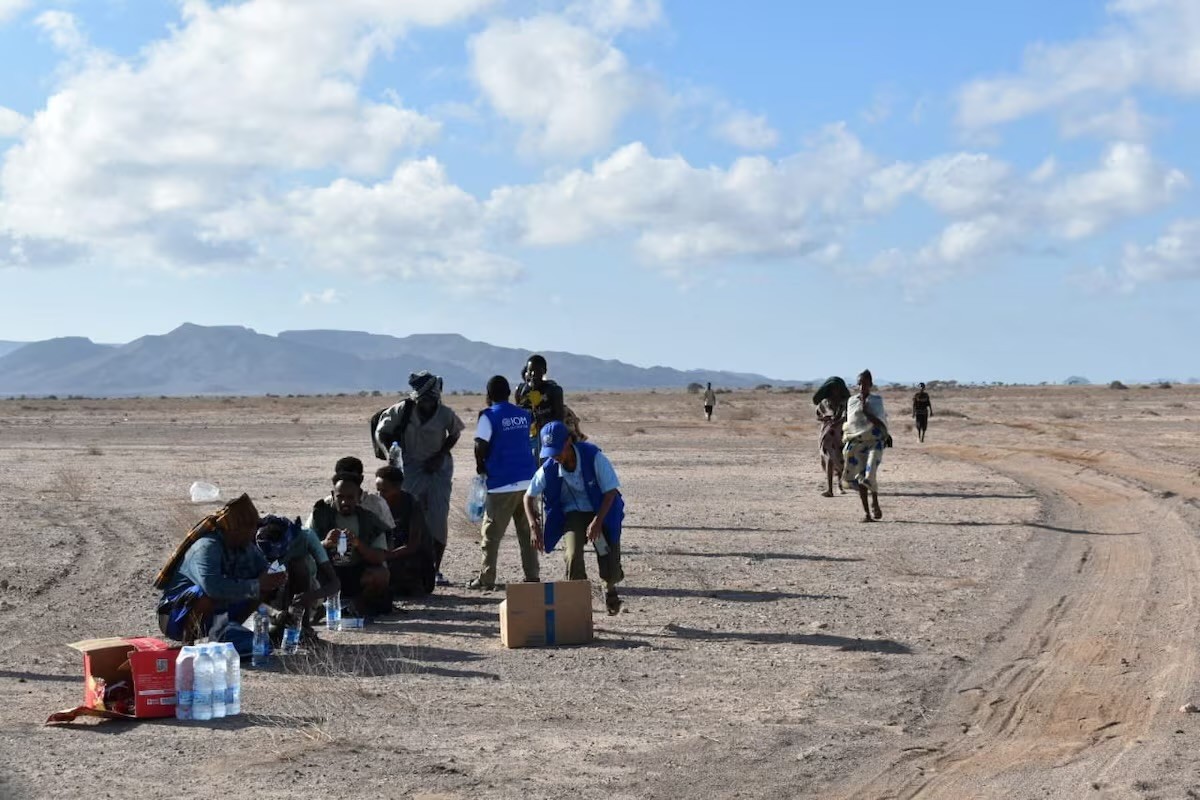
At least 139 migrants dead, including some children, after boat from Djibouti to Yemen capsizes, UN agency says
21:17
11 October 2026
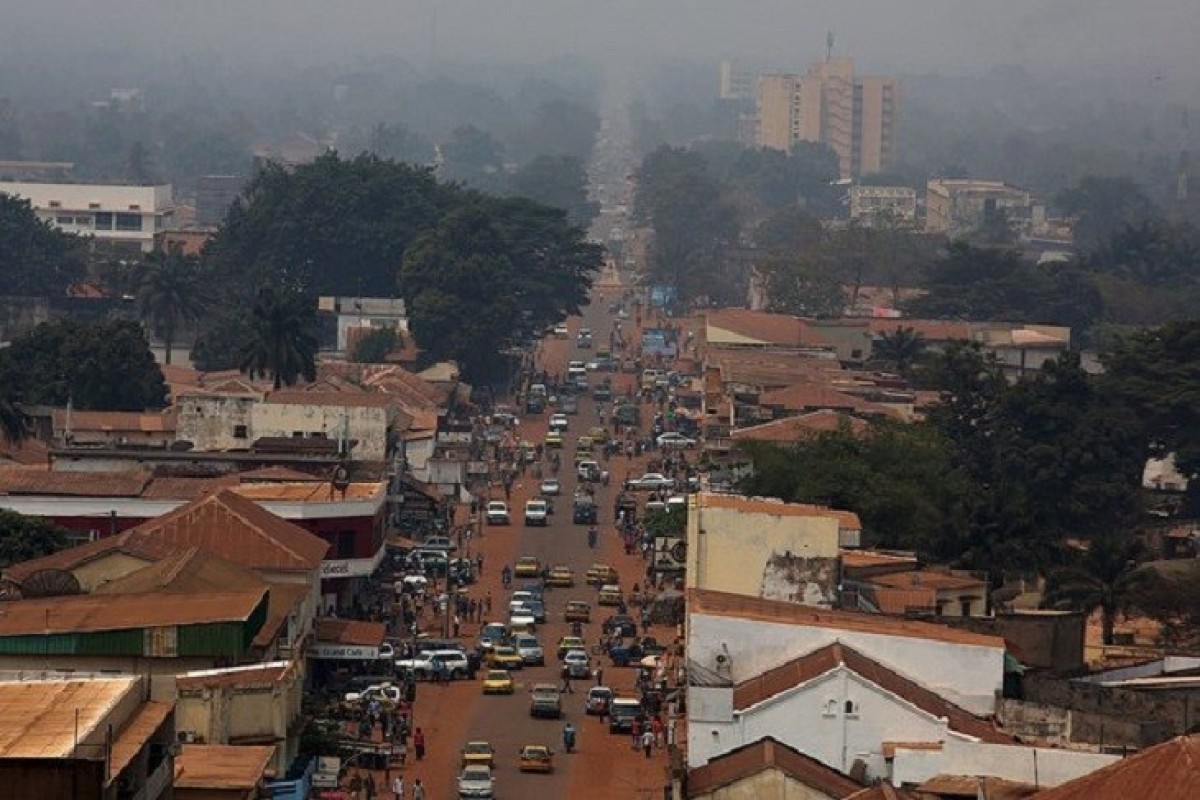
Central African Republic foils planned large-scale militant attack
07:04
11 October 2026
Rebel attack kills 11 civilians in DR Congo
05:16
11 October 2026

NEWS FEED
Azerbaijan refines 4.5 million tons of oil this year
10:45
15 October 2026
Azerbaijan increases natural gas exports
10:42
15 October 2026
Azerbaijan's daily oil and condensate production figures announced
10:35
15 October 2026
Volume of oil and gas produced from ACG and Shah Deniz fields to date announced
10:24
15 October 2026
Delegation from Italy visits Azerbaijan
10:10
15 October 2026
Georgian FM: Joint projects of Georgia, Azerbaijan and Türkiye serve as a solid foundation
10:08
15 October 2026
IMF: South Caucasus and Central Asia show resilience to Middle East crisis
10:05
15 October 2026
Investments in Middle Corridor open new opportunities for South Caucasus - Director
10:01
15 October 2026
Trump says government officials who leak to the media ‘should be shot’
09:55
15 October 2026
Azerbaijani oil sold above $124 per barrel
09:46
15 October 2026
Gold and silver prices rise in commodity markets
09:32
15 October 2026
Brent oil price falls below $105
09:25
15 October 2026
FM Bayramov meets Chinese FM - UPDATED
09:02
15 October 2026
US considers easing sanctions on shadow fleet vessels to cut freight rates, official says
09:00
15 October 2026
President of Turkmenistan arrives in Azerbaijan
08:57
15 October 2026
Eight US states sue OpenAI, claiming ChatGPT harms young users
08:44
15 October 2026
US proposes partial unfreezing of Russian assets to revive Ukraine talks — FT
07:02
15 October 2026
More than 40 flights to Istanbul have been diverted to other airports
04:09
15 October 2026
Houthis claim hit on Saudi fighter jet
03:41
15 October 2026
US destroys Iran-linked ship in Gulf of Oman
02:37
15 October 2026
Aston Villa beat Fenerbahce 6-0 in Champions League clash at Villa Park
02:10
15 October 2026
Media and Broadcasting Council and Ministry of Health release joint statement
01:37
15 October 2026
Trump: Canada will end up being 51st state
01:14
15 October 2026
Istanbul roads collapse, traffic hits 90% as flooding continues
00:52
15 October 2026
Banks, buildings burn as Albania's capital Tirana erupts into student violence
00:26
15 October 2026
Six years pass since Armenian army's shelling of Terter cemetery
00:00
15 October 2026
Haberturk: Teenager dies from electric shock during heavy rain in Istanbul
23:45
14 October 2026
Ukrainian President rules out resigning, holding elections
23:39
Audio
14 October 2026
FBI denies Patel's visit to Russia
23:16
14 October 2026
Britain will develop military equipment for Ukraine
23:00
14 October 2026
Dinner hosted on behalf of President Ilham Aliyev in honor of participants of 7th CICA Summit
22:44
14 October 2026
French President to visit Gulf states from October 19 to 21
22:34
14 October 2026
President Ilham Aliyev met with President of Tajikistan
22:18
14 October 2026
President Ilham Aliyev met with President of Uzbekistan-UPDATED
21:50
14 October 2026
US plans to deploy hundreds of thousands of kamikaze drones
21:41
14 October 2026
Zelenskyy says he feels 'betrayed' by Trump's actions
21:25
14 October 2026
FBI Director Patel visits in Russia
20:37
14 October 2026
Iranian FM, Lebanese President discuss developments in Lebanon and the region
20:27
14 October 2026
Le Pen and Melenchon gain momentum ahead of French 2027 election, poll shows
20:11
14 October 2026
Amir of Qatar arrives in Azerbaijan
19:35
14 October 2026
Hakan Fidan arrives in Baku - UPDATED
19:13
14 October 2026
President Ilham Aliyev met with President of Israel
19:11
14 October 2026
President Ilham Aliyev receives Bahrain’s Foreign Minister
19:09
14 October 2026
President Ilham Aliyev receives member of Political Bureau of CPC Central Committee
19:09
14 October 2026
Georgia not invited to EU forum
19:08
14 October 2026
President of Azerbaijan receives Sri Lankan minister
19:06
14 October 2026
President Ilham Aliyev met with Vietnamese Vice President
19:06
14 October 2026
State Migration Service: More than 30 Azerbaijani citizens readmitted from Germany
18:48
14 October 2026
MP from Pashinyan’s party denied entry to Russia
18:32
14 October 2026
Shavkat Mirziyoyev arrives in Baku - UPDATED
18:30
14 October 2026


