

Jabrayil district, located in the southwest of Azerbaijan, is among the areas distinguished by its strategic position and rich historical and cultural heritage. Situated on the left bank of the Araz River, the district was under Armenian occupation for many years, during which infrastructure and cultural heritage sites were destroyed.
According to APA's Karabakh bureau, at present, large-scale restoration and reconstruction works are being carried out in the Jabrayil district with state support.
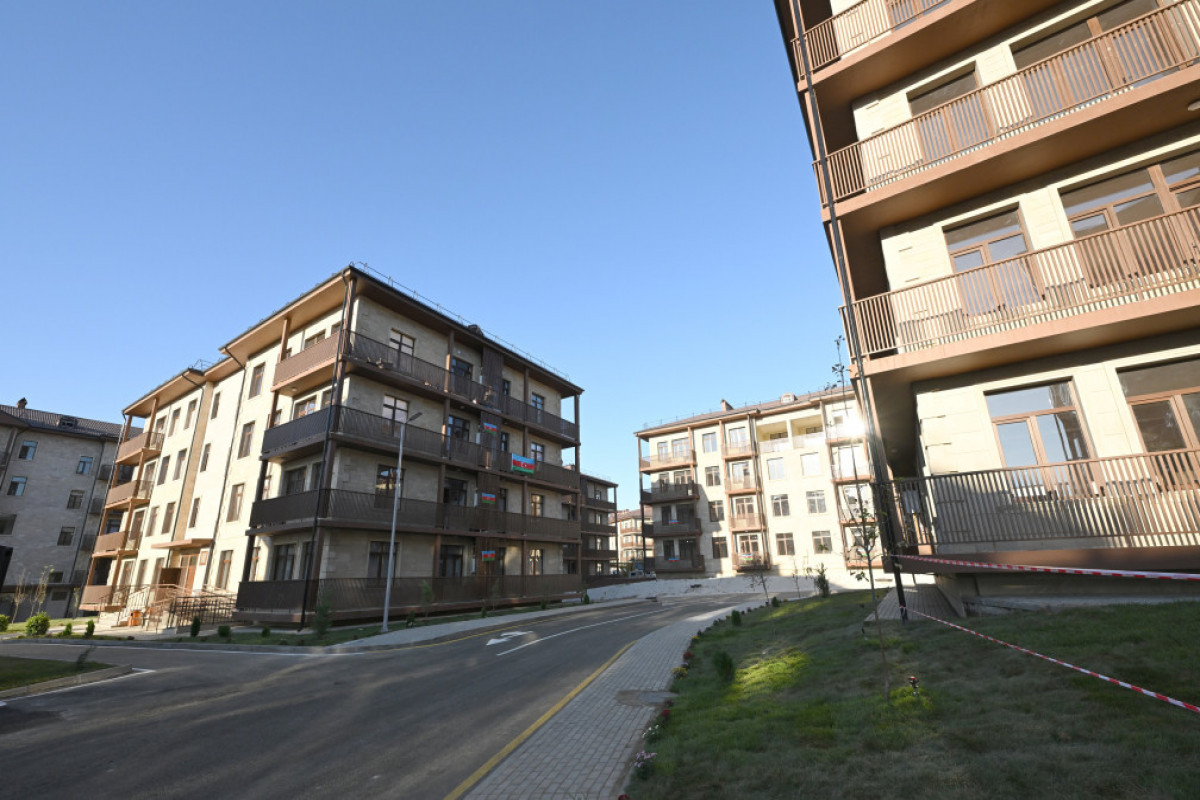
Residential infrastructure in the city of Jabrayil is being restored in stages. Over the past year, 663 families have returned to their native homeland. Families accommodated in multi-apartment residential buildings have been provided with uninterrupted electricity, drinking water, natural gas, and communication services.
One of the residents who returned to the city, Asgar Rustamov, said that in 1993, he was forced to leave Jabrayil together with his family. According to him, the period of displacement passed under difficult conditions. For a long time, he worked as a teacher at a school for displaced persons. Currently, he lives in a new apartment in the city of Jabrayil. He said that their greatest wish was to be provided with all necessary conditions and to live together with their family members in their native land.
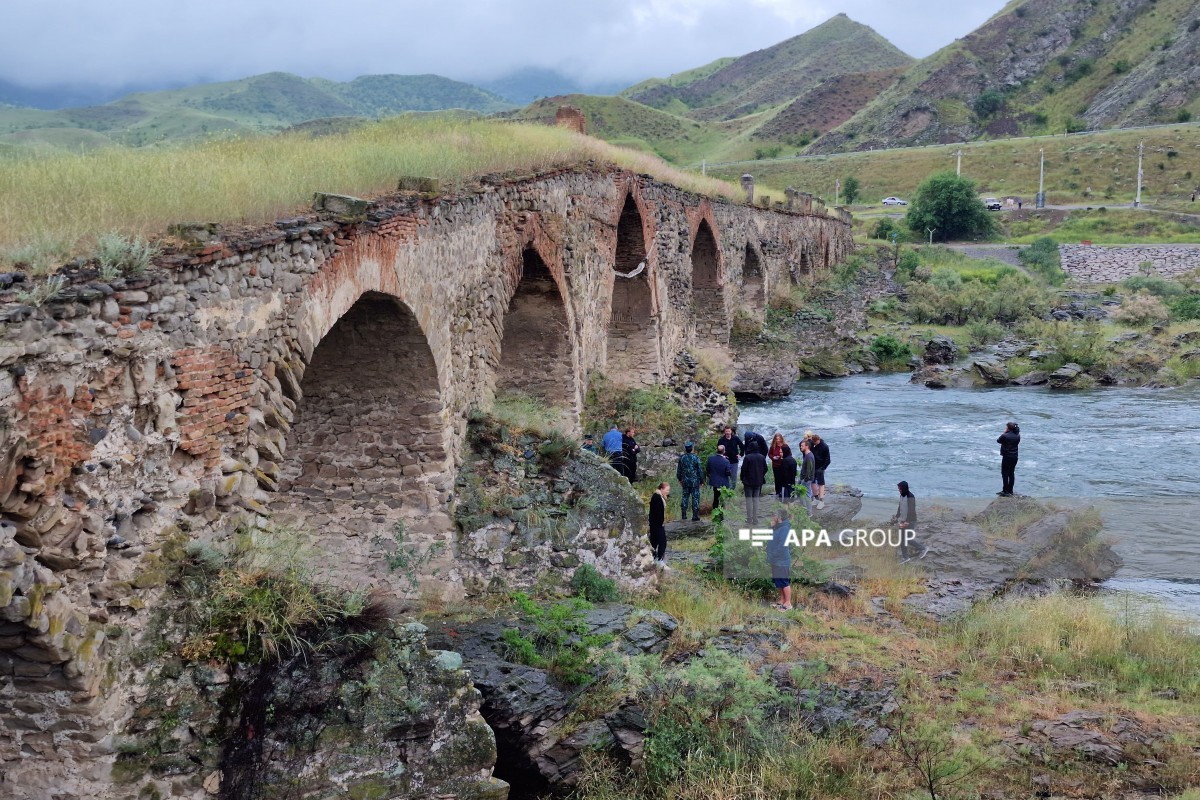
There are ancient settlements, historical monuments, and temples dating back to the Albanian period, and medieval rock inscriptions in the territory of the Jabrayil district.
It was observed that elderly residents living in the city are also actively participating in the restoration of the environment. They volunteer in tasks such as cleaning green areas and pruning trees.
According to the “Master Plan for the Development of the City of Jabrayil,” the restoration and development of the city will be carried out in four stages.
According to the plan, it is envisaged that 15,000 people will be settled in the city of Jabrayil by the end of this year. An area of 143 hectares has been allocated for housing, where the construction of low- and mid-rise multi-apartment buildings, as well as individual residential houses with adjacent plots, is planned. According to the project, 82% of the population will live in multi-apartment buildings, while 18% will live in individual houses.


 Follow us on Telegram
 t.me/apanewsaz
 Follow us on Instagram
 Follow us on TikTok
 Follow us on Facebook
 Follow us on X