










Baku. Kamala Guliyeva – APA. APA’s interview with the Head of the International Committee of the Red Cross (ICRC) Delegation in Azerbaijan, Ms Chérine Pollini
-How do you assess the last year’s activity of the ICRC Delegation in Azerbaijan? What did the office do in Azerbaijan in 2010?
-2010 was a successful year for the Delegation. We did much. I am grateful to the employees of the Delegation in Azerbaijan and state structures for this. Last year together with the Azerbaijan Red Crescent Society, we did much with regard to the missing persons. We have collected broad information on more than 3700 missing Azerbaijanis. The information of about 200 missing persons is still to be collected. This year, we signed a license agreement with the Azerbaijan’s State Commission on Prisoners of War, Hostages and Missing Persons on January 26. This agreement will allow us to hand over the collected data on the missing persons to the State Commission which will enter the data into a database. We have also started offering psychological aid to the families of the missing persons. The aim of this assessment is to determine the services that the families need. As regards the detainees, we have the right to visit the persons detained as result of the conflict in Azerbaijan (prisoners of war and civilian internees). We can also visit other detainees in all detention places in the country. In 2010, we continued to offer our role as a neutral intermediary to the conflicting parties. During this period we assisted in handing over the prisoners of war, civilians and human remains to both sides.
-The ICRC has been implementing program on combating tuberculosis in prisons and a project on the supply of drinking water to the people living along the frontline. What has been achieved within the framework of these projects? What other projects are you going to implement?
-As result of our work, over 7000 people living along the frontline were supplied with drinking water last year. As you know, we also carried out activities in the field of combating tuberculosis in the places of detention in Azerbaijan. Last year, our cooperation with the Justice Ministry came to end in this field. At the end of March 2011, we will completely finish our work in combating tuberculosis and will hand over the programme to the Justice Ministry. We are withdrawing because the Justice Ministry is fully able to continue combating tuberculosis by itself. We are also implementing economic security assistance programs. We carried out assessments in several frontline villages. The aid will be mainly given in the field of agriculture, establishing greenhouses and purchasing livestock. The aid program will cover about 8000 people. The project costs approximately 1 million Swiss francs. This project will be implemented only on the Azerbaijani-side of the Line of Contact and will be conducted in partnership with the British Red Cross and the Azerbaijani Red Crescent..
-Can we regard last year as decisive in repatriating captives? How many captives were repatriated by Azerbaijan and Armenia last year?
-To tell the truth, I do not consider 2010 a decisive year. I think, the relations between the states faced some obstacles last year and no improvement was made in the negotiations. The main decisive point last year was the Astrakhan meeting of the presidents held on October 27. After that, the tension between the sides subsided and repatriations of prisoners of war and civilian internees resumed on the humanitarian front. ICRC participated in three handover operations last year. The first was held on April 1. Armenia handed over one prisoner of war and two human remains to Azerbaijan. The second handover took place on November 4, 2010, Azerbaijan handed over the remains of one person, while Armenia handed over a civilian internee to Azerbaijan. The last handover took place on November 6, 2010 when two human remains were returned to Azerbaijan, while Azerbaijan handed over one human remain.
- The process of repatriation of the prisoners of war, civilians and bodies was accelerated after the Astrakhan meeting between the Azerbaijani, Armenian and Russian presidents. But recently we have seen some stagnancy….
- ICRC does not participate in the negotiation process. We are waiting for any decision taken by the conflicting sides. It is difficult to predict the development of the negotiation process. ICRC offers its role of neutral intermediary to both sides.
- In the statement you issued last year, you informed that the Armenian citizen detained in Azerbaijan and the Azerbaijani military serviceman detained in Armenia expressed their will to return home. What measures does the ICRC undertake for the realization of this process presently?
- As you understood we do not participate in the negotiation process between the sideÅŸ Our role was to inform Armenia and Azerbaijan that still 2 persons are willing to be repatriated.
- How many people are held in captivity in Azerbaijan and Armenia now?
- There are two Azerbaijani prisoners of war in Armenia, while six Armenian prisoners of war and six civilian internees are held in Azerbaijan now.
- When the prisoners detained in Armenia and Azerbaijan have been visited for the last time. In general, is there any procedure for visiting the captives? How often they should be visited?
- ICRC representatives visited the Armenian citizens detained in Azerbaijan for the last time on January 25, while two Azerbaijani prisoners of war detained in Armenia were visited on December 6 last year. Regarding the procedure, we send a letter to the Defense Ministry and State Commission and then we proceed to visit the detained persons in Azerbaijan. We have the right to conduct a private dialogue with the detained persons without any witnesses or presence of government officials. Our main goal in visiting the detained persons is to check their detention conditions and their treatment. The information received during the interviews with detainees is kept in complete confidentiality. If we have any observations and recommendations to give to the detaining authorities, it will also be done in complete confidentiality and directly to them. The families of the detained persons do not get directly this information. The detained persons have the right to send “Red Cross letters†to their families. We deliver the letters to their families after examination. This is our worldwide detention working modalities. If there are new prisoners of war, we get permission to visit them..
- ICRC is also working the field of search of missing people as result of the conflict. How many persons are registered as missing in your list?
- There are 3705 missing people in our list. This figure is regularly changing. The State Commission on Prisoners of War, Hostages and Missing People also has its list. We try to consolidate our list with the State Commission’s list. For this reason, this figure is constantly changing.
- During the years of the ICRC’s operation in Azerbaijan, how many detained people have been freed with the help of the Delegation?
- We do not have exact data on this. We have been collecting the data since 2000. About 70 people (prisoners of war, civilian internees and human remains) were exchanged between the two sides in the past 10 years.
Head of the ICRC Delegation in Azerbaijan: We have collected broad information on more than 3700 missing Azerbaijanis - INTERVIEW

 04 February 2011 13:57 (UTC +04:00)


 İDMAN XƏBƏR
 Follow us on Telegram
 t.me/apanewsaz
 Follow us on Instagram
 Follow us on TikTok
 Follow us on Facebook
 Follow us on X
Social
Special conference to be held in Khankendi during Turkic World Week
12:52
 29 June 2026

Leyla Aliyeva and Alena Aliyeva attend Charity Festival
10:43
29 June 2026
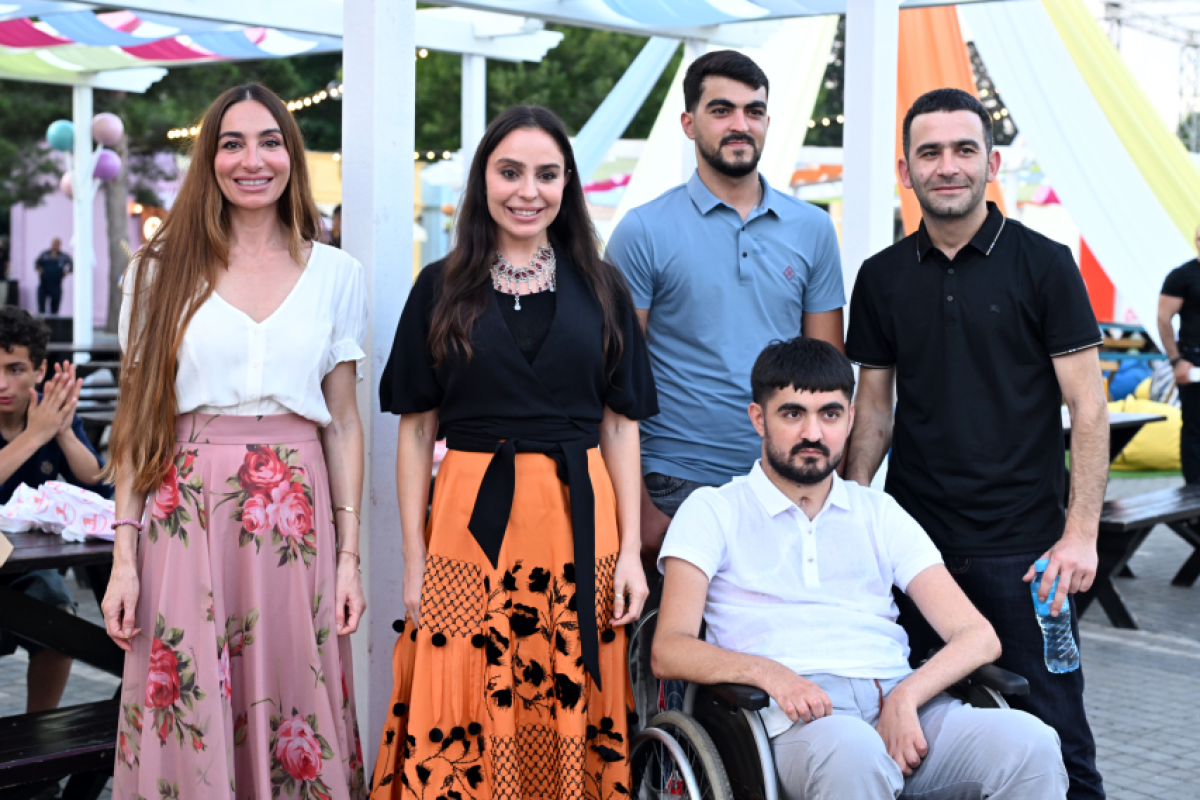
Leyla Aliyeva and Arzu Aliyeva visit "CandyFest" summer festival and watch "Magic Pearl" water circus show-PHOTO
11:24
27 June 2026
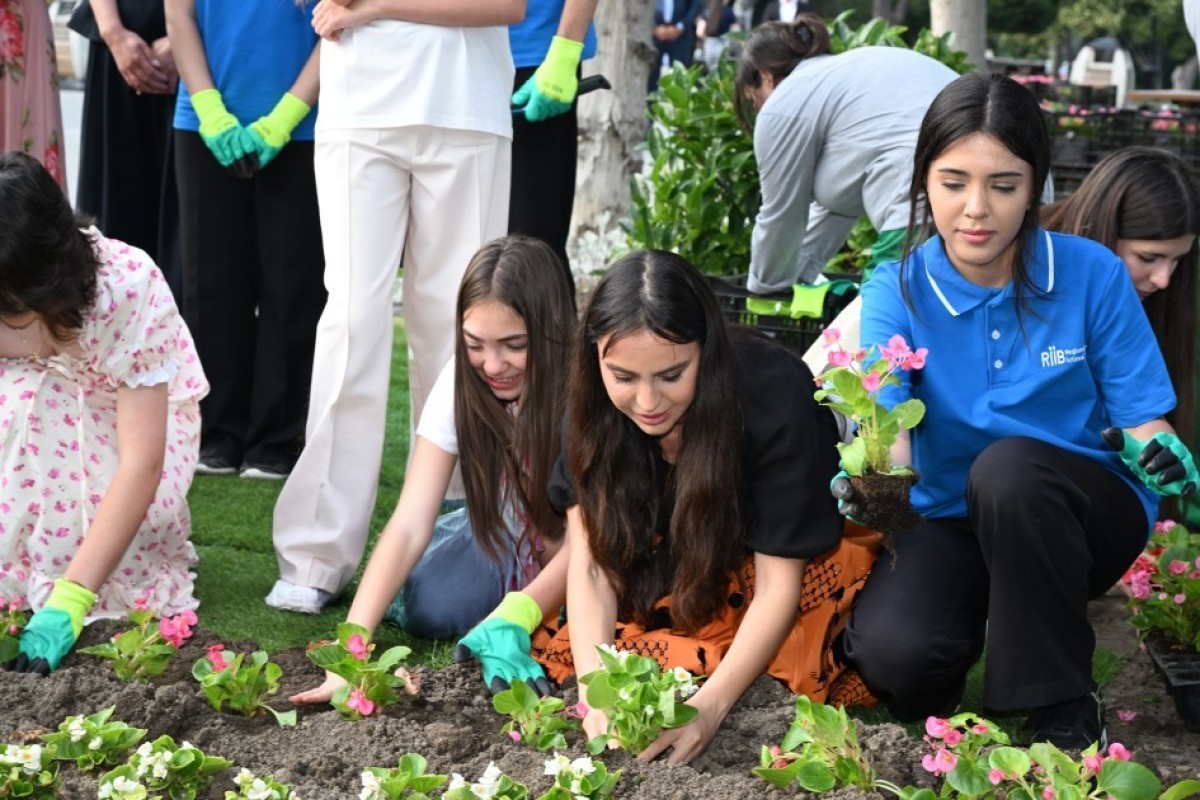
Leyla Aliyeva and Arzu Aliyeva participate in seasonal flower planting campaign on Baku Boulevard-PHOTO
11:21
27 June 2026

NEWS FEED
Russian strike on Dnipro on June 29 leaves four dead, ten wounded
13:19
29 June 2026
“Aibyn-2026” International Military-Patriotic Youth Gathering ends
13:07
29 June 2026
Iran president says country will receive $6bn of frozen funds held in Qatar
12:53
29 June 2026
Special conference to be held in Khankendi during Turkic World Week
12:52
29 June 2026
Turkic World Week dedicated to the 100th anniversary of the First Turkology Congress opens in Baku - UPDATED - PHOTO
12:47
29 June 2026
OTS Secretary General: 100th anniversary of the First Turkological Congress is of historical significance for our peoples
12:32
29 June 2026
Secretary General: Meeting held in Baku marks the beginning of a new stage in the history of the Turkic world
11:53
29 June 2026
Aghdam and Shusha to host Turkic World Week events
11:52
29 June 2026
Mirziyoyev: Turkology faces new tasks in the modern era
11:50
29 June 2026
IDF: In response to Hezbollah violations, we struck 3 headquarters in southern Lebanon
11:50
29 June 2026
Iran, Oman hold first meeting of joint committee on Hormuz, Iranian deputy FM says
11:41
29 June 2026
President Ilham Aliyev addresses participants of the First Turkological Congress centenary event - UPDATED
11:34
29 June 2026
Sadyr Japarov: The 100th anniversary of the First Turkological Congress will further strengthen friendship among Turkic peoples
11:25
29 June 2026
ANAMA discovers 73 more mines and 329 UXO in liberated territories
11:21
29 June 2026
Tokayev: Azerbaijan makes a significant contribution to strengthening ties among brotherly nations
11:19
29 June 2026
Pakistani strikes kill 36 civilians, wound 163: Afghan govt
11:07
29 June 2026
Erdoğan: Azerbaijan is contributing to the common goals of the Turkic states today
11:04
29 June 2026
President: The progressive ideas put forward by the First Turkological Congress form the foundation of the projects successfully being implemented by OTS
11:04
29 June 2026
President Ilham Aliyev: I am pleased that the initiative I put forward regarding the celebration of the 100th anniversary of the First Turkological Congress is being realized today
10:59
29 June 2026
Four bodies found in burned-out car on Yerevan–Yeraskh highway
10:58
29 June 2026
Baku to host BSTDB Annual Meeting and Business Forum
10:54
29 June 2026
Presidents of Kazakhstan and Kyrgyz Republic address participants of Turkic World Week in Baku
10:51
29 June 2026
Leyla Aliyeva and Alena Aliyeva attend Charity Festival
10:43
29 June 2026
Russian army launches 973 strikes on 45 settlements in Ukraine's Zaporizhzhia region in 24 hours
10:32
29 June 2026
Official Baku calls on Israeli government to reconsider decision on the so-called "Armenian genocide"
10:14
29 June 2026
Azerbaijan Army conducts demonstration classes with new officers
10:08
29 June 2026
Latvia and Ukraine to build a UAV factory near the border with Russia and Belarus
09:51
29 June 2026
Kaja Kallas and Kos arrive in Türkiye ahead of NATO summit
09:25
29 June 2026
Belarusian President Alexander Lukashenko is on a working visit to China
09:22
29 June 2026
Oil prices rise again on world markets
09:14
29 June 2026
Bitcoin price drops below $60,000
09:13
29 June 2026
Gold futures decline on commodity markets
09:07
29 June 2026
Israel announces destruction of Hezbollah underground facility in southern Lebanon
03:36
29 June 2026
Canadian national team qualifies for FIFA World Cup 1/8 finals
01:55
29 June 2026
Axios: U.S., Iran agree to ceasefire, Doha talks on Strait of Hormuz
01:27
29 June 2026
Putin: Ukrainian strikes on Russia's energy infrastructure undoubtedly create problems
01:26
Audio
29 June 2026
Türkiye says Israel using 1915 events decision to cover up crimes against Palestinians
23:20
28 June 2026
33 people rescued, thousands still missing after Venezuela quakes
22:44
28 June 2026
Qatari citizen died from shrapnel wounds on board ship
21:54
28 June 2026
Russian President held meeting on fuel supplies for domestic market
20:50
28 June 2026
Starmer could run for NATO Secretary General
20:33
28 June 2026
Azerbaijani MFA expresses condolences over helicopter crash in Saudi Arabia
19:03
28 June 2026
Mutual attacks between Iran and the US are increasing – LATEST SITUATION
17:13
28 June 2026
Israeli government unanimously votes to recognize the so-called "Armenian genocide," bill to be submitted to Knesset
15:06
28 June 2026
Another wheat shipment transits Azerbaijan from Russia to Armenia-PHOTO
13:06
28 June 2026
Venezuela quake death toll rises to 1,430
10:00
28 June 2026
IRGC says it struck U.S. military infrastructure in Kuwait and Bahrain
09:34
28 June 2026
Trump threatens more military action against Iran if strikes continue
03:52
Audio
28 June 2026
UN: Venezuela earthquake could affect more than 6.7 million people
02:44
28 June 2026
US launches more strikes against Iran
02:17
Audio
28 June 2026


