












Baku – APA. Two big pieces of news emerged this weekend from Afghanistan: dramatic reports of violence and confirmation that the United States and the Taliban are meeting, APA reports quoting “Alaska Dispatchâ€.
The fighting does not mean talks are not serious, say experts who expect both to coexist as the country struggles to find its equilibrium.
Just hours after Afghan President Hamid Karzai confirmed reports of talks between the Taliban and the US, gunmen stormed a police station Saturday near the presidential palace. The same day, eight NATO troops were killed. Today, a pair of drones struck Pakistan in Kurram Agency, a region rarely under fire by US drones.
While intense fighting does not help the rapport between negotiators, both sides want to show battlefield momentum in order to attain more leverage at the peace table. The decentralized nature of this insurgency also makes cease-fires a less likely feature of this peace process.
“Talking to one group of insurgents that are a part of this network cannot prevent violence from other pillars of this network,†says Waliullah Rahmani, a security analyst in Kabul. That may be true even if a peace deal eventually is reached. “Violence will continue, and those that are irreconcilable, they will intensify their efforts and their insurgency.â€
Many close observers agree that a major step has taken place in the peace process. Mr. Karzai’s announcement merely referenced what had leaked a month ago, says Michael Semple, an informal mediator in the Afghan talks. Der Spiegel had reported meetings between a deputy of Mullah Omar named Tayyab Agha and US representatives from the State Department and CIA.
“The key difference with this [set of talks] was these were properly mandated officials from both sides. Even if they haven’t progressed very far on the agenda, the fact that they have credentials makes this more important than previous indirect contacts,†says Mr. Semple.
Previous discussions between Taliban and international figures were limited by uncertainty regarding the authority of those involved and the filtering of messages through intermediaries. In the fog of this type of early dialogue, NATO once brought a “Taliban representative†to Kabul who turned out to be an imposter.
The current talks, while direct, remain shrouded in secrecy even to allies and underlings on all sides. The peace process will eventually need to involve a much broader range of stakeholders.
Is the Afghanistan government involved in talks?
The Afghan government’s High Peace Council is not participating in the US-Taliban talks at the moment, and may not even be privy to its details.
“I don’t have any details of this process that is going on between the Taliban and the Afghan government,†says Moulabi Attaullah Loudin, a member of the council. “It is a separate process, but it’s good for us.â€
Whole factions of the insurgency also don’t appear to be involved in these talks, including the hard-line Haqqani network as well as the more flexible Hizb-e-Islami faction led by Gulbuddin Hekmatyar.
The head of Mr. Hekmatyar’s political wing, Ghairat Baheer, expressed frustration to the Monitor a couple weeks ago in Islamabad, Pakistan, with the current peace process. He argued that the talks needed to be formal and public. He said the US was being “arrogant†in wanting to keep talks secret so as not to legitimize the insurgency.
But Hekmatyar’s group may simply be frustrated that the US has evidently prioritized talks with Mr. Omar’s faction. The secrecy benefited the Taliban given the group’s public rejection of talks before foreign forces exit Afghanistan.
One former Taliban official, Muhammad Hassan Haqyar, says focus on Omar does not bother Afghans who are optimistic about the news. “It does not mean they are not willing to talk with others,†Mr. Haqyar says.
Skeptical observers
Mid-level commanders under Omar are also on the outside looking in on this process. One interviewed by phone said he had heard that "something was happening" with talks, but he was skeptical that they would bear fruit.
"This process will not have any results. The Afghan government and the US are just trying to keep people busy,†says the commander.
He expressed doubt that top Taliban officials would be removed from a United Nations blacklist, which bars travel and freezes assets of terrorists. That would mean that an upcoming international conference in Bonn, Germany, would be a disappointment since it would not involve “real, important members of the Taliban,†he added.
The conference slated for December 2011 in Bonn is already being called by some Afghans like Mr. Baheer as “Bonn 2.†The first Bonn Conference in 2001 laid the framework for the current political system in Afghanistan. Some Afghans see the return to Bonn as a signal that a major deal is in the works to incorporate insurgents into the Afghan political process. International sources indicate, however, that Bonn 2011 is not meant to dramatically alter Afghanistan’s political system.
International terrorist blacklist
As for the blacklist, the UN Security Council last week voted to separate Taliban names from those of Al Qaeda on its blacklist in order to make it easier to delist some Taliban. Removal from the blacklist is a major Taliban demand.
“The trouble they will find is that any of the senior and active Taliban on the list will stay there until the final stages. I just can’t imagine the international players supporting their removal from the list until the broader political deal is done,†says Semple.
Some names could be removed, but they would be those former Taliban who have renounced violence years ago and those believed dead. Even dead people remain on the list because one of the few cards Russia has to play in the peace process is its UN veto.
"The very fact that there was movement on this shows that the Russians are playing ball," says Semple.
The sheer number of factions and nation states that need to reconcile means the direct US-Taliban talks are just a first step and the fighting is far from over. But Washington has put a priority now on talking, says Mr. Rahmani, who points to the replacement of key American officials in Afghanistan.
“In the reshuffle the diplomatic and political players are stronger than the military players,†says Rahmani. “Reconciliation will go forward as a priority, but at the same time the parallel dimensions of the strategy is to use military means.â€
NATO and the Taliban step up fighting as talks get under way

 21 June 2011 02:20 (UTC +04:00)



 İDMAN XƏBƏR
 Follow us on Telegram
 t.me/apanewsaz
 Follow us on Instagram
 Follow us on TikTok
 Follow us on Facebook
 Follow us on X
Incident
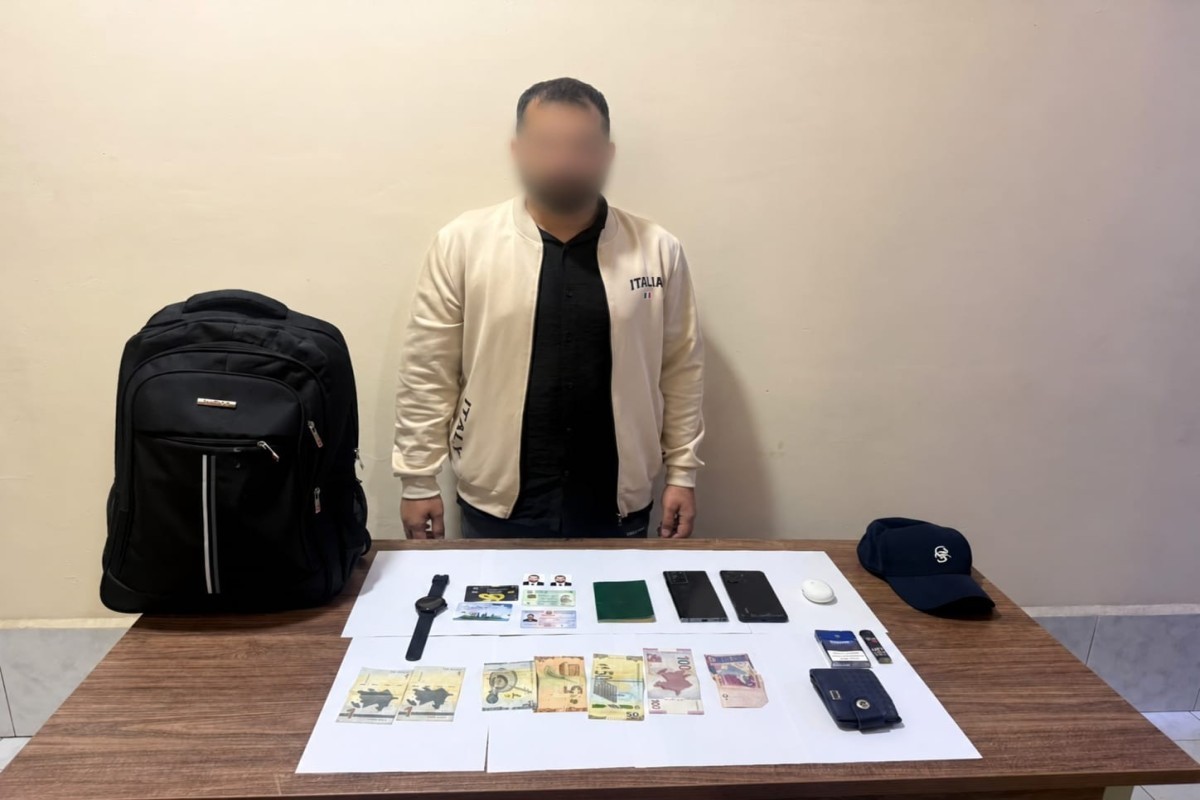
Pakistani citizen detained while attempting to cross Azerbaijan-Russia border illegally - PHOTO
13:11
 20 October 2026

Drug smuggling from Iran into Azerbaijan prevented - PHOTO
11:23
20 October 2026
SWISS flight aircraft en route Zurich-Shanghai made emergency landing in Baku
20:45
19 October 2026
Seven people suspected of calling for violent seizure of power in Azerbaijan placed on international wanted list
18:28
19 October 2026

NEWS FEED
European companies consider Middle Corridor a safer alternative
11:03
21 October 2026
Ukrainian anti-corruption authorities search home of National Bank Governor
11:01
21 October 2026
Putin to receive Witkoff in St. Petersburg today - Russian Presidential Aide
10:59
21 October 2026
Number of EU companies investing in Karabakh and Nakhchivan increases significantly over past year
10:54
21 October 2026
French fighter jet crashes during training flight, killing pilot
10:52
21 October 2026
European companies plan to expand operations in Azerbaijan
10:49
21 October 2026
Number of visitors from Azerbaijan to Georgia increases
10:47
21 October 2026
Damage caused by riots in France exceeds €1 billion
10:45
21 October 2026
European companies assess current economic situation in Azerbaijan as satisfactory
10:43
21 October 2026
Homes of Samvel Karapetyan's supporters searched, 14 detained
10:40
21 October 2026
Passenger transportation by ferries increases by 14% in Azerbaijan
10:30
21 October 2026
Ambassador: Negotiations on new agreement between EU and Azerbaijan continue constructively
10:29
21 October 2026
Rubio says Witkoff-Zelenskyy meeting 'positive', ideas to be discussed with Russia
10:25
21 October 2026
BSTDB financing for projects in Azerbaijan exceeds 700 million euros
10:22
21 October 2026
FT: Netanyahu seeks to resume attacks against Iran
10:19
21 October 2026
Israel planned large-scale strikes on Iran on October 10, but Trump opposed operation – Media
10:16
21 October 2026
Georgia to complete highway to Azerbaijan border by end of 2031
10:11
21 October 2026
Azerbaijani oil price nears $120
10:09
21 October 2026
EBRD's loan portfolio in Azerbaijan reaches 879 million euros
10:08
21 October 2026
Special Envoy Witkoff visits Russia
10:04
21 October 2026
Baku hosts Azerbaijan–European Union Business Forum
10:02
21 October 2026
Azerbaijan and NATO discuss future prospects of cooperation in Brussels
09:48
21 October 2026
Gold and silver prices decline in commodity markets
09:28
21 October 2026
Baku to host high-level meeting uniting anti-corruption efforts of Islamic world - Deputy Prosecutor General
09:24
21 October 2026
Natural gas prices decline further on New York exchange
09:10
21 October 2026
Trump says Pentagon will invest $1.5 billion into North Carolina chip production
09:00
21 October 2026
Bitcoin price approaches $83,000
08:54
21 October 2026
US, Ukraine and European countries agree on approach to dialogue with Russia – Axios
06:46
21 October 2026
France extends partial curfews following protest violence
05:37
21 October 2026
Trump administration has revoked more than 300,000 visas
04:35
21 October 2026
BBC to close two TV channels and a radio station to cut costs
03:28
21 October 2026
Hegseth says Ukraine posture unchanged, but ‘our guys’ need interceptors too
03:26
21 October 2026
Iraq to close all border crossings with Iran gradually, starting Wednesday
02:23
21 October 2026
Trump says he has never discussed Vance’s potential 2028 presidential bid with him
01:51
21 October 2026
Barcelona suffered their first defeat of the season
01:21
21 October 2026
WSJ: Musk decided to restrict Ukraine's access to Starshield
00:50
21 October 2026
Fenerbahce throw away two-goal lead in 2-2 Champions League draw with Slavia Prague
00:35
21 October 2026
US to offer Putin meeting with Trump, Zelenskyy
00:18
21 October 2026
Qatar and Pakistan have offered to transfer interest on $6 billion to Iran
23:52
20 October 2026
Trump: Ukraine and Zelenskyy must strive to resolve the conflict
23:20
20 October 2026
IRGC Navy says supertanker exploded after hitting mine south of Hormuz
22:55
20 October 2026
UEFA Champions League: Germany’s Borussia Dortmund defeat Azerbaijan’s FC Sabah
22:39
20 October 2026
Witkoff’s plans to visit Russia on October 21 confirmed
22:36
20 October 2026
Iranian President: United States must lift pressure, threats and sanctions before any negotiations
22:32
20 October 2026
Ghalibaf rejects change in demands during talks with Pakistan army chief
22:03
20 October 2026
Russia ready to listen to US proposals, rules out political concessions — Lavrov
21:31
20 October 2026
Kallas claims that the US has been "pushing Ukraine toward capitulation" for 1.5 years
21:13
20 October 2026
Iran tells Munir it won't allow any enriched nuclear material to leave country
21:09
20 October 2026
Ambassador: Hungarian companies have invested USD 2 billion in Azerbaijan's economy
20:50
20 October 2026
Baku hosted event on the occasion of National Day of Hungary-PHOTO
20:42
20 October 2026


