













Baku - APA. Yemenis celebrated on Monday what many hope will be a new era without President Ali Abdullah Saleh, now recuperating in Saudi Arabia after an operation to remove shrapnel from his chest a day earlier, APA reports quoting "Reuters".
A tenuous truce was holding in Sanaa after two weeks of fighting between Saleh’s forces and a powerful tribal federation which killed more than 200 people and forced thousands to flee.
Saleh’s exit to regional heavyweight Saudi Arabia, could facilitate efforts to prise him out of power after nearly 33 years in charge of the Arab world’s poorest country.
But the future of Yemen, home to an al Qaeda wing exploiting the space available in a nation riven by complex rivalries among tribal leaders, generals and politicians, remains uncertain.
Saleh was wounded on Friday when a rocket struck his palace in Sanaa, killing seven people and wounding senior officials and advisers. He is being treated in a Riyadh hospital.
"Saleh’s departure to Saudi Arabia isn’t just courtesy from the Saudi ruling family," said Egyptian political analyst Nabil Abdel-Fattah. "The security of Saudi Arabia and the Gulf is linked to security in Yemen."
He expected Riyadh to promote a deal that would usher Saleh out and set up a caretaker government before parliamentary polls. "It remains to be seen what the role of the young rising powers who launched the uprising against Saleh would be."
Those youthful protesters, interpreting Saleh’s absence as potentially permanent, continued to celebrate in Sanaa where they have staged anti-government demonstrations since January.
Fireworks lit up the sky across many cities overnight. In Sanaa, men, women and children poured into what protesters have dubbed "Change Square," as patriotic songs blared.
"You could see happiness painted on everyone’s faces," one resident of the capital said.
Another demonstrator said: "It’s impossible for us to let (Saleh) come back. And those of his people who are still here had better follow him to Saudi."
"Who is next?" asked one banner held up by protesters in a sea of red, white and black Yemeni flags, referring to the wave of uprisings in Arab world that has toppled the leaders of Egypt and Tunisia and inspired revolts in Syria, Libya and Bahrain.
Elsewhere, Yemen’s pro-Saleh state media said his supporters took to the streets to celebrate "a successful operation" in the province of Ibb with song, dance and shooting into the air.
Vice-President Abd-Rabbu Mansour Hadi is now formally in charge, but lacks a power base of his own. Saleh’s departure could make it hard for him to retain control, although his close relatives still command key military units and security forces.
Other contenders in a possible power struggle include the well-armed Hashed tribal federation, breakaway military leaders, Islamists, leftists and an angry public seeking relief from crippling poverty, corruption and failing public services.
Any descent into chaos in Yemen, which lies next to oil giant Saudi Arabia and major shipping lanes, would alarm Gulf neighbors and Western powers worried about al Qaeda.
SAUDI INFLUENCE
Yemenis await word on Saleh’s condition and signals from the Saudis on whether they will let him return home or insist he sign a Gulf-brokered transition deal he has so far rejected.
Hadi was due to meet officials from the European Union. He conferred with Yemeni military commanders, including Saleh’s sons and nephews, and the U.S. ambassador, on Sunday.
Saleh, a political survivor, has defied global calls to step down and survived the defection of top generals, ministers and ambassadors who left the government after troops killed many demonstrators in March. More than 450 people have been killed in the unrest shaking the nation of 23 million since late January.
Saleh has exasperated his former U.S. and Saudi allies, who once saw him as a key counter-terrorism partner, by repeatedly reneging on the transition plan, even though it offered him immunity from prosecution -- something rejected by protesters.
The possible fall of Saleh, 69, could also give renewed impetus to protest movements around the region.
"The departure of Saleh is a turning point not just for the Yemeni revolution, but is also a huge push for the current changes in the Arab region and the start of the real victory," said Zaki Bani Rusheid, of Jordan’s Muslim Brotherhood.


 Follow us on Telegram
 t.me/apanewsaz
 Follow us on Instagram
 Follow us on TikTok
 Follow us on Facebook
 Follow us on X
Incident
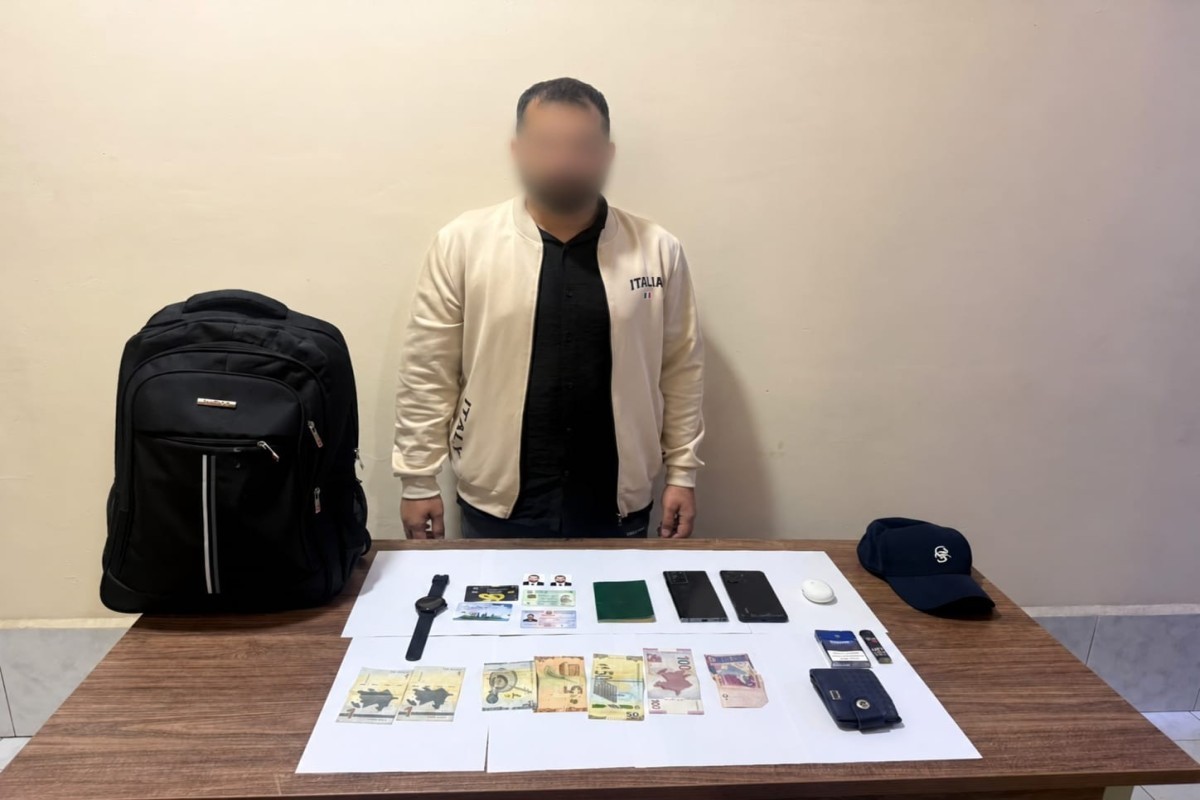
Pakistani citizen detained while attempting to cross Azerbaijan-Russia border illegally - PHOTO
 13:11
13:11
 20 October 2026
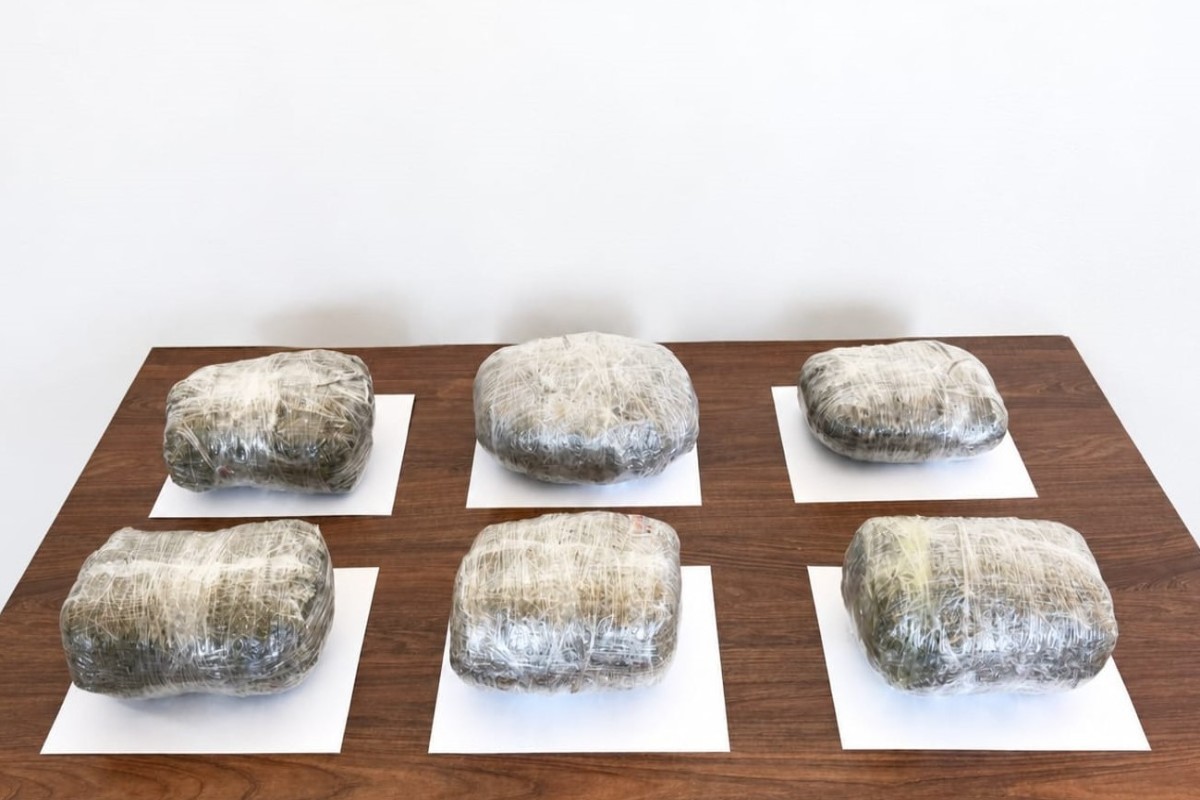
Drug smuggling from Iran into Azerbaijan prevented - PHOTO
11:23
20 October 2026
SWISS flight aircraft en route Zurich-Shanghai made emergency landing in Baku
20:45
19 October 2026
Seven people suspected of calling for violent seizure of power in Azerbaijan placed on international wanted list
18:28
19 October 2026

NEWS FEED
Baku to host high-level meeting uniting anti-corruption efforts of Islamic world - Deputy Prosecutor General
09:24
21 October 2026
Natural gas prices decline further on New York exchange
09:10
21 October 2026
Trump says Pentagon will invest $1.5 billion into North Carolina chip production
09:00
21 October 2026
Bitcoin price approaches $83,000
08:54
21 October 2026
US, Ukraine and European countries agree on approach to dialogue with Russia – Axios
06:46
21 October 2026
France extends partial curfews following protest violence
05:37
21 October 2026
Trump administration has revoked more than 300,000 visas
04:35
21 October 2026
BBC to close two TV channels and a radio station to cut costs
03:28
21 October 2026
Hegseth says Ukraine posture unchanged, but ‘our guys’ need interceptors too
03:26
21 October 2026
Iraq to close all border crossings with Iran gradually, starting Wednesday
02:23
21 October 2026
Trump says he has never discussed Vance’s potential 2028 presidential bid with him
01:51
21 October 2026
Barcelona suffered their first defeat of the season
01:21
21 October 2026
WSJ: Musk decided to restrict Ukraine's access to Starshield
00:50
21 October 2026
Fenerbahce throw away two-goal lead in 2-2 Champions League draw with Slavia Prague
00:35
21 October 2026
US to offer Putin meeting with Trump, Zelenskyy
00:18
21 October 2026
Qatar and Pakistan have offered to transfer interest on $6 billion to Iran
23:52
20 October 2026
Trump: Ukraine and Zelenskyy must strive to resolve the conflict
23:20
20 October 2026
IRGC Navy says supertanker exploded after hitting mine south of Hormuz
22:55
20 October 2026
UEFA Champions League: Germany’s Borussia Dortmund defeat Azerbaijan’s FC Sabah
22:39
20 October 2026
Witkoff’s plans to visit Russia on October 21 confirmed
22:36
20 October 2026
Iranian President: United States must lift pressure, threats and sanctions before any negotiations
22:32
20 October 2026
Ghalibaf rejects change in demands during talks with Pakistan army chief
22:03
20 October 2026
Russia ready to listen to US proposals, rules out political concessions — Lavrov
21:31
20 October 2026
Kallas claims that the US has been "pushing Ukraine toward capitulation" for 1.5 years
21:13
20 October 2026
Iran tells Munir it won't allow any enriched nuclear material to leave country
21:09
20 October 2026
Ambassador: Hungarian companies have invested USD 2 billion in Azerbaijan's economy
20:50
20 October 2026
Baku hosted event on the occasion of National Day of Hungary-PHOTO
20:42
20 October 2026
Day of Zangilan City celebrated in the city for first time -PHOTO-UPDATED
20:36
20 October 2026
Families of missing Azerbaijanis held protest in front of the European Parliament-PHOTO
20:28
20 October 2026
Turkish Presidency: Claims of attempt to lower Turkish flag in Azerbaijan are disinformation
19:53
20 October 2026
Kremlin considers Trump's actions a step toward Russia's victory over Ukraine
19:42
20 October 2026
Tanker violating regulations catches fire in southern corridor of Strait of Hormuz
19:07
20 October 2026
BP: Offshore construction work begins on Shah Deniz Compression project
18:51
20 October 2026
Azerbaijan urges citizens to avoid travel to France amid widespread unrest
18:31
20 October 2026
MAMA “Mother Nature” international art exhibition opens in Ashgabat - PHOTO
18:23
20 October 2026
Leyla Aliyeva visits Turkmen Carpet Museum in Ashgabat
18:21
20 October 2026
Political consultations held between Azerbaijan and Croatia
18:14
20 October 2026
Katz: Hezbollah will be dealt a heavy blow if it joins Iran's attack on Israel
18:14
20 October 2026
Azerbaijani parliament announces date and agenda of next session
18:06
20 October 2026
Zelenskyy: "Putin’s emergence from isolation has already begun"
17:45
20 October 2026
Zelenskyy says Ukraine may accept an alternative to NATO, but only under one condition
17:27
20 October 2026
TRIPP Fund director: US company acquires Armenia's second-largest copper mine
17:24
20 October 2026
Russia-Türkiye consultations held in Moscow
17:20
20 October 2026
UK to deploy Typhoon jets to help defend Saudi Arabia from Houthi attacks
17:10
20 October 2026
12 killed, 30 injured in bus-truck collision in Egypt
17:05
20 October 2026
Israel and Lebanon to hold ‘working level’ talks in Florida today, US official says
16:36
20 October 2026
Azerbaijani Parliament speaker addresses TURKPA meeting
16:29
20 October 2026
149 people sentenced to prison for participating in riots in France
16:25
20 October 2026
Moscow confirms dialogue with Washington on prisoner releases
16:23
20 October 2026
Moscow condemns US arrest warrant for Raul Castro
16:16
20 October 2026


