













Baku – APA. They’re back, on street corners in places Sunnis had thought were safe again: the Shiite militiamen who drove them from their homes in a bloody campaign that brought Iraq to the brink of civil war, APA reports quoting Associated Press.
Many Iraqis in areas where anti-U.S. cleric Muqtada al-Sadr’s Mahdi Army once held sway say young men who had worn the militia’s signature black shirts have returned ahead of Sunday’s parliamentary elections, albeit in smaller numbers and a low profile.
Many Sunnis in flashpoint neighborhoods say they are lying low or temporarily moving to safer areas as they wait in fear that the elections will spark a new sectarian backlash against them.
Omar al-Jubouri, a 26-year-old Sunni university worker, saw some of the same Shiite militiamen who forced him to flee his home five years ago back in his south Baghdad neighborhood.
"I sensed the threat, so we locked the house and left," said al-Jubouri, who took his wife and two children out of Abu Dshir, a Shiite enclave in the mainly Sunni Dora district, to stay with relatives elsewhere in the capital.
"I fled because I don’t want to be terrified again like in 2005," he said. "We escaped so my children can continue to have a father and not become orphans."
Ex-Mahdi Army members appear to have been emboldened by the prospect of an Iraq free of the U.S. military and by al-Sadr’s decision to join a Shiite-led alliance that may become the single largest bloc in the next legislature. The alliance could earn the right to nominate the next prime minister.
The radical cleric’s movement fought bloody battles with Sunni militants and the Americans and was blamed for some of the worst retaliatory sectarian violence. The elections could give it more leverage than it has had since it burst on the scene after the 2003 U.S.-led invasion that ousted Saddam Hussein.
Bloodshed between death squads from the two rival Islamic sects brought Iraq to the brink of civil war before a U.S. troop buildup in 2008 helped rout the extremists from both sides.
Violence has dropped sharply and bullet-riddled bodies are no longer found on the streets by the dozens. But war-related killings have increased in the run-up to Sunday’s elections, and intimidation appears to have made a comeback in some Baghdad areas.
Abdul-Azeem Mohsen, a Sunni, last week received a letter threatening him with death if he did not leave his home in the western Baghdad neighborhood of Baiyaa. The once religiously mixed neighborhood saw some of the fiercest sectarian cleansing that ended with the Shiites in control.
"My neighbors pledged to stand by me against the militiamen," said the father of five, who trades in wholesale groceries in the city’s Shorja market across the Tigris River on the eastern side of the city.
Mohsen is not taking any chances. He says he plans to sell his home, even below market prices, and buy another in the Sunni district of Amariyah.
"Fleeing is my only choice," he said, "fleeing from one uncertainty to another so I can keep my family alive. What else can I do?"
Sunday’s election for a 325-seat legislature has been billed as a key step in Iraq’s democratic evolution. Iraqis hope it helps them achieve national reconciliation at a time when the United States is pressing ahead with plans to withdraw all its forces by the end of next year.
Prime Minister Nouri al-Maliki, who in 2008 initiated several offensives against Shiite and Sunni militant groups, is seeking a second term in office. He leads an alliance that is dominantly Shiite and led by his Dawa Party. He refused to join the Supreme Council and the Sadrists in one coalition.
The decision by a Shiite-led vetting panel to disqualify more than 400 candidates from running because of alleged ties to Saddam’s outlawed Baath party also has left many Sunnis seething. They see the move as a thinly veiled attempt to undermine their minority community, which dominated Iraq under Saddam.
Some Shiites are worried that extremist Sunnis will respond to the elections with bloodshed.
Ali Jabar Nasser, a Shiite who lives in the Sunni part of Dora, said he and 10 of his Shiite neighbors recently installed a system that allows each household to sound an alarm if anyone sees armed Sunni militants. They also take turns patrolling the street.
"We are worried and think the elections can lead to a deterioration in security," said Nasser.
In one of the worst recent incidents, eight members of one Shiite family were shot and beheaded last month in the village of Wahda, a mixed Shiite-Sunni village south of Baghdad.
Al-Sadr, who considered past elections illegitimate, has joined a Shiite alliance led by an Iranian-backed party — the Supreme Islamic Iraqi Council. He has endorsed this election as a means of "political resistance," raising the likelihood of a large turnout by Sadrists and the possibility that the alliance could emerge as Iraq’s strongest political force after Sunday’s vote.
Al-Sadr’s movement has returned to using the "Sadrist Trend" — its official name — on its campaign propaganda material. In previous elections, the movement said it was only backing selected independents.
Iraqis generally vote along sectarian lines. Shiites make up 60 to 65 percent of the country’s estimated 28 million people, while Sunni Arabs and Kurds make up about 15 percent each. The rest are Christians, Turkomen and several other tiny communities.
Some of the tens of thousands of campaign banners and posters that have sprung out in Baghdad over the past few weeks have a distinct sectarian slant; some residents also blame them for stoking the tensions.
The Shiite head of the committee that banned the candidates, Ali al-lami, has this to say on his election posters: "No, to all forms of terror, corruption and the criminal Baath from now on."
On his posters, former Prime Minister Ibrahim al-Jaafari invokes the name of Imam Hussein, a seventh-century saint deeply revered by Shiites.
The Supreme Islamic Iraqi Council is thought be behind the hundreds of posters in Shiite areas of Baghdad bearing the image of the country’s top Shiite cleric, Grand Ayatollah Ali al-Sistani, in a move designed to use the name of the much revered cleric to attract voters.
In a clear provocation to the Sunnis, former Deputy Health Minister Hakim al-Zamili, one of two former government officials accused of allowing Shiite death squads to use ambulances and government hospitals to carry out kidnappings and killings, is running for parliament in the Shiite-led coalition led by the Supreme Council and the Sadrists. The charges against the two were dropped two years ago.
The number of Iraqis killed in war-related violence increased by 44 percent — to at least 255 — between January and February.
Figures compiled by The Associated Press show that at least 30 unidentified bodies were found in January and February across the country. That was still a low number compared with past years but a number large enough to suggest that sectarian killings may not have entirely ceased.


 Follow us on Telegram
 t.me/apanewsaz
 Follow us on Instagram
 Follow us on TikTok
 Follow us on Facebook
 Follow us on X
Incident
Earthquake occurs in Caspian Sea
 11:56
11:56
 19 October 2026
19 people detained for attempting to incident among fans during Qarabag–Neftchi match
00:46
18 October 2026
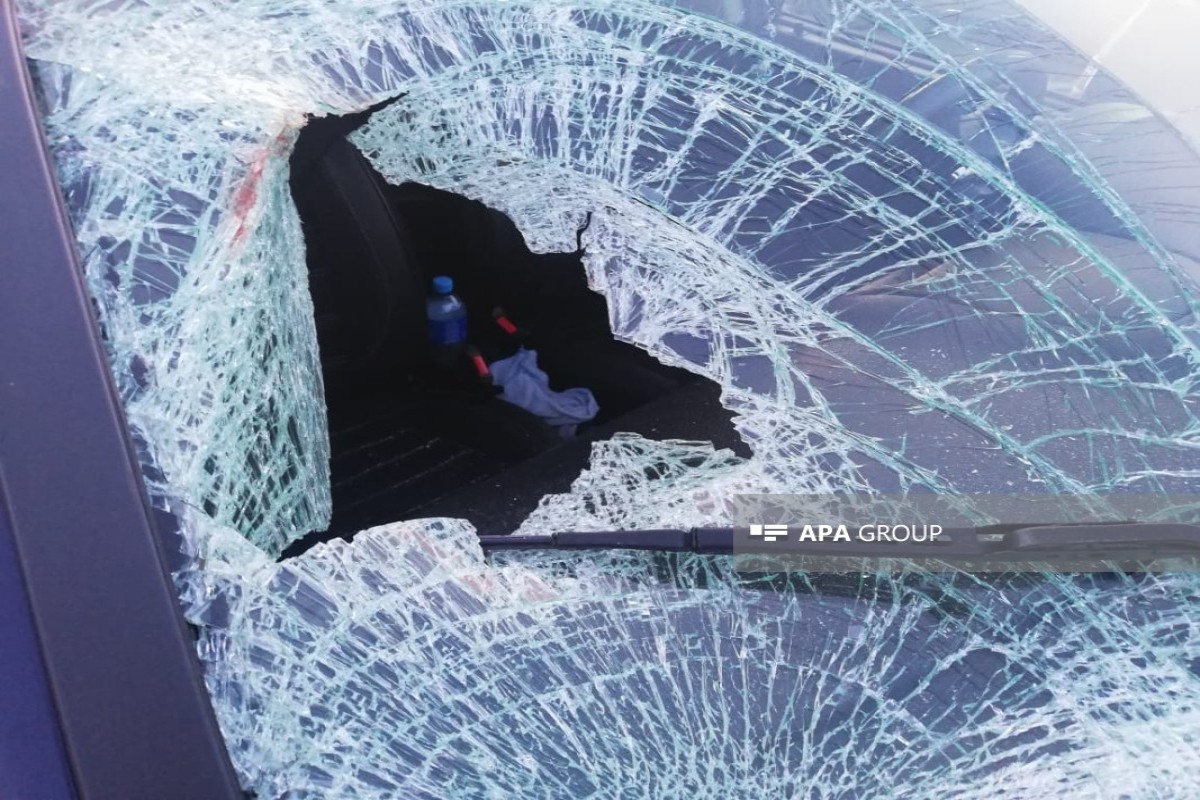
Two dead, three injured in car accident in Azerbaijan's Bilasuvar
14:32
17 October 2026
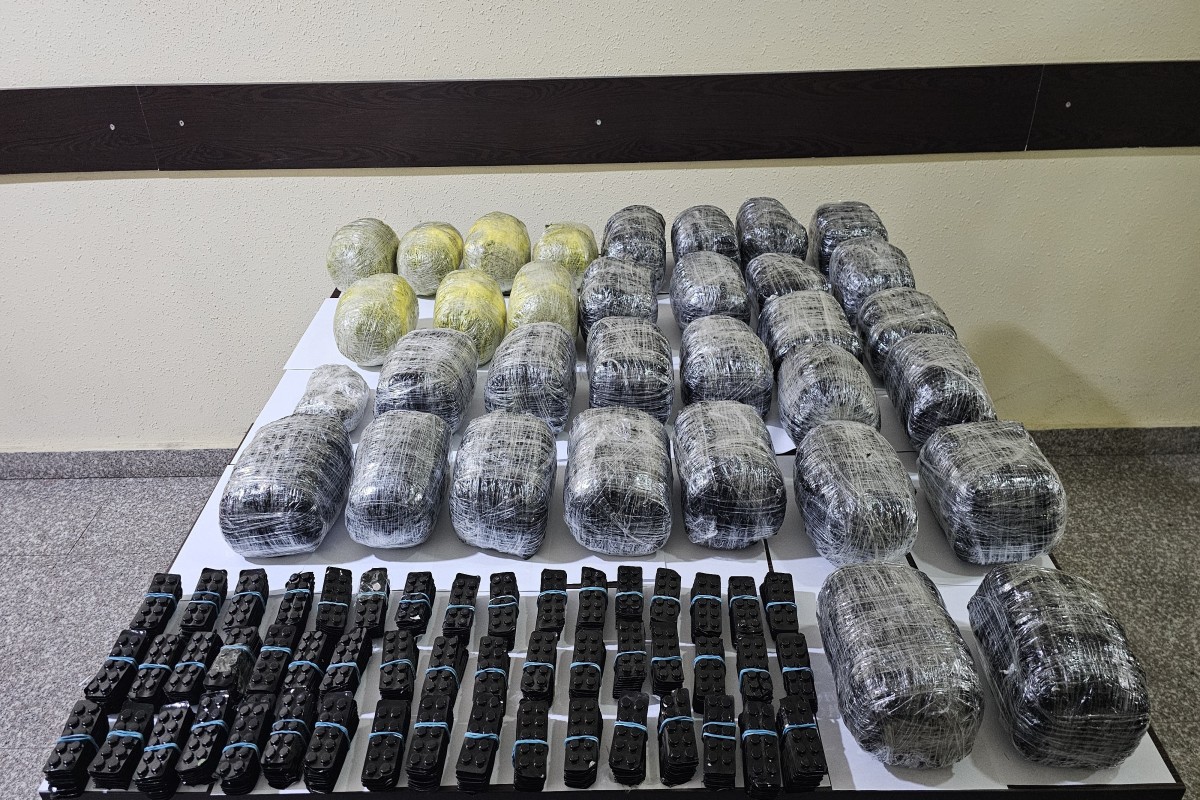
Azerbaijan prevents smuggling of 35 kg of drugs from Iran
14:10
16 October 2026

NEWS FEED
Georgian Patriarchate: Our relations with Azerbaijan are based on mutual respect
12:21
19 October 2026
Zelenskyy: We received no early warning from our partners about Russia's attacks last night
12:01
19 October 2026
Georgian analyst: Tbilisi and Baku should turn the region into a capable geopolitical player
11:59
19 October 2026
Qatar to announce new regional military partnership
11:58
19 October 2026
Plane flying from Novosibirsk to Makhachkala sends distress signal over Kazakhstan
11:57
19 October 2026
Earthquake occurs in Caspian Sea
11:56
19 October 2026
Ambassador: Strong political dialogue established between Azerbaijan and Georgia
11:30
19 October 2026
President Ilham Aliyev appoints Anar Bayramov as Azerbaijan's health minister
11:28
19 October 2026
Azerbaijan dismisses Health Minister Teymur Musayev
11:26
19 October 2026
Azerbaijan transfers TABIB to Ministry of Health
11:22
19 October 2026
France's Macron declines interior minister's offer to resign
11:21
19 October 2026
Reshuffle expected in Russian government
11:16
19 October 2026
Azerbaijan exports nearly $9 billion worth of oil to more than 10 countries this year - LIST
11:08
19 October 2026
Azerbaijan imports nearly 700 electric vehicles in nine months
11:05
19 October 2026
Araghchi urges Macron to listen to French public's demands for change
11:01
19 October 2026
Azerbaijan's total exports to Armenia over nine months revealed
10:54
19 October 2026
World Bank to increase funding for Baku to $500 million
10:48
19 October 2026
Azerbaijan's foreign trade surplus increases nearly sixfold
10:43
19 October 2026
Latvia bans import of green tea to EU from Armenia
10:41
19 October 2026
Rubio explains why US suspended sanctions against Russia
10:13
19 October 2026
Gold and silver prices rise on commodity markets
10:05
19 October 2026
Rubio says Ukraine and Russia should be focused on ending the war
10:04
19 October 2026
Natural gas prices decline on New York exchange
09:59
19 October 2026
Oil prices decline on global markets
09:43
19 October 2026
US resumes intelligence-sharing with Ukraine after pause, Zelenskyy says
09:09
19 October 2026
Sergey Lavrov to meet Iranian foreign minister in Tehran
08:55
19 October 2026
Bitcoin price exceeds $82,000
08:52
19 October 2026
Oil tanker catches fire south of Strait of Hormuz after reported mine strike
07:39
19 October 2026
Four soldiers killed, 39 injured in fire at Canadian military base
06:40
19 October 2026
Zelenskyy says Trump is pushing Ukraine to capitulate to Russia
01:55
19 October 2026
Trump: Zelenskyy's attacks on Russian refineries are seriously harming global diesel markets
01:41
19 October 2026
Lazio crushed Juventus and caught up with Inter in the Italian football championship
01:16
19 October 2026
US leader announced progress in Ukraine talks
00:55
19 October 2026
US resumes intelligence-sharing with Ukraine after pause, Zelenskyy says
00:29
19 October 2026
Nearly 2,400 people detained during unrest in France
00:06
19 October 2026
Damage from Italy's protests said to reach €1.6M
23:45
18 October 2026
US threatens EU with devastating response to possible Starlink restrictions
23:27
18 October 2026
Russian FM to visit Tehran on Monday
22:55
18 October 2026
Syria and World Bank have agreed to create fund for restoration of republic
22:22
18 October 2026
Photo exhibition on Armenia's mine warfare against Azerbaijan opens in Rome
21:57
18 October 2026
President Ilham Aliyev’s social media accounts shared weekly summary of his activities
21:32
18 October 2026
Parliament of the Kyrgyz Republic will host the 15th Plenary Session and the Meeting of the Council of Assembly of TURKPA
21:14
18 October 2026
Zelenskyy refutes claims that Russia captured Dobropillia and advanced towards Zaporizhzhia
20:53
18 October 2026
Ukrainian President speaks with Trump envoys
20:27
18 October 2026
More than 2,000 detained in French protests as Macron prepares national address
19:41
18 October 2026
World Bank says AI could transform developing economies
18:39
18 October 2026
Erdoğan congratulates Azerbaijan on Restoration of Independence Day
15:48
18 October 2026
Iran’s new defence minister warns US against fresh attacks
14:07
18 October 2026
OTS Secretary General congratulates Azerbaijan on Restoration of Independence Day
13:22
18 October 2026
Turkish Foreign Ministry congratulates Azerbaijan on Restoration of Independence Day
11:29
18 October 2026


