










Washington. Isabel Levine – APA. APA’s Washington DC correspondent’s interview with Amanda Paul, well-known analyst on Caucasus issues, who currently serves as a policy analyst at the European Policy Centre
- Some say that security situation in the Caucasus region is under risks. Would you agree with that?
- While the situation is Georgia is far from perfect, the South Ossetia and Abkhazia conflicts do not presently represent a significant threat to the security of the region. The biggest threat to security comes from the Nagorno-Karabakh conflict where tensions have significantly increased over the past twelve months. Indeed with a stalling of the peace process, an increase in defense spending by both Armenia and Azerbaijan, increasing talk of war from both countries, and a significant increase of violations of the ceasefire, it may only be a matter of time before a “pot-shot’ or skirmish spins out of control and leads to renewed war. The West, however, has not woken up to this fact yet and seemingly continues to mistakenly believe that the current status quo is sustainable.
- What about the US in particular? How much of its involvement do you see in the South Caucasus right now?
- While the US has not disappeared totally from the region it has become less visible. This is not really that surprising given it has had to prioritize its foreign policy activities and the South Caucasus is not near the top of the list. President Obama is far too pre-occupied with Iran, Afghanistan, Middle East and events unfolding in North Africa to spare much time to thinking about the South Caucasus. In fact, I would say the US is increasingly giving the impression that it believes the EU should take more responsibility and beef up its role in the region, particularly given it is the EU’s backyard and part of its neighborhood policies. While the South Caucasus has the potential to be a strategic bridgehead, US domestic policies and relations with the Kremlin have become more important than strategic considerations with little or no understanding of the realities on the ground by the West.
- When speaking about the Nagorno-Karabakh the contradiction between the principle of territorial integrity and the rights of nations to self-determination appears to be a problem. How do you see the way out?
- I think we have to be realistic. Most people have no clue where the South Caucasus is let alone the Nagorno-Karabakh conflict. Of course further efforts should be made to better inform people about the conflict, the inherent dangers of renewed war and the possible outcomes of such a war.
The right of self-determination does not necessarily include the right of territorial separation from an internationally recognized state as is defined in the Helsinki Final Act. While the decision of the eventual final status of Karabakh is still a long time in the future, further efforts to promote different models should be carried out. For example South Tyrol in Italy and Finland’s Aland islands. Indeed all efforts should be made by the international community to push for the restoration of the territorial integrity of a sovereign state. The longer the status quo continues the more imbedded it will become, making territorial integrity more difficult to restore.
- This is perhaps creates an obstacle regarding the regional integration. Can Azerbaijan and Georgia become members of the for example, Northern Alliance with the unsettled conflicts in their territories?
- While both Georgia and Azerbaijan cooperate with Russia it is unlikely that either will become a member anytime soon. Georgia, as we all know, desired this but pushed to hard and too fast, which “upset†Russia. At the end of the day the certain key states that are members of NATO seemed to decide that the stress and havoc that would be caused by upsetting Moscow was not worth the trouble. Whether this approach will change in the future remains to be seen; As for Azerbaijan they have never expressed any strong interest in joining NATO, although they have close ties and have been a crucial ally to the West and particularly the US in the war against terrorism, in particular vis-à -vis Afghanistan. Russia still views itself as the main security actor in the South Caucasus and would probably like to increase this presence still further given the opportunity. A NATO presence on the ground would almost certainly not be welcome.
- At one point possibility of cooperation between Russia and US in the security sphere was discussed in the media? What would be the role of South Caucasus in that cooperation?
- The US and Russia already cooperate through NATO and Russia has been particular helpful vis-Ã -vis Afghanistan where it shares common concerns. Presently there are no permanent NATO forces in the South Caucasus but a not inconsiderable Russian presence. Russia has created a number of its own security initiatives involving the CIS states, and while not comparable to NATO, Russia (quite rightly) will never give up on what it considers to be its natural right to have a security role in the region that that it views as its zone of influence.
Analyst Amanda Paul: It may only be a matter of time before a “pot-shot’ or skirmish in Nagorno Karabakh spins out of control and leads to renewed war

 03 March 2011 10:58 (UTC +04:00)


 İDMAN XƏBƏR
 Follow us on Telegram
 t.me/apanewsaz
 Follow us on Instagram
 Follow us on TikTok
 Follow us on Facebook
 Follow us on X
Foreign
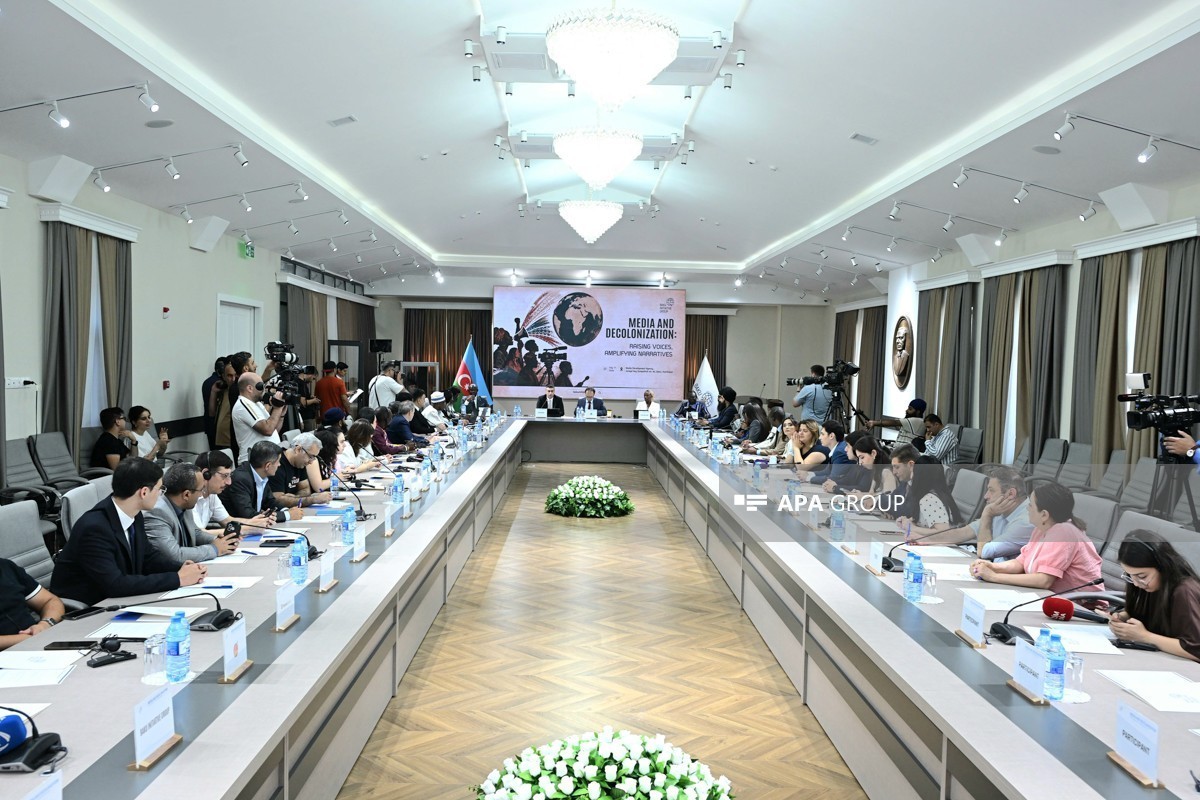
International conference on media and decolonization held in Baku - PHOTO
13:35
 11 July 2026
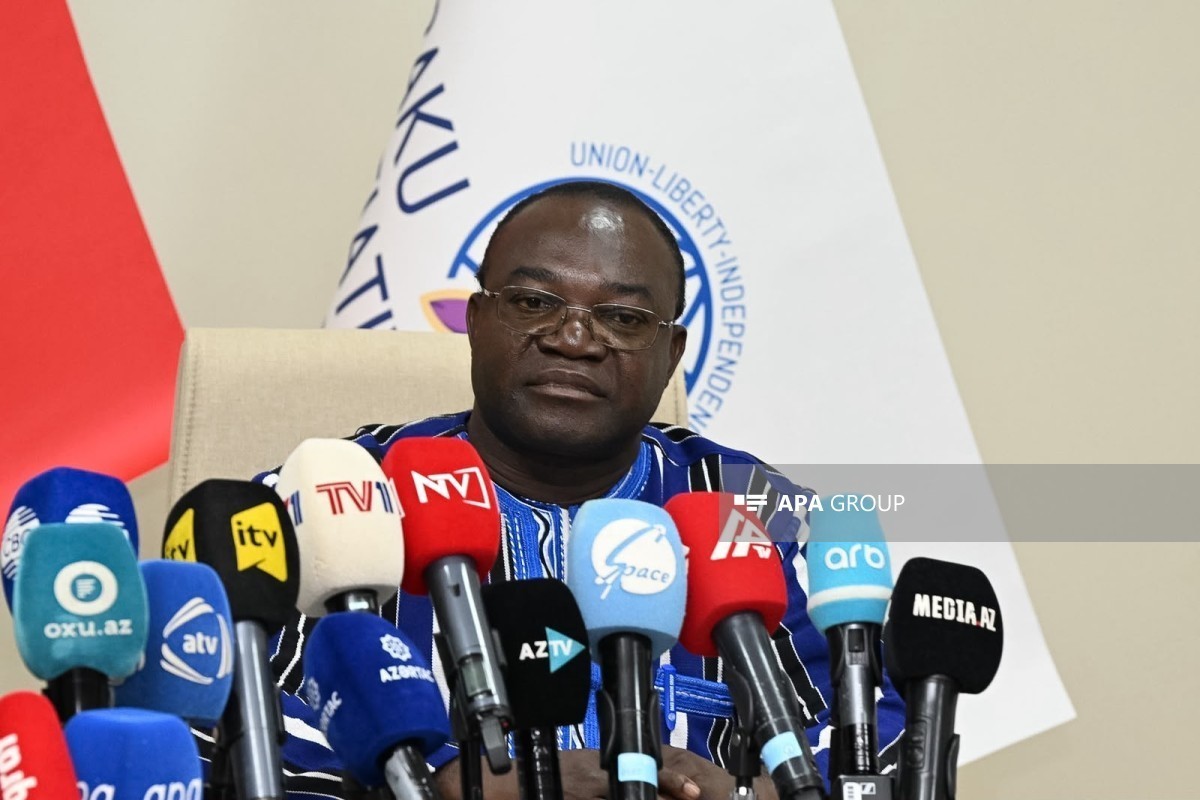
Burkina Faso official: Memorandum with BTG marks start of long-term cooperation
13:19
11 July 2026
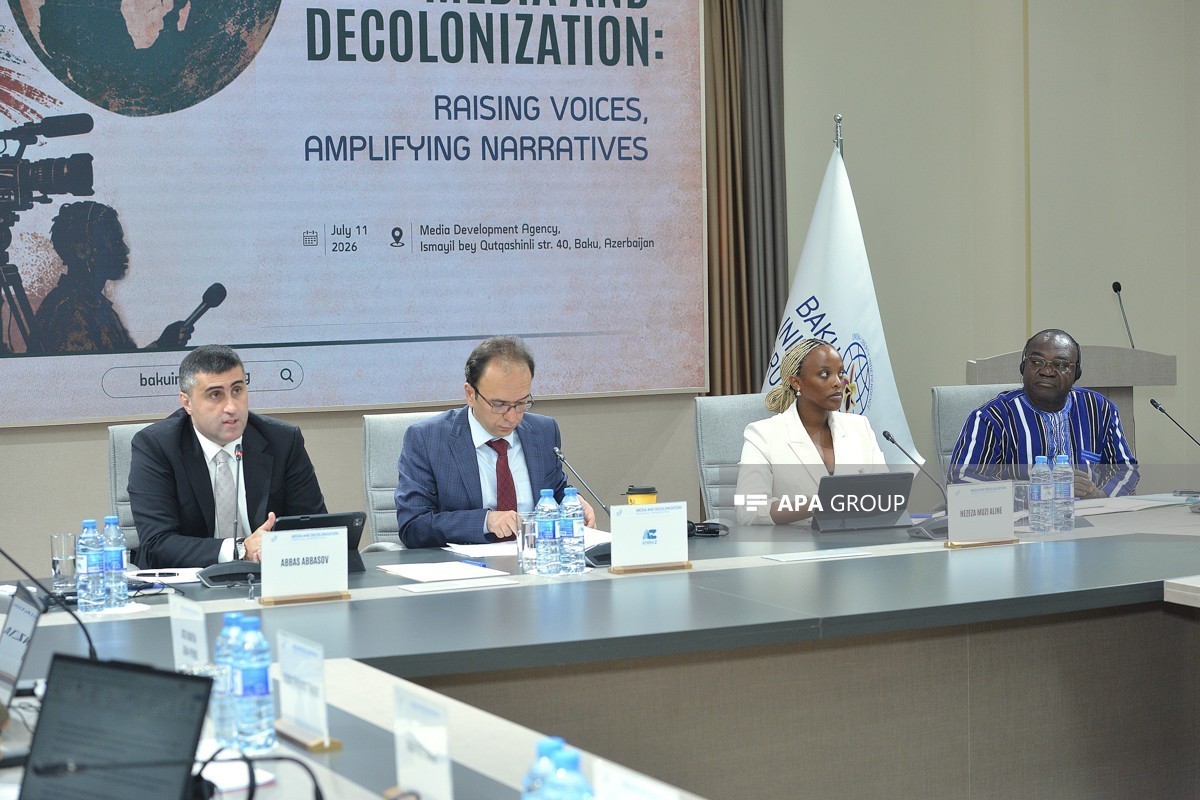
BTG signs first cooperation deal with foreign state institution
13:13
11 July 2026
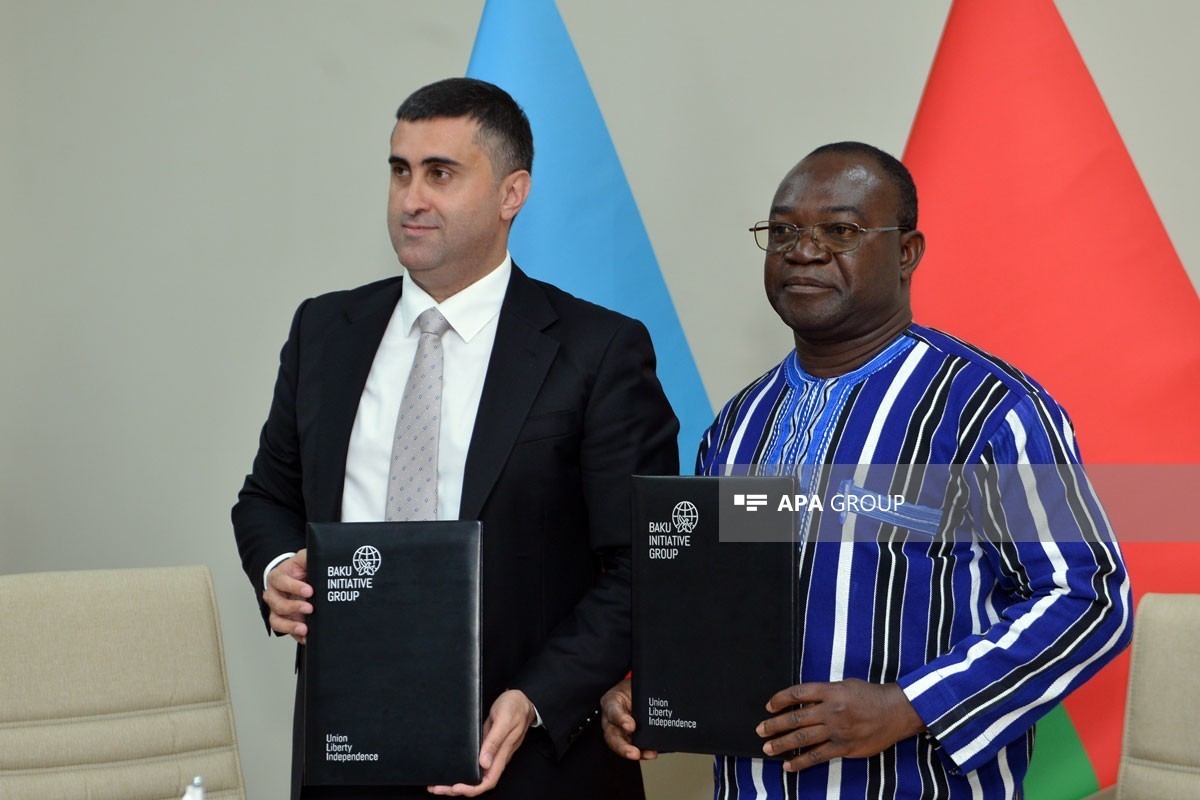 PHOTO'>
BTG signs memorandum with Burkina Faso Foreign Ministry's research institute - PHOTO
12:54
11 July 2026

NEWS FEED
Multiple explosions reported in Iran as US says it is conducting more strikes
02:29
13 July 2026
Tehran condemns US attacks, warns neighboring countries against aiding it
01:45
13 July 2026
US has begun launching new strikes against Iran
01:36
Audio
13 July 2026
Macron rallies allies in Paris to boost Ukrainian air shield amid Russian attacks
01:02
Audio
13 July 2026
Key mediator Pakistan calls on "all sides" to de-escalate
00:12
13 July 2026
Bangkok pub fire kills at least 27 people
23:27
12 July 2026
Venezuela earthquake death toll rises to 4,490
22:56
12 July 2026
Israel hits Hamas weapons production site in Gaza
22:31
12 July 2026
Foreign guests got acquainted with the newly built Karabakh Street in Shusha
22:11
12 July 2026
Israel to hold regular parliamentary elections on October 27
21:50
12 July 2026
Kuwait says drone attacks hit border posts, oil rig as Iran claims Gulf strikes
21:31
12 July 2026
US fired at least 10 missiles at Qeshm Island
20:56
12 July 2026
Explosions heard near Bandar Abbas and Qeshm
20:34
12 July 2026
Infantino: The number of participants in the World Cup could be 64
20:05
12 July 2026
Iran expands attacks on Gulf countries, Strait of Hormuz closed
19:25
12 July 2026
Visit of the participants of the IV Shusha Global Media Forum to Karabakh has begun-PHOTO
18:55
12 July 2026
President Ilham Aliyev extends condolences to Amir of Qatar
16:17
12 July 2026
Why did Israel stop its initiative to recognize the Armenian genocide?
12:54
12 July 2026
IRGC: Second ship violating rules in the Strait of Hormuz hit
11:45
12 July 2026
Iran launches missile and drone attacks on Gulf countries in response to US attack-UPDATED
11:08
12 July 2026
CENTCOM: Third airstrike of the week against Iran completes, 140 military targets hit-UPDATED
08:19
12 July 2026
Bus overturn in Azerbaijan leaves more than 30 injured-PHOTO-UPDATED
07:40
12 July 2026
Toronto active shooter incident leaves 5 people injured, 2 dead, police say
07:36
12 July 2026
Report: Ukraine's air defences struggling to intercept Russia's latest attacks
06:25
12 July 2026
Iran declares Strait of Hormuz closed after firing warning shot at vessel
03:23
Audio
12 July 2026
Cuba's President calls US threat due to the island's energy collapse
02:48
12 July 2026
Guardian: Europe may agree to pay Hormuz toll
02:14
12 July 2026
US military officials discuss plan in Beirut to deploy the Lebanese army to “pilot zones”
02:00
12 July 2026
Oman proposes new Hormuz traffic plan as Trump sets deadline for Iran deal
01:50
12 July 2026
Death toll from Venezuela earthquake rises to 4,333
01:24
12 July 2026
No US officials attending consultations on Iran in Oman
00:14
12 July 2026
Six years pass since Tovuz battles
00:00
12 July 2026
Araghchi discusses Strait of Hormuz, diplomatic efforts with Omani foreign minister
23:30
11 July 2026
Trump claims he 'aced' his latest cognitive test
22:35
11 July 2026
Noskova beats Muchova, takes Wimbledon title
22:17
11 July 2026
Israeli Air Force attacks Hezbollah stronghold in Al-Mansouri in southern Lebanon
21:16
11 July 2026
President Ilham Aliyev’s social media accounts shared post on his meeting with residents of Guzeykhirman and Guneykhirman villages of Khojavend
20:56
11 July 2026
Rubio: Trump and I want better future for Cuba
20:44
11 July 2026
President Ilham Aliyev visited Guzeykhirman village in Khojavend district-UPDATED
20:15
11 July 2026
President: Every time I visit Garabagh and East Zangezur and see this beautiful development, my heart rejoices
19:54
11 July 2026
President of Azerbaijan: Our state is strong, our Army is strong, our will is firm
19:52
11 July 2026
President Ilham Aliyev: For the past 5-6 years, our people have rightfully lived with a sense of pride
19:50
11 July 2026
President: Every time former displaced persons return to their ancestral lands, it is a celebration for all of us
19:48
11 July 2026
Russian strikes on Sumy kill 5, including child, injure 30 - UPDATED
19:34
11 July 2026
President Ilham Aliyev attended opening of Khankendi Hotel - PHOTO
18:02
11 July 2026
President Ilham Aliyev’s social media accounts shared video from Kichik Galaderesi village in Shusha
17:39
11 July 2026
Historic oil pumping station in Kurdamir may be added to cultural heritage list
16:37
11 July 2026
President Ilham Aliyev reviewed new buildings of “Yasaman” Hotel in Shusha
16:02
11 July 2026
President Ilham Aliyev reviewed progress under public-private partnership project on Garabagh Street in Shusha
15:32
11 July 2026
Iran's Supreme Leader pledges revenge for Ali Khamenei's death, says people worldwide will help
15:22
11 July 2026


