










The European Azerbaijan Society told APA that delegates included Giorgi Badridze, Ambassador of Georgia to the UK; Unal Cevikoz, Ambassador of Turkey to the UK; and Michael Zantovsky, Ambassador of the Czech Republic to the UK. Lord Hunt of Kings Heath, Minister of State for Energy and Climate Change during the last government, explained how energy security is the key issue that must be addressed by the west and that there is no room for complacency. He particularly focused on the importance of gas, and used the Russo-Ukrainian dispute to illustrate the vulnerability of western Europe, much of which is reliant on Russian Gazprom. Lord Hunt stressed that the current and previous government was supportive of gas security policies, achieved via diversity of supply. He emphasised that the southern Corridor is essential in this endeavour and issued a rallying cry for Europe to combine forces and support its construction.
James Nixey, Manager and Research Fellow, Russia and Eurasia Programme, Royal Institute of International Affairs, stated that it is correct to consider the South Caucasus as a single economic unit, yet there are many conflicts amongst the three nations and their neighbours that are impeding their complete transition from the Soviet era. He pointed out the weaknesses in US foreign policy, both under the current and past administration, indicating that this leaves a void for the EU to fill. Nixey spoke at length on the continuing Armenian invasion of Nagorno-Karabakh and seven adjacent territories, which is the greatest threat to regional stability, claiming it had been ‘neglected’ by the west. This was later reiterated by Ambassador Cevikoz. Nixey stated that Azerbaijan and Armenia have currently deployed around 25,000 troops along the contact line. Nixey called for France to be replaced by the EU as an OSCE Minsk Group Co-Chair, which has unsuccessfully been attempting to broker peace for the past 16 years. Nixey commented that Russian President Medvedev had been supportive of the Minsk Group process, although Prime Minister Putin seemed content to maintain the status quo.
John Roberts, Global Energy Security Analyst, Platts went on to focus on the pivotal role of the region regarding future energy security. He referred to the investment of $22bn in the Shah Deniz II gas field in Azerbaijan, and the strategic importance of constructing a pipeline through Turkey or shipping LPG across the Black Sea. Roberts predicted that up to 2.5 per cent of international energy could eventually be delivered via the South Caucasus. He explained that Turkmenistan is in the rare position of being a gas exporter at a time when Russia uses three-quarters of its own energy and middle-eastern fields are becoming depleted. Roberts commented that strengthening the Southern Corridor could be of “immense importance†to Europe, not least because it could force Gazprom to apply a more competitive pricing strategy.
Finally, Chris Bryant MP, Shadow Europe Minister, outlined the challenges for UK companies operating in Russia, indicating that the Caucasus provides opportunities. He also commented on the deterioration of Gazprom’s infrastructure, which is rendering the South Caucasus essential to energy security.
Debate entitled “Is the South Caucasus the key to Europe’s energy security?†organised in Manchester

 01 October 2010 12:17 (UTC +04:00)


 İDMAN XƏBƏR
 Follow us on Telegram
 t.me/apanewsaz
 Follow us on Instagram
 Follow us on TikTok
 Follow us on Facebook
 Follow us on X
Foreign
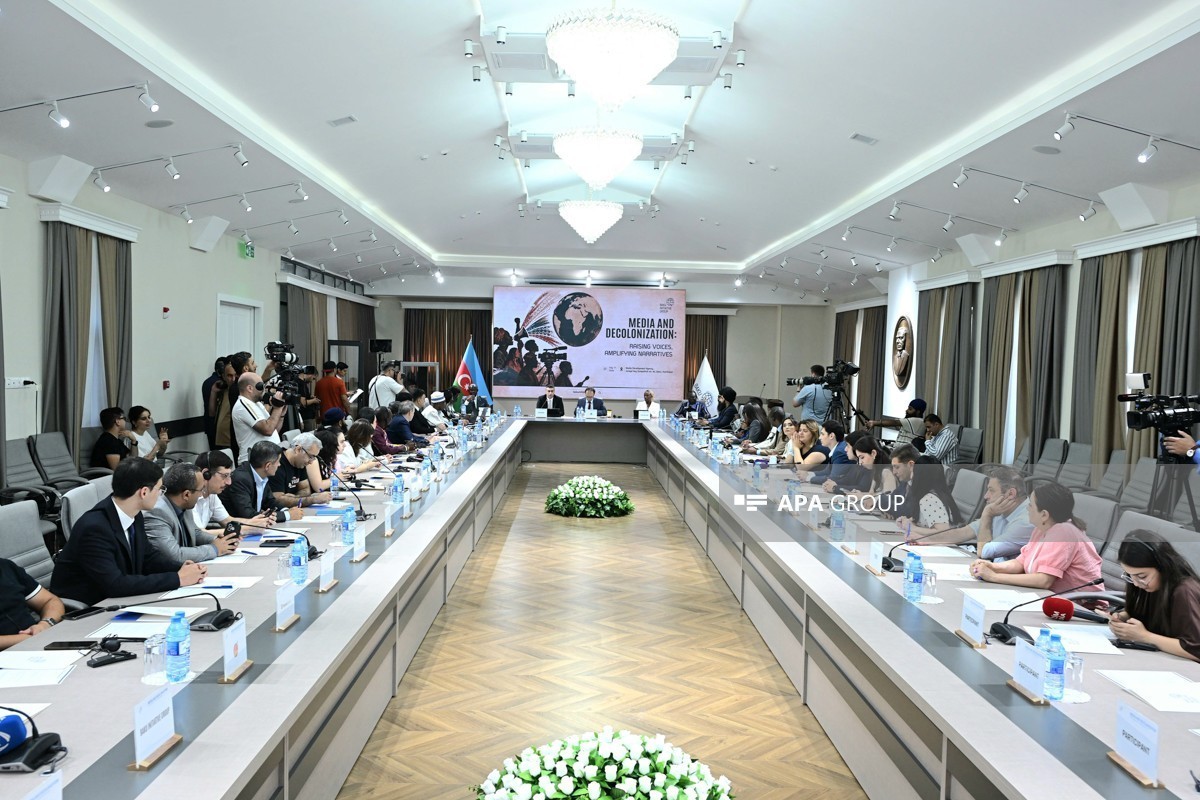
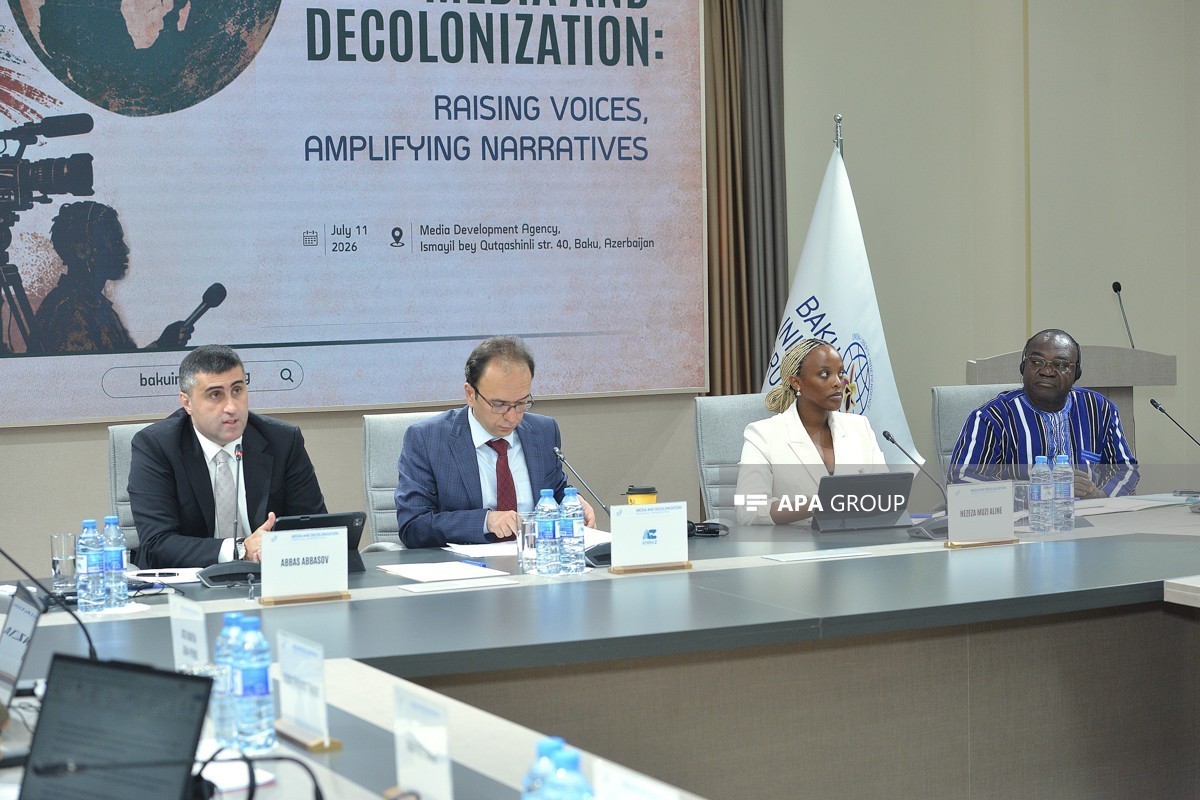
International conference on media and decolonization held in Baku - PHOTO
13:35
 11 July 2026
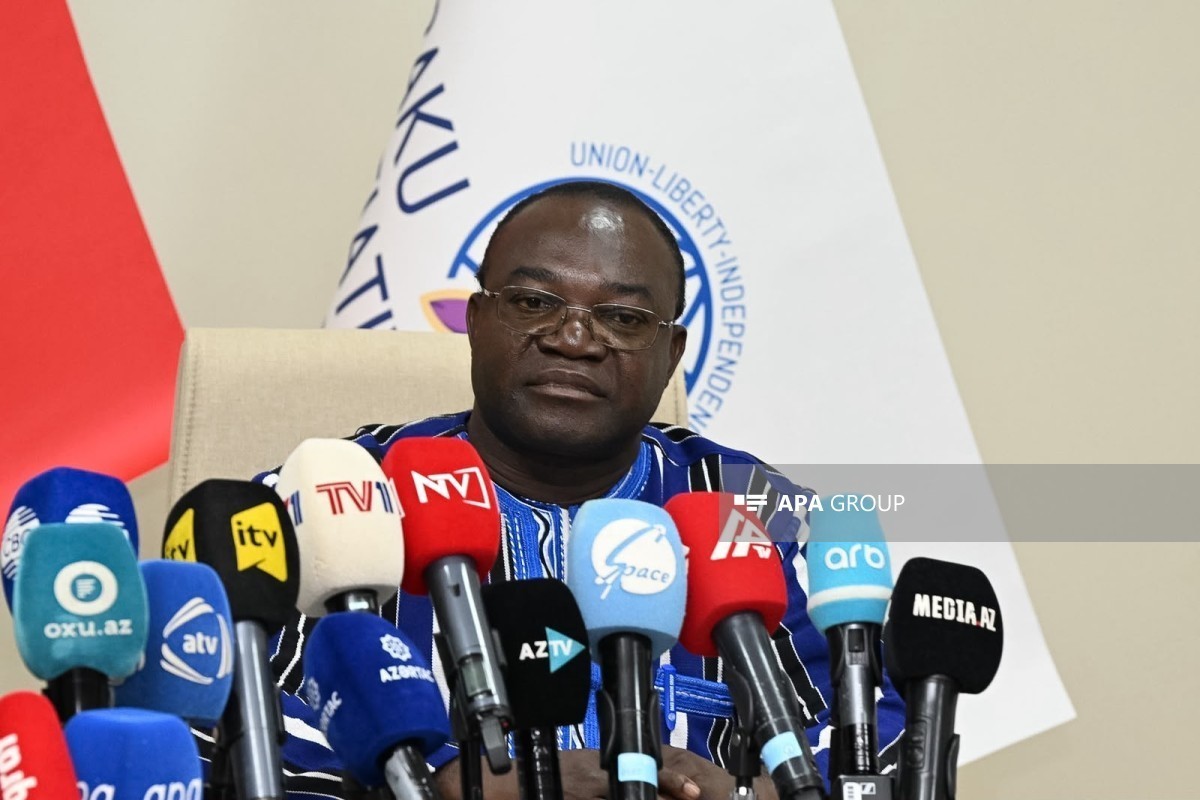
Burkina Faso official: Memorandum with BTG marks start of long-term cooperation
13:19
11 July 2026
BTG signs first cooperation deal with foreign state institution
13:13
11 July 2026
 PHOTO'>
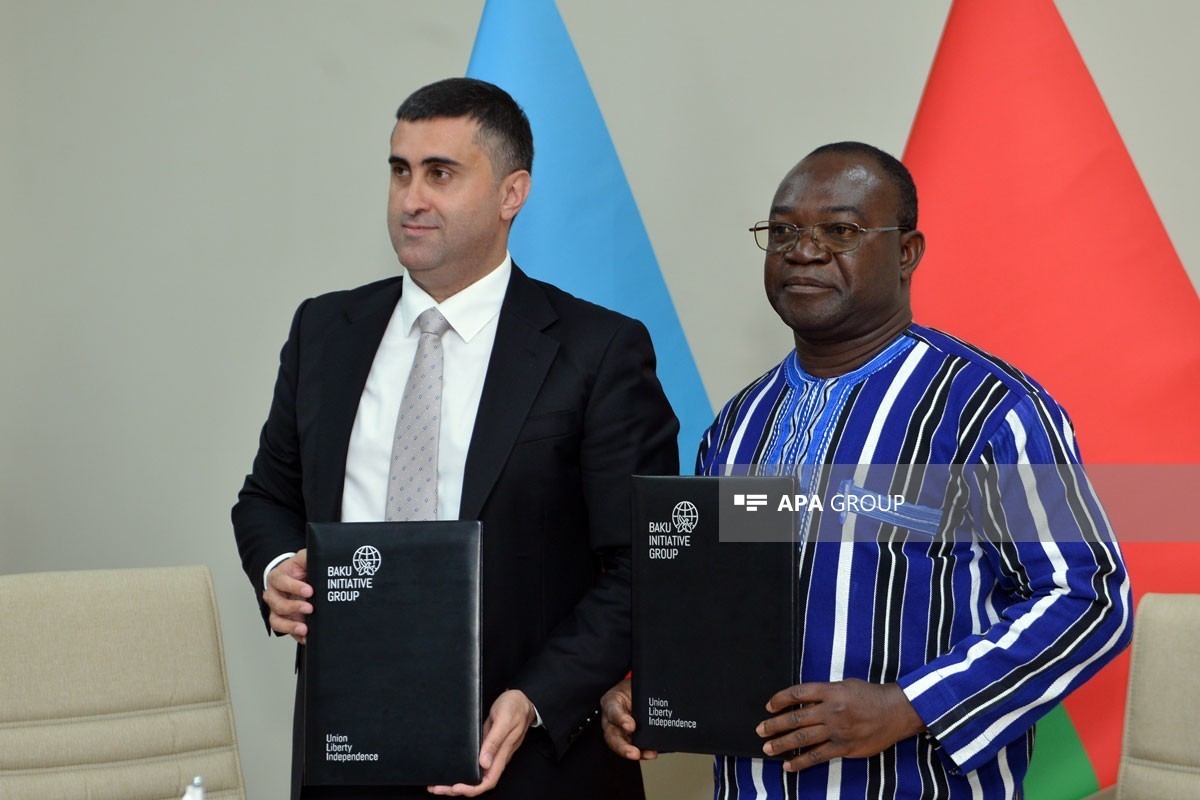
BTG signs memorandum with Burkina Faso Foreign Ministry's research institute - PHOTO
12:54
11 July 2026

NEWS FEED
Bus overturn in Azerbaijan leaves more than 30 injured-PHOTO-UPDATED
07:40
12 July 2026
Toronto active shooter incident leaves 5 people injured, 2 dead, police say
07:36
12 July 2026
Report: Ukraine's air defences struggling to intercept Russia's latest attacks
06:25
12 July 2026
US launches new wave of strikes against Iran
05:19
12 July 2026
Iran declares Strait of Hormuz closed after firing warning shot at vessel
03:23
Audio
12 July 2026
Cuba's President calls US threat due to the island's energy collapse
02:48
12 July 2026
Guardian: Europe may agree to pay Hormuz toll
02:14
12 July 2026
US military officials discuss plan in Beirut to deploy the Lebanese army to “pilot zones”
02:00
12 July 2026
Oman proposes new Hormuz traffic plan as Trump sets deadline for Iran deal
01:50
12 July 2026
Death toll from Venezuela earthquake rises to 4,333
01:24
12 July 2026
No US officials attending consultations on Iran in Oman
00:14
12 July 2026
Six years pass since Tovuz battles
00:00
12 July 2026
Araghchi discusses Strait of Hormuz, diplomatic efforts with Omani foreign minister
23:30
11 July 2026
Trump claims he 'aced' his latest cognitive test
22:35
11 July 2026
Noskova beats Muchova, takes Wimbledon title
22:17
11 July 2026
Israeli Air Force attacks Hezbollah stronghold in Al-Mansouri in southern Lebanon
21:16
11 July 2026
President Ilham Aliyev’s social media accounts shared post on his meeting with residents of Guzeykhirman and Guneykhirman villages of Khojavend
20:56
11 July 2026
Rubio: Trump and I want better future for Cuba
20:44
11 July 2026
President Ilham Aliyev visited Guzeykhirman village in Khojavend district-UPDATED
20:15
11 July 2026
President: Every time I visit Garabagh and East Zangezur and see this beautiful development, my heart rejoices
19:54
11 July 2026
President of Azerbaijan: Our state is strong, our Army is strong, our will is firm
19:52
11 July 2026
President Ilham Aliyev: For the past 5-6 years, our people have rightfully lived with a sense of pride
19:50
11 July 2026
President: Every time former displaced persons return to their ancestral lands, it is a celebration for all of us
19:48
11 July 2026
Russian strikes on Sumy kill 5, including child, injure 30 - UPDATED
19:34
11 July 2026
President Ilham Aliyev attended opening of Khankendi Hotel - PHOTO
18:02
11 July 2026
President Ilham Aliyev’s social media accounts shared video from Kichik Galaderesi village in Shusha
17:39
11 July 2026
Historic oil pumping station in Kurdamir may be added to cultural heritage list
16:37
11 July 2026
President Ilham Aliyev reviewed new buildings of “Yasaman” Hotel in Shusha
16:02
11 July 2026
President Ilham Aliyev reviewed progress under public-private partnership project on Garabagh Street in Shusha
15:32
11 July 2026
Iran's Supreme Leader pledges revenge for Ali Khamenei's death, says people worldwide will help
15:22
11 July 2026
Sadigjan House opened after restoration in Shusha
15:10
11 July 2026
Russia launched a missile strike on Odesa - two dead, one wounded
14:32
11 July 2026
Boat carrying tourists capsizes off Vietnam's Phu Quoc island, killing 15
14:29
11 July 2026
President Ilham Aliyev inspected restoration works in Shusha’s Kichik Galaderesi village and met with returning residents - PHOTO
14:06
11 July 2026
International conference on media and decolonization held in Baku - PHOTO
13:35
11 July 2026
Burkina Faso official: Memorandum with BTG marks start of long-term cooperation
13:19
11 July 2026
China evacuates over one million as Typhoon Bavi nears
13:16
11 July 2026
BTG signs first cooperation deal with foreign state institution
13:13
11 July 2026
Russian strikes on Kharkiv and Zaporizhzhia leave dead and injured
13:08
11 July 2026
BTG signs memorandum with Burkina Faso Foreign Ministry's research institute - PHOTO
12:54
11 July 2026
Qatari mediators visit Iran to ease tensions
12:51
11 July 2026
Romania says five sea drones neutralized in Black Sea
12:43
11 July 2026
Azerbaijani oil trades at $77.91
12:17
11 July 2026
Ukraine creates new command to intensify long-range strikes against Russia
12:09
11 July 2026
Abbas Abbasov: BTG has succeeded in placing decolonization on the agenda of international organizations
11:47
11 July 2026
Suspect in murder of Azerbaijani citizen detained at Batumi airport, Georgian Interior Ministry says - PHOTO - VIDEO
11:39
11 July 2026
CNN: Iran attempting to restore nuclear facilities
11:31
11 July 2026
Investments in non-oil and gas sector increase by nearly 6% this year
11:29
11 July 2026
Dutch spy agencies: Russia hacked cameras to spy on military routes
11:16
11 July 2026
Azerbaijani President congratulates Mongolian counterpart on National Day
11:12
11 July 2026


