










Baku-APA. The UN agencies on Tuesday called on developing countries to sustain their commitments to secure future progress on universal access to HIV/AIDS services, APA reports quoting Xinhua News Agency.
According to a joint report released in Nairobi on Tuesday, WHO, UNICEF and the Joint UN Program on HIV/AIDS (UNAIDS) noted that the significant progress has been made in several low- and middle- income countries in increasing access to HIV/AIDS services. "Countries in all parts of the world are demonstrating that universal access is achievable," said Dr Hiroki Nakatani, WHO’s Assistant Director-General for HIV/AIDS, Tuberculosis, Malaria and Neglected Tropical Diseases. "But globally, it remains an unfulfilled commitment. And we must join forces to make it a worldwide reality in the coming years."
The report Towards Universal Access is the fourth annual report for tracking progress made in achieving the 2010 target of providing universal access to HIV prevention, treatment and care.
The report says remarkable progress in Eastern and Southern Africa, the region most severely affected by HIV, offers hope.
In this region, the report says, HIV treatment coverage has increased from 32 percent to 41 percent in one year, adding that half of the pregnant women were able to access HIV testing and counseling in 2009.
The report assessed HIV/AIDS progress in 144 low- and middle- income countries in 2009 and found 15 countries, including Botswana, Guyana and South Africa, were able to provide more than 80 percent of HIV-positive pregnant women in need, the services and medicines to prevent mother-to-child HIV transmission;
The report says 14 countries, including Brazil, Namibia and Ukraine, provided HIV treatment to more than 80 percent of the HIV- positive children in need.
Eight countries, including Cambodia, Cuba and Rwanda, have achieved universal access to antiretroviral treatment (ART) for adults. "We are on the right track, we have shown what works and now we need to do more of it," said Dr Paul De Lay, Deputy Executive Director, Program, UNAIDS. "But we are 10 billion US dollars short. At the Global Fund replenishment conference in New York next week countries have a chance to put this right - to make a smart investment and secure the future of the AIDS response."
In 2009, 5.25 million people had access to HIV treatment in low- and middle-income countries, accounting for 36 percent of those in need. This represents an increase of over 1.2 million people from December 2008, the largest increase in any single year.
In sub-Saharan Africa, close to one million more people started on ART, the number increasing from 2.95 million at the end of 2008 to 3.91 million at the end of 2009, covering 37 percent of those in need.
Latin America and the Caribbean region reached 50 percent coverage for ART, East, South and Southeast Asia --31 percent, Europe and Central Asia -- 19 percent, and North Africa and the Middle East -- 11 percent.
Obstacles to scaling up HIV treatment persist in most countries, including funding shortages, limited human resources, and weak procurement and supply management systems for HIV drugs and diagnostics and other health systems bottlenecks. One third of countries reported at least one or more cases when supply of HIV medicines had been interrupted in 2009.
Prevention efforts to reach most-at-risk populations such as sex workers, drug users, and men who have sex with men are limited.
For example, only about one third of injecting drug users in reporting countries were reached with HIV prevention programs in 2009.
Availability and safety of blood and blood products continue to be a concern for HIV prevention, especially in low-income countries.
While 99 percent and 85 percent of blood donations in high- and middle-income countries, respectively, were screened in a quality- assured manner in 2009, in low-income countries the comparable figure was 48 percent.
Results from population surveys in ten countries showed more than 60 percent of HIV-positive people did not know their HIV status. As a result, many patients start treatment too late.
Around 18 percent of patients initiating treatment were lost to follow-up during the first year, a large proportion of them dying due to late initiation of treatment.
"The report findings indicate challenges but also clear opportunities for optimizing investments and increasing efficiency. By starting treatment earlier and improving adherence within the first year, we can save many more lives," said Dr Gottfried Hirnschall, WHO’s Director for HIV/AIDS.
"We also need to not only further increase access to key HIV/ AIDS interventions but also to pay attention to ensure higher quality of these life-saving services," he said.
Steady progress was seen in access to prevention of mother-to- child transmission (PMTCT) services. A record 53 percent of pregnant women who needed PMTCT services received them globally in 2009.
But still many pregnant women and their infants lacked access to these timely interventions. Care for infants and children require highest attention. Global treatment coverage for HIV positive children was 28 percent in 2009, a notable progress, but the rate is lower than the ART coverage for adults (36%).
And only 15 percent of children born to HIV-positive mothers were receiving appropriate infant diagnostics.
"Every day, more than 1 000 infants acquire HIV during pregnancy, delivery and breastfeeding. We know how to prevent this, " says Jimmy Kolker, Chief of HIV and AIDS of UNICEF.
"While many countries are now showing significant progress, intensified efforts are urgently needed to reach all mothers and children with the most effective treatment and PMTCT interventions for their own health and for the sake of their communities."
The report called for a clear set of actions to be taken by the international community including renewing political and funding commitments to achieve universal access to HIV/AIDS prevention, treatment and care.
It also calls for the world to improve integration and linkages between HIV/AIDS and related services such as tuberculosis, maternal and child health, sexual health and harm reduction for drug users.
According to the report, the world should set actions on strengthening health systems to achieve broader public health outcomes; and taking bold measures to address legal and structural barriers that increase HIV vulnerability, particularly for most-at- risk populations.
This call to action is consistent with the key strategies proposed by a broad range of stakeholders for the new Global Health Sector Strategy for HIV/AIDS, 2011-2015.
WHO is developing the strategy which is meant to guide the next phase of the health sector response to HIV/AIDS, once discussed and ratified by the World Health Assembly next year.
UN urges developing countries to intensity anti-AIDS fight

 28 September 2010 18:21 (UTC +04:00)


 İDMAN XƏBƏR
 Follow us on Telegram
 t.me/apanewsaz
 Follow us on Instagram
 Follow us on TikTok
 Follow us on Facebook
 Follow us on X
Foreign
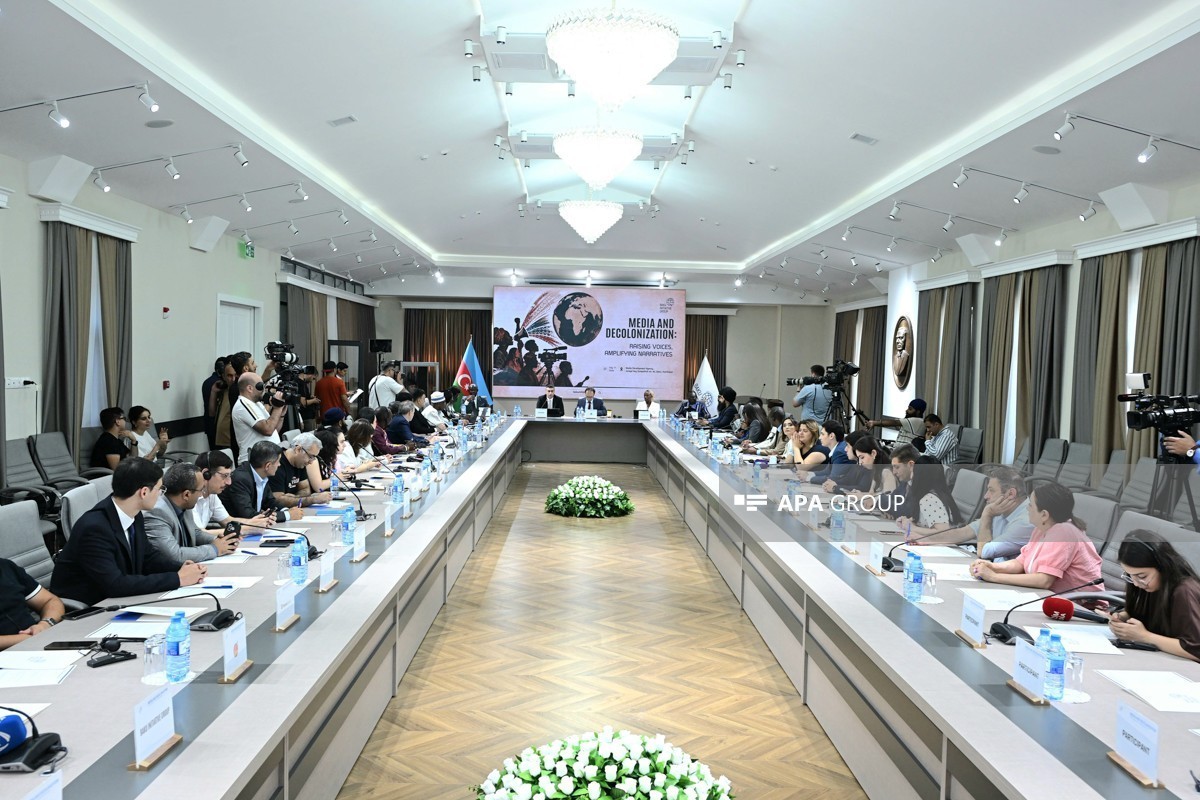
International conference on media and decolonization held in Baku - PHOTO
13:35
 11 July 2026
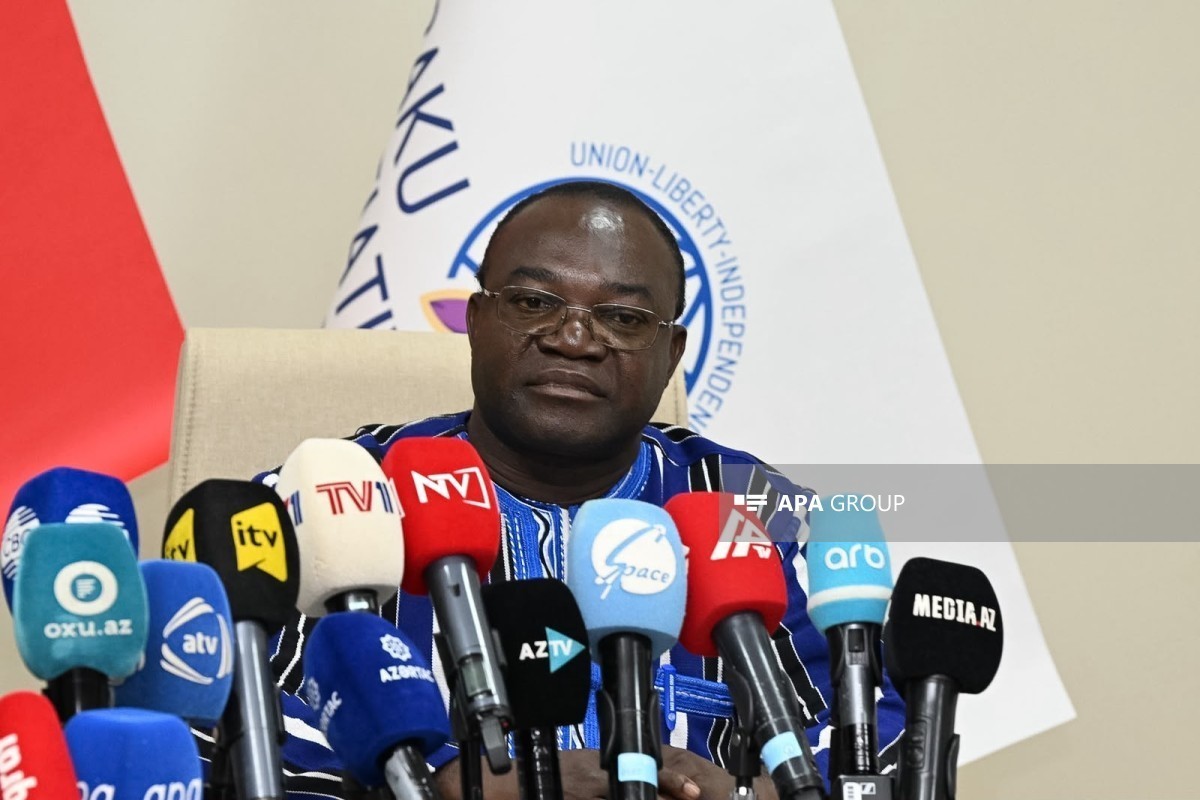
Burkina Faso official: Memorandum with BTG marks start of long-term cooperation
13:19
11 July 2026
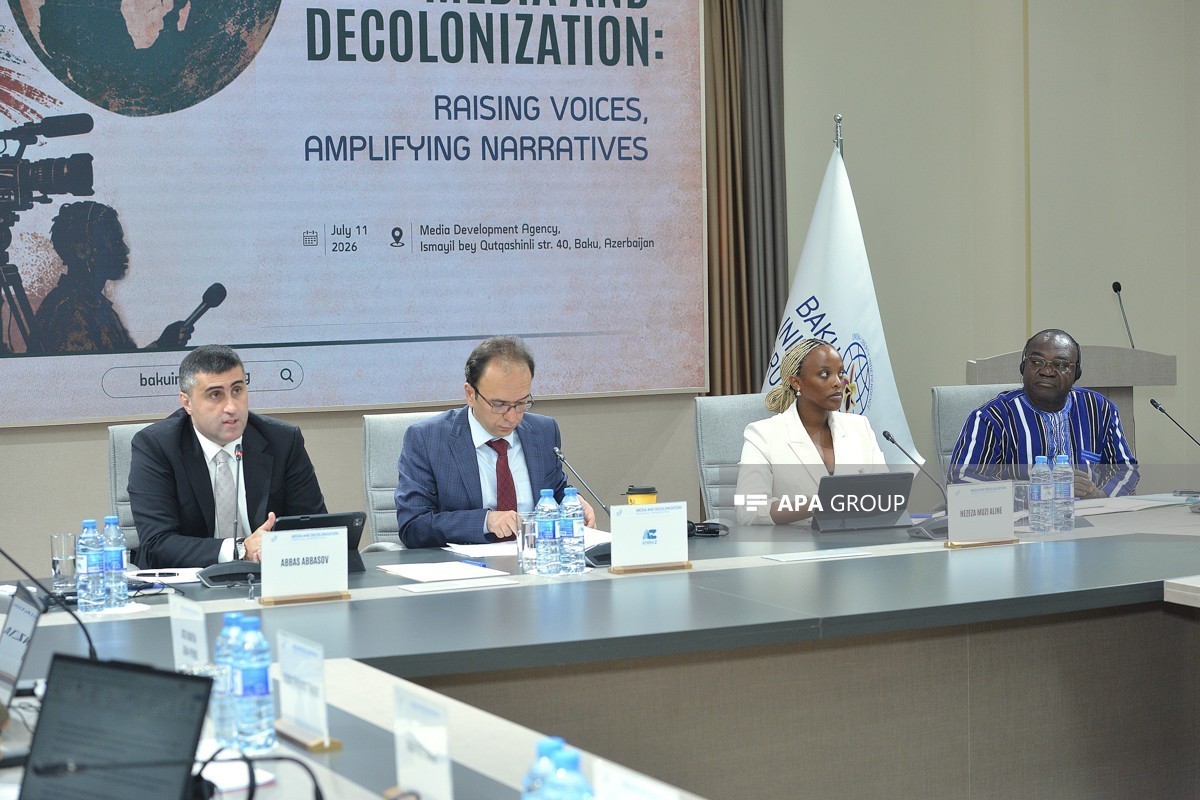
BTG signs first cooperation deal with foreign state institution
13:13
11 July 2026
 PHOTO'>
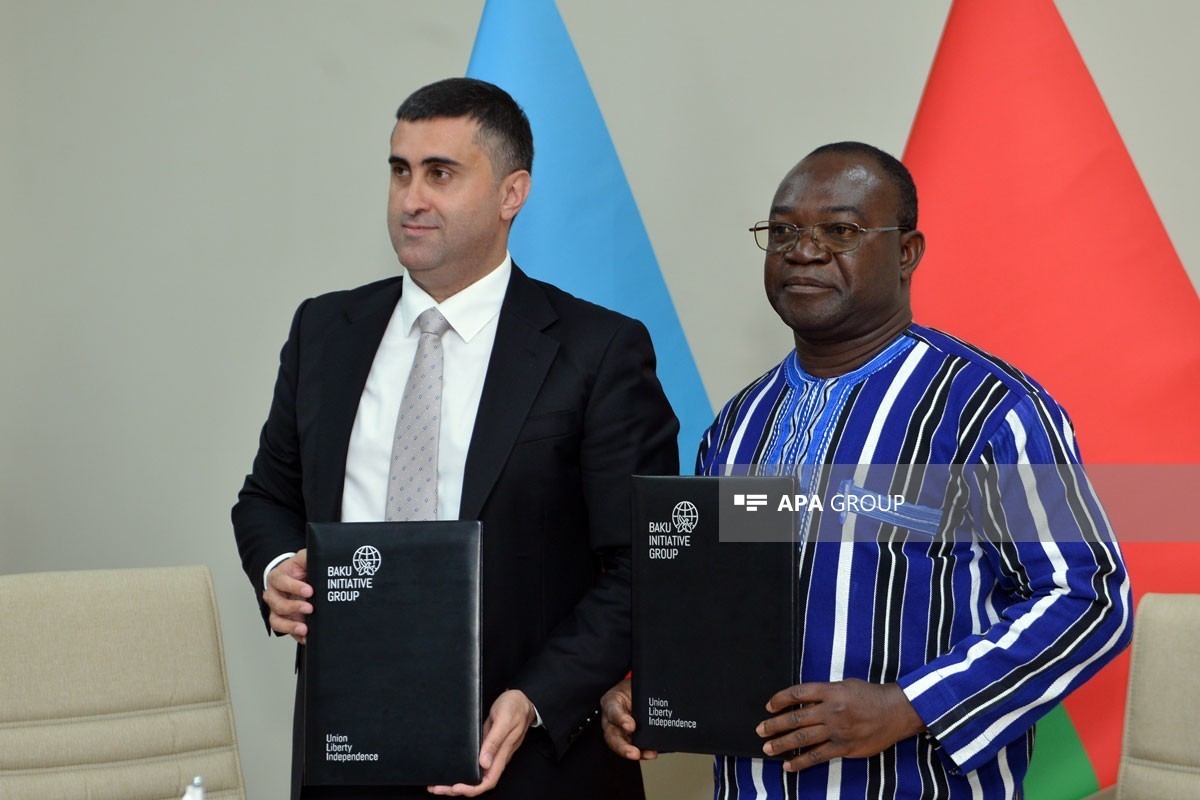
BTG signs memorandum with Burkina Faso Foreign Ministry's research institute - PHOTO
12:54
11 July 2026

NEWS FEED
Passenger bus overturns in central Azerbaijan, multiple people injured-PHOTO
07:23
12 July 2026
Report: Ukraine's air defences struggling to intercept Russia's latest attacks
06:25
12 July 2026
US launches new wave of strikes against Iran
05:19
12 July 2026
Iran declares Strait of Hormuz closed after firing warning shot at vessel
03:23
Audio
12 July 2026
Cuba's President calls US threat due to the island's energy collapse
02:48
12 July 2026
Guardian: Europe may agree to pay Hormuz toll
02:14
12 July 2026
US military officials discuss plan in Beirut to deploy the Lebanese army to “pilot zones”
02:00
12 July 2026
Oman proposes new Hormuz traffic plan as Trump sets deadline for Iran deal
01:50
12 July 2026
Death toll from Venezuela earthquake rises to 4,333
01:24
12 July 2026
No US officials attending consultations on Iran in Oman
00:14
12 July 2026
Six years pass since Tovuz battles
00:00
12 July 2026
Araghchi discusses Strait of Hormuz, diplomatic efforts with Omani foreign minister
23:30
11 July 2026
Trump claims he 'aced' his latest cognitive test
22:35
11 July 2026
Noskova beats Muchova, takes Wimbledon title
22:17
11 July 2026
Israeli Air Force attacks Hezbollah stronghold in Al-Mansouri in southern Lebanon
21:16
11 July 2026
President Ilham Aliyev’s social media accounts shared post on his meeting with residents of Guzeykhirman and Guneykhirman villages of Khojavend
20:56
11 July 2026
Rubio: Trump and I want better future for Cuba
20:44
11 July 2026
President Ilham Aliyev visited Guzeykhirman village in Khojavend district-UPDATED
20:15
11 July 2026
President: Every time I visit Garabagh and East Zangezur and see this beautiful development, my heart rejoices
19:54
11 July 2026
President of Azerbaijan: Our state is strong, our Army is strong, our will is firm
19:52
11 July 2026
President Ilham Aliyev: For the past 5-6 years, our people have rightfully lived with a sense of pride
19:50
11 July 2026
President: Every time former displaced persons return to their ancestral lands, it is a celebration for all of us
19:48
11 July 2026
Russian strikes on Sumy kill 5, including child, injure 30 - UPDATED
19:34
11 July 2026
President Ilham Aliyev attended opening of Khankendi Hotel - PHOTO
18:02
11 July 2026
President Ilham Aliyev’s social media accounts shared video from Kichik Galaderesi village in Shusha
17:39
11 July 2026
Historic oil pumping station in Kurdamir may be added to cultural heritage list
16:37
11 July 2026
President Ilham Aliyev reviewed new buildings of “Yasaman” Hotel in Shusha
16:02
11 July 2026
President Ilham Aliyev reviewed progress under public-private partnership project on Garabagh Street in Shusha
15:32
11 July 2026
Iran's Supreme Leader pledges revenge for Ali Khamenei's death, says people worldwide will help
15:22
11 July 2026
Sadigjan House opened after restoration in Shusha
15:10
11 July 2026
Russia launched a missile strike on Odesa - two dead, one wounded
14:32
11 July 2026
Boat carrying tourists capsizes off Vietnam's Phu Quoc island, killing 15
14:29
11 July 2026
President Ilham Aliyev inspected restoration works in Shusha’s Kichik Galaderesi village and met with returning residents - PHOTO
14:06
11 July 2026
International conference on media and decolonization held in Baku - PHOTO
13:35
11 July 2026
Burkina Faso official: Memorandum with BTG marks start of long-term cooperation
13:19
11 July 2026
China evacuates over one million as Typhoon Bavi nears
13:16
11 July 2026
BTG signs first cooperation deal with foreign state institution
13:13
11 July 2026
Russian strikes on Kharkiv and Zaporizhzhia leave dead and injured
13:08
11 July 2026
BTG signs memorandum with Burkina Faso Foreign Ministry's research institute - PHOTO
12:54
11 July 2026
Qatari mediators visit Iran to ease tensions
12:51
11 July 2026
Romania says five sea drones neutralized in Black Sea
12:43
11 July 2026
Azerbaijani oil trades at $77.91
12:17
11 July 2026
Ukraine creates new command to intensify long-range strikes against Russia
12:09
11 July 2026
Abbas Abbasov: BTG has succeeded in placing decolonization on the agenda of international organizations
11:47
11 July 2026
Suspect in murder of Azerbaijani citizen detained at Batumi airport, Georgian Interior Ministry says - PHOTO - VIDEO
11:39
11 July 2026
CNN: Iran attempting to restore nuclear facilities
11:31
11 July 2026
Investments in non-oil and gas sector increase by nearly 6% this year
11:29
11 July 2026
Dutch spy agencies: Russia hacked cameras to spy on military routes
11:16
11 July 2026
Azerbaijani President congratulates Mongolian counterpart on National Day
11:12
11 July 2026
Hydroelectric power stations on Hochaz River inaugurated in Lachin
11:06
11 July 2026


