










- What role OSCE plays in the context of international relations at the time?
- The OSCE, which is the world’s largest regional security organization with 56 participating States, continues to play a key role in helping to build security and stability in its area. In this regard the Organization has an important role to play in taking forward the dialogue on the future of European security. As the OSCE participating States have agreed, the time has come to take stock of how far we have come in building a Europe “whole, free and at peace with itself.†We have seen tremendous progress in the two decades since the end of the Cold War, but many challenges remain unresolved.
There is a need for an open, sustained, wide-ranging and inclusive dialogue on security and the OSCE is a natural forum to anchor this dialogue, thanks to its inclusiveness, its comprehensive security concept and its long experience. The OSCE also remains the only regional organization bringing together all states in the Euro-Atlantic and Eurasian areas on an equal footing.
- The Chairman of OSCE Ms. Dora Bakoyyanis planned to hold OSCE Summit in 2009. Is there any news on that issue? If it will be held, what will be the topic?
- The OSCE Chairperson-in-Office, Greek Foreign Minister Dora Bakoyannis, recently hosted an informal meeting of OSCE foreign ministers on the Greek island of Corfu on 27 and 28 June. This meeting brought together the 56 OSCE states as well as representatives of international organizations to launch the “Corfu Process†for a renewed dialogue on European security.
The “Corfu process†represents an opportunity for all states of our region to come together to assess where there are gaps in their common security, and to craft more effective responses to remaining challenges. It does not seek to replace Europe’s existing network of security institutions, but rather to strengthen them in dealing with outstanding challenges, and to encourage greater co-operation.
- What OSCE is going to undertake to for resolving the frozen conflict, and Nagorno-Karabakh conflict in particular? How do you think, if any opportunities for resolving the Nagorno-Karabakh conflict this year?
The co-chairs of Minsk group OSCE told that they were planning the Nagorno-Karabakh summit with the participation of 3 presidents OSCE Minsk group countries. Will the OSCE officials participate in it? What’s your attitude towards that?
-The OSCE is committed to the existing structures to addressing the region’s protracted conflicts and fully supports the work of the OSCE Minsk Group Co-Chairs. The meetings that have taken place between the Presidents and Foreign Ministers of Azerbaijan and Armenia are critical to the progress we have seen recently, and the OSCE fully supports this dialogue. The upcoming meeting between the Presidents in Moscow on July 17 will mark another step in the negotiation process. As the OSCE Chairperson said when she was in Baku at the start of July, the latest developments in the negotiation process and the constructive discussions that have taken place are encouraging. There is a positive momentum in the discussions, and it is important to build on this.
The intensified mediation efforts of the Minsk Group Co-Chairs as well as the confidence-building work of the Chairperson’s Personal Representative Ambassador Andrzej Kasprzyk, are also very important. The statement by the presidents of the Minsk Group Co-Chair countries – France, Russia and the United States – at the G-8 summit are further indications of both the importance the international community places on achieving a peaceful, negotiated settlement, and of the fact that we believe there is an opportunity to make further progress. The statement announced that the Presidents of the Co-Chair countries are instructing the mediators to present an updated version of the 2007 Madrid document, which I hope will also help bring us closer to a comprehensive settlement.
- How do you estimate the development of democratic institutions in Azerbaijan and situation with media in our country?
Vibrant political competition, a strong civil society and a free press are critical to the democratic process and represent key commitments. The Parliament’s recent decision to help ensure that amendments to the law on NGOs do not restrict the activities of civil society was a positive one in this regard. I also welcome the dialogue that Azerbaijan is pursuing with the OSCE Representative on Freedom of the Media, and I strongly believe we can further cooperate to improve the legal media environment.
The OSCE supports participating States in their efforts to fulfil their commitments, and the Organization, in particular its Office in Baku, stands ready to further support the country’s efforts to continue democratic reforms. The Office has enjoyed excellent co-operation with Azerbaijan in a wide range of activities, from community policing to trial monitoring. The OSCE Representative on Freedom of the Media and the OSCE Office for Democratic Institutions and Human Rights can also support Azerbaijan in fulfilling its commitments with respect to media freedom, and to build on the progress shown in last year’s presidential election ahead of the municipal elections in December and the parliamentary elections next year.
Azerbaijan has enjoyed robust economic growth in recent years, and despite the negative effects of the financial crisis, will continue the positive trend this year. This also represents an opportunity to deepen reforms. I fully support the State Programme on Socio-Economic Development of Regions to accelerate development of the non-oil sector and diversify the economy, achieve balanced regional and sustainable socio-economic development and further improve the welfare of all people in the country.
- As we know you are planning visit to Azerbaijan. What is the main aim of your visit to Azerbaijan? When are you planning to come and what issues are to be discussed?
- I am pleased to be visiting Azerbaijan on the invitation of the Azerbaijani authorities. During my visit I will meet President Aliyev and representatives of the foreign, internal affairs, justice and economic development ministries and of parliament, as well as Ambassadors from OSCE participating States and Partners for Co-operation and the Head and staff of the OSCE Office in Baku. I am very much looking forward to learning more about the latest developments in the country, and to discuss how the OSCE can further enhance its cooperation with Azerbaijan.
OSCE Secretary General Marc Perrin de Brichambaut: “The OSCE stands ready to further support the Azerbaijan’s efforts to continue democratic reforms†- INTERVIEW

 14 July 2009 14:48 (UTC +04:00)


 İDMAN XƏBƏR
 Follow us on Telegram
 t.me/apanewsaz
 Follow us on Instagram
 Follow us on TikTok
 Follow us on Facebook
 Follow us on X
Foreign
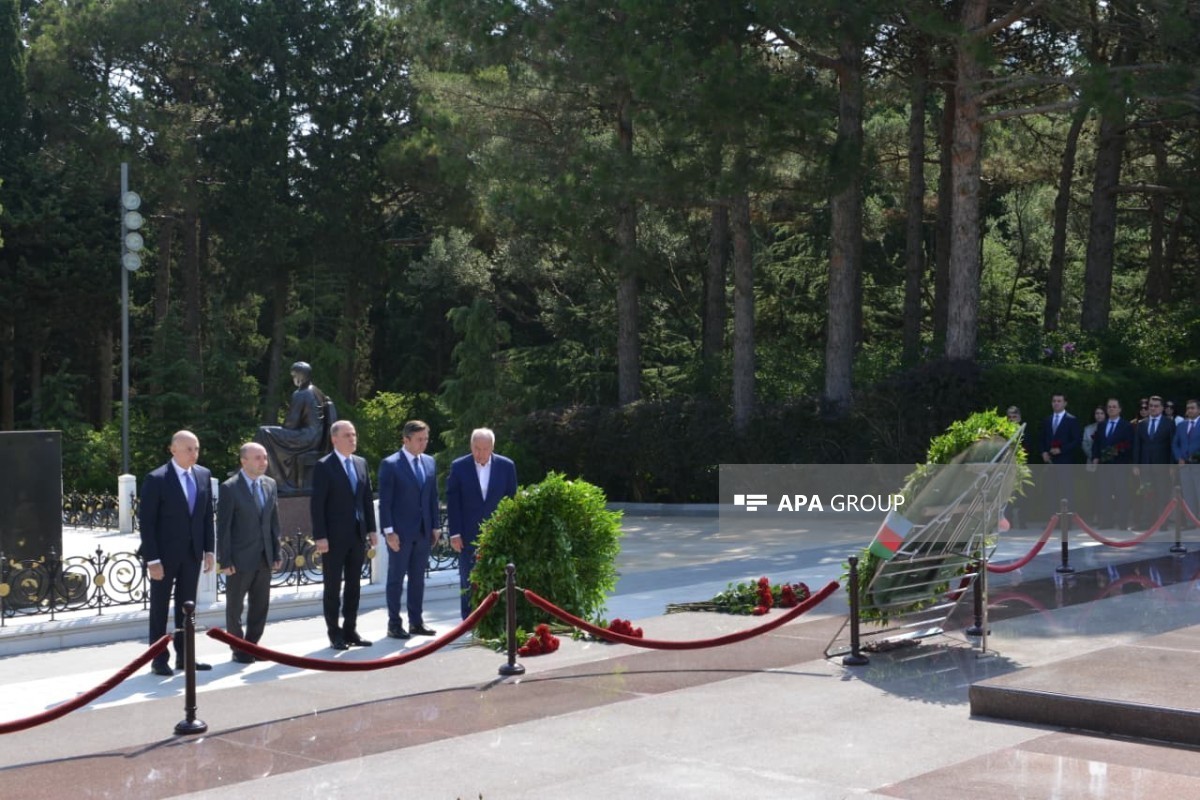
Foreign Ministry leadership visits Alley of Honor - PHOTO
10:14
 9 July 2026
Foreign minister says TRIPP process is underway, documents being prepared
10:06
9 July 2026
Bayramov: Azerbaijan has completed its part of the work on finalizing the peace agreement
10:03
9 July 2026
Bayramov: Azerbaijan and Armenia continue delimitation and demarcation process
09:57
9 July 2026

NEWS FEED
Merz says Germany agreed to acquire US Tomahawk missiles
12:13
9 July 2026
New direct flights between Azerbaijan and China to launch next year
11:55
9 July 2026
Iran's former Supreme Leader to be buried in Mashhad today
11:47
9 July 2026
UK removes Azerbaijan's Zangazur vessel from sanctions list - EXCLUSIVE - PHOTO
11:39
9 July 2026
FSB: Large-scale terror plot targeting Russian military personnel foiled in Russia
11:34
9 July 2026
Shaun Mann: Azerbaijan should focus on increasing tourists' spending rather than visitor numbers
11:28
9 July 2026
Florian Sengstschmid: Azerbaijan's recognition as a tourism destination rises to 48%
11:25
9 July 2026
Iran says it has targeted sites in Kuwait, Qatar, Bahrain in response to US strikes
11:19
9 July 2026
World Bank: Azerbaijan's economy to grow by 2% in 2026
11:17
9 July 2026
World Bank outlines key challenges facing Azerbaijan's tourism sector
11:07
9 July 2026
Foreign Ministry staff visit Victory Monument - PHOTO
11:05
9 July 2026
World Bank: Employment growth in Azerbaijan was mainly driven by the private sector
11:02
9 July 2026
Central Bank: Azerbaijan's strategic foreign exchange reserves reach USD 85.8 billion
10:57
9 July 2026
Iran says 14 killed, 78 injured in recent U.S. strikes
10:52
9 July 2026
Central Bank: Azerbaijan's external position remains favorable despite geopolitical tensions
10:49
9 July 2026
Rolande Pryce: Azerbaijan's tourism should shift from a capital-centered model to the regions
10:43
9 July 2026
World Bank: Azerbaijan's sustainable economic growth will depend on the non-oil sector
10:37
9 July 2026
Confirmed Ebola deaths in DR Congo hit 600
10:20
9 July 2026
Foreign Ministry staff visit Alley of Martyrs
10:16
9 July 2026
Foreign Ministry leadership visits Alley of Honor - PHOTO
10:14
9 July 2026
Foreign minister says TRIPP process is underway, documents being prepared
10:06
9 July 2026
Bayramov: Azerbaijan has completed its part of the work on finalizing the peace agreement
10:03
9 July 2026
Bayramov: Azerbaijan and Armenia continue delimitation and demarcation process
09:57
9 July 2026
Azerbaijani Azeri Light crude oil rises to $82.07 per barrel
09:50
9 July 2026
Iran says Tehran-Mashhad railway suspended after US strikes
09:47
9 July 2026
Iran says 3 killed in US strikes in western Iran
09:40
9 July 2026
Gold price falls below $4,100 on commodity markets
09:23
9 July 2026
US struck 90 Iranian military targets along coast - CENTCOM
09:18
9 July 2026
IRGC says missile and drone strikes hit US bases in Kuwait and Bahrain
09:15
9 July 2026
Iran’s parliament speaker says Strait of Hormuz to open only under ‘Iranian arrangements’
09:08
9 July 2026
Iran warns of attacks on more U.S. bases in region
06:44
9 July 2026
Trump: US prepared to respond to every Iranian attack with 20 strikes
05:15
9 July 2026
US military says it struck more than 80 Iranian targets
04:14
9 July 2026
Trump: This is a response to Tehran's bombing of ships yesterday
03:11
9 July 2026
Iran says US has stuck a railway bridge in northeastern Iran
02:42
9 July 2026
Justin Bieber to co-headline stacked 2026 World Cup final halftime show
01:24
9 July 2026
Iranian port city hit by power cuts amid fresh US strikes
00:53
9 July 2026
US Central Command issues statement on strikes against Iran
00:48
9 July 2026
Rutte: Next NATO Summit to be held in Albania
00:34
9 July 2026
Explosions reported in several parts of Iran
00:32
9 July 2026
US conducting new strikes in Iran after Trump said ceasefire is ‘over’
00:31
Audio
9 July 2026
President Erdogan meets EU leaders during NATO summit in Ankara
00:11
9 July 2026
Rubio: US begins process of removing Syria from list of state sponsors of terrorism
00:04
9 July 2026
Erdogan: Trump is positive about F-35 fighter jets being delivered to Türkiye
22:19
8 July 2026
Turkish, US Presidents did not hold discussion on South Caucasus
21:55
Audio
8 July 2026
Erdogan calls for barrier-free NATO defense cooperation
21:45
Audio
8 July 2026
US leader believes he could be the victim of an assassination attempt by Iran
21:20
Audio
8 July 2026
Trump is confident that all NATO countries will soon increase defense spending to 5% of GDP
20:35
8 July 2026
Trump says Iran's new leadership "may be gone," after breakdown in peace negotiations
20:30
Audio
8 July 2026
Türkiye, UK set to sign major defense partnership at NATO summit
20:19
8 July 2026


