










Baku-APA. British Prime Minister David Cameron Thursday wound up his two-day visit to India after holding talks with his Indian counterpart Manmohan Singh, APA reports quoting Xinhua News Agency.
He also attended Thursday an important British-Indian business forum with the top entrepreneurs of both countries here and attended the signing ceremony of a 1.1 billion-U.S. dollar project to jointly make 57 "Hawk" trainers for the Indian military in the southern city of Bangalore Wednesday.
This visit was Cameron’s first to a major developing country since assuming office and the first visit by a British PM to India since 2005. He was accompanied by seven cabinet ministers and 50 British entrepreneurs as well as many people from the circles of education, culture and arts.
Regarded as the largest ever delegation to India since India’s Independence in 1947, the visit also showed the great importance paid by London to India.
On the eve of his visit, Cameron published an article on British-Indian relations in the Indian daily The Hindu, in which he called for "a stronger, wider and deeper relationship" between the two countries, while emphasizing huge potentials in cooperative fields such as economy, trade and security.
As per the agreement struck between New Delhi and London during Cameron’s visit, one can see that economic and trade cooperation remain the focus bilateral relations. But the new characteristics of British-Indian relations can also be summarized as following:
Despite the fact that Britain was the former colonial power in India, its influence in the international arena has fallen greatly since World War II and its political and economic influence in India itself has also greatly diminished over the past several decades.
Before he landed in India Tuesday evening, Cameron said he came here "in a spirit of humility". He said sentiment and "a shared history" can no longer build a new special relationship between the two countries and Britain must win its position in India though fierce international competition.
The prime minister also pointed out that the aim of Britain is to again become one of the top five trading partners of India. Last year, British-Indian trade fell to 4.5 billion U.S. dollars, and Britain became India’s 18th largest trading partner.
The recent change of government in Britain was mainly caused by economic recession resulting from the global economic meltdown. After he came to power, Cameron carried out the largest deficit cut and economic austerity plan since Prime Minister Thatcher.
London has realized that if Britain wants to recover from the economic slowdown, it must seek wider market overseas, especially in Asian countries. The Foreign Office has also launched a campaign of economic diplomacy. Under this circumstances,
Cameron thus chose India as the first developing country to visit. The two governments agreed to carry out a wide-range of cooperation in all fields, increase investment in each other’s country, and set up a CEO joint team to stimulate such endeavors.
BRITAIN WANTS TO SHARE INDIA’S ARMS MARKET
India is well-known for relying on foreign -- in particular Russian -- military equipment and technology to modernize its military forces, due to its limited home armament development capabilities. Over the past several years, India has been stepping up the purchase of foreign armaments.
Britain, with its ownership of military high technology, wishes to share the Indian arms market. The Hawk project is one example of its efforts to do so. Besides this trainer, Britain also cooperates with India in Jaguar military aircraft production and it intends to build ships for India’s Coast Guards.
On the other hand, with restrictions of technology import from the U.S., India wishes to obtain advanced military and nuclear technology from Britain, which is an important member of NATO.
BRITAIN AND INDIA OWN GREAT "SOFTWARE POWER" FOR DEVELOPING TIES
Due to historical reasons, Britain and India have very close relations in people contacts and personnel exchange. India has some 2 million immigrants in Britain. The two countries also enjoy close ties in education, academics, science research, arts, sports and other fields, which make up a huge "software power" for developing bilateral ties.
During Cameron’s visit, the two countries agreed to widen and deepen exchanges and cooperation in these fields. Britain also promise to continue absorbing the most talented people from India.
CAMERON’S CRITICISM OF PAKISTAN DRAWS ATTENTION
During the visit, Cameron twice criticized Pakistan for not doing enough to crack down on terror groups on its soil. This could be regarded as an unusual gesture from London to boost the position of India, which has been blaming Pakistan for the 2008 Mumbai attacks.
Political analysts and senior Indian officials immediately welcomed the British PM’s remarks as "unusually blunt", but they also pointed out that the remarks came in the light of furthering defense ties as Britain clearly look at India as a potential buyer for defense equipment which may see the country breathe easy as it is recuperating from recession which hit the country two years back.
Some analysts also speculate that Cameron’s new attitude towards Pakistan could signal a shift of policy of the United States and NATO in Afghanistan, as the Western countries might " encourage" India to be more actively involved in Afghanistan once NATO withdraws from the war-torn country.
British PM visit to India focuses on developing economic and trade ties

 30 July 2010 04:22 (UTC +04:00)


 İDMAN XƏBƏR
 Follow us on Telegram
 t.me/apanewsaz
 Follow us on Instagram
 Follow us on TikTok
 Follow us on Facebook
 Follow us on X
Europe
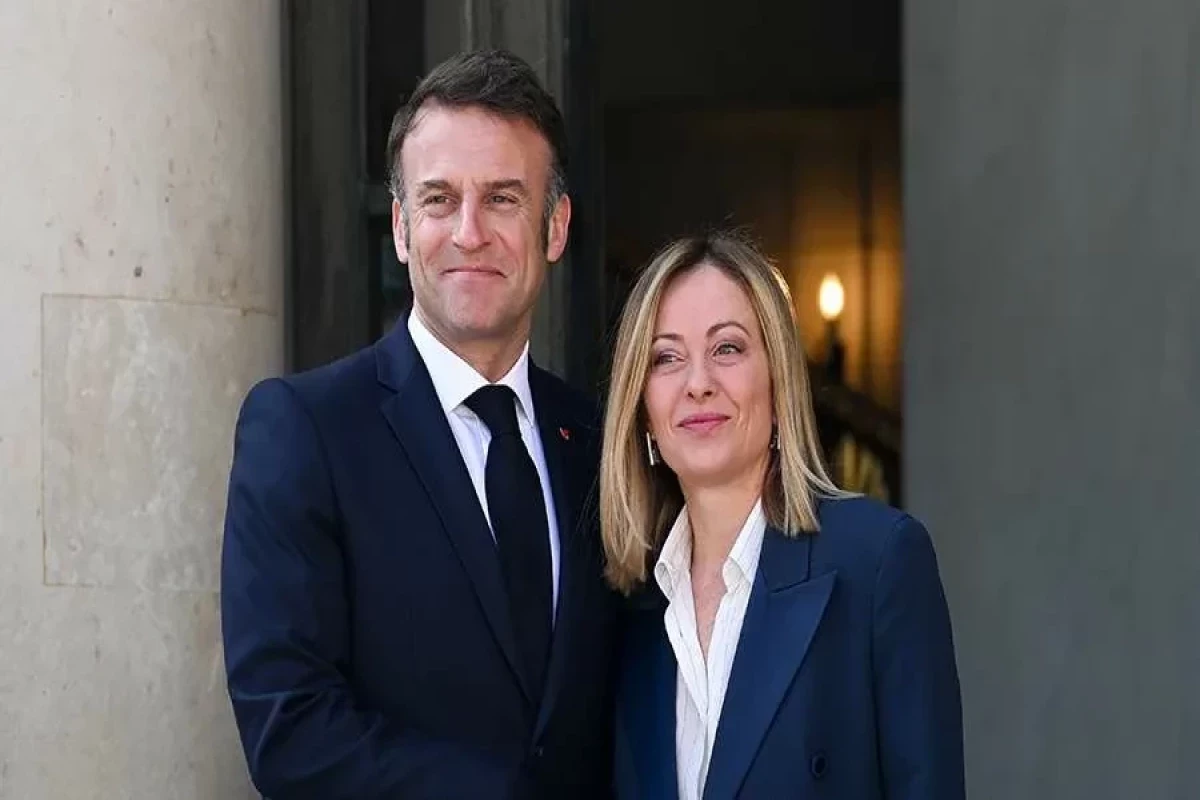
France, Italy seek multinational coalition to support Lebanon after UNIFIL withdrawal
09:02
 26 June 2026
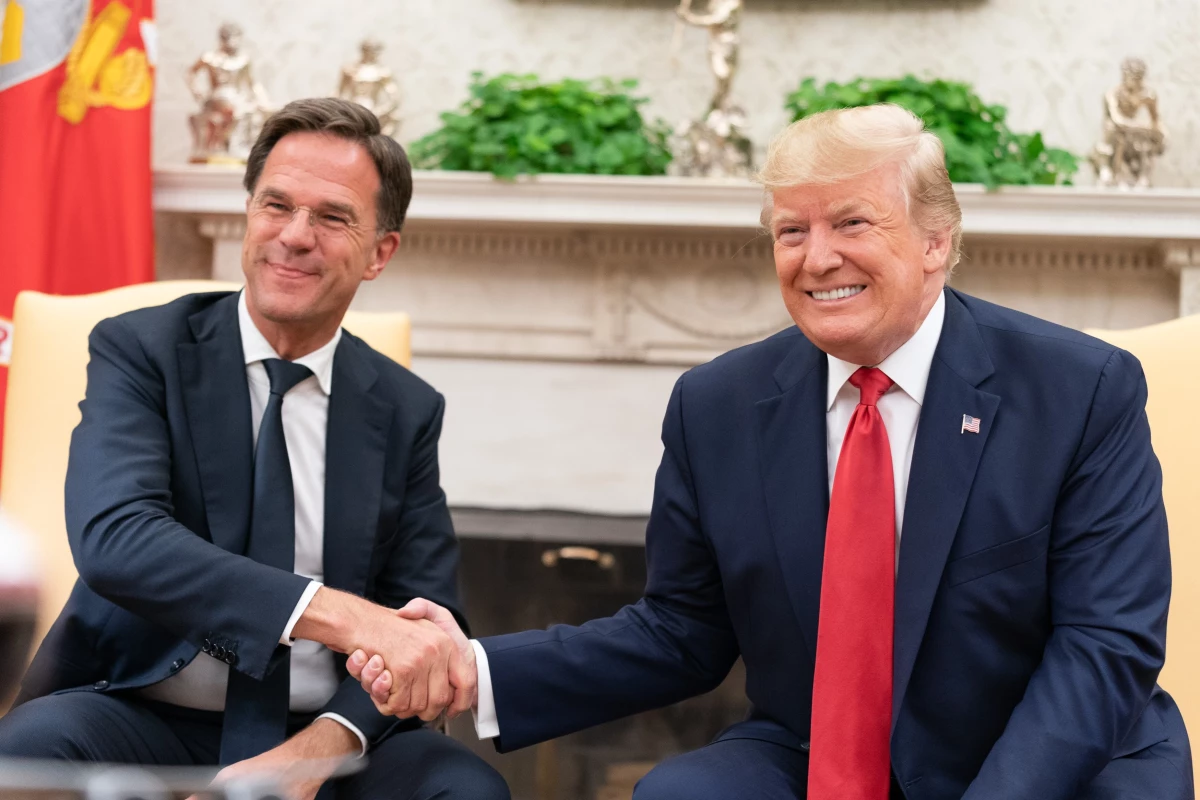
Rutte said he wants to convince Trump of NATO's usefulness at the Ankara summit
01:23
26 June 2026
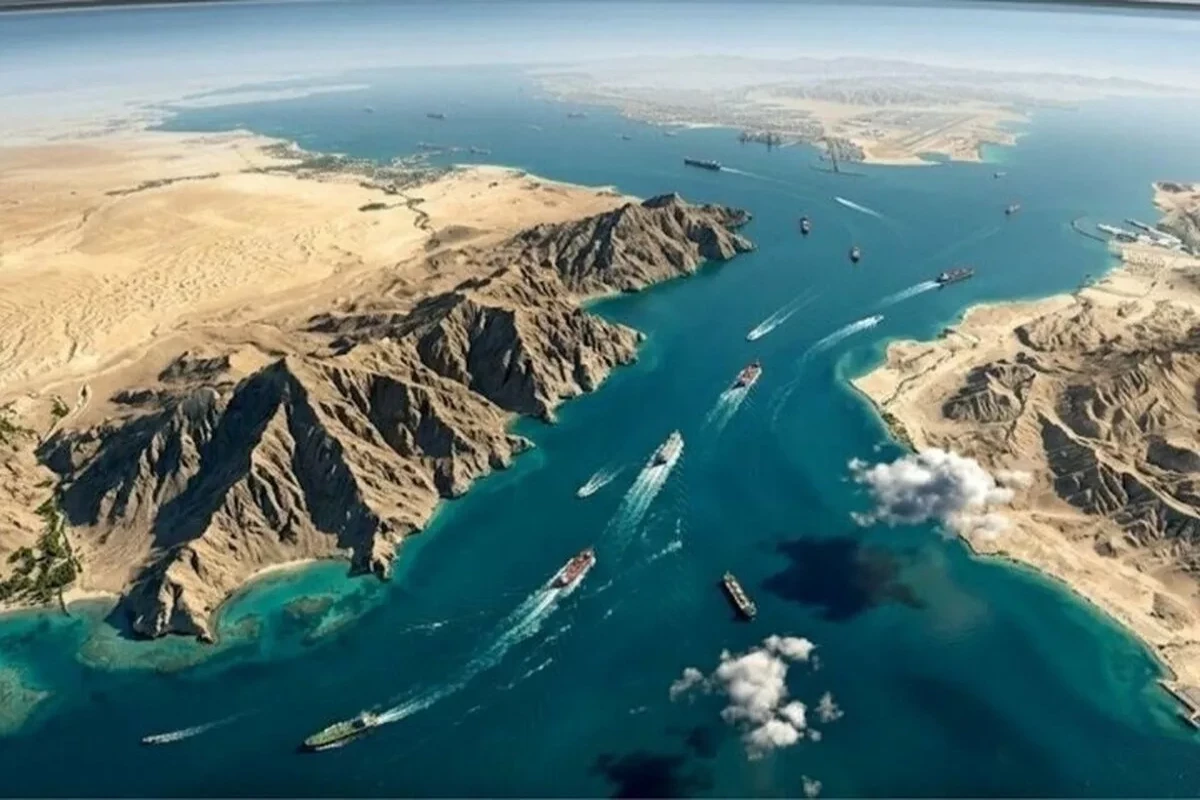
US, Gulf countries reject possibility of tariffs in Strait of Hormuz
22:38
25 June 2026
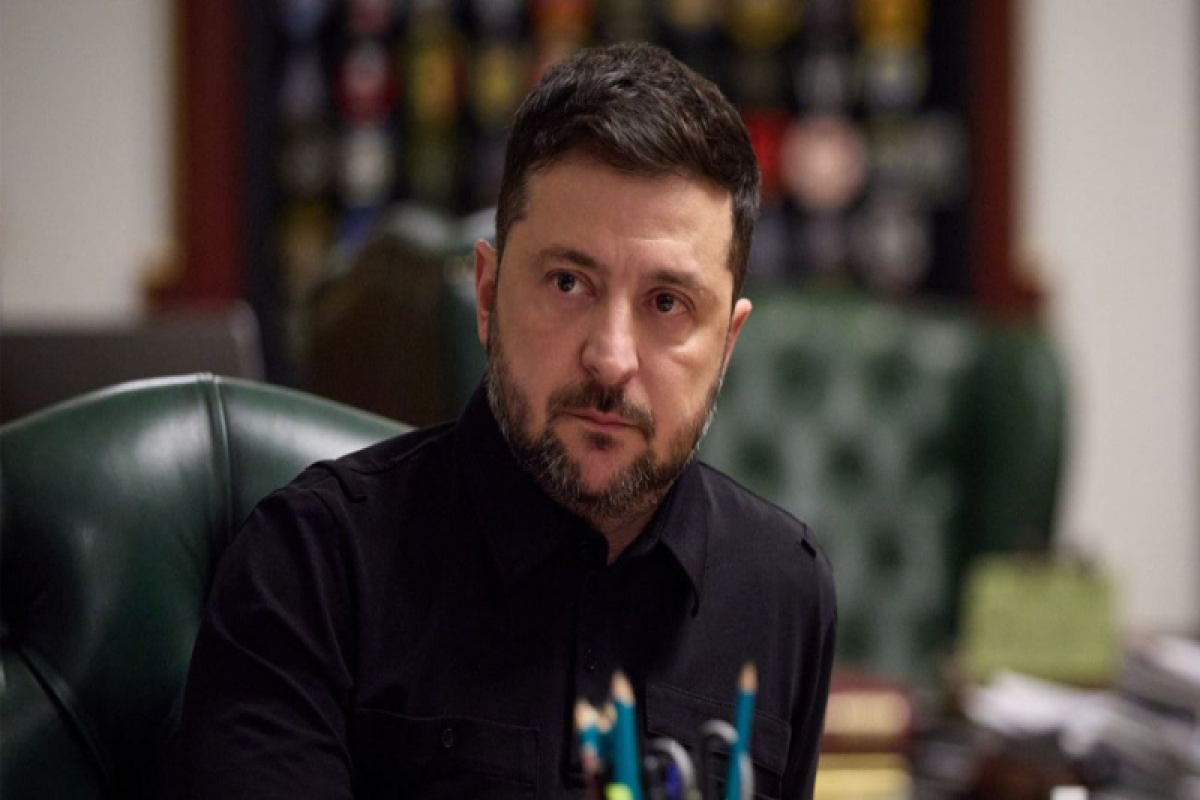
Zelenskyy approves 40-day influence operation to pressure Russia into ending war
21:41
25 June 2026

NEWS FEED
Proposal made to lower the age of criminal responsibility to 12 in Russia
14:50
26 June 2026
Iran, South Korea discuss regional developments and diplomacy
14:42
26 June 2026
Hormuz shipping depends on coordination with Tehran, Iran deputy FM says
14:30
26 June 2026
State of emergency declared in Crimea and Sevastopol
14:27
26 June 2026
Peskov: It cannot be said that the U.S. is completely neutral in the Ukraine conflict
14:10
26 June 2026
Lavrov responds to Rubio's remarks on Alaska talks
14:06
26 June 2026
Military marches held in Baku, Khankendi, Shusha and five other cities - PHOTO - UPDATED
14:02
26 June 2026
Moldova's ambassador summoned to Russian Foreign Ministry
13:59
26 June 2026
Astrakhan vice governor: We are friends of Azerbaijan and will always stand by it
13:39
26 June 2026
Kazakhstan may begin importing aviation fuel from Azerbaijan
13:10
26 June 2026
Russian delegation inspects construction progress at kindergarten in Gubadli - PHOTO
13:05
26 June 2026
State Duma proposes death penalty for corrupt officials undermining Russia's defense
12:55
26 June 2026
Turkish Ministry of National Defense congratulates Azerbaijan on Armed Forces Day
12:37
26 June 2026
Russia says it shot down 660 Ukrainian drones overnight
12:10
26 June 2026
AZAL plans to expand its fleet to 50 aircraft by 2032 - VIDEO
12:05
26 June 2026
NATO special representative: Azerbaijani Army has a high level of interoperability with NATO standards
11:39
26 June 2026
Ambassador: UK committed to further strengthening partnership with Azerbaijan
11:20
26 June 2026
Montenegro police, FBI arrest Iranian wanted by US for hacking
11:15
26 June 2026
Azerbaijani oil price rises
10:56
26 June 2026
18 railcars of gasoline and 8 railcars of diesel fuel sent from Azerbaijan to Armenia - PHOTO
10:52
26 June 2026
Military march accompanied by military band begins in Nakhchivan - PHOTO
10:49
26 June 2026
17-year-old detained in Dagestan for planning school attacks around the world
10:42
26 June 2026
Magdalena Grono: EU will continue its support for the Azerbaijan-Armenia peace process
10:30
26 June 2026
Military march is held in Khankendi to mark 108th anniversary of Azerbaijan's Armed Forces - PHOTO
10:20
26 June 2026
Military march is held in Ganja to mark 108th anniversary of Azerbaijan's Armed Forces - PHOTO
10:14
26 June 2026
IAEA chief says ‘very strong’ verification system needed for Iran nuclear program
10:00
26 June 2026
Gold, silver futures decline on COMEX
09:56
26 June 2026
Venezuela quake death toll rises to 235, health minister says - UPDATED - 3 - VIDEO
09:49
26 June 2026
Natural gas futures decline to $3.28 on NYMEX
09:30
26 June 2026
Oil prices decline on global markets
09:29
26 June 2026
Russia expands restrictions on imports of fish products from Armenia
09:20
26 June 2026
World Cup 2026: Turkiye beat US 3-2
09:18
26 June 2026
Trump says U.S. will use Iranian funds to buy wheat, soybeans and corn
09:12
26 June 2026
France, Italy seek multinational coalition to support Lebanon after UNIFIL withdrawal
09:02
26 June 2026
Ecuador advances to knockout rounds at World Cup, beating Germany 2-1
03:02
26 June 2026
Iran warns vessels against unauthorized Hormuz routes after ship attack
01:52
26 June 2026
Rutte said he wants to convince Trump of NATO's usefulness at the Ankara summit
01:23
26 June 2026
IDF helicopter carrying Israeli president makes emergency landing after bird strike
00:43
26 June 2026
First Vice-President Mehriban Aliyeva shared post on Armed Forces Day
00:25
Audio
26 June 2026
Azerbaijan marks 108th anniversary of the establishment of its Armed Forces
00:00
26 June 2026
President Ilham Aliyev’s social media accounts featured video dedicated to the Azerbaijani Army
23:05
Audio
25 June 2026
US, Gulf countries reject possibility of tariffs in Strait of Hormuz
22:38
25 June 2026
President Ilham Aliyev’s social media accounts shared post on Armed Forces Day
22:04
Audio
25 June 2026
18 wagons of gasoline and 8 wagons of diesel fuel will be sent from Azerbaijan to Armenia
21:50
25 June 2026
Zelenskyy approves 40-day influence operation to pressure Russia into ending war
21:41
Audio
25 June 2026
Telephone conversation held between Azerbaijani, Turkmen Presidents
20:37
25 June 2026
Vice-President of the Heydar Aliyev Foundation Leyla Aliyeva meets with Head of the Vatican Apostolic Library and Apostolic Archive
20:14
25 June 2026
Ziya Öztürkler praises Azerbaijan's continued support for the TRNC
19:50
25 June 2026
Apple says removal of VK apps from App Store is due to sanctions compliance
19:34
25 June 2026
Ruben Rubinyan elected as candidate for Speaker of the National Assembly of Armenia
19:26
25 June 2026


