










Baku-APA. In just a few days, new Prime Minister David Cameron has openly declared Britain is no more than the "junior partner" of the U.S., irritated Israelis by calling Gaza a prison camp and enraged Pakistanis by suggesting their country exports terrorism, APA reports quoting The Associated Press.
So what is the game plan of Britain’s youngest prime minister in nearly 200 years?
Is it youthful inexperience, or is the 43-year-old calculating a new chapter in British diplomacy — casting himself as a truth-teller distinct from his Labour predecessors, whom he has accused of relying on spin?
"It’s an immature reaction from an immature politician," Pakistan’s High Commissioner Wajid Shamsul Hasan told The Associated Press on Thursday after Cameron criticized the country’s counterterrorism efforts during a visit to India, Pakistan’s nuclear rival.
"He should choose his words more carefully."
Cameron says he will continue the plain diplomatic talk — a contrast to the political waffling of former Prime Minister Gordon Brown and Tony Blair’s accused sycophancy with his U.S. counterparts.
But Cameron’s attitude also bears a striking similarity to Iron Lady Margaret Thatcher, who made a virtue of upsetting her European counterparts and once famously told one of her lawmakers "your spine does not reach your brain" after a dispute over a key parliamentary vote.
"I believe in speaking clearly and plainly about these matters," Cameron said Thursday, wrapping up his trip to India.
Countered ex-Foreign Secretary David Miliband: "There’s a difference between being a straight talker and a loudmouth."
Cameron, who became a lawmaker just nine years ago, has been trying to shore up support at home since his Conservative Party failed to win enough parliamentary seats to lead a majority government. In the end, the party entered a coalition government with the Liberal Democrats, a partnership some predict may not last.
If the coalition breaks up and forces another general election, Cameron will need to win over voters he failed to convince in April — many of them traditional Labour supporters.
"It is a long-term strategy," said Steven Fielding, director of the Center for British Politics at the University of Nottingham. "He spent the election trying to convince people he was a different kind of Conservative, a liberal Conservative. And he didn’t quite seal the deal."
Despite a high approval rating in the latest opinion polls, Cameron faces a tough sell at home.
His government recently unveiled one of the most dramatic austerity packages in decades, meant to tackle Britain’s gargantuan deficit — measures that feature extreme cuts to public spending that will take a bite out of services from buses to health care, as well as tax hikes that will hit rich and poor alike. Few are likely to be happy with the cuts ahead.
Comments in the foreign policy arena may also backfire on the British leader — both at home and abroad.
During his first official visit to the United States this month — at a time when Americans were seething over the BP oil spill — Cameron tried to dilute the political impact of the disaster, but also spoke of the company’s importance and refused to authorize an inquiry into its links with Libya, enraging U.S. senators.
On a trip to Turkey this week, he sharply criticized Israel’s raid on a Gaza-bound flotilla that killed nine Turkish activists, adding that the Palestinian territory "cannot and must not be allowed to remain a prison camp." Unlike his Labour predecessors, Cameron made no mention of Israel’s security concerns or the Islamic militant Hamas, which has fired rockets into southern Israel from Gaza.
At home, Cameron angered some voters by asserting that Britain was the junior partner in the World War II fight against Germany in 1940 — a point when the U.S. had not even entered the war. The gaffe angered British veterans, but also harkened back to Blair, who was caricatured as George W. Bush’s poodle for agreeing to join the U.S.-led war in Iraq.
The most politically divisive comments, however, were aimed at Pakistan during Cameron’s visit to rival India — just a week before Pakistani President Asif Ali Zardari comes to Britain.
"We should be very, very clear with Pakistan that we want to see a strong, stable and democratic Pakistan," Cameron said. "But we cannot tolerate in any sense the idea that this country is allowed to look both ways and is able, in any way, to promote the export of terror, whether to India, whether to Afghanistan or to anywhere else in the world."
Pakistan has faced U.S. pressure to take tougher action against the Haqqani network, the al-Qaida linked group that directs operations against U.S. and coalition forces in Afghanistan from safe havens in Pakistan.
While Hasan, the Pakistani high commissioner, conceded more could be done to battle terrorism, he said Cameron risked undermining the vital partnership between Pakistani and British intelligence.
"Cameron’s comments — essentially blaming Pakistan — are a kick," he said, noting that Pakistani intelligence worked closely with British counterparts to investigate the 2005 London suicide bombings that killed 52 commuters in London and to thwart several planned attacks, including the 2006 trans-Atlantic airliner plot.
He said Pakistan also helped identify terrorism targets to U.S. and British forces within its own borders, often resulting in the deaths of Pakistani civilians.
"To fight terrorism, Cameron should have encouraged India and Pakistan to come together rather than using a divisive statement like this to ingratiate himself with India," Hasan said.
Still, British Foreign Secretary William Hague said the country’s coalition government was behind Cameron’s remarks. "The prime minister speaks the truth and we are all united and clear about what he said," Hague said.
In the end, perhaps Cameron’s outspokenness will help raise his profile.
In New York’s Times Square during this month’s visit, Britain’s Daily Mirror found few people could even identify the prime minister. One woman confused him with "America’s Got Talent" judge Piers Morgan — and another with BP’s disgraced chief executive Tony Hayward.


 Follow us on Telegram
 t.me/apanewsaz
 Follow us on Instagram
 Follow us on TikTok
 Follow us on Facebook
 Follow us on X
Europe
France, Italy seek multinational coalition to support Lebanon after UNIFIL withdrawal
 09:02
09:02
 26 June 2026
Rutte said he wants to convince Trump of NATO's usefulness at the Ankara summit
01:23
26 June 2026
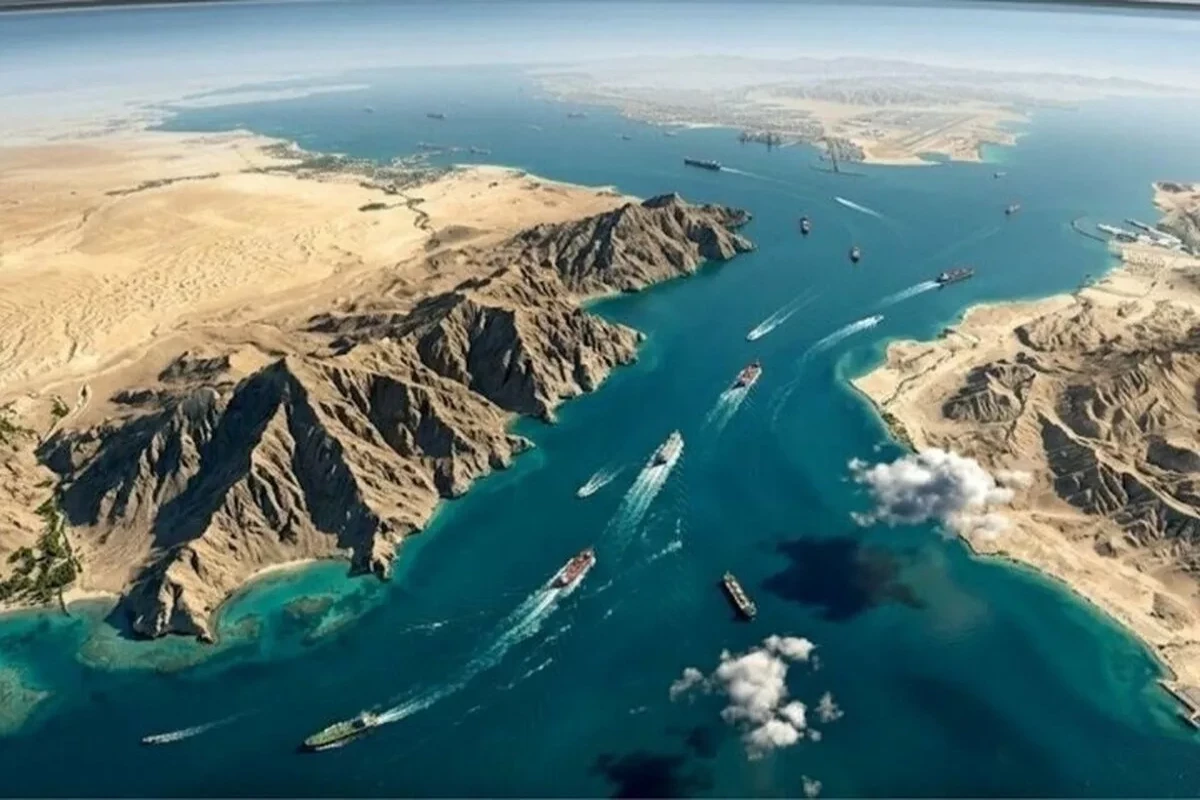
US, Gulf countries reject possibility of tariffs in Strait of Hormuz
22:38
25 June 2026
Zelenskyy approves 40-day influence operation to pressure Russia into ending war
21:41
25 June 2026

NEWS FEED
Proposal made to lower the age of criminal responsibility to 12 in Russia
14:50
26 June 2026
Iran, South Korea discuss regional developments and diplomacy
14:42
26 June 2026
Hormuz shipping depends on coordination with Tehran, Iran deputy FM says
14:30
26 June 2026
State of emergency declared in Crimea and Sevastopol
14:27
26 June 2026
Peskov: It cannot be said that the U.S. is completely neutral in the Ukraine conflict
14:10
26 June 2026
Lavrov responds to Rubio's remarks on Alaska talks
14:06
26 June 2026
Military marches held in Baku, Khankendi, Shusha and five other cities - PHOTO - UPDATED
14:02
26 June 2026
Moldova's ambassador summoned to Russian Foreign Ministry
13:59
26 June 2026
Astrakhan vice governor: We are friends of Azerbaijan and will always stand by it
13:39
26 June 2026
Kazakhstan may begin importing aviation fuel from Azerbaijan
13:10
26 June 2026
Russian delegation inspects construction progress at kindergarten in Gubadli - PHOTO
13:05
26 June 2026
State Duma proposes death penalty for corrupt officials undermining Russia's defense
12:55
26 June 2026
Turkish Ministry of National Defense congratulates Azerbaijan on Armed Forces Day
12:37
26 June 2026
Russia says it shot down 660 Ukrainian drones overnight
12:10
26 June 2026
AZAL plans to expand its fleet to 50 aircraft by 2032 - VIDEO
12:05
26 June 2026
NATO special representative: Azerbaijani Army has a high level of interoperability with NATO standards
11:39
26 June 2026
Ambassador: UK committed to further strengthening partnership with Azerbaijan
11:20
26 June 2026
Montenegro police, FBI arrest Iranian wanted by US for hacking
11:15
26 June 2026
Azerbaijani oil price rises
10:56
26 June 2026
18 railcars of gasoline and 8 railcars of diesel fuel sent from Azerbaijan to Armenia - PHOTO
10:52
26 June 2026
Military march accompanied by military band begins in Nakhchivan - PHOTO
10:49
26 June 2026
17-year-old detained in Dagestan for planning school attacks around the world
10:42
26 June 2026
Magdalena Grono: EU will continue its support for the Azerbaijan-Armenia peace process
10:30
26 June 2026
Military march is held in Khankendi to mark 108th anniversary of Azerbaijan's Armed Forces - PHOTO
10:20
26 June 2026
Military march is held in Ganja to mark 108th anniversary of Azerbaijan's Armed Forces - PHOTO
10:14
26 June 2026
IAEA chief says ‘very strong’ verification system needed for Iran nuclear program
10:00
26 June 2026
Gold, silver futures decline on COMEX
09:56
26 June 2026
Venezuela quake death toll rises to 235, health minister says - UPDATED - 3 - VIDEO
09:49
26 June 2026
Natural gas futures decline to $3.28 on NYMEX
09:30
26 June 2026
Oil prices decline on global markets
09:29
26 June 2026
Russia expands restrictions on imports of fish products from Armenia
09:20
26 June 2026
World Cup 2026: Turkiye beat US 3-2
09:18
26 June 2026
Trump says U.S. will use Iranian funds to buy wheat, soybeans and corn
09:12
26 June 2026
France, Italy seek multinational coalition to support Lebanon after UNIFIL withdrawal
09:02
26 June 2026
Ecuador advances to knockout rounds at World Cup, beating Germany 2-1
03:02
26 June 2026
Iran warns vessels against unauthorized Hormuz routes after ship attack
01:52
26 June 2026
Rutte said he wants to convince Trump of NATO's usefulness at the Ankara summit
01:23
26 June 2026
IDF helicopter carrying Israeli president makes emergency landing after bird strike
00:43
26 June 2026
First Vice-President Mehriban Aliyeva shared post on Armed Forces Day
00:25
Audio
26 June 2026
Azerbaijan marks 108th anniversary of the establishment of its Armed Forces
00:00
26 June 2026
President Ilham Aliyev’s social media accounts featured video dedicated to the Azerbaijani Army
23:05
Audio
25 June 2026
US, Gulf countries reject possibility of tariffs in Strait of Hormuz
22:38
25 June 2026
President Ilham Aliyev’s social media accounts shared post on Armed Forces Day
22:04
Audio
25 June 2026
18 wagons of gasoline and 8 wagons of diesel fuel will be sent from Azerbaijan to Armenia
21:50
25 June 2026
Zelenskyy approves 40-day influence operation to pressure Russia into ending war
21:41
Audio
25 June 2026
Telephone conversation held between Azerbaijani, Turkmen Presidents
20:37
25 June 2026
Vice-President of the Heydar Aliyev Foundation Leyla Aliyeva meets with Head of the Vatican Apostolic Library and Apostolic Archive
20:14
25 June 2026
Ziya Öztürkler praises Azerbaijan's continued support for the TRNC
19:50
25 June 2026
Apple says removal of VK apps from App Store is due to sanctions compliance
19:34
25 June 2026
Ruben Rubinyan elected as candidate for Speaker of the National Assembly of Armenia
19:26
25 June 2026


