










Stockholm – APA. This year’s Nobel prize for medicine goes to the three US researchers who discovered how the body protects the chromosomes housing vital genetic code, APA reports quoting BBC.
Elizabeth Blackburn, Carol Greider and Jack Szostak jointly share the award.
Their work revealed how the chromosomes can be copied and has helped further our understanding on human ageing, cancer and stem cells.
The answer lies at the ends of the chromosomes - the telomeres - and in an enzyme that forms them - telomerase.
The 46 chromosomes contain contain our genome written in the code of life - DNA.
When a cell is about to divide, the DNA molecules, housed on two strands, are copied.
But scientists had been baffled by an anomaly.
For one of the two DNA strands, a problem exists in that the very end of the strand cannot be copied.
Therefore, the chromosomes should be shortened every time a cell divides - but in fact that is not usually the case.
If the telomeres did repeatedly shorten, cells would rapidly age.
Conversely, if the telomere length is maintained, the cell would have eternal life, which could also be problematic. This happens in the case in cancer cells.
This year’s prize winners solved the conundrum when they discovered how the telomere functions and found the enzyme that copies it.
Elizabeth Blackburn, of the University of California, San Francisco, and Jack Szostak, of Harvard Medical School, discovered that a unique DNA sequence in the telomeres protects the chromosomes from degradation.
Joined by Carol Greider, then a graduate student, Blackburn started to investigate if the formation of telomere DNA could be due to an unknown enzyme, and the pair went on to discover telomerase - the enzyme that enables DNA polymerases to copy the entire length of the chromosome without missing the very end portion.
Their research has led others to hunt for new ways to cure cancer.
It is hoped that cancer might be treated by eradicating telomerase. Several studies are underway in this area, including clinical trials evaluating vaccines directed against cells with elevated telomerase activity.
Some inherited diseases are now known to be caused by telomerase defects, including certain forms of anaemia in which there is insufficient cell divisions in the stem cells of the bone marrow.


 Follow us on Telegram
 t.me/apanewsaz
 Follow us on Instagram
 Follow us on TikTok
 Follow us on Facebook
 Follow us on X
Europe
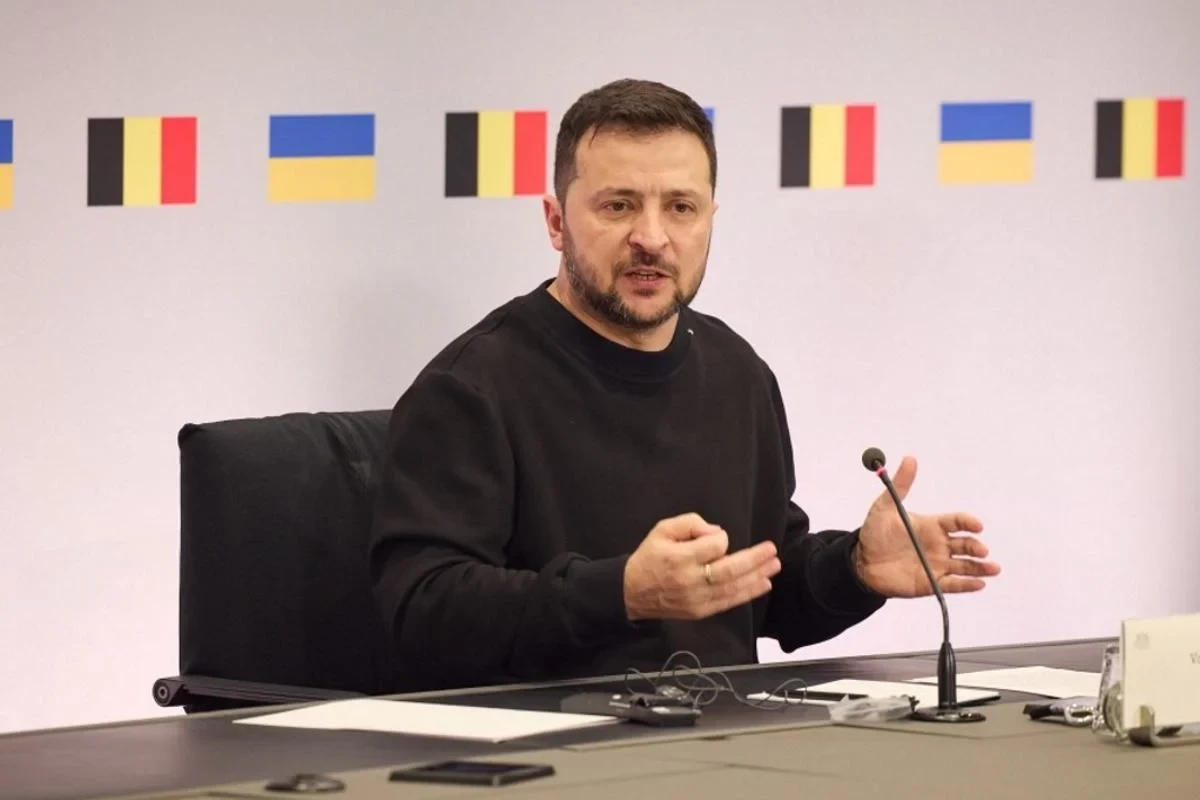
Zelenskyy says drone signal repeaters in Belarus have been switched off
 20:50
20:50
 24 June 2026
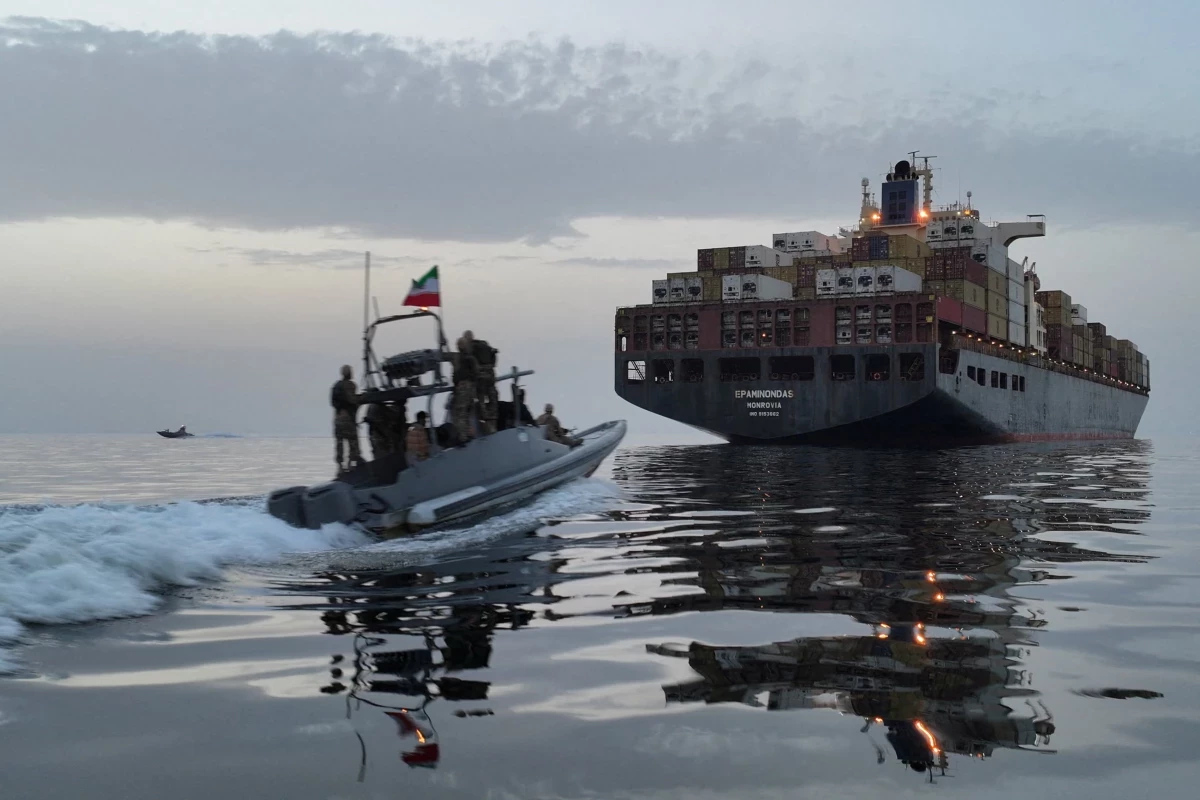
Ukraine returns sailors from ship detained by Iranian security forces
16:29
24 June 2026
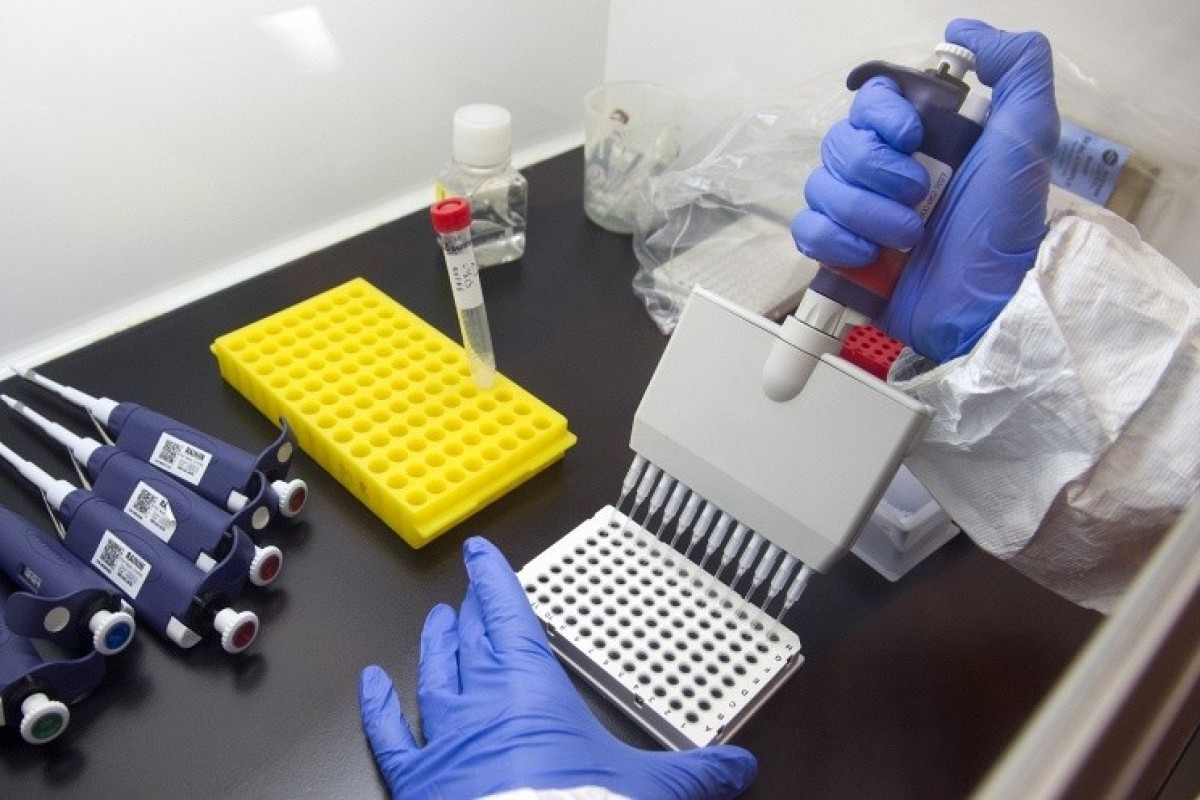
France confirms first Ebola case in doctor returning from DR Congo mission
14:04
24 June 2026
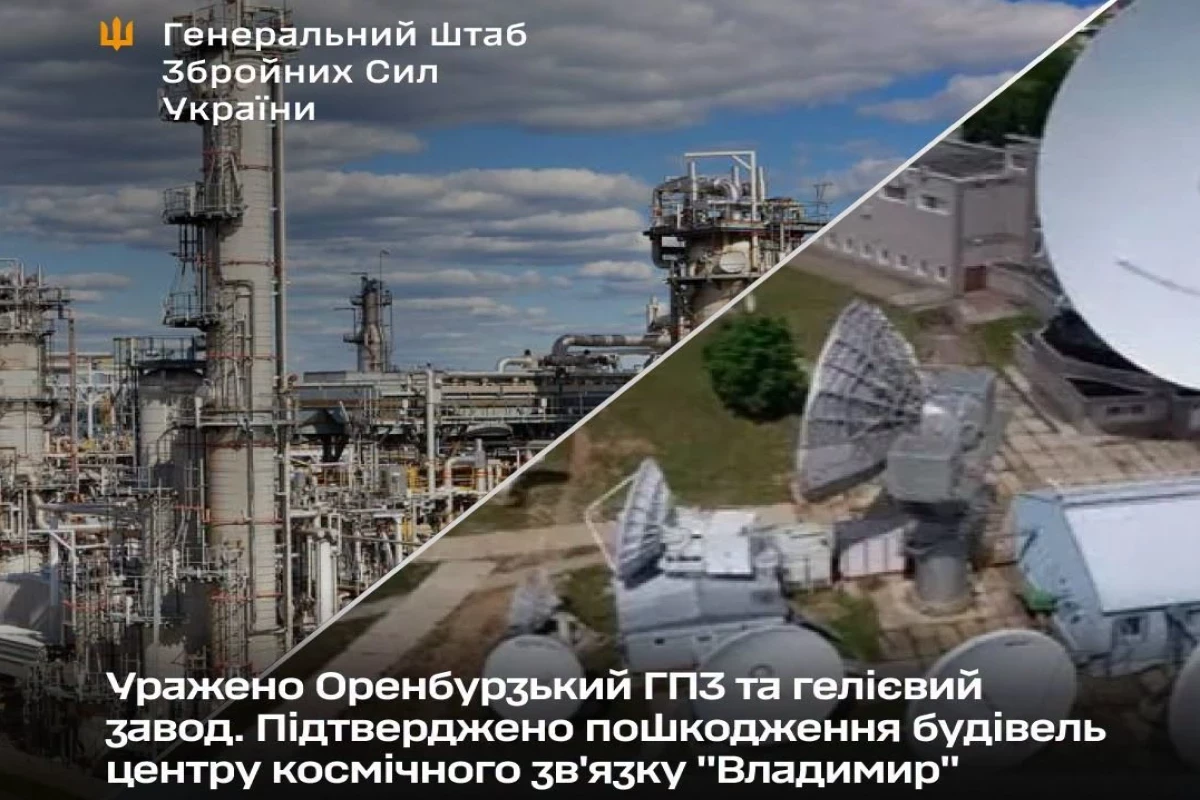
Drones strike major Russian gas processing plant 1,500 km from Ukraine
13:40
24 June 2026

NEWS FEED
US seeks $672 million for removal of Iranian uranium, nuclear inspections
03:16
25 June 2026
Trump: Iran imposing fees on Hormuz would block deal with US
02:15
25 June 2026
Qatar out of World Cup after losing 3-1 to Bosnia
01:43
25 June 2026
Switzerland beats Canada 2-1 to win World Cup Group B
01:18
25 June 2026
European allies let US down during Iran conflict, Trump says
00:50
25 June 2026
Today marks Ashura in Azerbaijan
00:01
25 June 2026
Lent.az marks its 18th anniversary
00:00
25 June 2026
Trump says Iran making 'very big' concessions
23:20
24 June 2026
Iran blames US for regional instability
21:43
24 June 2026
Rubio: Upcoming technical talks with Iran will be at expert level, start June 30
21:29
24 June 2026
Zelenskyy says drone signal repeaters in Belarus have been switched off
20:50
24 June 2026
US Treasury Department has removed seven individuals and two vessels from sanctions lists against Russia
20:40
24 June 2026
Araghchi discusses US talks with Saudi foreign minister
19:50
24 June 2026
Ghalibaf: Azerbaijan-Iran relations have seen greater development over the past year
19:37
24 June 2026
Sahiba Gafarova meets Speaker of Iran's Parliament
19:34
24 June 2026
Meeting held with delegation from Pakistan National Defense University
19:10
24 June 2026
Ships start sailing through Hormuz under UN evacuation scheme, agency says
18:41
24 June 2026
Iraqi President congratulates Azerbaijani leader on Independence Day
18:37
24 June 2026
Speakers of Azerbaijani and Turkish parliaments meet, stress importance of Azerbaijan-Türkiye strategic alliance - UPDATED
18:22
24 June 2026
Ebola outbreak is still outpacing response, WHO's Tedros says
18:20
24 June 2026
Helicopter crashes in Russia's Krasnodar region
18:18
24 June 2026
Exchange of accusations erupts between Iranian and Yemeni representatives
18:13
24 June 2026
Azerbaijan’s Prime Minister meets with Speaker of Türkiye’s Grand National Assembly
18:06
24 June 2026
Azerbaijani MFA: France continues to pursue outdated and one-sided political approaches
18:05
24 June 2026
Ghalibaf: Iran learned who its friends and enemies were during the war, Azerbaijan stood by Iran
18:04
24 June 2026
CENTCOM airstrike in Syria kills senior ISIS leader
18:00
24 June 2026
Azerbaijan Railways showcases Azerbaijan’s transit and logistics potential at Transport Logistic China 2026
17:55
24 June 2026
President Ilham Aliyev received delegation led by Speaker of Iran’s Islamic Consultative Assembly
17:50
24 June 2026
Drone attempting to violate Azerbaijan’s border neutralized - PHOTO
17:27
24 June 2026
Azerbaijan extradites internationally wanted individual to Kyrgyzstan
17:11
24 June 2026
Iran-Gulf reconciliation talks expected to be held in Saudi Arabia, diplomat says
16:59
24 June 2026
Jeyhun Bayramov travels to Poland to attend Ukraine Recovery Conference
16:41
24 June 2026
Israel, Lebanon discussing pilot scheme for handover of territory
16:37
24 June 2026
Ukraine returns sailors from ship detained by Iranian security forces
16:29
24 June 2026
Erdoğan says one-on-one meeting with Trump likely at NATO Summit
16:23
24 June 2026
Trump: Negotiations will end immediately if Iran charges ships passing through the Strait of Hormuz
15:54
24 June 2026
Azerbaijan assumes chairmanship of the Parliamentary Union of OIC member states - UPDATED
15:24
24 June 2026
AZAL’s first Airbus A321neo delivered in Hamburg - PHOTO
15:23
24 June 2026
AZAL: New Airbus A321neo can be safely operated on any route - VIDEO
15:20
24 June 2026
Iran says access to attacked nuclear sites depends on final US deal
15:14
24 June 2026
Katz vows IDF won’t withdraw from south Lebanon ‘even if there’s an American demand’
15:02
24 June 2026
Media representatives visit Airbus production facility in Hamburg - PHOTO
14:50
24 June 2026
President Ilham Aliyev received delegation led by Speaker of Grand National Assembly of Türkiye
14:49
24 June 2026
Azerbaijan's insurance market grows by nearly 2% this year
14:39
24 June 2026
Erdoğan: Israel has been doing everything it can for 10 days to undermine a US-Iran agreement
14:39
24 June 2026
Lavrov: Diplomatic solution to Ukraine crisis remains possible
14:37
24 June 2026
France confirms first Ebola case in doctor returning from DR Congo mission
14:04
24 June 2026
Tehran's Mehrabad Airport to close due to Ali Khamenei's funeral ceremonies
13:52
24 June 2026
Ukraine hits two airfields and air defence systems in Crimea, including Pantsir-S1 units
13:51
24 June 2026
Drones strike major Russian gas processing plant 1,500 km from Ukraine
13:40
24 June 2026


