

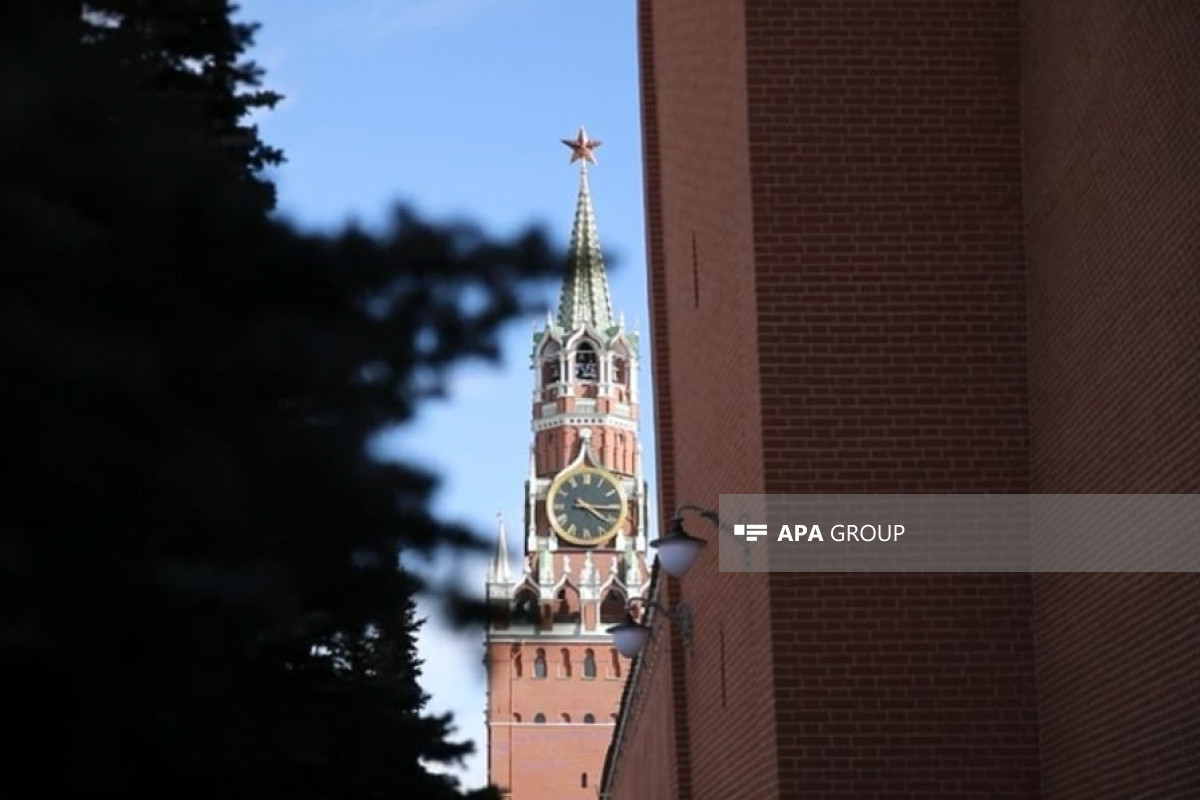

If Armenia follows the path of European choice, it will objectively lead to a review of the economic relations of Yerevan with its partners in the EAEU that exist today. It will probably be a rather painful process, including, unfortunately, for the population of Armenia. This was stated by Russian deputy foreign minister Mikhail Galuzin in an interview with Izvestia daily, APA reports, citing News.am.
“It is not that Russia or anyone else would like to exclude Armenia or cause harm in the context of our very developed economic cooperation. Our trade turnover last year amounted to about $12 billion, showing significant growth. We do not and cannot have any plans to infringe on Armenia’s interests in any way. It is our ally, a strategic partner, with whom we [i.e. Russia] are linked—as with Georgia—by a centuries-old shared history, a shared victory in the Great Patriotic War, the 80th anniversary of which, I hope, we will celebrate together on May 9.
The thing is that objectively, simultaneous membership in the EU and the EAEU is impossible, since these [two] unions have different customs and tariff regulations; they are essentially different economic blocs. Accordingly, our Armenian partners will probably have to decide at some point in which direction they are going: integration into the European Union? Or continued participation in Eurasian integration through the EAEU? This participation brings obvious benefits to the population of Armenia. And this is expressed, first of all, in very significant figures for Armenia’s GDP growth. Over the past year, it has been about 6 percent.
On the other hand, what is the European Union for Armenia and other countries at this phase? This is a set of requirements and criteria with an unclear prospect of entry. If Armenia follows the path of the European choice, it will objectively lead to a revision of the established economic relations that Yerevan currently has with its partners in the EAEU.
This will probably be a rather painful process, including, unfortunately, for the population of Armenia. It is logical to assume that the country's leadership will explain to its population what it can lose by leaving the EAEU, and what it can actually gain from membership in the European Union.
All this is mainly passing ideologies, not real economic cooperation. Even today, Armenia's trade turnover with each of the EU countries is several times lower than with Russia. Not to mention [the fact] that the EU is pursuing an openly hostile policy towards Armenia's key economic partner and strategic ally, Russia. It consists of an already maniacal desire to inflict a strategic defeat on Russia and weaken our country, to block any actions aimed at a political and diplomatic settlement of the Ukrainian crisis, achieving peace, and attempts to drive a wedge in the relations between Russia and its strategic partners and allies in the CIS, the EAEU, and the CSTO.
I hope that Yerevan sees this situation and assesses [it] accordingly. So far, Armenia has not withdrawn from any organization of the Eurasian Economic Union (EAEU). We highly appreciate its successful presidency of the EAEU last year, in 2024, so our cooperation continues. Representatives of the country also actively participate in all events, in all expert meetings of the CIS bodies,” added the Russian deputy foreign minister.


 Follow us on Telegram
 t.me/apanewsaz
 Follow us on Instagram
 Follow us on TikTok
 Follow us on Facebook
 Follow us on X