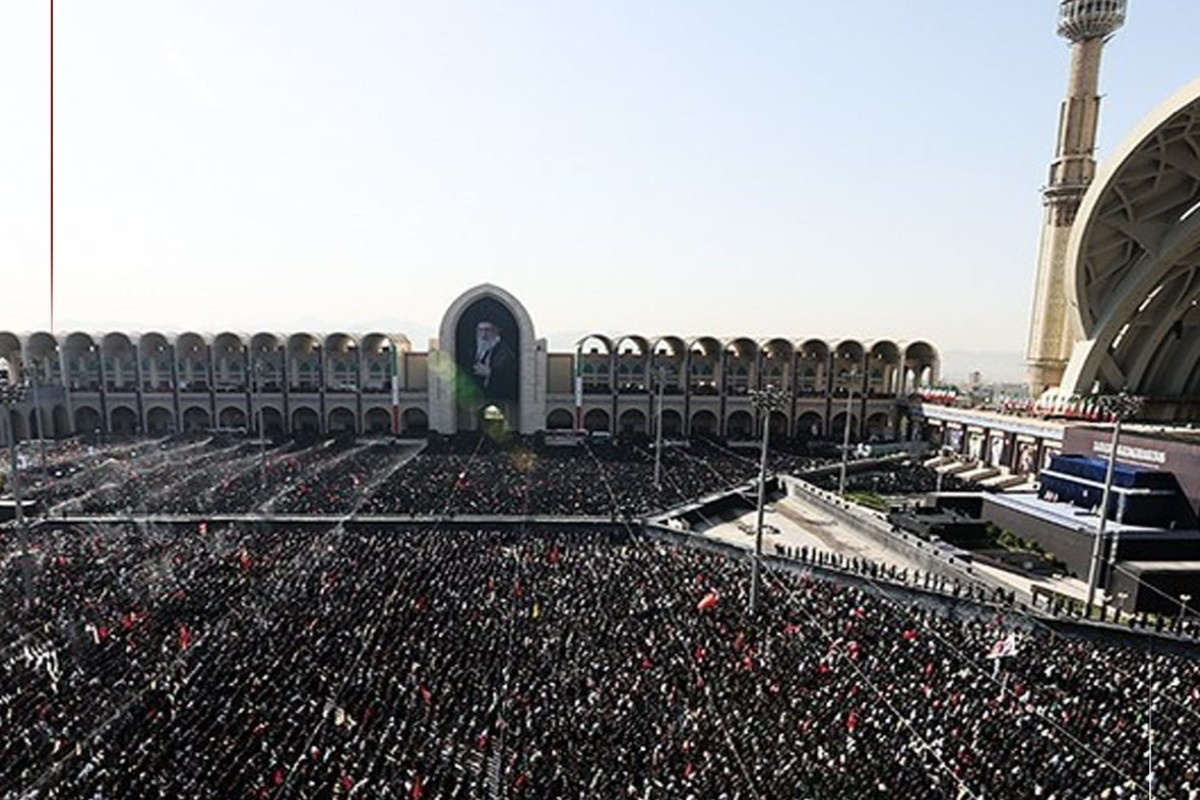
Opponents of the Iranian government say it creates a legal precedent by showing the Islamic republic was responsible for mass killings in the 1980s.
McGill’s Akhavan believes the regime itself has been forced to respond. A recent news story on the Baztab news site, thought to have ties to conservative politicians in Iran, claimed that Iran’s current supreme leader, Ayatollah Ali Khamenei, intervened to spare leftist political prisoners from likely execution in 1988, when thousands of leftists and People’s Mujahedeen were killed in a particularly bloody massacre.
The story isn’t credible, says Akhavan, but he argues it would not have been published unless those close to Khamenei wanted to shield him from public anger. “This is a turning point in the culture of accountability in Iran. The most untouchable leaders are realizing that they’re answerable to the people, that people will not forget. The United Nations might establish a tribunal, as it did for crimes committed in Rwanda and the former Yugoslavia,” he says.


 Follow us on Telegram
 t.me/apanewsaz
 Follow us on Instagram
 Follow us on TikTok
 Follow us on Facebook
 Follow us on X