










Baku-APA. Iranian Foreign Ministry’s spokesman Ramin Mehmanparast on Monday called on world powers to avoid policy of pressure in the upcoming Baghdad nuclear talks, the semi- official Fars news agency reported.
Mehmanparast cautioned the world powers that the policy of pressure against Iran will not yield their desirable results in the next round of talks, said Fars.
The last round of nuclear talks between Iran and the UN Security Council’s five permanent members -- the United States, Britain, France, Russia and China -- plus Germany (P5+1) concluded in Turkey’s Istanbul in April, with all sides describing the talks as positive and agreeing to meet again in the Iraqi capital on May 23.
"If the P5+1 enter the talks with the goal of cooperation in a positive atmosphere, we (Iran) will welcome it, too," the spokesman told Fars.
Such an attitude would be for the interests of both sides, he was quoted as saying.
He added that the Istanbul talks were held in a positive atmosphere and the two sides accepted to focus on the Nuclear Nonproliferation Treaty as an axis and a principle for dialogue.
Iran’s chief negotiator Saeed Jalili also warned Sunday against what he called "pressure strategy" by the West, and called on the Western states to avoid "unconstructive remarks" ahead of the Baghdad talks, Fars reported.
"Any kind of miscalculation" would endanger success of the negotiations, Jalili was quoted as saying in a meeting with visiting former French Prime Minister Michel Rocard.
"In Baghdad, we will be waiting for the building of the Iranian nation’s confidence" by P5+1, the negotiator said, according to the report.
Rocard said the "Istanbul talks were a positive step ahead," and expressed hope that Iran and the P5+1 would continue the path of understanding that they started in Istanbul.
On Monday, the International Atomic Energy Agency (IAEA) began a new round of talks with Iran’s permanent representative to the IAEA, Ali-Asghar Soltanieh, in Vienna. The talks are aimed at pushing Iran to allow the experts of the UN watchdog to visit the suspect Parchin military site.
Media said the IAEA has received reports that Iran had tested types of multipoint explosives which could be used to set off a nuclear charge. However, the Islamic republic denied the reports.
A report released by the IAEA in late February said Iran failed to cooperate with the UN nuclear watchdog’s high-ranking delegation who visited Tehran twice, in January and earlier February.
IAEA Director Yukiya Amano said in a statement that "during both the first and second meetings, the agency’s teams requested access to the military site at Parchin, but Iran did not grant the permission."
Amano called Iran’s refusal to permit the visit to Parchin as " disappointing," saying that the IAEA believes that Parchin is where Iran’s suspicious nuclear activities are carried out.
Media reported later that satellite images of trucks and vehicles moving at the Parchin military site have raised suspicions that, following the IAEA’s urgent request to visit the site, Iran might have started to clean up the area from the radioactive traces.
In March, Mehmanparast rejected claims that Iran tried to clean up radioactive traces due to the probable nuclear weapon tests at Parchin military site.
Mehmanparast said such news is propaganda and does not have technical value. "If nuclear activities are done in some regions, the traces cannot be cleaned up," he said.
Iran asks world powers to avoid "pressure policy" in upcoming Baghdad nuclear talks

 14 May 2012 23:19 (UTC +04:00)


 İDMAN XƏBƏR
 Follow us on Telegram
 t.me/apanewsaz
 Follow us on Instagram
 Follow us on TikTok
 Follow us on Facebook
 Follow us on X
Asia
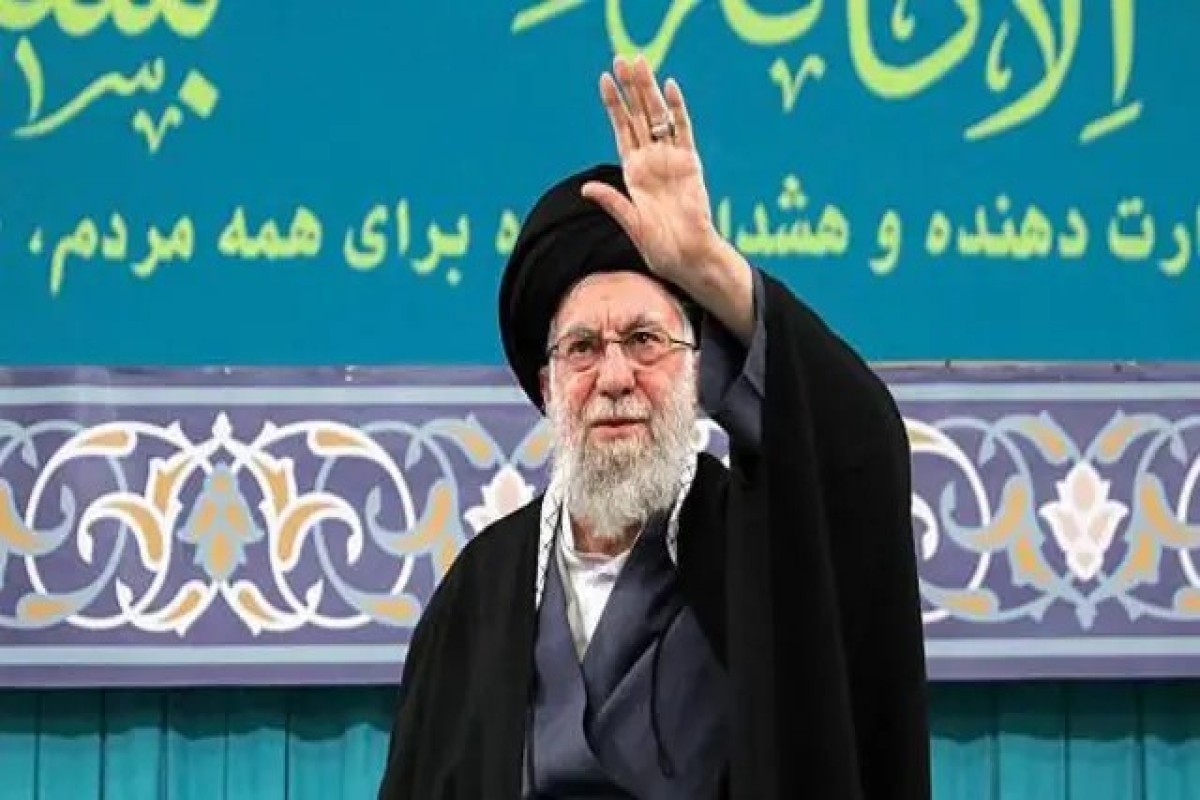
Farewell ceremony for former Iranian Supreme Leader Ali Khamenei begins in Tehran
09:05
 3 July 2026
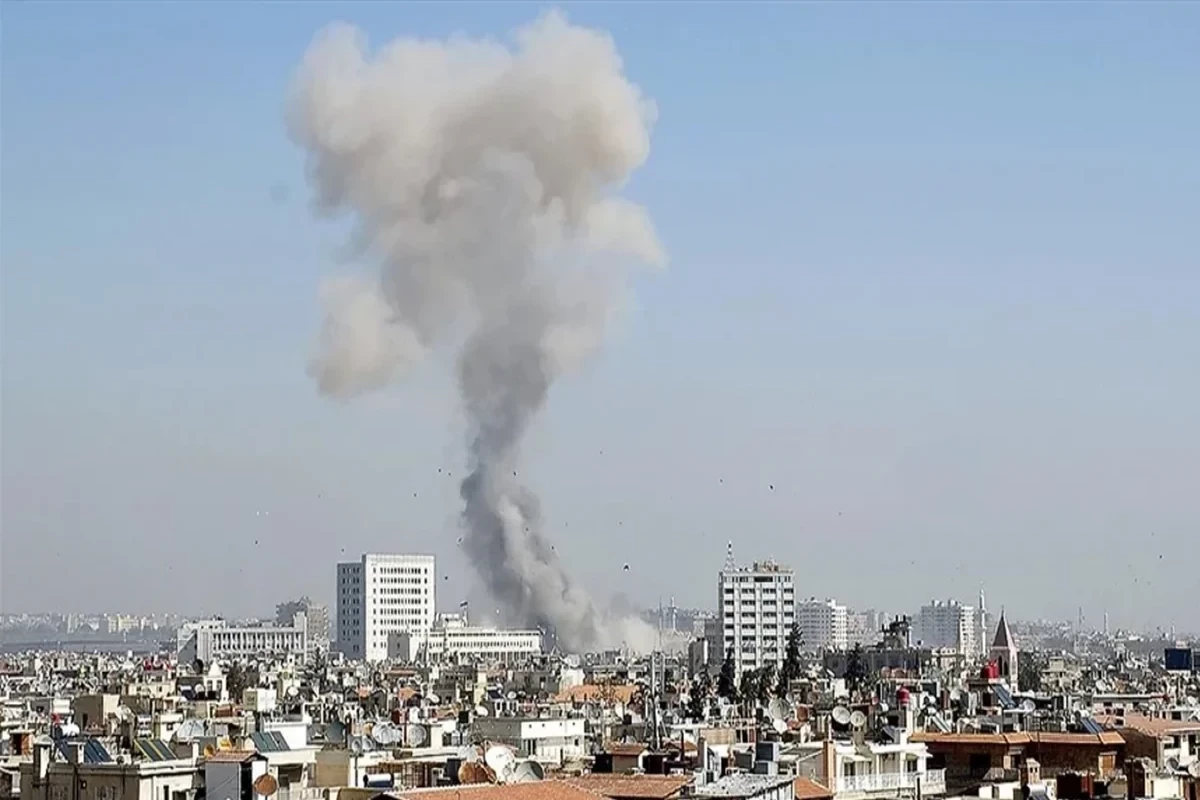
Blast at Damascus cafe leaves seven dead, others wounded-UPDATED-2
21:25
2 July 2026
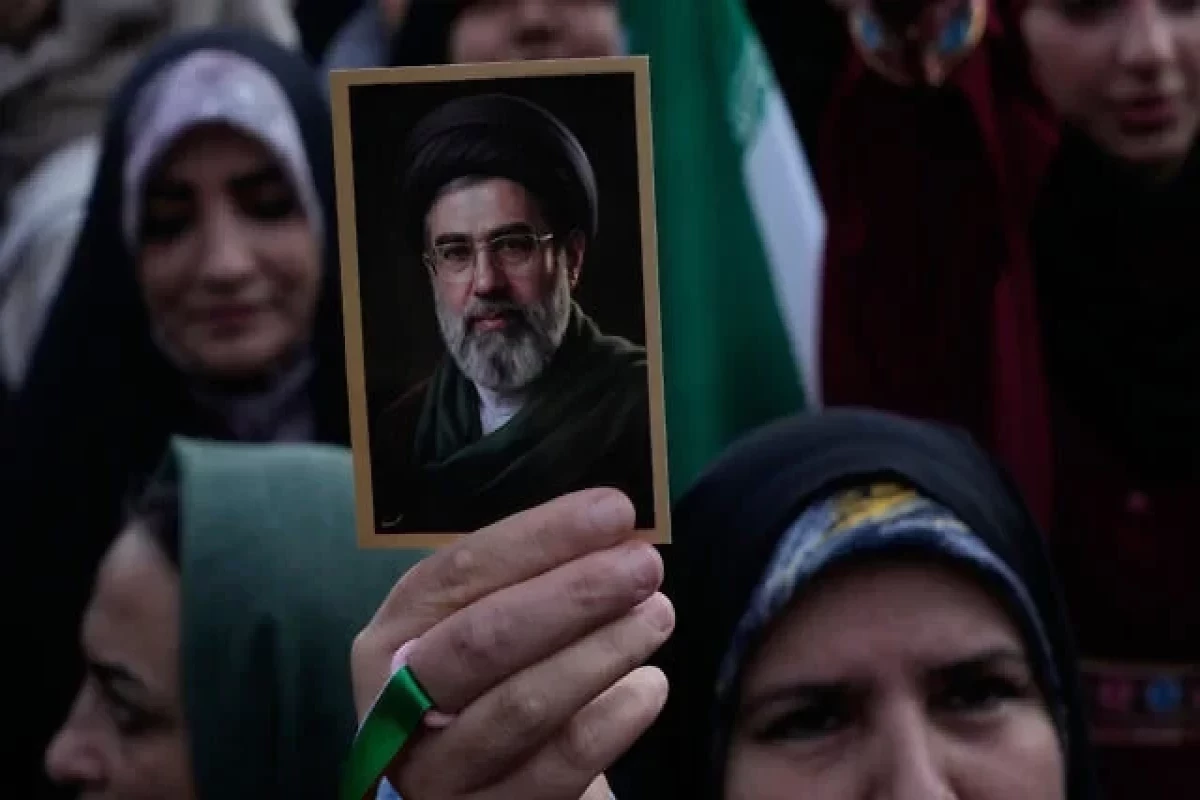
Mojtaba Khamenei won't attend father's funeral: Iran Supreme Leader's aide
18:24
2 July 2026
Lebanon, Syria sign agreement to establish joint higher committee
17:08
2 July 2026

NEWS FEED
Death toll from Russian strike on Kyiv rises to 30
10:37
3 July 2026
Wizz Air to launch direct Bratislava-Baku flights from September 29
10:22
3 July 2026
Croatian delegation visits National Defense University institutions
10:07
3 July 2026
Azeri Light crude oil price declines on global markets
09:55
3 July 2026
Global oil prices resume upward trend
09:37
3 July 2026
Ebola deaths in DR Congo rise to 447 as clinical trial starts
09:28
3 July 2026
Gold futures rise in commodity markets
09:12
3 July 2026
Farewell ceremony for former Iranian Supreme Leader Ali Khamenei begins in Tehran
09:05
3 July 2026
Venezuela earthquake death toll rises to 2,595
07:16
3 July 2026
Trump: US has achieved almost all of its goals in negotiations with Iran
02:21
Audio
3 July 2026
Spain defeats Austria in its first World Cup playoff victory in 16 years
01:12
3 July 2026
Monaco blast probably perpetrated by Ukrainian woman residing in Germany
00:43
3 July 2026
US offers Iran access to frozen funds for free Hormuz Strait passage
23:48
Audio
2 July 2026
Rutte: Europe and Canada will increase their defense spending by $250 billion in two years
23:20
2 July 2026
Death toll from Russia's massive strikes on Kyiv rises to 25 - PHOTO - UPDATED 5
22:40
2 July 2026
Serbia may hold both presidential and parliamentary elections in the fall
21:54
2 July 2026
Blast at Damascus cafe leaves seven dead, others wounded-UPDATED-2
21:25
2 July 2026
Another Azerbaijani died in Ukraine
21:19
Audio
2 July 2026
President of European Commission shared video on her visit to Azerbaijan and Armenia
20:52
Audio
2 July 2026
Earthquake jolts Armenia
20:17
2 July 2026
Belarus urges its citizens to avoid traveling to Russia's border regions
19:39
2 July 2026
The SBU reported exposing 11 people who, on the order of the Russian Federation, organized anti-Ukrainian rallies in Poland
19:29
2 July 2026
Sahiba Gafarova, Shahin Mustafayev and other Azerbaijani officials to attend Khamenei's funeral
19:00
2 July 2026
Pashinyan on Kocharyan: They will all be arrested
18:57
2 July 2026
Russia to send 14 wagons of wheat to Armenia via Azerbaijan
18:54
2 July 2026
Zelenskyy: Russia will face a response for its latest attack on Kyiv
18:41
2 July 2026
Armenia to restore railway lines to Nakhchivan and Türkiye
18:35
2 July 2026
Mojtaba Khamenei won't attend father's funeral: Iran Supreme Leader's aide
18:24
2 July 2026
Pashinyan: Armenia does not plan to unilaterally terminate railway management deal with Russia
18:14
2 July 2026
DRC exceeds 1,400 cases of Ebola in the latest outbreak and already nears 440 deaths
18:07
2 July 2026
Pashinyan: Work underway to open highway from Azerbaijan border to Türkiye for international freight transport
18:04
2 July 2026
FM Bayramov meets with the UN Secretary-General's Special Envoy for Road Safety
18:03
2 July 2026
President of Uzbekistan arrives on state visit to Georgia
17:47
2 July 2026
Commander of Azerbaijan Air Force on official visit to Türkiye
17:38
2 July 2026
Türkiye and Azerbaijan discuss electricity transmission opportunities
17:38
2 July 2026
Azerbaijan and Türkiye discuss military cooperation
17:34
2 July 2026
Pashinyan: EU introduces tariff-free regime for a number of products exported from Armenia
17:29
2 July 2026
Lebanon, Syria sign agreement to establish joint higher committee
17:08
2 July 2026
German defense minister says Ukraine conflict enters 'decisive phase'
17:07
2 July 2026
Trump: The U.S. spends more on NATO than anyone else but gets nothing in return
16:35
2 July 2026
Iran warns US, Israel against attacks ahead of funeral processions for Khamenei
16:20
2 July 2026
Hamas says it executed a man who collaborated with Israel
16:18
2 July 2026
Al Arabiya: Next round of indirect US-Iran talks to be held on July 18
16:09
2 July 2026
BTC operatorship transferred to SOCAR
16:04
2 July 2026
Turkish National Defense University delegation discusses advancement of cooperation in military education
15:51
2 July 2026
Baku Olympic Stadium lit up in U.S. flag colors ahead of Independence Day
15:28
2 July 2026
Drone threat declared in Moscow region
15:24
2 July 2026
Magnitude 5.3 earthquake strikes the Mediterranean Sea
15:23
2 July 2026
Eight Thai monks killed after 11-year-old drives truck into procession
14:57
2 July 2026
Iran warns oil tankers to use approved routes in Strait of Hormuz or face a ‘forceful response’
14:47
2 July 2026


