










Baku-APA. Some of the most famed Shiite clerics of modern times have gathered together in a modest room under a religious school in Najaf in central Iraq -- as wax figures, waiting to be put on display, APA reports quoting AFP.
The 20 likenesses depicting people who studied, lived or were born in Najaf, most of them clerics, are arrayed around the walls of the carpeted room, with fans protecting them from the heat.
Another statue is in a room upstairs, while 38 more are on order from an artist in Iran and are due to arrive in the coming weeks.
All be eventually be showcased in a special museum in Najaf that will also contain books and documents related to the personalities on display. But for now, they remain in storage.
Najaf is the main centre of Shiite religious scholarship in the world, and is a holy city for Shiite Muslims because Ali bin Abi Taleb, the first Shiite imam and the son-in-law and cousin of the Prophet Mohammed, is buried there.
The wax statues are detailed likenesses of the men’s faces, hands and beards, with some even dressed in clothes that the personalities actually wore during their lifetimes.
One depicts Grand Ayatollah Abu al-Qassem al-Khoei, the top Shiite cleric in Iraq before his death in 1992, seated in a chair.
Khoei opposed the involvement of Shiite clerics in politics.
He was against Ayatollah Ruhollah Khomeini’s doctrine of velayat-e faqih or the "rule of the jurist," that saw clerics take power in Iran after the 1979 Islamic revolution that ousted the US-backed shah.
Another figure is of Grand Ayatollah Mohammed Baqr al-Sadr, who is posed sitting on the ground writing.
He was a staunch opponent of Saddam Hussein’s regime and the founder of the Islamist Dawa party which Iraqi Prime Minister Nuri al-Maliki now leads, and he also backed the 1979 revolution in Iran.
Mohammed Baqr, who was executed along with his sister in 1980, opposed Khoei’s "quietist" approach of avoiding political involvement.
Another likeness is of his cousin Grand Ayatollah Mohammed Sadiq al-Sadr, who built the Sadr Movement which gave his son, cleric Moqtada al-Sadr, enormous influence following the 2003 US-led invasion of Iraq.
Mohammed Sadiq -- shown standing at a podium as though he were about to speak -- also ran afoul of Saddam and was killed along with two of his sons by gunmen in 1999.
Not all of the statues are of clerics, however.
One is of famous Iraqi poet Ahmed Al-Safi, who was born in Najaf.
Another is of Abdelrazzaq Mohieddin, a professor originally from south Lebanon who was involved in establishing publishing houses in Najaf and developing educational institutions there.
Safi died in 1977, and Mohieddin in 1983.
"These statues were made in order to show appreciation and focus on the role of these notables and famous personalities," said Furqan Ali Merza, head of the project and an official in the religious school where the statues are housed.
"We selected 59 personalities from different religious, cultural and literary fields," he said, adding that the Hawza, the Shiite clerical community, received the largest share.
The project began in September 2011, he said, with an initial selection of 300 personalities, a number that was later trimmed to 150.
For budgetary reasons, however, that number was later reduced even further, eventually ending up at 59 statues.
The 550 million Iraqi dinars (about $458,000) in funding came from the budget of a problem-plagued project for Najaf to be the Islamic capital of culture, which was postponed earlier this year.
But the statues project is still going ahead.
Wax museums are not common in Iraq, and it is rare to find wax likenesses depicting Muslim religious figures anywhere in the world.
Making full statues of people is frowned upon in Sunni Islam, but Shiite Islam is more lenient about photography, paintings and depictions of respected personalities.
Sheikh Ali Merza, Furqan’s father who is responsible for the religious school, said that the wax statues project faced "criticism at the beginning," but did not elaborate on what kind of opposition or from whom.
As a "first step, we checked the religious law and found no prohibition in implementing our project. Every new thing faces resistance, and the criticism of our project was spoken without awareness," he told AFP.
Sheikh Sadiq al-Hesnawi, deputy head of the cultural committee in the office of Moqtada al-Sadr, two of whose relatives are depicted, said that "the museum preserved some personalities who had influence in Najaf, and represents the interest of Iraqi society in those figures."
"We support these steps and praise them," he added. "We think it is like rewarding these figures."


 Follow us on Telegram
 t.me/apanewsaz
 Follow us on Instagram
 Follow us on TikTok
 Follow us on Facebook
 Follow us on X
Asia
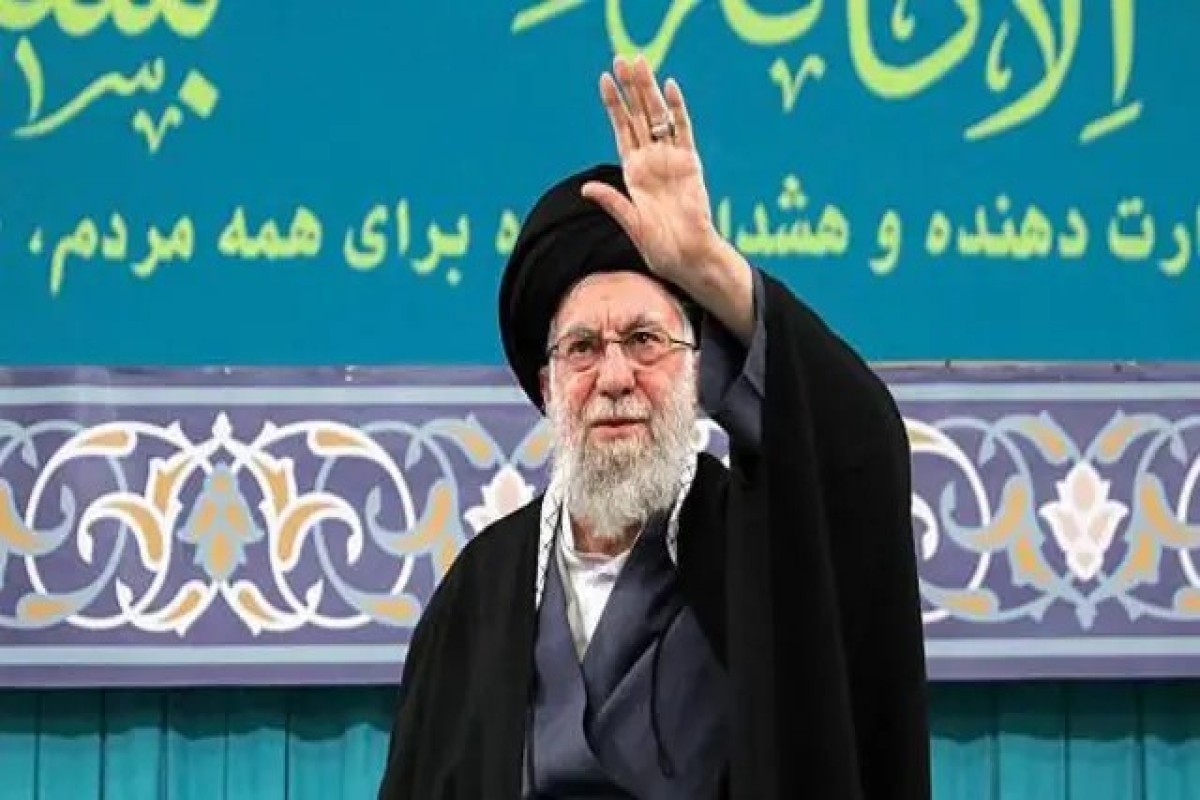
Farewell ceremony for former Iranian Supreme Leader Ali Khamenei begins in Tehran
 09:05
09:05
 3 July 2026
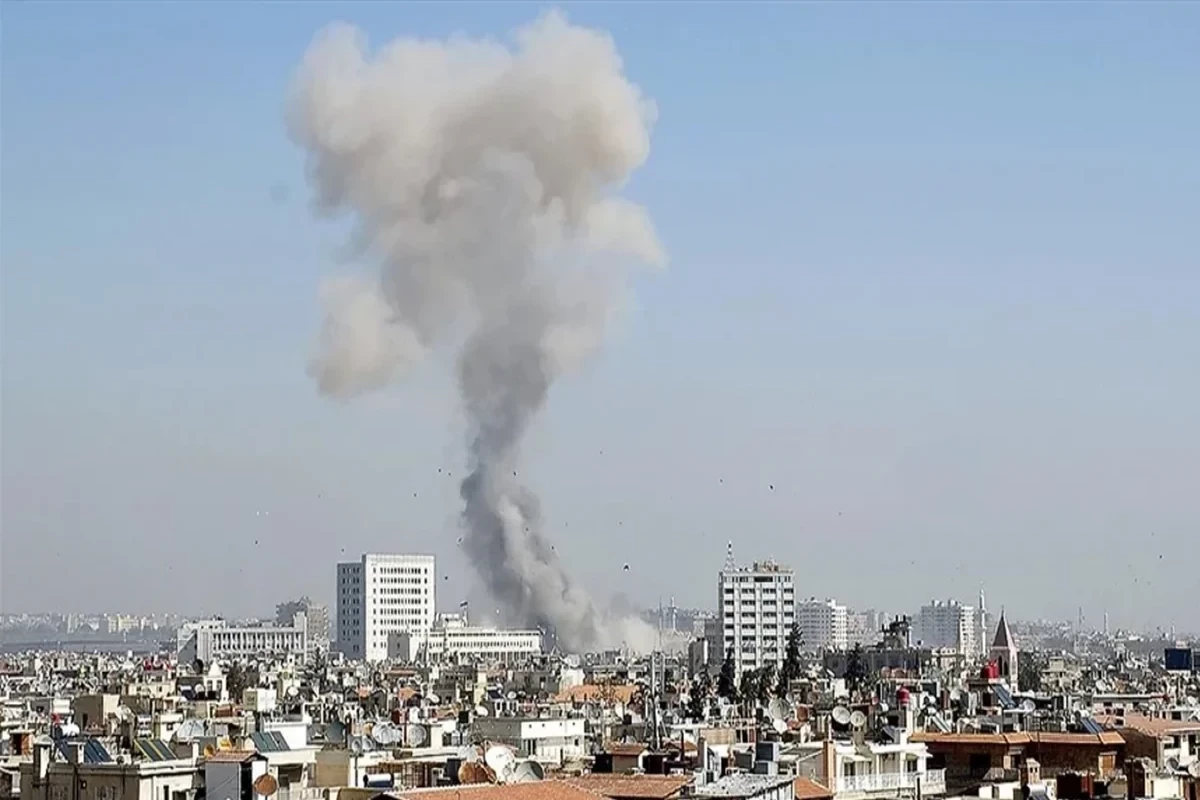
Blast at Damascus cafe leaves seven dead, others wounded-UPDATED-2
21:25
2 July 2026
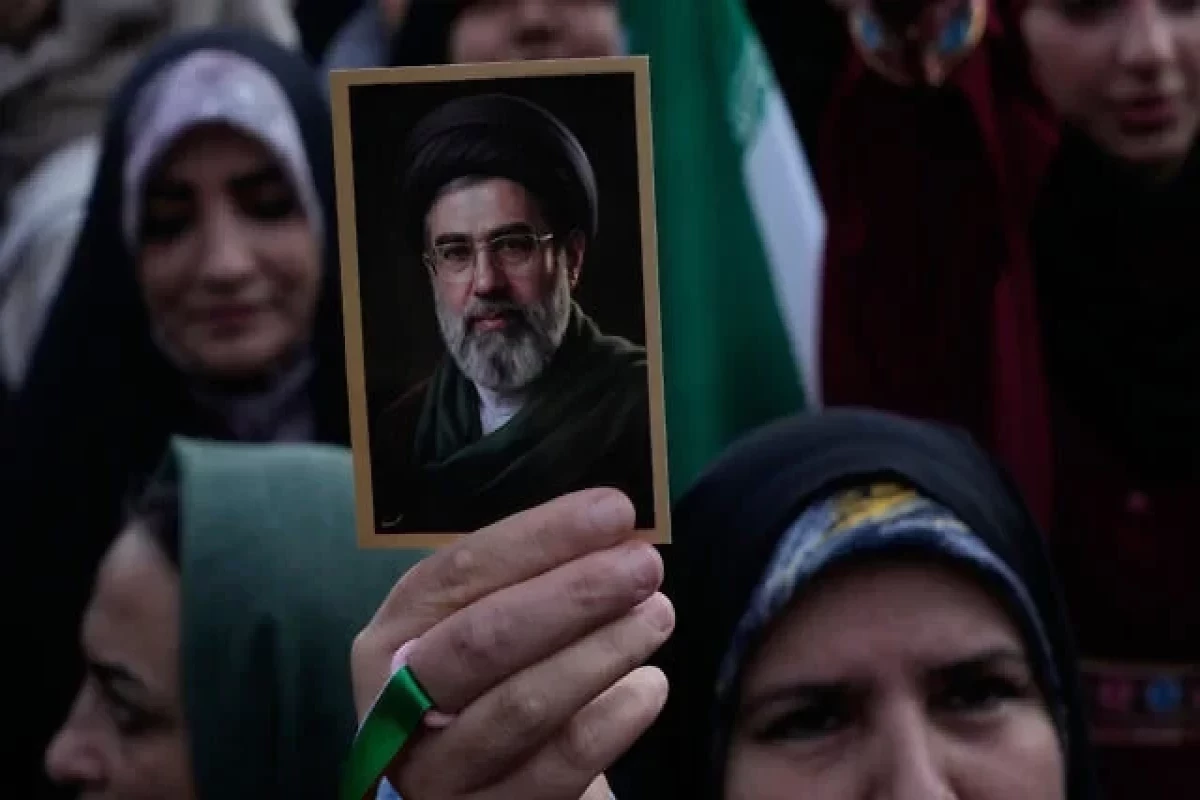
Mojtaba Khamenei won't attend father's funeral: Iran Supreme Leader's aide
18:24
2 July 2026
Lebanon, Syria sign agreement to establish joint higher committee
17:08
2 July 2026

NEWS FEED
Death toll from Russian strike on Kyiv rises to 30
10:37
3 July 2026
Wizz Air to launch direct Bratislava-Baku flights from September 29
10:22
3 July 2026
Croatian delegation visits National Defense University institutions
10:07
3 July 2026
Azeri Light crude oil price declines on global markets
09:55
3 July 2026
Global oil prices resume upward trend
09:37
3 July 2026
Ebola deaths in DR Congo rise to 447 as clinical trial starts
09:28
3 July 2026
Gold futures rise in commodity markets
09:12
3 July 2026
Farewell ceremony for former Iranian Supreme Leader Ali Khamenei begins in Tehran
09:05
3 July 2026
Venezuela earthquake death toll rises to 2,595
07:16
3 July 2026
Trump: US has achieved almost all of its goals in negotiations with Iran
02:21
Audio
3 July 2026
Spain defeats Austria in its first World Cup playoff victory in 16 years
01:12
3 July 2026
Monaco blast probably perpetrated by Ukrainian woman residing in Germany
00:43
3 July 2026
US offers Iran access to frozen funds for free Hormuz Strait passage
23:48
Audio
2 July 2026
Rutte: Europe and Canada will increase their defense spending by $250 billion in two years
23:20
2 July 2026
Death toll from Russia's massive strikes on Kyiv rises to 25 - PHOTO - UPDATED 5
22:40
2 July 2026
Serbia may hold both presidential and parliamentary elections in the fall
21:54
2 July 2026
Blast at Damascus cafe leaves seven dead, others wounded-UPDATED-2
21:25
2 July 2026
Another Azerbaijani died in Ukraine
21:19
Audio
2 July 2026
President of European Commission shared video on her visit to Azerbaijan and Armenia
20:52
Audio
2 July 2026
Earthquake jolts Armenia
20:17
2 July 2026
Belarus urges its citizens to avoid traveling to Russia's border regions
19:39
2 July 2026
The SBU reported exposing 11 people who, on the order of the Russian Federation, organized anti-Ukrainian rallies in Poland
19:29
2 July 2026
Sahiba Gafarova, Shahin Mustafayev and other Azerbaijani officials to attend Khamenei's funeral
19:00
2 July 2026
Pashinyan on Kocharyan: They will all be arrested
18:57
2 July 2026
Russia to send 14 wagons of wheat to Armenia via Azerbaijan
18:54
2 July 2026
Zelenskyy: Russia will face a response for its latest attack on Kyiv
18:41
2 July 2026
Armenia to restore railway lines to Nakhchivan and Türkiye
18:35
2 July 2026
Mojtaba Khamenei won't attend father's funeral: Iran Supreme Leader's aide
18:24
2 July 2026
Pashinyan: Armenia does not plan to unilaterally terminate railway management deal with Russia
18:14
2 July 2026
DRC exceeds 1,400 cases of Ebola in the latest outbreak and already nears 440 deaths
18:07
2 July 2026
Pashinyan: Work underway to open highway from Azerbaijan border to Türkiye for international freight transport
18:04
2 July 2026
FM Bayramov meets with the UN Secretary-General's Special Envoy for Road Safety
18:03
2 July 2026
President of Uzbekistan arrives on state visit to Georgia
17:47
2 July 2026
Commander of Azerbaijan Air Force on official visit to Türkiye
17:38
2 July 2026
Türkiye and Azerbaijan discuss electricity transmission opportunities
17:38
2 July 2026
Azerbaijan and Türkiye discuss military cooperation
17:34
2 July 2026
Pashinyan: EU introduces tariff-free regime for a number of products exported from Armenia
17:29
2 July 2026
Lebanon, Syria sign agreement to establish joint higher committee
17:08
2 July 2026
German defense minister says Ukraine conflict enters 'decisive phase'
17:07
2 July 2026
Trump: The U.S. spends more on NATO than anyone else but gets nothing in return
16:35
2 July 2026
Iran warns US, Israel against attacks ahead of funeral processions for Khamenei
16:20
2 July 2026
Hamas says it executed a man who collaborated with Israel
16:18
2 July 2026
Al Arabiya: Next round of indirect US-Iran talks to be held on July 18
16:09
2 July 2026
BTC operatorship transferred to SOCAR
16:04
2 July 2026
Turkish National Defense University delegation discusses advancement of cooperation in military education
15:51
2 July 2026
Baku Olympic Stadium lit up in U.S. flag colors ahead of Independence Day
15:28
2 July 2026
Drone threat declared in Moscow region
15:24
2 July 2026
Magnitude 5.3 earthquake strikes the Mediterranean Sea
15:23
2 July 2026
Eight Thai monks killed after 11-year-old drives truck into procession
14:57
2 July 2026
Iran warns oil tankers to use approved routes in Strait of Hormuz or face a ‘forceful response’
14:47
2 July 2026


