










Baku-APA. Japan is increasingly turning to other countries for help as it struggles to stabilize its tsunami-stricken nuclear plant and stop radiation leaks that are complicating efforts to recover the bodies of some of the thousands swept away by the towering wave, APA reports quoting news.yahoo.com website.
French, American and international experts — even a robot — are either in Japan or on their way, and French President Nicholas Sarkozy visited Tokyo on Thursday to meet with the prime minister and show solidarity.
Workers are racing to find the source of contaminated water that has been pooling in the Fukushima Dai-ichi nuclear plant since the March 11 earthquake and tsunami. The leaks have often forced workers to flee the plant, preventing them from restarting important cooling systems.
"The amount of water is enormous, and we need any wisdom available," said nuclear safety agency spokesman Hidehiko Nishiyama.
Experts from French nuclear giant Areva, which supplied fuel to the plant, are helping figure out how to dispose of the contaminated water that has begun leaking into the ground and the sea.
"We are not a supplier only for happy days," CEO Anne Lauvergeon told reporters in Tokyo on Thursday. "We are effectively also there when things become difficult."
Officials from Tokyo Electric Power Co., the operator of the plant, said they welcome the help.
"U.S. nuclear plants aren’t by the ocean, unlike Japanese ones, so we think the French may be able to help us more than the Americans," said TEPCO manager Teruaki Kobayashi.
TEPCO officials also said they expect to use a remote-controlled robot sent by the U.S. within a few days to evaluate areas with high radiation. They are also setting up a panel of Japanese and American nuclear experts and U.S. military personnel to address the crisis.
A TEPCO spokesman said Thursday that radioactive contamination in groundwater nearly 50 feet (15 meters) under one of six reactors had been measured at 10,000 times the government standard for water at the plant. It was the first time the utility has released statistics for groundwater near the plant.
TEPCO did not immediately explain the health risks if that water were to get into the environment or say if that was a possibility, although spokesman Naoyuki Matsumo said the drinking water supply has not been affected. Still, elevated levels of iodine-131, a radioactive substance that decays quickly, were another sign that radiation continues to leak at the plant.
Tens of thousands of people have been displaced by the tsunami and magnitude-9.0 earthquake. Some saw their homes destroyed by the wall of water, while others have been ordered to leave if they live 12 miles (20 meters) from the plant. Authorities have recommended that people who live 20 miles (30 kilometers) from the plant might want to evacuate too — because of the lack of services in that area.
Some frustrated evacuees closer to the plant had begun trickling back to gather belongings and check on their homes, but officials in Fukushima prefecture posted warnings at evacuation centers telling them not to go back for any reason.
"There is not only a risk that you may be contaminated, but also that you could contaminate others in the evacuation centers when you return," the warnings said. "The national government is now considering whether to allow brief return visits, so please bear with us."
On Friday, the government said it planned more tests on a cow slaughtered for beef that had very slightly elevated levels of cesium, another radioactive particle. Officials stressed that the meat was never put on the market. Contamination has already been found in vegetables and raw milk near the plant.
Health Ministry spokesman Taku Ohara said the cesium was found in a cow slaughtered March 15 more than 40 miles (70 kilometers) from the plant. It had a total cesium level of 510 becquerels per kilogram. The limit is 500.
Radioactive cesium can build up in the body and high levels are thought to be a risk for various cancers. Still, researchers who studied Chernobyl could not find an increase in cancers that might be linked to cesium.
It is still found in the soil of Germany, Austria and France 25 years after Chernobyl and is found in wild boar in Germany, making the pigs off-limits for eating in many cases. The limit Germany has set for cesium in wild boars is 600 becquerels per kilogram.
In Japan, the radiation has forced police officers trying to recover the dead from the evacuation zone to don white hazmat suits and radiation monitors. Officials believe more than 19,000 people died, but so far only about 11,000 bodies have been found. Local media estimate that hundreds of corpses remain.
"We find bodies everywhere — in cars, in rivers, under debris and in streets," a police official from the hard-hit Fukushima prefecture said Thursday. He spoke to The Associated Press on condition of anonymity because he was not authorized to speak to reporters.
In the small coastal city of Miyako, many people still have no idea what happened to their relatives. Residents watched intently Thursday as a firefighter in a boat and two tractors cleared the bay of rubble, part of cleanup efforts under way along hundreds of miles (kilometers) of Japan’s northeastern seaboard.
Giant tractors and dump trucks cleared roads and sorted debris into giant piles. Huge barges with onboard cranes docked offshore and scooped up wreckage in the shallow bays.
"I lost three grandchildren," says Isamu Aneishi, 69, who sat on a log for hours and watched the men search the bay.
A vacant lot outside Miyako has been turned into a car graveyard, with hundreds of wrecked vehicles from across the region deposited in neat rows. Some looked ready to be driven away, while others were little more than mangled heaps of metal. Many were marked with red spray paint, indicating bodies had been found inside, and some still had keys in the ignition. Residents walked up and down the rows looking for their cars.
"This is my third time coming here," said Yasuhiro Ichihashi, 42, who watched his car get swept out of the parking lot at his factory from high ground. "They keep adding more cars every day, so I come back to check."
Meanwhile, at the nuclear plant 140 miles (220 kilometers) northeast of Tokyo, workers go inside in shifts and are often forced to turn back because radiation levels are too high.
They have been lauded as heroes, but Kazuma Yokota, head of the Fukushima local office Japan’s Nuclear and Industrial Safety Agency, said he saw them living under harsh conditions during a recent inspection visit. They got only two meals a day and just one blanket each when it was time to sleep.
"They sleep on the floor, inside a conference room, or even in the hallway or in front of a bathroom. That’s where they sleep, with only one blanket each to wrap themselves around," he told a televised news conference. Nishiyama said TEPCO is working to improve the conditions.
Sarkozy, the first major international leader to visit since the disaster, praised the work being done at the plant.
"Every image I have seen is really, really disturbing, and I am really impressed by the workers in Fukushima who work at the nuclear plant with courage," he said before meeting with Japanese Prime Minister Naoto Kan.
After the meeting, he urged the world to learn from Japan’s crisis and suggested that the Group of 20 nations set international nuclear safety standards.
"It’s completely abnormal that these international safety norms don’t exist," Sarkozy said. The International Atomic Energy Agency does have standards, but nations are not bound by them.


 Follow us on Telegram
 t.me/apanewsaz
 Follow us on Instagram
 Follow us on TikTok
 Follow us on Facebook
 Follow us on X
Asia
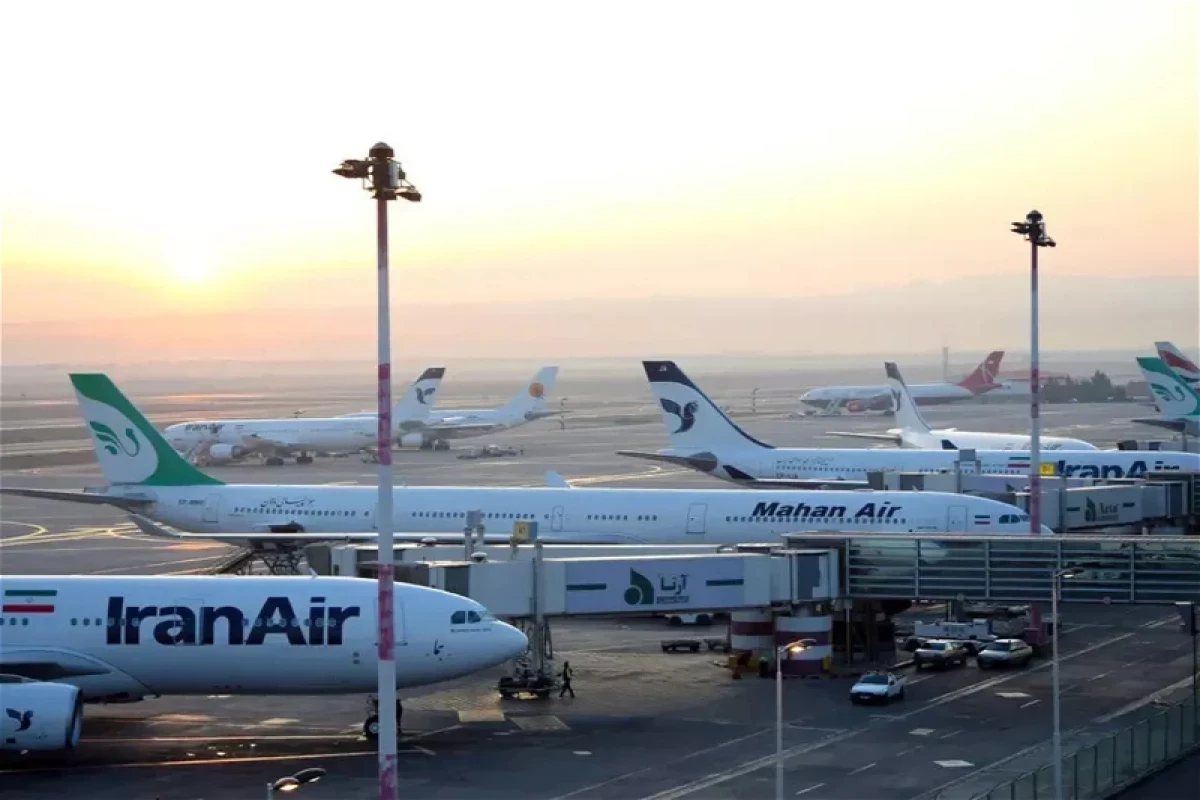
Dubai welcomes first flight from Tehran after Middle East conflict pauses
 17:01
17:01
 29 June 2026
Iran denies that technical meeting with US expected in coming days
14:32
29 June 2026
Iran president says country will receive $6bn of frozen funds held in Qatar
12:53
29 June 2026
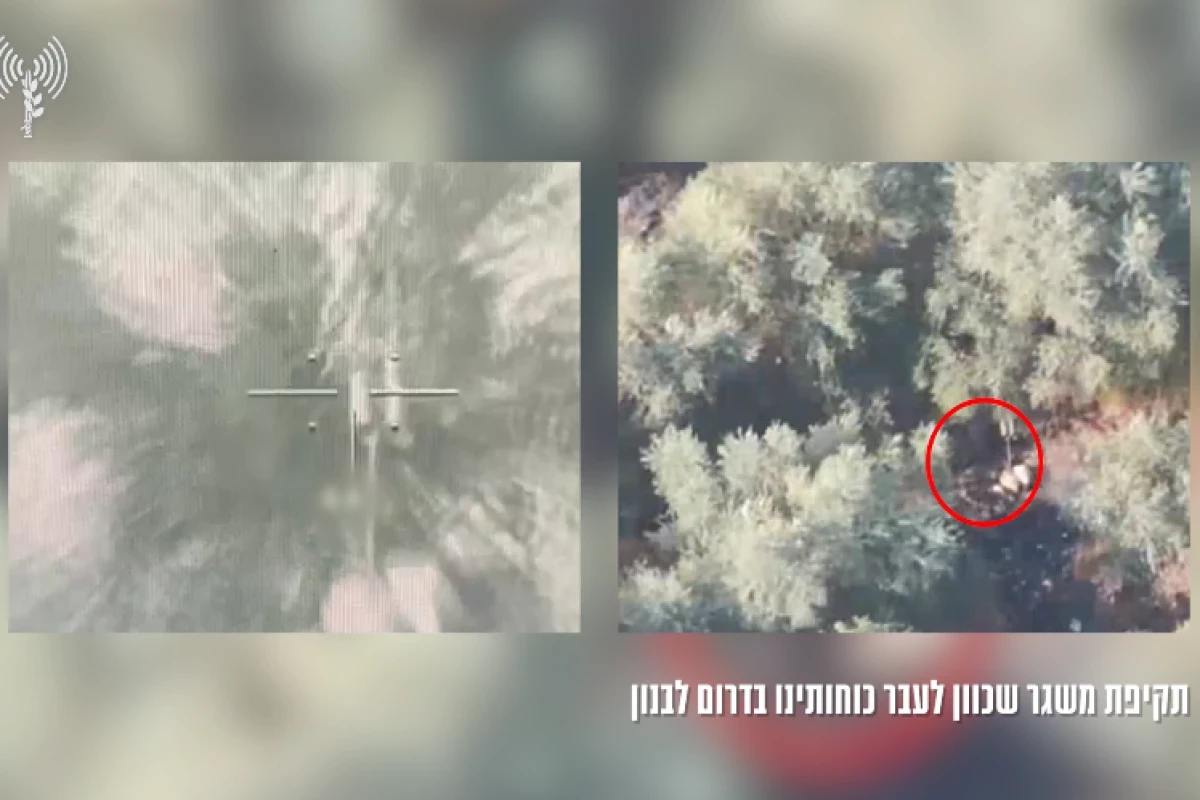
IDF: In response to Hezbollah violations, we struck 3 headquarters in southern Lebanon
11:50
29 June 2026

NEWS FEED
Kazakhstan and Georgia sign strategic partnership agreement
18:58
29 June 2026
Ukraine says it struck three bridges, ammunition depot and command posts
18:24
29 June 2026
New round of Israel-Lebanon peace talks to be held on June 30 with US mediation
17:42
29 June 2026
Moscow reiterates objection to Armenia’s EU course while maintaining EAEU benefits
17:28
29 June 2026
Turkic World Week discusses dynamics of Turkic languages' development
17:18
29 June 2026
International conference on teaching Turkic languages, literature and history in the context of modern challenges held - PHOTO
17:17
29 June 2026
Galuzin: TRIPP's prospects are uncertain
17:11
29 June 2026
Dubai welcomes first flight from Tehran after Middle East conflict pauses
17:01
29 June 2026
White House: US is fulfilling its obligations under the ceasefire agreement with Iran
16:58
29 June 2026
Official Moscow: Armenia is not considering closing Russian military base in Gyumri
16:47
29 June 2026
Witkoff, Kushner to attend meeting with Iran, White House says
16:38
29 June 2026
Russian deputy FM: Moscow and Baku have resolved all issues related to AZAL plane crash
16:23
29 June 2026
Azerbaijani public rejects artificial campaign defending war criminals
16:21
29 June 2026
Russia's ballistic missile strike on Dnipro kills 5, injures 29 - UPDATED
16:16
29 June 2026
Five killed in shooting in northern Germany
16:13
29 June 2026
Plenary session held as part of Turkic World Week
16:09
29 June 2026
Trump says oil prices are falling
15:54
29 June 2026
Trump: 'Tehran requested meeting, it will take place tomorrow in Doha'
15:42
29 June 2026
EU countries inject 22 bcm of gas into underground storage for winter season
15:40
29 June 2026
100th anniversary of the First Turkological Congress to be marked at UNESCO
15:35
29 June 2026
Participants of First Turkological Congress centenary event visit Alley of Honor
15:31
29 June 2026
Azerbaijan approves visa-free agreement with Ecuador for holders of diplomatic and official passports
15:08
29 June 2026
Peskov: Our position on resolving the Ukraine conflict remains unchanged
14:50
29 June 2026
Iran denies that technical meeting with US expected in coming days
14:32
29 June 2026
Belarus to respond with full military potential if Ukraine crosses the border, deputy foreign minister says
14:25
29 June 2026
Russia says it intercepted more than 400 Ukrainian drones
14:14
29 June 2026
FSB arrests man planning to set fire to a synagogue — Russian media
14:07
29 June 2026
“Aibyn-2026” International Military-Patriotic Youth Gathering ends
13:07
29 June 2026
Iran president says country will receive $6bn of frozen funds held in Qatar
12:53
29 June 2026
Special conference to be held in Khankendi during Turkic World Week
12:52
29 June 2026
Turkic World Week dedicated to the 100th anniversary of the First Turkology Congress opens in Baku - UPDATED - PHOTO
12:47
29 June 2026
OTS Secretary General: 100th anniversary of the First Turkological Congress is of historical significance for our peoples
12:32
29 June 2026
Secretary General: Meeting held in Baku marks the beginning of a new stage in the history of the Turkic world
11:53
29 June 2026
Aghdam and Shusha to host Turkic World Week events
11:52
29 June 2026
Mirziyoyev: Turkology faces new tasks in the modern era
11:50
29 June 2026
IDF: In response to Hezbollah violations, we struck 3 headquarters in southern Lebanon
11:50
29 June 2026
Iran, Oman hold first meeting of joint committee on Hormuz, Iranian deputy FM says
11:41
29 June 2026
President Ilham Aliyev addresses participants of the First Turkological Congress centenary event - UPDATED
11:34
29 June 2026
Sadyr Japarov: The 100th anniversary of the First Turkological Congress will further strengthen friendship among Turkic peoples
11:25
29 June 2026
ANAMA discovers 73 more mines and 329 UXO in liberated territories
11:21
29 June 2026
Tokayev: Azerbaijan makes a significant contribution to strengthening ties among brotherly nations
11:19
29 June 2026
Pakistani strikes kill 36 civilians, wound 163: Afghan govt
11:07
29 June 2026
Erdoğan: Azerbaijan is contributing to the common goals of the Turkic states today
11:04
29 June 2026
President: The progressive ideas put forward by the First Turkological Congress form the foundation of the projects successfully being implemented by OTS
11:04
29 June 2026
President Ilham Aliyev: I am pleased that the initiative I put forward regarding the celebration of the 100th anniversary of the First Turkological Congress is being realized today
10:59
29 June 2026
Four bodies found in burned-out car on Yerevan–Yeraskh highway
10:58
29 June 2026
Baku to host BSTDB Annual Meeting and Business Forum
10:54
29 June 2026
Presidents of Kazakhstan and Kyrgyz Republic address participants of Turkic World Week in Baku
10:51
29 June 2026
Leyla Aliyeva and Alena Aliyeva attend Charity Festival
10:43
29 June 2026
Russian army launches 973 strikes on 45 settlements in Ukraine's Zaporizhzhia region in 24 hours
10:32
29 June 2026


