










Baku – APA. Yemen’s president offered to step down by the end of the year on Wednesday in a bid to appease mounting demands for his resignation, but opposition groups showed no sign of easing up on efforts to force him out, APA reports quoting “Reutersâ€.
Weeks of protests against the 32-year rule President Ali Abdullah Saleh in the impoverished Arabian state has raised alarm in Western capitals at the prospect of a country where al Qaeda has entrenched itself falling apart.
In Cairo, U.S. Defense Secretary Robert Gates said that it was too soon to determine the outcome of political turmoil in Yemen and said Washington had not planned for an era without Saleh in office.
"I think things are obviously, or evidently, very unsettled in Yemen. I think it’s too soon to call an outcome. We’ve had a good working relationship with President Saleh. He’s been an important ally in the counter-terrorism arena," Gates said speaking in Cairo.
"But clearly there’s a lot of unhappiness inside Yemen. And I think we will basically just continue to watch the situation. We haven’t done any post-Saleh planning," he said.
Saleh, whose opponents have been inspired by the fall of dictators in Tunisia and Egypt, has been an ally of Washington and of Saudi Arabia in the confrontation against al Qaeda.
But the killing of more than 50 demonstrators on Friday has accelerated a wave of defections to the opposition by the elite.
Having tried at first to fend off calls to quit by saying he would not seek a new term in 2013, Saleh has since made greater concessions and on Wednesday offered constitutional change and elections to replace parliament and the head of state this year.
"At this historic moment Yemen needs wisdom to avoid slipping into violence ... that would destroy gains and leave the country facing a dangerous fate," Saleh said in a letter passed to opposition groups in a bid to reconcile differences.
Opposition groups, which had earlier called for massive rallies in the capital Sanaa on Friday to force Saleh from power, said they were studying the offer.
PROPOSALS
The letter, also sent to army commander Ali Mohsen, who has declared support for the protesters, contained a proposal to hold a referendum on a new constitution, then a parliamentary election followed by a presidential poll before the end of 2011.
Yemen borders the world’s biggest oil exporter, Saudi Arabia, and major shipping routes. Al Qaeda cells in Yemen have in the past two years attempted attacks outside Yemeni soil in Saudi Arabia and the United States.
It is unclear who might follow Saleh and the country faces the danger of fragmentation.
Defections including generals, tribal leaders, diplomats and ministers, gained momentum after gunmen loyal to Saleh opened fire on protesters on Friday, causing the deaths of 52 people.
Saleh sacked his cabinet and declared a state of emergency -- which parliament rubber stamped on Wednesday for a 30-day period. But the bloodshed has lent protests a new severity.
One Wednesday, protesters carried placards saying "No to emergency rule, you butcher!" Some had begun selling T-shirts saying "I am a future martyr."
"As sure as the sun is in the sky, he will go," said protester Suleiman Abdullah, 28.
Complaining of neglect, southerners have said they want to secede and minority Shi’ites in the north have staged several rebellions against the perennial survivor, who is now in the biggest fight of his political life.
Long backed by Arab and Western countries as the strongman holding the fractious tribal country together, Saleh is raising the specter of civil war and disintegration if he is forced out in what he says would be a coup.
Defections among the ruling elite have reached top military commanders, including General Mohsen, commander of the northwest military zone and Saleh’s kinsman from the al-Ahmar clan.
Security sources said Saleh had beefed up his personal security for fear of an assassination attempt or a coup by his widening circle of opponents.
Political analyst Abdul-Ghani al-Iryani said he thought Saleh realised his time was up.
"I think he is just maneuvering for favorable exit terms. Still, with tanks facing off in the streets of Sanaa, he is holding the city hostage," he said. Iryani said Saleh would be seeking immunity from prosecution and protection of assets.
More soldiers were milling around on Wednesday among the thousands of protesters who have been camped in the streets near Sanaa University since early February.
Some were wearing red roses to demonstrate support for what is being termed the "youth revolution." "We are its protection," said one soldier, with a plastic rose affixed to his rifle.
TENSION IN MILITARY
But protesters are divided over what they think of Mohsen, an Islamist who was popularly regarded as the second most powerful man in the country before he abandoned Saleh.
Some protesters have displayed the general’s picture on their tents in the protest encampment in Sanaa, but opposition leaders regard his motives with suspicion and few would want him to have a role in any future transitional government.
Followers of the Houthi movement of Zaidi Shi’ites in the north resent his role in suppressing their recent rebellions.
"We see Ali Mohsen’s joining us as a corruption of the revolution. The revolution is not against an individual but against a system," said Abdullah Hussein al-Dailami, 33, from Saada in the north. He said Mohsen had been Saleh’s accomplice.
The standoff is taking its toll on Yemen’s fragile economy.
Liquefied natural gas producer Yemen LNG has told customers unrest could lead to supply disruptions, leading stakeholder Total said.
Opponents complain that Yemen under Saleh has failed to meet the basic needs of the country’s 23 million people. Unemployment is around 35 percent and 50 percent for young people. Oil wealth is dwindling and water is running out.


 Follow us on Telegram
 t.me/apanewsaz
 Follow us on Instagram
 Follow us on TikTok
 Follow us on Facebook
 Follow us on X
Asia
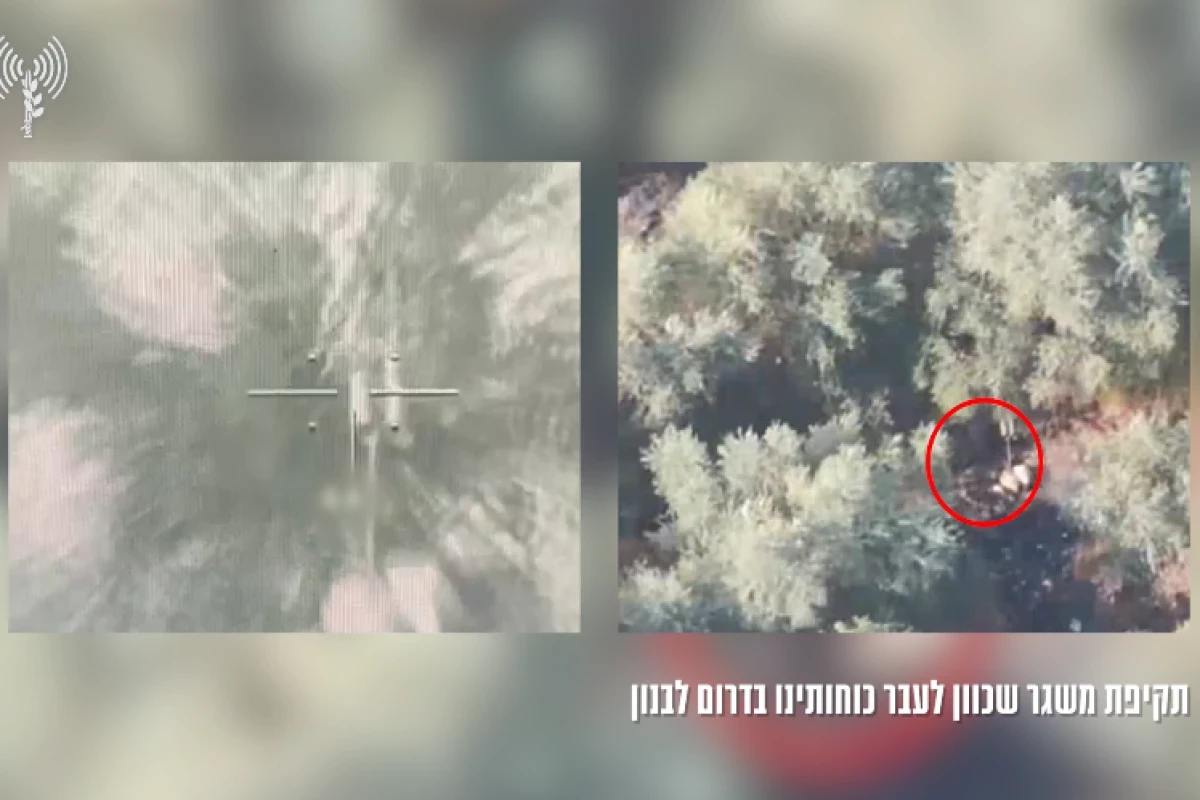
IDF: In response to Hezbollah violations, we struck 3 headquarters in southern Lebanon
 11:50
11:50
 29 June 2026
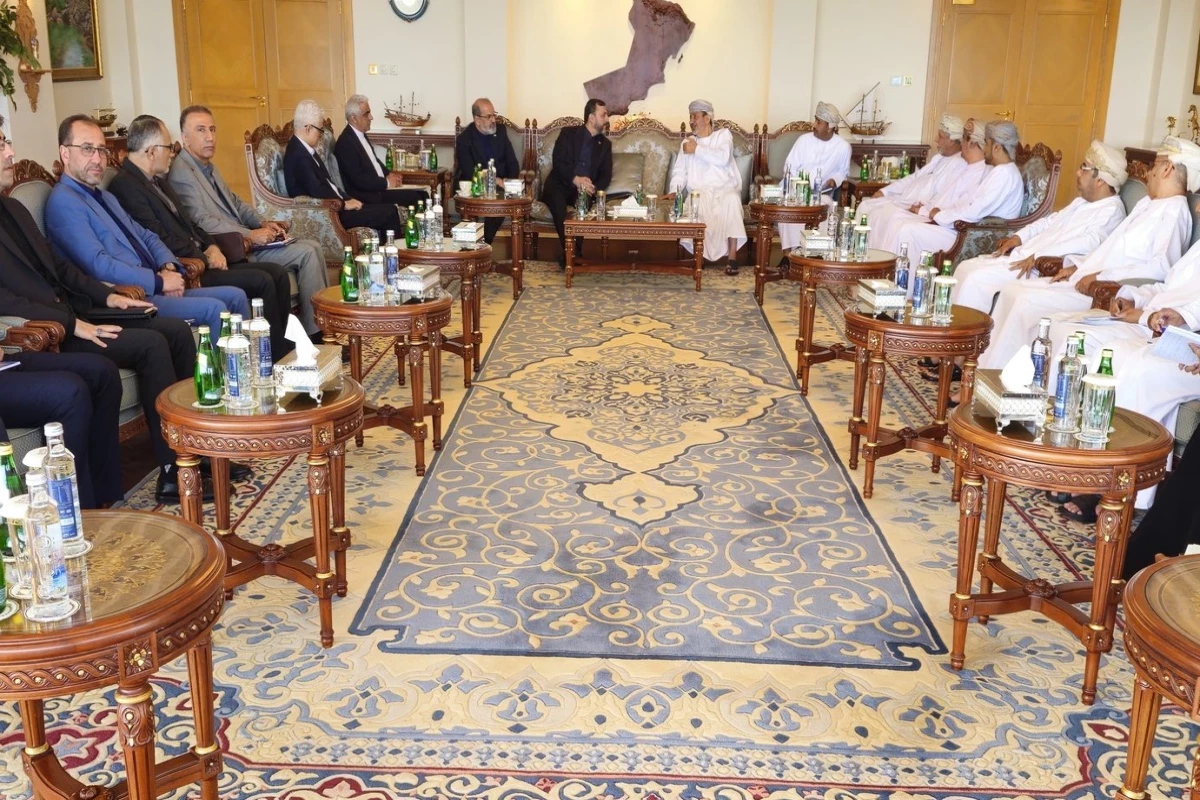
Iran, Oman hold first meeting of joint committee on Hormuz, Iranian deputy FM says
11:41
29 June 2026
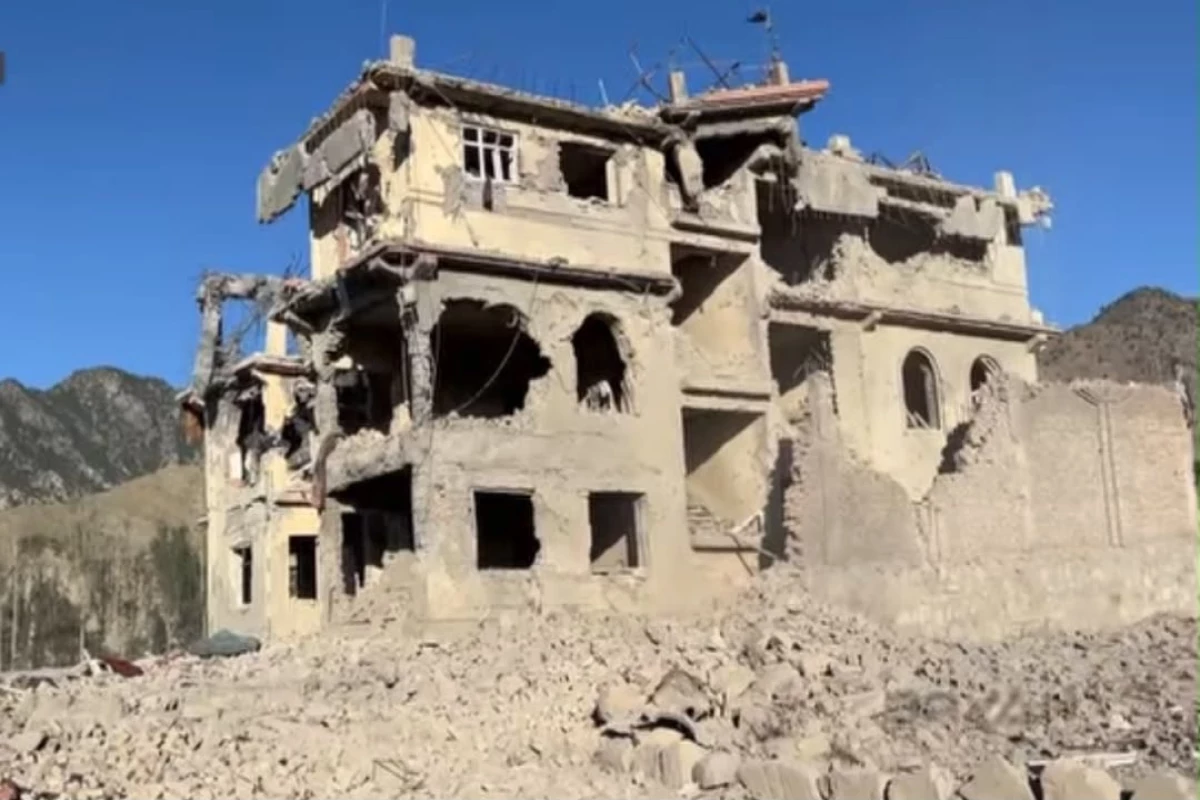
Pakistani strikes kill 36 civilians, wound 163: Afghan govt
11:07
29 June 2026
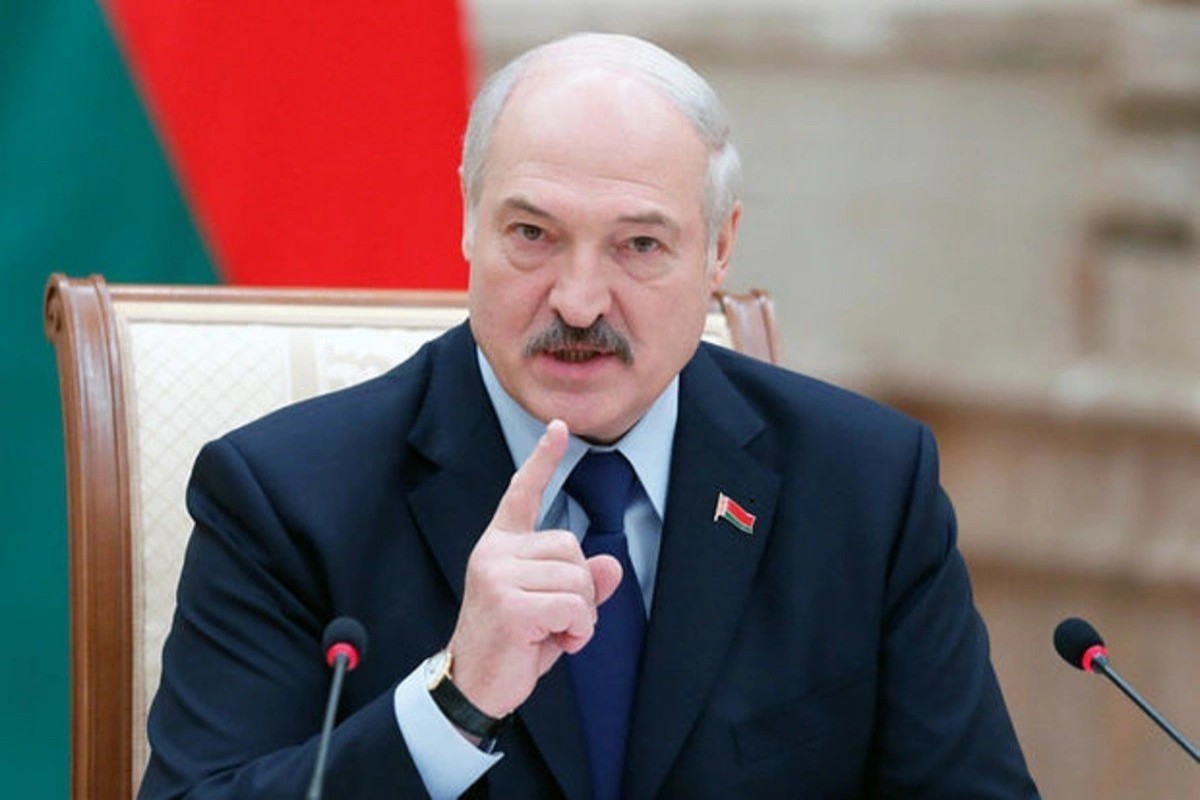
Belarusian President Alexander Lukashenko is on a working visit to China
09:22
29 June 2026

NEWS FEED
Secretary General: Meeting held in Baku marks the beginning of a new stage in the history of the Turkic world
11:53
29 June 2026
Aghdam and Shusha to host Turkic World Week events
11:52
29 June 2026
Mirziyoyev: Turkology faces new tasks in the modern era
11:50
29 June 2026
IDF: In response to Hezbollah violations, we struck 3 headquarters in southern Lebanon
11:50
29 June 2026
Iran, Oman hold first meeting of joint committee on Hormuz, Iranian deputy FM says
11:41
29 June 2026
President Ilham Aliyev addresses participants of the First Turkological Congress centenary event - UPDATED
11:34
29 June 2026
Sadyr Japarov: The 100th anniversary of the First Turkological Congress will further strengthen friendship among Turkic peoples
11:25
29 June 2026
ANAMA discovers 73 more mines and 329 UXO in liberated territories
11:21
29 June 2026
Tokayev: Azerbaijan makes a significant contribution to strengthening ties among brotherly nations
11:19
29 June 2026
Pakistani strikes kill 36 civilians, wound 163: Afghan govt
11:07
29 June 2026
President: The progressive ideas put forward by the First Turkological Congress form the foundation of the projects successfully being implemented by OTS
11:04
29 June 2026
Erdoğan: Azerbaijan is contributing to the common goals of the Turkic states today
11:04
29 June 2026
President Ilham Aliyev: I am pleased that the initiative I put forward regarding the celebration of the 100th anniversary of the First Turkological Congress is being realized today
10:59
29 June 2026
Four bodies found in burned-out car on Yerevan–Yeraskh highway
10:58
29 June 2026
Baku to host BSTDB Annual Meeting and Business Forum
10:54
29 June 2026
Presidents of Kazakhstan and Kyrgyz Republic address participants of Turkic World Week in Baku
10:51
29 June 2026
Leyla Aliyeva and Alena Aliyeva attend Charity Festival
10:43
29 June 2026
Russian army launches 973 strikes on 45 settlements in Ukraine's Zaporizhzhia region in 24 hours
10:32
29 June 2026
Official Baku calls on Israeli government to reconsider decision on the so-called "Armenian genocide"
10:14
29 June 2026
Baku hosts the 100th anniversary event of the First Turkological Congress
10:12
29 June 2026
Azerbaijan Army conducts demonstration classes with new officers
10:08
29 June 2026
Latvia and Ukraine to build a UAV factory near the border with Russia and Belarus
09:51
29 June 2026
Kaja Kallas and Kos arrive in Türkiye ahead of NATO summit
09:25
29 June 2026
Belarusian President Alexander Lukashenko is on a working visit to China
09:22
29 June 2026
Oil prices rise again on world markets
09:14
29 June 2026
Bitcoin price drops below $60,000
09:13
29 June 2026
Gold futures decline on commodity markets
09:07
29 June 2026
Israel announces destruction of Hezbollah underground facility in southern Lebanon
03:36
29 June 2026
Canadian national team qualifies for FIFA World Cup 1/8 finals
01:55
29 June 2026
Axios: U.S., Iran agree to ceasefire, Doha talks on Strait of Hormuz
01:27
29 June 2026
Putin: Ukrainian strikes on Russia's energy infrastructure undoubtedly create problems
01:26
Audio
29 June 2026
Türkiye says Israel using 1915 events decision to cover up crimes against Palestinians
23:20
28 June 2026
33 people rescued, thousands still missing after Venezuela quakes
22:44
28 June 2026
Qatari citizen died from shrapnel wounds on board ship
21:54
28 June 2026
Russian President held meeting on fuel supplies for domestic market
20:50
28 June 2026
Starmer could run for NATO Secretary General
20:33
28 June 2026
Azerbaijani MFA expresses condolences over helicopter crash in Saudi Arabia
19:03
28 June 2026
Mutual attacks between Iran and the US are increasing – LATEST SITUATION
17:13
28 June 2026
Israeli government unanimously votes to recognize the so-called "Armenian genocide," bill to be submitted to Knesset
15:06
28 June 2026
Another wheat shipment transits Azerbaijan from Russia to Armenia-PHOTO
13:06
28 June 2026
Venezuela quake death toll rises to 1,430
10:00
28 June 2026
IRGC says it struck U.S. military infrastructure in Kuwait and Bahrain
09:34
28 June 2026
Trump threatens more military action against Iran if strikes continue
03:52
Audio
28 June 2026
UN: Venezuela earthquake could affect more than 6.7 million people
02:44
28 June 2026
US launches more strikes against Iran
02:17
Audio
28 June 2026
Britain has zero active submarines at sea for now
02:00
28 June 2026
Israel will withdraw troops from two areas in southern Lebanon on June 28
01:48
28 June 2026
Netanyahu announces plans to form broad national government after elections
01:30
28 June 2026
Argentina cabinet chief resigns after corruption allegations
01:20
28 June 2026
Magnitude 5.4 earthquake struck Venezuela
00:56
28 June 2026


