










Baku – APA. Intense winds scraped sand from the desert floor, clouding the view and leaving the Israeli soldiers scarcely able to see each other as they practiced blasting artillery shells at distant targets, APA reports quoting “Associated Pressâ€.
In a nearby armored vehicle, commanders armed with small screens could easily monitor every cannon, jeep and target involved, ordering strikes with the tap of a finger. Their weapon: a sophisticated communication system that compiles battlefield information in an easy-to-use, video game-like map interface, helping militaries make sense of the chaos of battle.
The Associated Press was given rare access to the exercise by a military eager to reclaim some of the deterrence it held in the region when technologically inferior Arab armies were the main threat against it.
That deterrence has eroded in recent times, as guerrilla warfare became more prominent and left conventional armies — here as elsewhere — looking clumsy and vulnerable.
In a monthlong war in 2006, Lebanese guerrillas with relatively simple rockets knocked out Israeli tanks, and Israel’s high-tech military was powerless to stop a barrage of primitive, unguided Katyusha rockets on northern Israel.
The latest computerized gadgetry is designed to knock down the military’s response time. Troops on the ground can add new targets as soon as they spot them — like militants on foot, a rocket squad or a vehicle — to the network for commanders to see instantly and hit.
Strikes that used to take 20 or more minutes to coordinate now take just seconds, said Maj. Hagai Ben-Shushan, head of the C4I section for Israel’s artillery. "It doesn’t take much, then shells are going to the target," he said.
Israel is among several nations harnessing digital and satellite technology to develop C4I systems — short for "command, control, communications, computers and intelligence" — that integrate battlefield information.
The goal is to have "all the elements of a force ... seeing the same tactical picture, and you can move information from one to the other completely seamlessly," said Britain-based Giles Ebbutt, who studies such systems for Jane’s Information Group.
C4I systems are operational in the United States, which started development in the 1990s, as well as France, Singapore, Germany, the United Kingdom and Italy, among other countries, Ebbutt said.
Israel’s version — being developed over the past decade or so — is "a little bit further down the road than some people ... because they have a focus on the problem, they are constantly operationally alert, and they need to be as operationally developed as they can," Ebbutt said.
The army says it started using the first, basic version in 2005, but it did not include all units and functions. The latest, completed in 2009 and in training since last March, allows all forces on the ground to communicate instantaneously.
"Visually, now everything is on the map, so it’s much easier to coordinate," said the battalion commander whose men were being trained. "You can easily understand the map and the position of forces." He spoke on condition of anonymity under military rules.
On a stretch of sand near the army base at Shivta, deep in Israel’s southern Negev desert, six artillery cannon stood with their barrels aimed at targets about 4 miles (6 kilometers) away. Commanders in a nearby armored vehicle stared at two screens, watching all movement on an interactive satellite map.
Pink squares marked each cannon, dotted lines of shell trajectory extended from their barrels and circles showed the expected blast radius of any shells fired.
Different symbols marked other army vehicles, their locations kept up to date with GPS-like devices. All the vehicles carried similar screens, giving soldiers a realtime map of the battlefield.
One soldier demonstrates how to add a new target to the map: A tap on the screen places it, then he can describe its size and character.
Seeing the target, a commander can then order a strike with a few more taps, deciding who will fire and how much. The order immediately appears on those units’ screens.
The system’s newest version, built by Israeli defense contractor Elbit, has yet to be battle-tested, but Israel used an earlier one in its Gaza offensive two years ago, Ben-Shushan said.
That war, launched to stop militant rocket fire on Israeli towns, killed about 1,400 Palestinians and 13 Israelis. Four of the 10 Israeli soldiers were killed by friendly fire, but Col. Gil Maoz, head of Israel’s Digital Army program, said the technology helped to prevent other Israeli fatalities.
Israel had only an early version of the system during its war with the Lebanese militia Hezbollah in 2006, which killed about 1,200 Lebanese and 160 Israelis. An Israeli investigation into the war, which was widely seen as a failure, criticized the inability of commanders to relay key information to the field.
Maoz said having the system then could have lowered the Israeli death toll.
Elbit spokeswoman Dalia Rosen said that what sets the Israeli system apart from others is the ease with which it allows land, naval and air forces to communicate with each other and its ability to link everyone from rank-and-file soldiers in the field to the highest commanders.
She said Australia purchased Elbit communications technology for its own battle management system in a deal last year valued at $298 million.


 Follow us on Telegram
 t.me/apanewsaz
 Follow us on Instagram
 Follow us on TikTok
 Follow us on Facebook
 Follow us on X
Asia
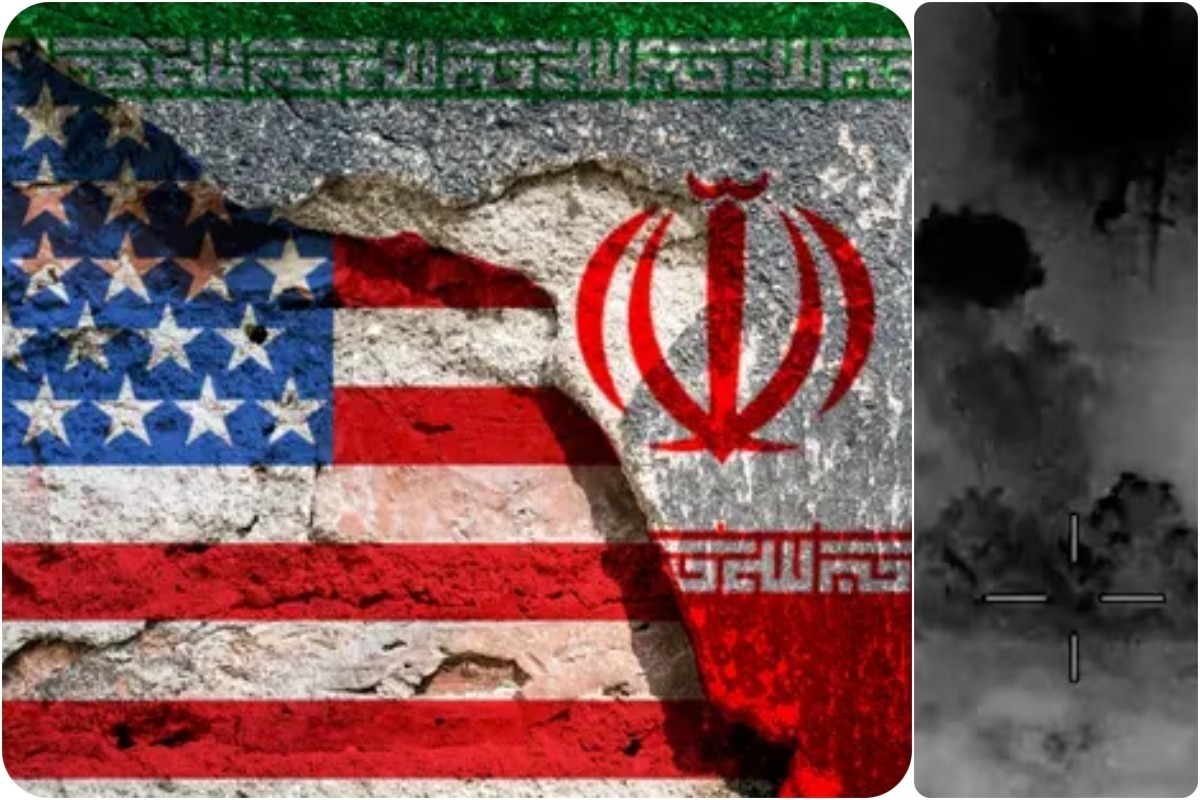
Mutual attacks between Iran and the US are increasing – LATEST SITUATION
 17:13
17:13
 28 June 2026

Israeli government unanimously votes to recognize the so-called "Armenian genocide," bill to be submitted to Knesset
15:06
28 June 2026
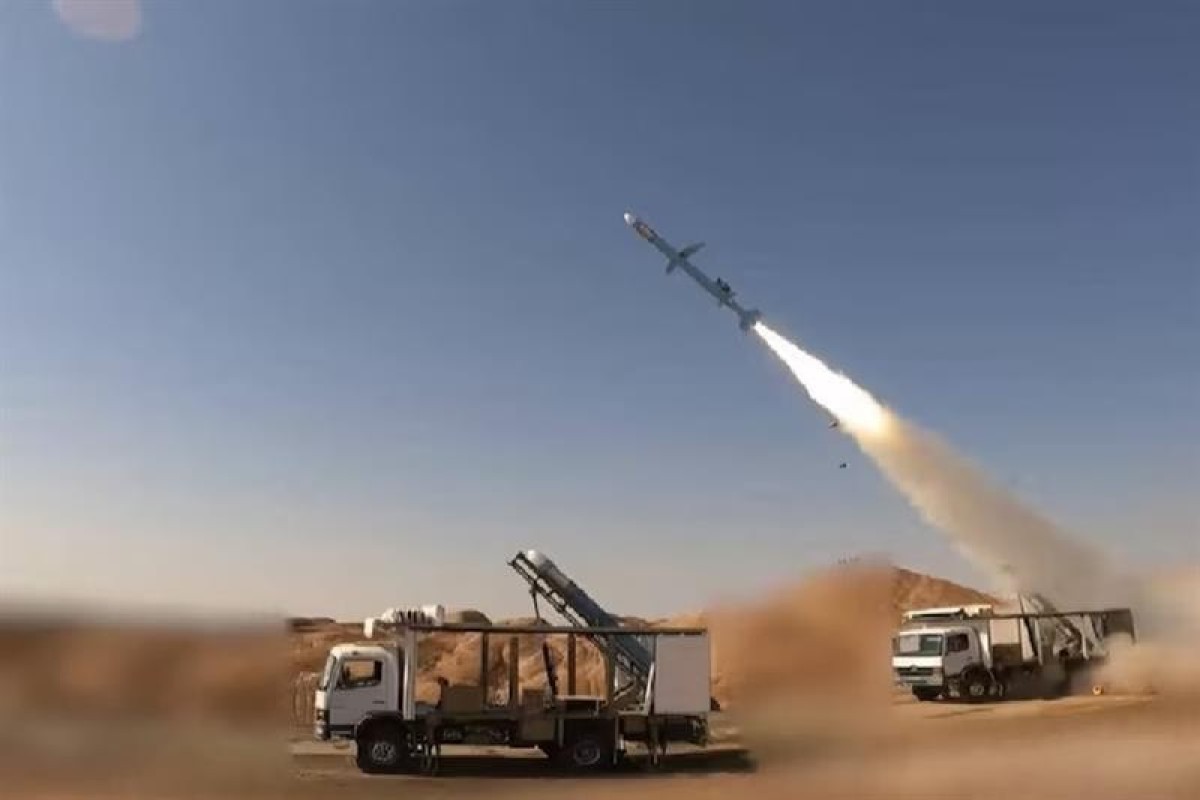
IRGC says it struck U.S. military infrastructure in Kuwait and Bahrain
09:34
28 June 2026
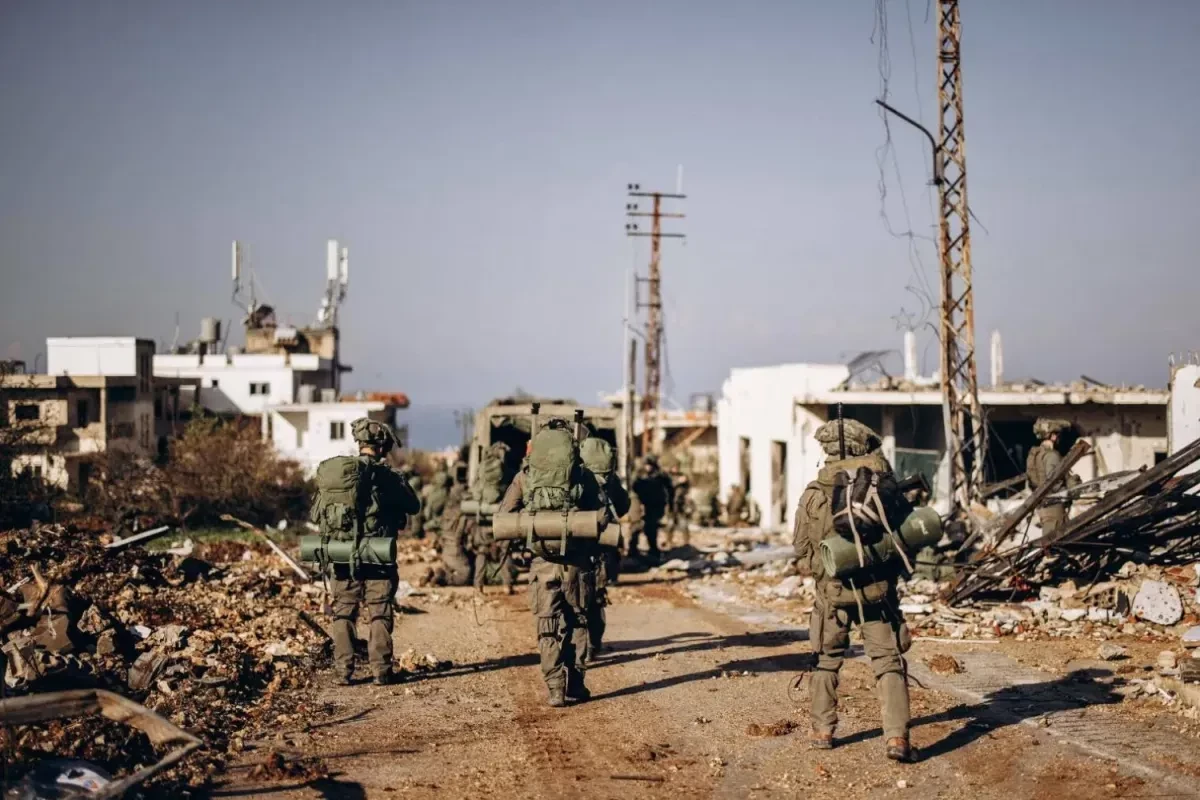
Israel will withdraw troops from two areas in southern Lebanon on June 28
01:48
28 June 2026

NEWS FEED
Starmer could run for NATO Secretary General
20:33
28 June 2026
Azerbaijani MFA expresses condolences over helicopter crash in Saudi Arabia
19:03
28 June 2026
Mutual attacks between Iran and the US are increasing – LATEST SITUATION
17:13
28 June 2026
Israeli government unanimously votes to recognize the so-called "Armenian genocide," bill to be submitted to Knesset
15:06
28 June 2026
Another wheat shipment transits Azerbaijan from Russia to Armenia-PHOTO
13:06
28 June 2026
Venezuela quake death toll rises to 1,430
10:00
28 June 2026
IRGC says it struck U.S. military infrastructure in Kuwait and Bahrain
09:34
28 June 2026
Trump threatens more military action against Iran if strikes continue
03:52
Audio
28 June 2026
UN: Venezuela earthquake could affect more than 6.7 million people
02:44
28 June 2026
US launches more strikes against Iran
02:17
Audio
28 June 2026
Britain has zero active submarines at sea for now
02:00
28 June 2026
Israel will withdraw troops from two areas in southern Lebanon on June 28
01:48
28 June 2026
Netanyahu announces plans to form broad national government after elections
01:30
28 June 2026
Argentina cabinet chief resigns after corruption allegations
01:20
28 June 2026
Magnitude 5.4 earthquake struck Venezuela
00:56
28 June 2026
Netanyahu: Deal says Israel can keep security zone as long as needed
23:53
27 June 2026
UFC Baku: Rafael Fiziev defeats Manuel Torres in main event
23:14
Audio
27 June 2026
UFC: Abus Magomedov defeats Mikhal Oleksiychuk
21:22
27 June 2026
UFC: Farman Hasanov defeats his opponent from the United States
21:11
27 June 2026
Wheat to be shipped to Armenia via transit through Azerbaijan
19:53
27 June 2026
Jeyhun Bayramov and Hakan Fidan hold phone conversation
19:04
27 June 2026
"Caucasus Eagle 2026" exercise concludes-VIDEO
18:43
27 June 2026
Tremors jolt Delhi-NCR, Kashmir as magnitude 6.2 earthquake hits Afghanistan
18:37
27 June 2026
Tanker hit by unidentified projectile in Hormuz, British maritime agency says
16:54
27 June 2026
Russian Defense Ministry claims two Ukrainian MiG-29 fighter jets destroyed at Mykolaiv airfield
16:51
27 June 2026
Iran accuses U.S. of violating two clauses of memorandum
16:48
27 June 2026
Service chief: Lowering military conscription age limit has reduced state expenses
16:09
27 June 2026
Ukrainian MiG-29 crashes during combat mission, Air Force says, pilot ejects safely
15:25
27 June 2026
Russia and Ukraine exchange civilian detainees
14:40
27 June 2026
Baku–Nakhchivan flights cancelled due to thunderstorms
14:16
27 June 2026
One killed, 11 injured in Ukraine's attack on Volgograd
13:58
27 June 2026
Bahrain says Iranian drones targeted its territory early Saturday
13:55
27 June 2026
Zelenskyy confirms strike on military plant in Volgograd-VIDEO-UPDATED
13:42
27 June 2026
Kremlin: Putin and Lukashenko continue talks
13:38
27 June 2026
Small aircraft crash in Beijing kills one person, injures 13, local govt says
13:30
27 June 2026
Iran's Foreign Ministry reacts to U.S. airstrikes
11:31
27 June 2026
Leyla Aliyeva and Arzu Aliyeva visit "CandyFest" summer festival and watch "Magic Pearl" water circus show-PHOTO
11:24
27 June 2026
Leyla Aliyeva and Arzu Aliyeva participate in seasonal flower planting campaign on Baku Boulevard-PHOTO
11:21
27 June 2026
Leyla Aliyeva and Arzu Aliyeva attend opening and presentation ceremonies at the Seaside National Park-PHOTO
11:14
27 June 2026
Baltic states urge EU to speed up ban on Russian oil imports
11:07
27 June 2026
Seoul says Chinese, Russian military aircraft enter its air defense zone
10:51
27 June 2026
Gold and silver rise in commodity markets
10:24
27 June 2026
Natural gas falls on New York exchange
10:22
27 June 2026
Azerbaijani oil trades at $74
10:20
27 June 2026
Two police officers killed in armed attack on police checkpoint in Iran
10:15
27 June 2026
Brent oil falls by more than 4%
09:35
27 June 2026
Major global stock market indices
09:29
27 June 2026
State Department: Lebanon agreement envisages withdrawal of Israeli forces
09:24
27 June 2026
Saudi Arabia resumes oil loading in the Persian Gulf
09:20
27 June 2026
Vance: US ready to discuss memorandum disagreements with Iran
02:39
Audio
27 June 2026


