










Baku-APA. Anti-American cleric Moqtada al-Sadr, one of Iraq’s most controversial and powerful figures, returned to Iraq on Wednesday after operating from Iran for more than three years, a homecoming that promises an unwelcome new headache for both the U.S. and Iraqi governments, APA reports quoting wsj.com website.
Mr. Sadr, now 37, arrived in his hometown of Najaf, south of Baghdad, on a flight from Tehran, his spokesman and another aide said. State-owned Iraqiya television broadcast his arrival at Najaf’s airport, in brief footage that showed aides in clerical robes scrambling to make way for the cleric as frenzied photographers surrounded him.
Mr. Sadr visited the Najaf mausoleum of his father, influential Shiite Ayatollah Mohammed Sadiq al-Sadr, before going to his family’s home. His aides and partisans gave no indication of Mr. Sadr’s intentions, the permanence of his move or whether the notoriously mercurial cleric would appear in public soon.
Mr. Sadr’s militia fought pitched battles with U.S.-led coalition forces in Baghdad and the central and southern regions of the country between 2004 and 2007. His fighters are blamed for the deaths of hundreds of U.S. and coalition soldiers, most notably British. The Shiite movement was also implicated in running death squads that killed Sunnis during the height of 2005-2007 sectarian conflict.
Before leaving Iraq, Mr. Sadr was known for his fiery anti-American sermons during Friday prayers at the main mosque in Kufa, near Najaf. He played a decisive, in absentia role in helping Prime Minister Nouri al-Maliki win a second term and eventually assemble a government.
Reaction to Mr. Sadr’s arrival was largely muted inside his traditional bases of support in impoverished neighborhoods in Baghdad and the predominantly Shiite south. But his presence in Iraq, particularly if prolonged, is sure to present fresh challenges for both Baghdad and Washington as they prepare for the full withdrawal of U.S. forces by the end of December and attempt to lay the foundations for long-term security, economic and cultural cooperation.
"Sadr is the leader of an Iraqi political party that won a number of seats in the March [2010] election," U.S. State Department spokesman P.J. Crowley said in a briefing. "His return is a matter between him and the government of Iraq."
Mr. Sadr considers the U.S. government the root of all evil in the world and remains vehemently opposed to meaningful ties with America.
"America is the first and last enemy for the Sadrist current," Mr. Sadr said in an interview over the summer with Al-Baghdadiya, a privately owned satellite channel. He was referring to his movement, which controls a sizable bloc in Parliament and holds eight ministries in the 45-member Maliki cabinet sworn in last month.
Mr. Sadr and leaders in his movement haven’t denied the continued existence of the political wing’s military counterpart, a two-front structure similar to that of Iranian-backed Hezbollah in Lebanon. "The Sadrist current still embraces the choice of resistance and will not give this up as long as there’s occupation inside Iraq," Mazen al-Saedi, one of Mr. Sadr’s aides in Najaf, said Wednesday.
U.S. military commanders accuse the military wing—previously known as the Mahdi Army and now rebranded as the Promised Day Brigades—of more recent attacks on U.S. installations in Iraq, notably with rockets supplied by Iran. Tehran has repeatedly denied these accusations.
U.S. officials say they want to ensure the cleric doesn’t wield too much influence in the new government, by lobbying Mr. Maliki to keep Mr. Sadr’s followers out of senior security posts.
Mr. Sadr left Iraq for Iran in early 2007 for reasons that remain unclear. Some observers said he feared U.S. forces would kill or capture him, while others said he was grappling with challenges to his authority from within his movement. Mr. Sadr was also sought for arrest for his alleged involvement in the 2003 murder of a rival cleric on friendly terms with Britain and the U.S.
Mr. Saedi, the aide, dismissed the arrest warrant because it was issued when Americans were governing.
Mr. Sadr has said he has been pursuing advanced Shiite theological studies in the Iranian holy city of Qom. Mr. Saedi said he couldn’t disclose whether Mr. Sadr has attained the stature of mujtahid, or learned cleric, which would convey the authority to issue fatwas, or edicts.
In early 2008, Mr. Maliki ordered an offensive with U.S. backing against what many viewed as renegade elements of Mr. Sadr’s militia, centered on Baghdad’s Shiite enclave of Sadr City and the southern oil hub of Basra.
Mr. Maliki, in an interview with The Wall Street Journal last month, said Mr. Sadr’s movement was welcome as a partner in the political process because it has been taking "satisfactory" steps toward renouncing violence and military activities.
But Mr. Maliki, without mentioning the cleric by name, indicated he wouldn’t tolerate rhetoric contradicting his government’s direction from any participants in the governing coalition. "Whoever makes a speech that contradicts the government’s discourse must leave and become opposition and go to Parliament; he’s most welcome," said Mr. Maliki.
U.S. officials say Mr. Sadr receives financial and technical support from the Iranians. Even so, Mr. Sadr appears to have remained true to his image as unpredictable and rebellious, even in the relationship with Tehran.
He resisted Iranian pressure to back Mr. Maliki for the sake of Shiite unity until the very end, Iraqi politicians say, and sought, through media and grassroots community work, to project himself as a nationalist leader able to reach across sectarian lines to Sunnis, Christians and others.
Mr. Sadr continues to have bitter differences with Iranian-backed militias that broke away from his movement, most notably a group called the League of the Righteous.
Mr. Sadr’s quiet return to Najaf contrasted with a high profile visit by Iran’s Foreign Minister Ali Akbar Salehi to Baghdad.
"We are pinning great hope on the withdrawal of foreign countries from Iraq whose soil we consider sacred soil," Mr. Salehi said in a press conference. Iraq is home to the most scared shrines for Shiite Muslims worldwide.


 Follow us on Telegram
 t.me/apanewsaz
 Follow us on Instagram
 Follow us on TikTok
 Follow us on Facebook
 Follow us on X
Asia
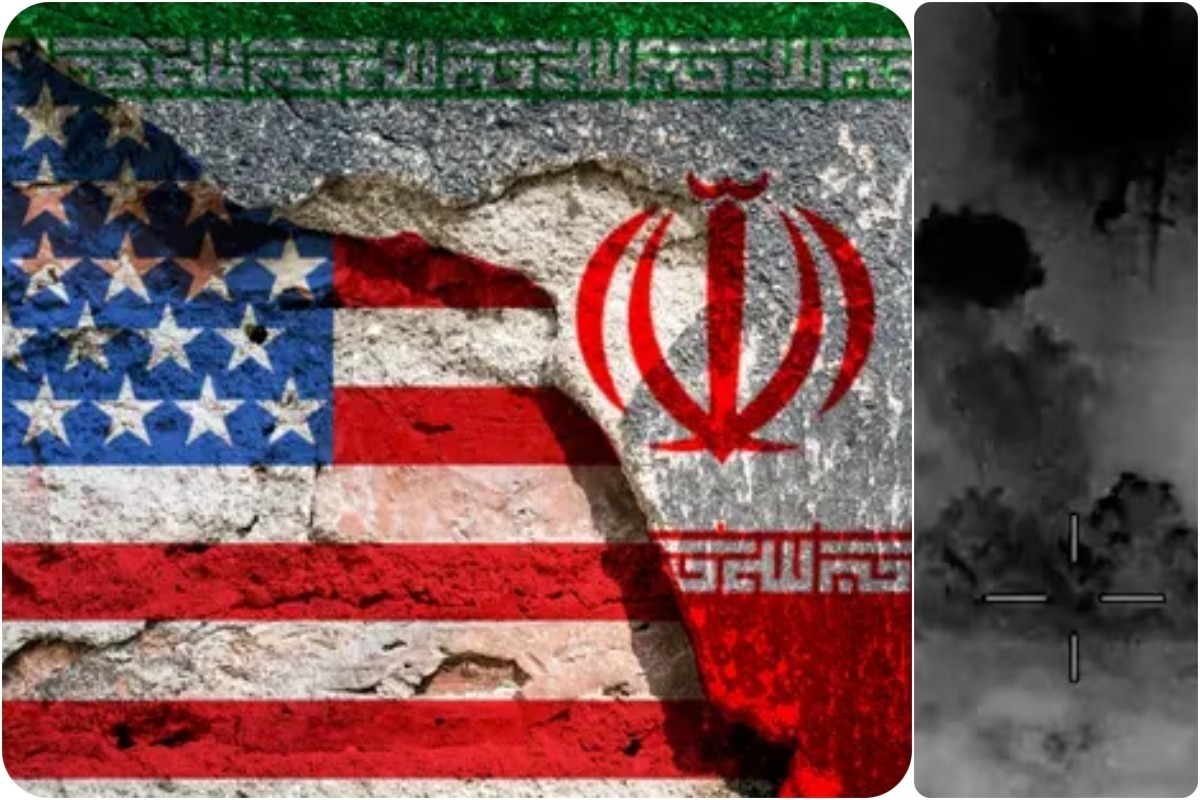
Mutual attacks between Iran and the US are increasing – LATEST SITUATION
 17:13
17:13
 28 June 2026
Israeli government unanimously votes to recognize the so-called "Armenian genocide," bill to be submitted to Knesset
15:06
28 June 2026
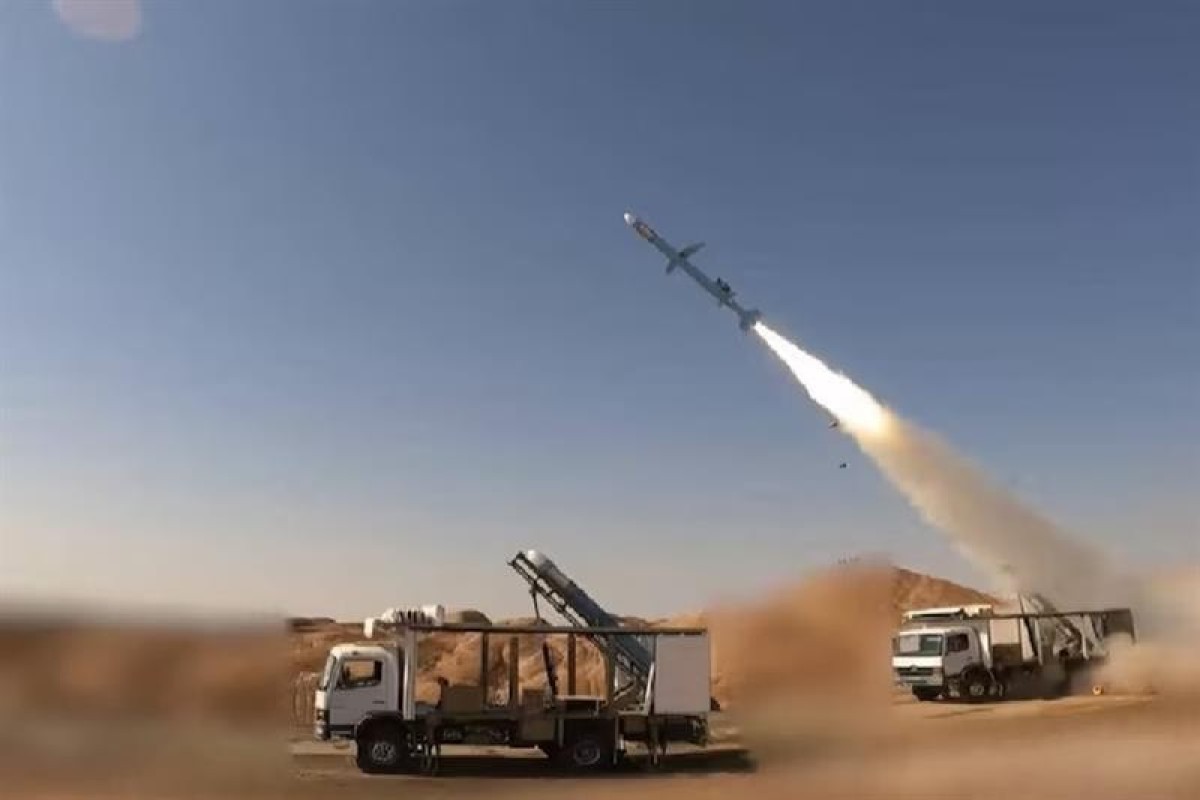
IRGC says it struck U.S. military infrastructure in Kuwait and Bahrain
09:34
28 June 2026
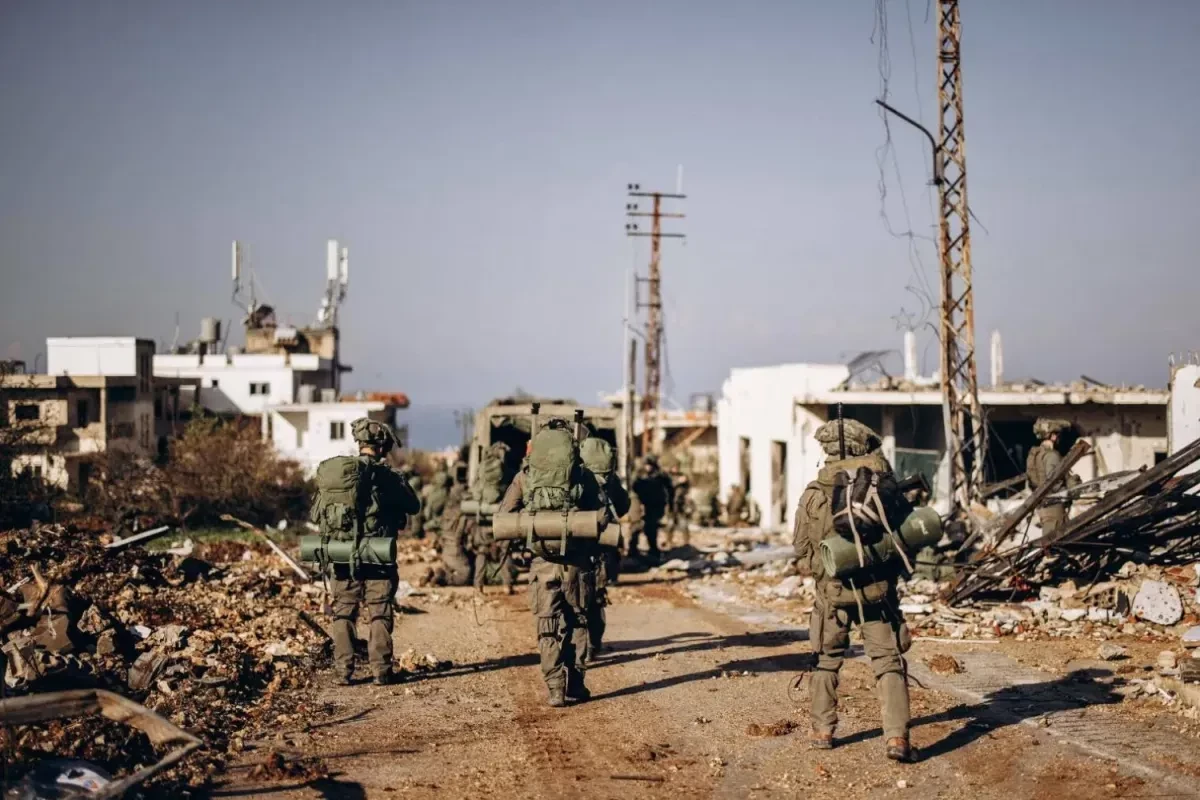
Israel will withdraw troops from two areas in southern Lebanon on June 28
01:48
28 June 2026

NEWS FEED
Starmer could run for NATO Secretary General
20:33
28 June 2026
Azerbaijani MFA expresses condolences over helicopter crash in Saudi Arabia
19:03
28 June 2026
Mutual attacks between Iran and the US are increasing – LATEST SITUATION
17:13
28 June 2026
Israeli government unanimously votes to recognize the so-called "Armenian genocide," bill to be submitted to Knesset
15:06
28 June 2026
Another wheat shipment transits Azerbaijan from Russia to Armenia-PHOTO
13:06
28 June 2026
Venezuela quake death toll rises to 1,430
10:00
28 June 2026
IRGC says it struck U.S. military infrastructure in Kuwait and Bahrain
09:34
28 June 2026
Trump threatens more military action against Iran if strikes continue
03:52
Audio
28 June 2026
UN: Venezuela earthquake could affect more than 6.7 million people
02:44
28 June 2026
US launches more strikes against Iran
02:17
Audio
28 June 2026
Britain has zero active submarines at sea for now
02:00
28 June 2026
Israel will withdraw troops from two areas in southern Lebanon on June 28
01:48
28 June 2026
Netanyahu announces plans to form broad national government after elections
01:30
28 June 2026
Argentina cabinet chief resigns after corruption allegations
01:20
28 June 2026
Magnitude 5.4 earthquake struck Venezuela
00:56
28 June 2026
Netanyahu: Deal says Israel can keep security zone as long as needed
23:53
27 June 2026
UFC Baku: Rafael Fiziev defeats Manuel Torres in main event
23:14
Audio
27 June 2026
UFC: Abus Magomedov defeats Mikhal Oleksiychuk
21:22
27 June 2026
UFC: Farman Hasanov defeats his opponent from the United States
21:11
27 June 2026
Wheat to be shipped to Armenia via transit through Azerbaijan
19:53
27 June 2026
Jeyhun Bayramov and Hakan Fidan hold phone conversation
19:04
27 June 2026
"Caucasus Eagle 2026" exercise concludes-VIDEO
18:43
27 June 2026
Tremors jolt Delhi-NCR, Kashmir as magnitude 6.2 earthquake hits Afghanistan
18:37
27 June 2026
Tanker hit by unidentified projectile in Hormuz, British maritime agency says
16:54
27 June 2026
Russian Defense Ministry claims two Ukrainian MiG-29 fighter jets destroyed at Mykolaiv airfield
16:51
27 June 2026
Iran accuses U.S. of violating two clauses of memorandum
16:48
27 June 2026
Service chief: Lowering military conscription age limit has reduced state expenses
16:09
27 June 2026
Ukrainian MiG-29 crashes during combat mission, Air Force says, pilot ejects safely
15:25
27 June 2026
Russia and Ukraine exchange civilian detainees
14:40
27 June 2026
Baku–Nakhchivan flights cancelled due to thunderstorms
14:16
27 June 2026
One killed, 11 injured in Ukraine's attack on Volgograd
13:58
27 June 2026
Bahrain says Iranian drones targeted its territory early Saturday
13:55
27 June 2026
Zelenskyy confirms strike on military plant in Volgograd-VIDEO-UPDATED
13:42
27 June 2026
Kremlin: Putin and Lukashenko continue talks
13:38
27 June 2026
Small aircraft crash in Beijing kills one person, injures 13, local govt says
13:30
27 June 2026
Iran's Foreign Ministry reacts to U.S. airstrikes
11:31
27 June 2026
Leyla Aliyeva and Arzu Aliyeva visit "CandyFest" summer festival and watch "Magic Pearl" water circus show-PHOTO
11:24
27 June 2026
Leyla Aliyeva and Arzu Aliyeva participate in seasonal flower planting campaign on Baku Boulevard-PHOTO
11:21
27 June 2026
Leyla Aliyeva and Arzu Aliyeva attend opening and presentation ceremonies at the Seaside National Park-PHOTO
11:14
27 June 2026
Baltic states urge EU to speed up ban on Russian oil imports
11:07
27 June 2026
Seoul says Chinese, Russian military aircraft enter its air defense zone
10:51
27 June 2026
Gold and silver rise in commodity markets
10:24
27 June 2026
Natural gas falls on New York exchange
10:22
27 June 2026
Azerbaijani oil trades at $74
10:20
27 June 2026
Two police officers killed in armed attack on police checkpoint in Iran
10:15
27 June 2026
Brent oil falls by more than 4%
09:35
27 June 2026
Major global stock market indices
09:29
27 June 2026
State Department: Lebanon agreement envisages withdrawal of Israeli forces
09:24
27 June 2026
Saudi Arabia resumes oil loading in the Persian Gulf
09:20
27 June 2026
Vance: US ready to discuss memorandum disagreements with Iran
02:39
Audio
27 June 2026


