










Baku – APA. Tribal militias allied with the government helped block a Taliban advance in this corner of northwest Pakistan close to the Afghan border, but their success has come at a price: the empowerment of untrained, unaccountable private armies that could yet emerge as a threat of their own, APA reports quoting “Associated Pressâ€.
Tensions are emerging between authorities and the dozens of militias that they helped to create predominantly in and near the northwest tribal regions. Operating from fortress-like compounds with anti-aircraft guns on the roofs, the militiamen have made it clear that the state now owes them for their sacrifices. They show photos on their cell phones of Taliban they killed and point to the scrubland outside, with graves of relatives who died in the fight.
The leader of the largest militia near the town of Matani, a wealthy landowner named Dilawar Khan, warns that he will stop cooperating with police unless he gets more money and weapons from authorities. Speaking to The Associated Press, he adds what could be a veiled threat to join the militants.
"Time and time again, the Taliban have contacted us, urging us to change sides," he said.
Another local militia commander is locked in a dispute with local police, who recently raided his compound and accused him of stealing and overstepping his authority.
The experience in the Matani area — 12 miles (20 kilometers) from Peshawar, the largest city in Pakistan’s northwest — shows the advantages of using proxies to counter al-Qaida and the Taliban, but also the pitfalls. In Iraq, similar forces were credited with creating a turning point in the war, when Sunni tribes rose up against al-Qaida and other Sunni insurgent groups. Many of those Iraqi Sunnis, however, now feel they are being marginalized by the Shiite leadership.
In Afghanistan, the United States is backing the creation of militias, dubbed local village defense forces, to fight the Taliban. The Afghan government is less keen, having seen the damage that warlords with private armies did to the country in the 1990s.
Pakistan’s own past shows the hazards of proxies. A large part of the insurgency tearing at the heart of Pakistan today is made up of armed militant groups that the government trained and funded to fight wars in Afghanistan and against Indian forces in Kashmir, as well Islamist extremists they long tolerated to keep control in places like Pakistan’s Swat Valley.
"Every time the state delegates its authority by parceling it out to non-state actors, it ultimately backfires," said Ail Dana Haas, a researcher for Human Rights Watch. "The arming of militias in the medium- to long-term always leads to further lawlessness. The militias will seek to maximize their own power, and they will do so at the cost of the state."
Pakistani support for militias, known as lashkars, is less widespread and organized than in Iraq.
Most operate in the tribal regions close to Afghanistan, where the raising of private armies has a history going back to British colonial times. The army and political authorities dole out money and arms to tribal leaders so their fighters hold areas retaken by the military. Militants have ruthlessly targeted the lashkars this year with suicide bombings aimed at their meetings with authorities.
The northwest region is also where the al-Qaida’s top leaders are thought to be hiding and is increasingly being targeted by U.S. missile strikes from drone aircraft, particularly the North Waziristan tribal region southwest of Peshawar.
Six suspected U.S. missiles struck two vehicles in the Shera Tala village of North Waziristan on Monday, killing 18 alleged militants, Pakistani intelligence officials said.
The Matani area represents one of the most successful uses of the lashkars.
A year and half ago, the poor, hilly region was under the effective control of militants who moved in from the adjacent tribal region of Khyber and enforced their will on the population. Bakers were forbidden to sell bread to the police. One officer was killed and left hanging from a butcher’s hook in the market. The militants were able to stage attacks in Peshawar from Matani. And Peshawar was hit by at least 19 suicide bombings in 2009, more than any other major city in Pakistan.
This year, the Taliban were largely pushed back from Matani, and while no one is claiming total victory, attacks are down by three-quarters in Peshawar, police and locals say. The army has also undertaken operations in other parts of the tribal regions against known militant strongholds, further squeezing them, while the U.S. has increased drone-fired missile attacks.
"The militants’ backbone is broken," claimed Peshawar city police chief, Liaqat Ali Khan.
Three tribal militias in Matani backed by the government played a vital role in pushing back the Taliban and continue to ensure the militants do not return in significant numbers, said Matani police officer Hidayat Khan.
The tribesmen make good proxies because they know the terrain, have a network of contacts in the area and are motivated to fight militants, who in some cases have killed their relatives. Each lashkar is typically made up of an extended family or tribe, strengthening their loyalty.
Dilawar Khan claims to have between 300 and 400 men in his lashkar — and he boasts that he can call up "an entire village" if he wants. His forces have stocks of grenades and rockets, along with automatic weapons. His walled compound, on a hill at the end of a newly paved road, has three Russian-made anti-aircraft guns and a 100-foot-high (30-meter) watchtower that gives him a view across the hills to Khyber.
But he says he is unhappy with the level of support he is receiving from local authorities and pointed out that he lost 17 men to the militants since the fight began. He made clear he wants more money and weapons, though would not go into detail about how much he demands — or how much he has already received from authorities.
"If we don’t get compensated, we will stop cooperating with the police," he said.
A short drive away, another militia leader, Faheem-ur-Rehman, is still smarting over a police raid on his heavily guarded headquarters in November. Police seized weapons, money and gold that they said had been stolen. He denies any wrongdoing.
"There are certain complications with him," said Liaqat Khan, Peshawar’s police chief, declining to elaborate.
"We had to tell him ’this is your domain.’ We drew a line."
The third major lashkar in the region is run by Noor Malik, the son of a local official who like others initially supported the Taliban when they first arrived in the area. But his father was killed by the Taliban last year after he left them and sided with police
Malik, just 22, has little time for critics of the lashkars.
"We did not choose this. The Taliban started it when they began beheading people," he said. "Where were the human rights activists then, when I lost my father?"


 Follow us on Telegram
 t.me/apanewsaz
 Follow us on Instagram
 Follow us on TikTok
 Follow us on Facebook
 Follow us on X
Asia
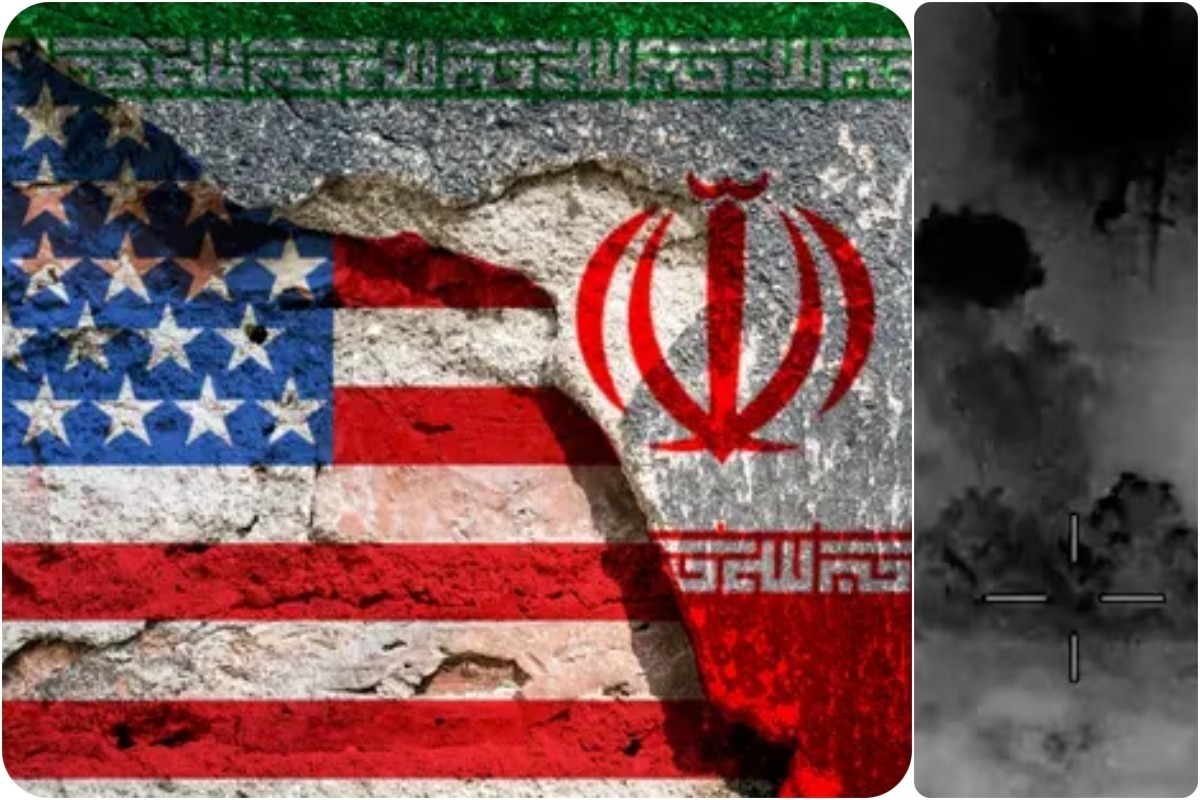
Mutual attacks between Iran and the US are increasing – LATEST SITUATION
 17:13
17:13
 28 June 2026

Israeli government unanimously votes to recognize the so-called "Armenian genocide," bill to be submitted to Knesset
15:06
28 June 2026
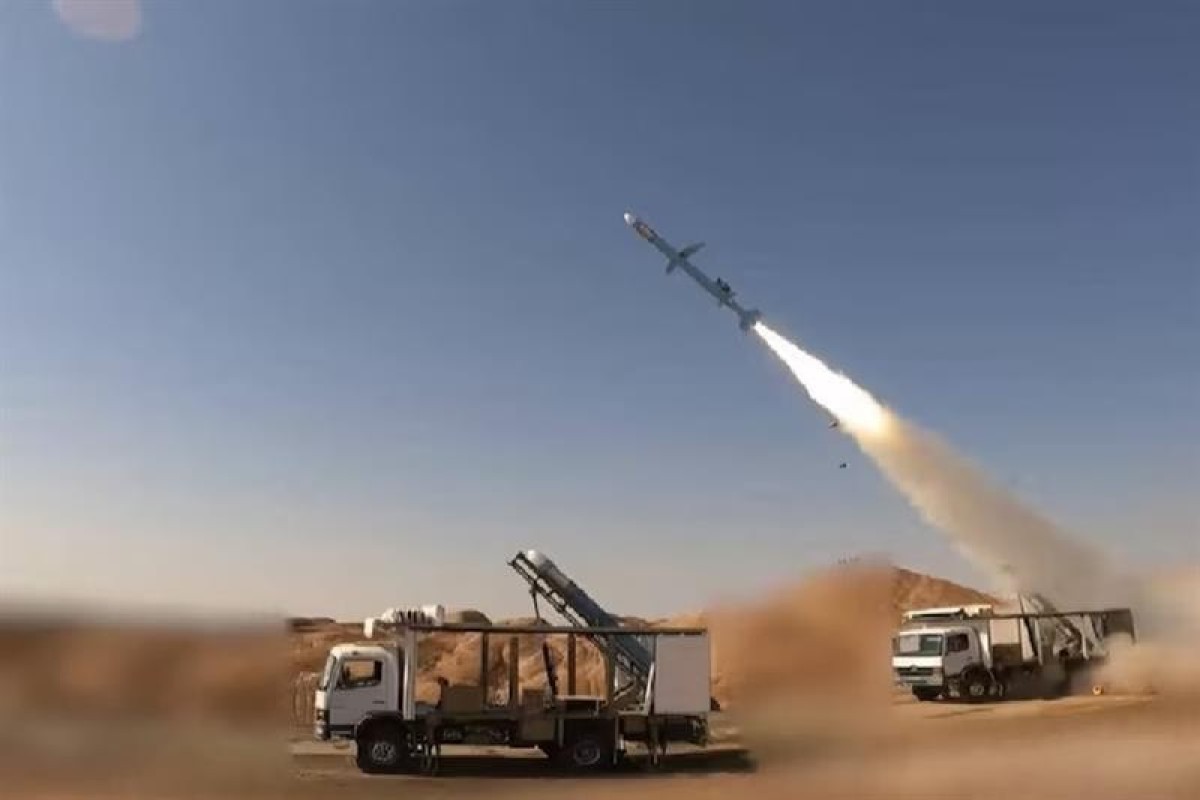
IRGC says it struck U.S. military infrastructure in Kuwait and Bahrain
09:34
28 June 2026
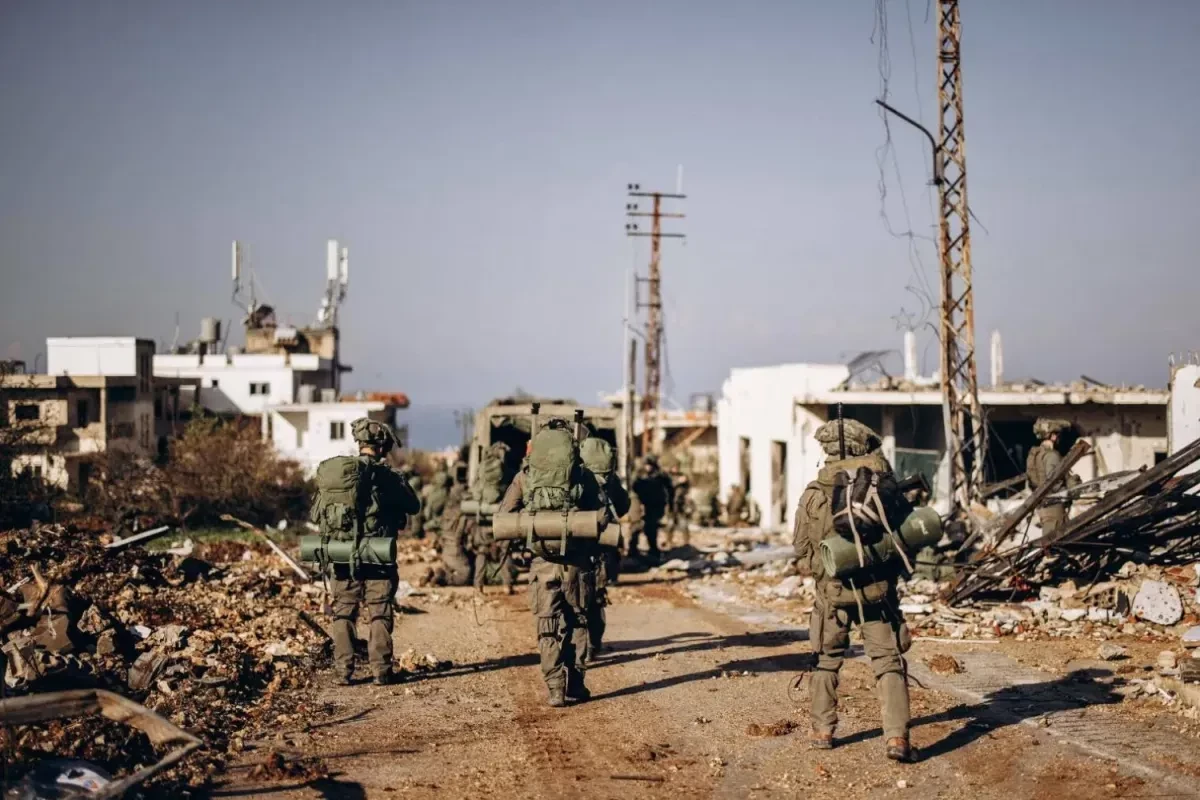
Israel will withdraw troops from two areas in southern Lebanon on June 28
01:48
28 June 2026

NEWS FEED
Azerbaijani MFA expresses condolences over helicopter crash in Saudi Arabia
19:03
28 June 2026
Mutual attacks between Iran and the US are increasing – LATEST SITUATION
17:13
28 June 2026
Israeli government unanimously votes to recognize the so-called "Armenian genocide," bill to be submitted to Knesset
15:06
28 June 2026
Another wheat shipment transits Azerbaijan from Russia to Armenia-PHOTO
13:06
28 June 2026
Venezuela quake death toll rises to 1,430
10:00
28 June 2026
IRGC says it struck U.S. military infrastructure in Kuwait and Bahrain
09:34
28 June 2026
Trump threatens more military action against Iran if strikes continue
03:52
Audio
28 June 2026
UN: Venezuela earthquake could affect more than 6.7 million people
02:44
28 June 2026
US launches more strikes against Iran
02:17
Audio
28 June 2026
Britain has zero active submarines at sea for now
02:00
28 June 2026
Israel will withdraw troops from two areas in southern Lebanon on June 28
01:48
28 June 2026
Netanyahu announces plans to form broad national government after elections
01:30
28 June 2026
Argentina cabinet chief resigns after corruption allegations
01:20
28 June 2026
Magnitude 5.4 earthquake struck Venezuela
00:56
28 June 2026
Netanyahu: Deal says Israel can keep security zone as long as needed
23:53
27 June 2026
UFC Baku: Rafael Fiziev defeats Manuel Torres in main event
23:14
Audio
27 June 2026
UFC: Abus Magomedov defeats Mikhal Oleksiychuk
21:22
27 June 2026
UFC: Farman Hasanov defeats his opponent from the United States
21:11
27 June 2026
Wheat to be shipped to Armenia via transit through Azerbaijan
19:53
27 June 2026
Jeyhun Bayramov and Hakan Fidan hold phone conversation
19:04
27 June 2026
"Caucasus Eagle 2026" exercise concludes-VIDEO
18:43
27 June 2026
Tremors jolt Delhi-NCR, Kashmir as magnitude 6.2 earthquake hits Afghanistan
18:37
27 June 2026
Tanker hit by unidentified projectile in Hormuz, British maritime agency says
16:54
27 June 2026
Russian Defense Ministry claims two Ukrainian MiG-29 fighter jets destroyed at Mykolaiv airfield
16:51
27 June 2026
Iran accuses U.S. of violating two clauses of memorandum
16:48
27 June 2026
Service chief: Lowering military conscription age limit has reduced state expenses
16:09
27 June 2026
Ukrainian MiG-29 crashes during combat mission, Air Force says, pilot ejects safely
15:25
27 June 2026
Russia and Ukraine exchange civilian detainees
14:40
27 June 2026
Baku–Nakhchivan flights cancelled due to thunderstorms
14:16
27 June 2026
One killed, 11 injured in Ukraine's attack on Volgograd
13:58
27 June 2026
Bahrain says Iranian drones targeted its territory early Saturday
13:55
27 June 2026
Zelenskyy confirms strike on military plant in Volgograd-VIDEO-UPDATED
13:42
27 June 2026
Kremlin: Putin and Lukashenko continue talks
13:38
27 June 2026
Small aircraft crash in Beijing kills one person, injures 13, local govt says
13:30
27 June 2026
Iran's Foreign Ministry reacts to U.S. airstrikes
11:31
27 June 2026
Leyla Aliyeva and Arzu Aliyeva visit "CandyFest" summer festival and watch "Magic Pearl" water circus show-PHOTO
11:24
27 June 2026
Leyla Aliyeva and Arzu Aliyeva participate in seasonal flower planting campaign on Baku Boulevard-PHOTO
11:21
27 June 2026
Leyla Aliyeva and Arzu Aliyeva attend opening and presentation ceremonies at the Seaside National Park-PHOTO
11:14
27 June 2026
Baltic states urge EU to speed up ban on Russian oil imports
11:07
27 June 2026
Seoul says Chinese, Russian military aircraft enter its air defense zone
10:51
27 June 2026
Gold and silver rise in commodity markets
10:24
27 June 2026
Natural gas falls on New York exchange
10:22
27 June 2026
Azerbaijani oil trades at $74
10:20
27 June 2026
Two police officers killed in armed attack on police checkpoint in Iran
10:15
27 June 2026
Brent oil falls by more than 4%
09:35
27 June 2026
Major global stock market indices
09:29
27 June 2026
State Department: Lebanon agreement envisages withdrawal of Israeli forces
09:24
27 June 2026
Saudi Arabia resumes oil loading in the Persian Gulf
09:20
27 June 2026
Vance: US ready to discuss memorandum disagreements with Iran
02:39
Audio
27 June 2026
IRGC says it struck US military positions in response to US airstrike on Iran
01:43
27 June 2026


