










Baku – APA. With every bag of coal Madad Khan dumps into trucks at this mine reopened with the army’s help, Pakistan hopes it is moving closer to quelling a 60-year-old nationalist insurgency in this restive southwest province where Afghan Taliban leaders are rumored to hide, APA reports quoting “Associated Pressâ€.
Echoing U.S. counterinsurgency strategy in neighboring Afghanistan, the army has peppered Baluchistan with dozens of development projects to win hearts and minds, an effort officials say has accelerated in recent months alongside a push by the federal government to address local grievances.
Pakistan hopes to replicate this counterinsurgency strategy in other areas along the Afghan border where the army is battling a separate rebellion led by the Pakistani Taliban. But like the U.S. effort in Afghanistan, many observers are skeptical Pakistan’s recent push in Baluchistan will succeed given the deep distrust of the state and security forces.
"They are unable to pacify the people because the political and economic alienation of the local population is huge," said Riffat Hussain, professor of defense studies at Quaid-e-Azam University in Islamabad.
Baluchistan remains Pakistan’s poorest province despite the presence of vast natural resources that residents complain are mainly exploited to fill the central government’s coffers. They also chafe under what they view as effective military rule.
"The government has moved in the right direction, but the province is still virtually under the control of the paramilitary forces and particularly the army," said Hussain.
Baluchistan’s geopolitical importance has grown in recent years with China’s construction of a huge port on the coast connecting Asia and the Middle East and a planned gas pipeline linking Pakistan and Iran. Many also believe Afghan Taliban leader Mullah Omar is hiding in Baluchistan, benefiting from instability in the province, which borders southern Afghanistan.
Pakistan has launched at least five separate military operations in Baluchistan, the most recent under former President Pervez Musharraf that killed one of the province’s top tribal leaders. The army pulled back to its barracks at the beginning of 2008, but federal paramilitary forces are still deployed throughout the province.
The provincial government has accused those forces and federal intelligence agencies of secretly snatching nearly a thousand people off the street and holding them for years without admitting it, a problem that residents and human rights groups say continues to occur.
"A history of neglect and betrayal over the decades coupled with systematic human rights abuses carried out with impunity has made a vast number of Baluch people desperate," said the Human Rights Commission of Pakistan in a report late last year.
Insurgents have responded with a wave of assassinations against non-Baluch residents that have killed hundreds of people, many of them doctors and teachers from other parts of Pakistan.
The army has denied any involvement in the forced disappearance of people and has tried to improve its image in Baluchistan by spending more than $7 million in a development drive that first started in 2007 and has accelerated in recent months. Officials say they realize the conflict cannot be solved by force alone.
"We have learned from the past, and now there is a great realization that unless you go and touch the people’s lives, it’s not really going to be sustainable," said army spokesman Maj. Gen. Athar Abbas during a recent visit to Baluchistan.
One of the army’s first big development efforts was a deal brokered between two warring tribes to reopen the Chamalang coal mine, which had been shuttered for more than 30 years. The mine, which taps into one of Asia’s largest coal fields, reopened in March 2007 and has produced more than $70 million worth of coal and employs about 70,000 people.
"The army has definitely improved its image with this mine," said Khan, the 25-year-old coal worker who earns five times more money at the mine than he did working as a farm laborer in the provincial capital, Quetta.
Proceeds from the mine, which are split between the federal and provincial governments, are used to fund an army-run program that has paid for the education of more than 4,000 Baluchi students.
The army has also built or reconstructed more than a hundred schools, health clinics and mosques, provided about 1,000 Baluchi men and women with vocational training, and stepped up local recruiting into both the army and police.
Once there is sufficient security, the army hopes to undertake similar efforts in the country’s semiautonomous tribal region along the Afghan border where it has launched several offensives against Taliban militants. The rugged tribal areas are even less developed than Baluchistan and there is a similar distrust of the state.
The federal government also has stepped up efforts to improve the Baluchistan situation in recent months. It has raised Baluchistan’s share of federal tax revenue, passed a constitutional amendment to increase provincial autonomy, and approved a package of reforms aimed at addressing local grievances, including the status of missing people and the share of natural resource wealth.
But Baluchi nationalists have dismissed the measures as mere political promises that have little chance of being honored.
"For me, the Baluchistan package is nothing but a political gimmick," said Tahir Bizenjo, the head of one of the province’s largest nationalist parties. "As far as these army development projects are concerned, you also have Baluchistan suffering the greatest human rights violations."
Hussain, the defense studies professor, said the army’s projects are too small in scale to have a significant impact on the population of more than 7 million and are located outside areas where grievances and related instability are the highest — a problem the U.S. has grappled with in Afghanistan.
He said if the Pakistani government really wants to resolve the Baluchistan issue, it needs to follow through on its reform promises and begin a political dialogue with the insurgents that addresses human rights violations by the security services.
"These are very serious allegations and unless you address them in a credible fashion and bring the perpetrators of these atrocities to justice, you will continue to have a credibility problem," said Hussain.


 Follow us on Telegram
 t.me/apanewsaz
 Follow us on Instagram
 Follow us on TikTok
 Follow us on Facebook
 Follow us on X
Asia
Iran, South Korea discuss regional developments and diplomacy
 14:42
14:42
 26 June 2026
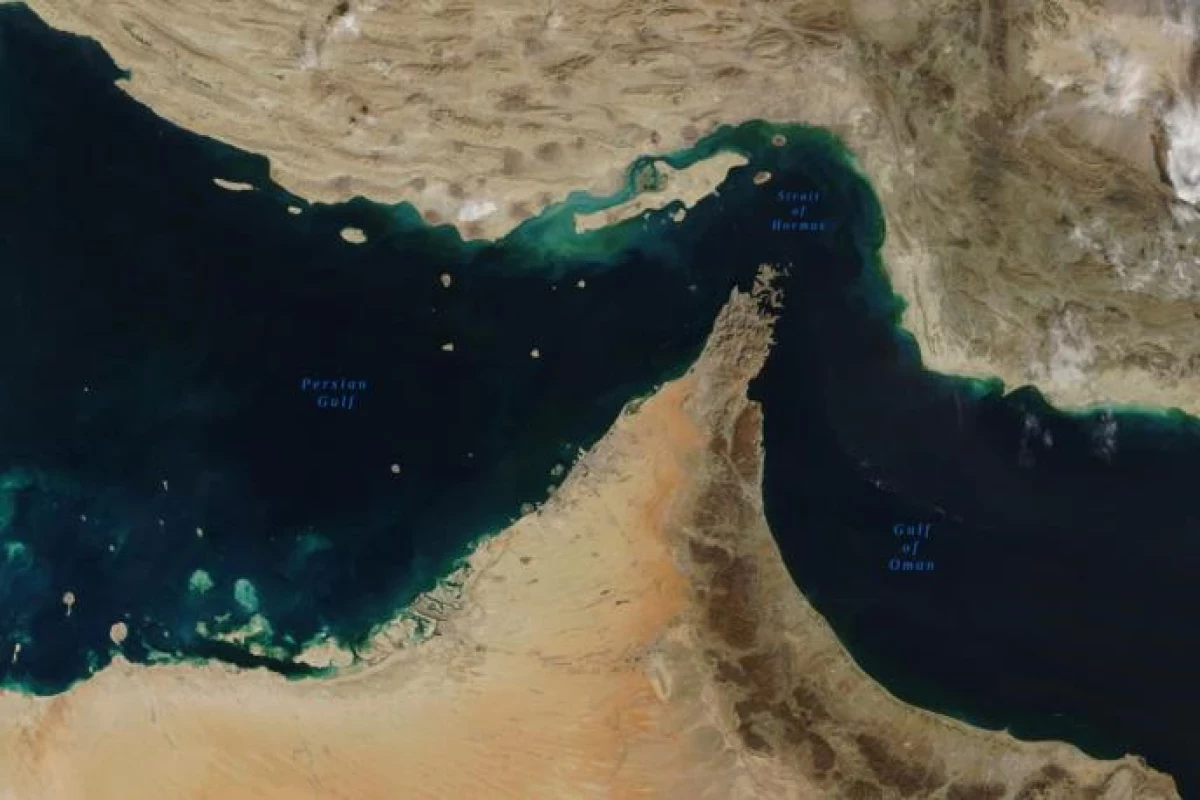
Hormuz shipping depends on coordination with Tehran, Iran deputy FM says
14:30
26 June 2026

IAEA chief says ‘very strong’ verification system needed for Iran nuclear program
10:00
26 June 2026
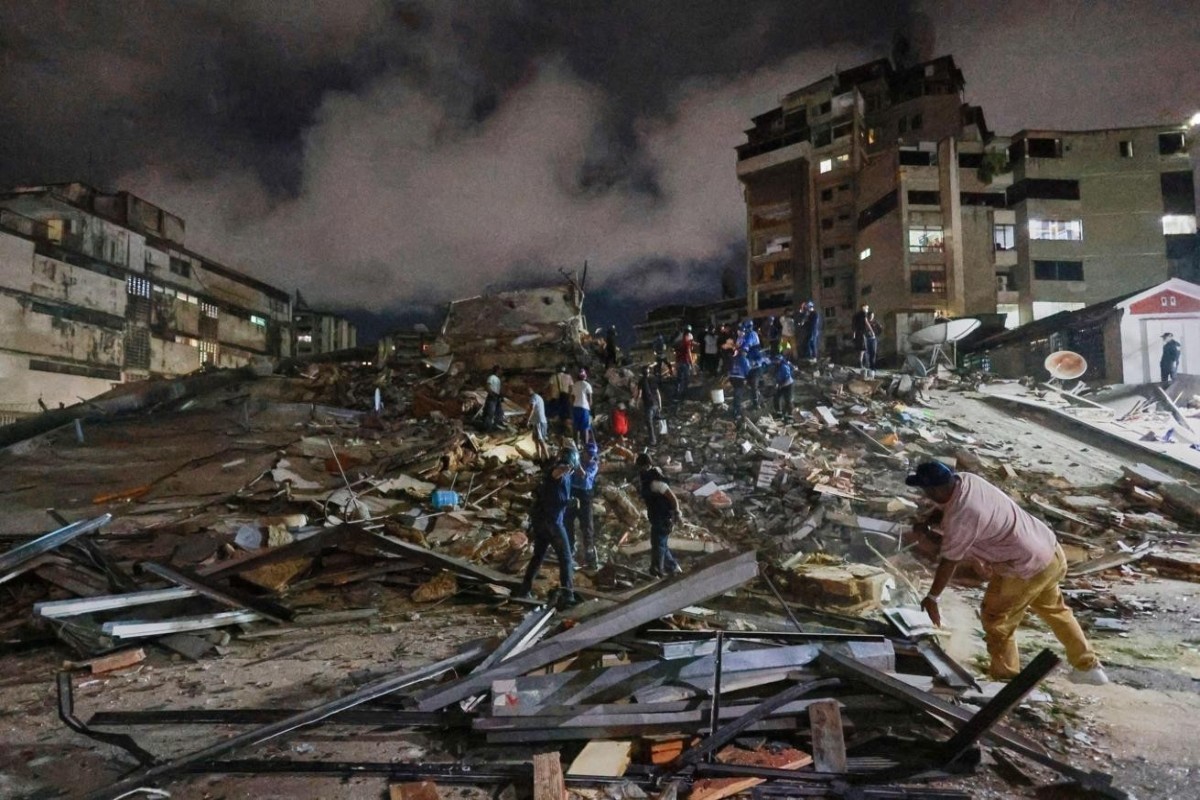
Venezuela quake death toll rises to 235, health minister says - UPDATED - 3 - VIDEO
09:49
26 June 2026

NEWS FEED
Russia and Ukraine conduct prisoner exchange
15:40
26 June 2026
Proposal made to lower the age of criminal responsibility to 12 in Russia
14:50
26 June 2026
Iran, South Korea discuss regional developments and diplomacy
14:42
26 June 2026
Hormuz shipping depends on coordination with Tehran, Iran deputy FM says
14:30
26 June 2026
State of emergency declared in Crimea and Sevastopol
14:27
26 June 2026
Peskov: It cannot be said that the U.S. is completely neutral in the Ukraine conflict
14:10
26 June 2026
Lavrov responds to Rubio's remarks on Alaska talks
14:06
26 June 2026
Military marches held in Baku, Khankendi, Shusha and five other cities - PHOTO - UPDATED
14:02
26 June 2026
Moldova's ambassador summoned to Russian Foreign Ministry
13:59
26 June 2026
Astrakhan vice governor: We are friends of Azerbaijan and will always stand by it
13:39
26 June 2026
Kazakhstan may begin importing aviation fuel from Azerbaijan
13:10
26 June 2026
Russian delegation inspects construction progress at kindergarten in Gubadli - PHOTO
13:05
26 June 2026
State Duma proposes death penalty for corrupt officials undermining Russia's defense
12:55
26 June 2026
Turkish Ministry of National Defense congratulates Azerbaijan on Armed Forces Day
12:37
26 June 2026
Russia says it shot down 660 Ukrainian drones overnight
12:10
26 June 2026
AZAL plans to expand its fleet to 50 aircraft by 2032 - VIDEO
12:05
26 June 2026
NATO special representative: Azerbaijani Army has a high level of interoperability with NATO standards
11:39
26 June 2026
Ambassador: UK committed to further strengthening partnership with Azerbaijan
11:20
26 June 2026
Montenegro police, FBI arrest Iranian wanted by US for hacking
11:15
26 June 2026
Azerbaijani oil price rises
10:56
26 June 2026
18 railcars of gasoline and 8 railcars of diesel fuel sent from Azerbaijan to Armenia - PHOTO
10:52
26 June 2026
Military march accompanied by military band begins in Nakhchivan - PHOTO
10:49
26 June 2026
17-year-old detained in Dagestan for planning school attacks around the world
10:42
26 June 2026
Magdalena Grono: EU will continue its support for the Azerbaijan-Armenia peace process
10:30
26 June 2026
Military march is held in Khankendi to mark 108th anniversary of Azerbaijan's Armed Forces - PHOTO
10:20
26 June 2026
Military march is held in Ganja to mark 108th anniversary of Azerbaijan's Armed Forces - PHOTO
10:14
26 June 2026
IAEA chief says ‘very strong’ verification system needed for Iran nuclear program
10:00
26 June 2026
Gold, silver futures decline on COMEX
09:56
26 June 2026
Venezuela quake death toll rises to 235, health minister says - UPDATED - 3 - VIDEO
09:49
26 June 2026
Natural gas futures decline to $3.28 on NYMEX
09:30
26 June 2026
Oil prices decline on global markets
09:29
26 June 2026
Russia expands restrictions on imports of fish products from Armenia
09:20
26 June 2026
World Cup 2026: Turkiye beat US 3-2
09:18
26 June 2026
Trump says U.S. will use Iranian funds to buy wheat, soybeans and corn
09:12
26 June 2026
France, Italy seek multinational coalition to support Lebanon after UNIFIL withdrawal
09:02
26 June 2026
Ecuador advances to knockout rounds at World Cup, beating Germany 2-1
03:02
26 June 2026
Iran warns vessels against unauthorized Hormuz routes after ship attack
01:52
26 June 2026
Rutte said he wants to convince Trump of NATO's usefulness at the Ankara summit
01:23
26 June 2026
IDF helicopter carrying Israeli president makes emergency landing after bird strike
00:43
26 June 2026
First Vice-President Mehriban Aliyeva shared post on Armed Forces Day
00:25
Audio
26 June 2026
Azerbaijan marks 108th anniversary of the establishment of its Armed Forces
00:00
26 June 2026
President Ilham Aliyev’s social media accounts featured video dedicated to the Azerbaijani Army
23:05
Audio
25 June 2026
US, Gulf countries reject possibility of tariffs in Strait of Hormuz
22:38
25 June 2026
President Ilham Aliyev’s social media accounts shared post on Armed Forces Day
22:04
Audio
25 June 2026
18 wagons of gasoline and 8 wagons of diesel fuel will be sent from Azerbaijan to Armenia
21:50
25 June 2026
Zelenskyy approves 40-day influence operation to pressure Russia into ending war
21:41
Audio
25 June 2026
Telephone conversation held between Azerbaijani, Turkmen Presidents
20:37
25 June 2026
Vice-President of the Heydar Aliyev Foundation Leyla Aliyeva meets with Head of the Vatican Apostolic Library and Apostolic Archive
20:14
25 June 2026
Ziya Öztürkler praises Azerbaijan's continued support for the TRNC
19:50
25 June 2026
Apple says removal of VK apps from App Store is due to sanctions compliance
19:34
25 June 2026


