










Baku – APA. They won’t be talking directly to each other, but at least the leaders of Israel and Palestine have a common objective in the "proximity talks" the Obama Administration is launching this week, APA reports quoting time.com web-page. Unfortunately, that shared goal is not to reach a final agreement on a two-state solution to their conflict — both sides know better than to expect that U.S. special envoy Senator George Mitchell’s shuttling between Jerusalem and Ramallah will be able to bridge the chasm between their demands. Instead, the mutual goal in the latest round of talks is to avoid being blamed for their failure.
The very fact that two decades after the start of the Oslo peace process, the two sides are no longer even negotiating directly but instead communicating via the Americans is a clear sign of just how grim the prospects have become for achieving peace through bilateral talks. Both sides, in fact, are showing up for the U.S.’s latest version of a peace process largely to prove a point. For the Palestinians and their Arab backers, who have given the latest round of talks just four months to produce results (a deadline not endorsed by the Obama Administration), their purpose is to demonstrate to the U.S. that no credible peace agreement can be achieved with the hawkish government of Prime Minister Benjamin Netanyahu and that creating a viable independent Palestinian state requires that the Americans press the Israelis to do things they’re not going to do voluntarily. Setting conditions and deadlines is a way for Palestinian Authority President Mahmoud Abbas to offset the domestic political damage he suffers from participating in endless rounds of fruitless negotiations. Abbas was helped by the fact that the new talks were endorsed by the Arab League last week, but the tone of its statement is telling: "Despite the lack of conviction in the seriousness of the Israeli side," said Arab League Secretary Amr Moussa, his committee agreed to back the talks "as a last attempt and to facilitate the U.S. role."
The Israelis, for their part, need to demonstrate good faith and position themselves to blame the Palestinians, as they have done up to now, for the absence of a peace deal. And Israeli officials make no bones about the fact that they need to go through the motions in order to pursue their own priority: resuming talks, a senior Israeli official told the daily Yediot Ahronot, "would create an atmosphere in the Arab world and the international community that would allow the world to focus on the real threat — Iran."
Netanyahu, after taking office, came around to talking of a two-state solution, which he had previously rejected, but at the same time he defined Palestinian statehood in terms too limited to be acceptable to the Palestinian leadership. Netanyahu had publicly opposed the offers made to the Palestinians by previous Israeli governments, and his government made clear last week that new talks would not begin from understandings reached with any of his predecessors but would instead start from scratch — a position vehemently rejected by the Palestinians. Of course, none of those previous offers had been accepted by the Palestinian leadership; it’s hard to see how offering less than the proposals previously rejected by Abbas, as Netanyahu appears set to do, is going to break the deadlock. But Netanyahu will argue that Israel is willing to talk directly and without conditions and to use the Palestinians’ refusal to do so as a basis to blame them for the stalemate.
While in theory a peace process might require that the protagonists make tough choices, the "proximity" process being initiated by the Obama Administration will, in fact, land the tough choices on the desk in the Oval Office. Four months or more from now, it will probably become clear that the gap between Israel and Palestine is unlikely to be bridged by simply talking. And then the question will be, Is the U.S. willing to force the issue by putting on the table its own views of an acceptable settlement and beginning to press both sides toward accepting it?
Even as Senator Mitchell shuttles between them, both sides appear set to escalate their confrontation on the ground, in growing battles over expanded Israeli settlements in East Jerusalem and elsewhere and over the status of various sites considered holy by both Jews and Muslims. Last Friday’s confrontations between Israeli police and stone-throwing Palestinian youths in Jerusalem may be a portent that the latest round of peace talks could, in fact, be starting under the cloud of a looming intifadeh.
Israelis and Palestinians: Agreeing to Talk, and to Fail

 10 March 2010 04:45 (UTC +04:00)


 İDMAN XƏBƏR
 Follow us on Telegram
 t.me/apanewsaz
 Follow us on Instagram
 Follow us on TikTok
 Follow us on Facebook
 Follow us on X
Asia
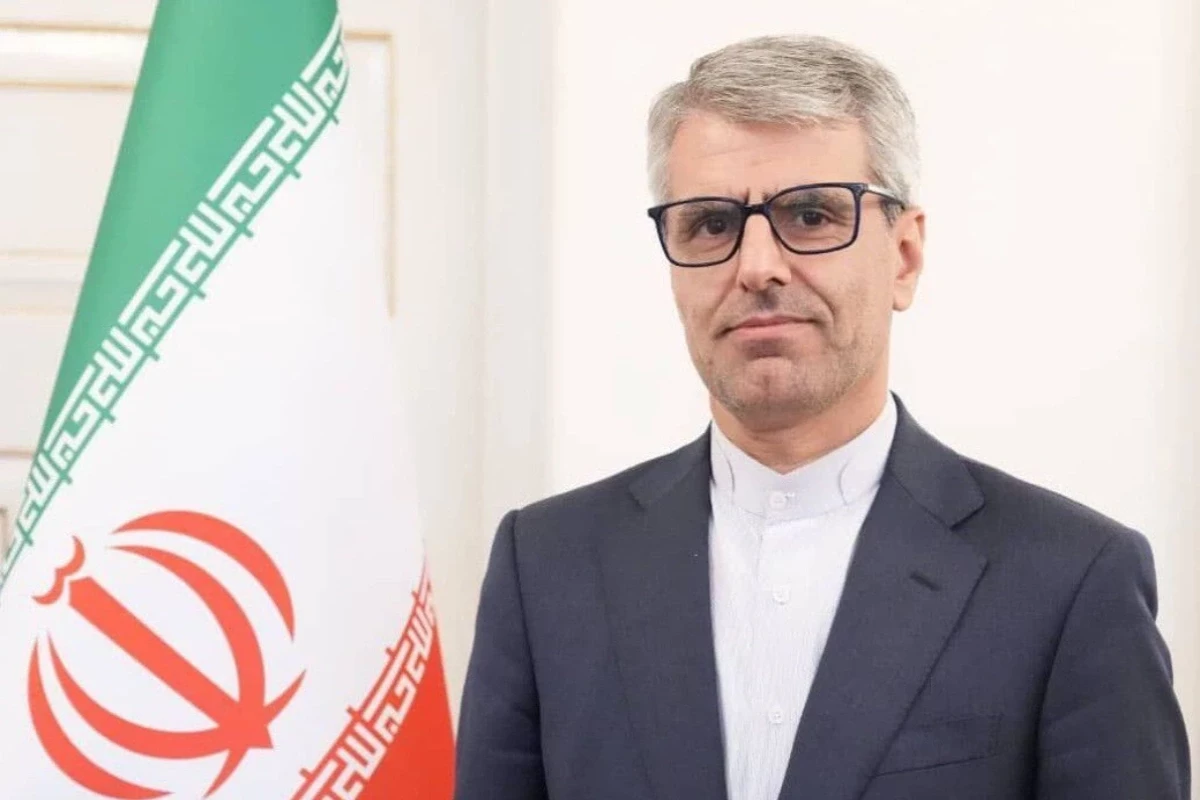
Iran blames US for regional instability
21:43
 24 June 2026
Araghchi discusses US talks with Saudi foreign minister
19:50
24 June 2026

Ships start sailing through Hormuz under UN evacuation scheme, agency says
18:41
24 June 2026
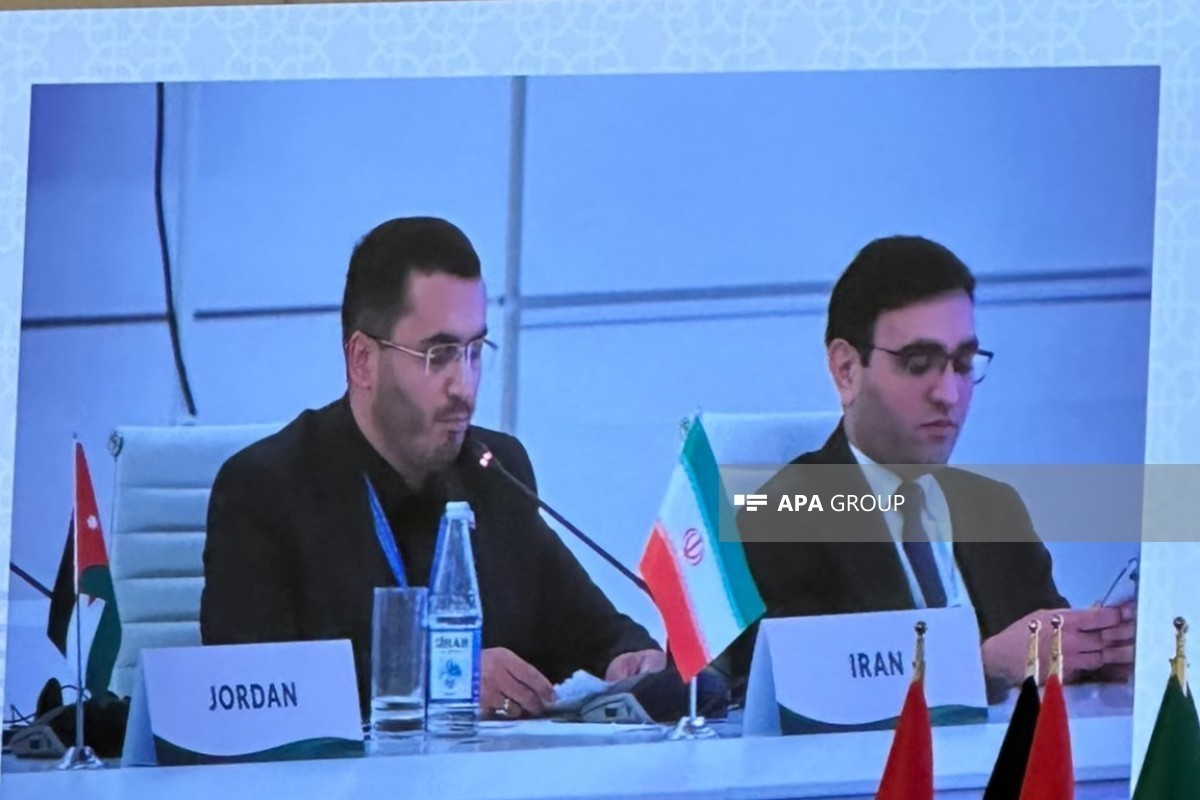
Exchange of accusations erupts between Iranian and Yemeni representatives
18:13
24 June 2026

NEWS FEED
US seeks $672 million for removal of Iranian uranium, nuclear inspections
03:16
25 June 2026
Trump: Iran imposing fees on Hormuz would block deal with US
02:15
25 June 2026
Qatar out of World Cup after losing 3-1 to Bosnia
01:43
25 June 2026
Switzerland beats Canada 2-1 to win World Cup Group B
01:18
25 June 2026
European allies let US down during Iran conflict, Trump says
00:50
25 June 2026
Today marks Ashura in Azerbaijan
00:01
25 June 2026
Lent.az marks its 18th anniversary
00:00
25 June 2026
Trump says Iran making 'very big' concessions
23:20
24 June 2026
Iran blames US for regional instability
21:43
24 June 2026
Rubio: Upcoming technical talks with Iran will be at expert level, start June 30
21:29
24 June 2026
Zelenskyy says drone signal repeaters in Belarus have been switched off
20:50
24 June 2026
US Treasury Department has removed seven individuals and two vessels from sanctions lists against Russia
20:40
24 June 2026
Araghchi discusses US talks with Saudi foreign minister
19:50
24 June 2026
Ghalibaf: Azerbaijan-Iran relations have seen greater development over the past year
19:37
24 June 2026
Sahiba Gafarova meets Speaker of Iran's Parliament
19:34
24 June 2026
Meeting held with delegation from Pakistan National Defense University
19:10
24 June 2026
Ships start sailing through Hormuz under UN evacuation scheme, agency says
18:41
24 June 2026
Iraqi President congratulates Azerbaijani leader on Independence Day
18:37
24 June 2026
Speakers of Azerbaijani and Turkish parliaments meet, stress importance of Azerbaijan-Türkiye strategic alliance - UPDATED
18:22
24 June 2026
Ebola outbreak is still outpacing response, WHO's Tedros says
18:20
24 June 2026
Helicopter crashes in Russia's Krasnodar region
18:18
24 June 2026
Exchange of accusations erupts between Iranian and Yemeni representatives
18:13
24 June 2026
Azerbaijan’s Prime Minister meets with Speaker of Türkiye’s Grand National Assembly
18:06
24 June 2026
Azerbaijani MFA: France continues to pursue outdated and one-sided political approaches
18:05
24 June 2026
Ghalibaf: Iran learned who its friends and enemies were during the war, Azerbaijan stood by Iran
18:04
24 June 2026
CENTCOM airstrike in Syria kills senior ISIS leader
18:00
24 June 2026
Azerbaijan Railways showcases Azerbaijan’s transit and logistics potential at Transport Logistic China 2026
17:55
24 June 2026
President Ilham Aliyev received delegation led by Speaker of Iran’s Islamic Consultative Assembly
17:50
24 June 2026
Drone attempting to violate Azerbaijan’s border neutralized - PHOTO
17:27
24 June 2026
Azerbaijan extradites internationally wanted individual to Kyrgyzstan
17:11
24 June 2026
Iran-Gulf reconciliation talks expected to be held in Saudi Arabia, diplomat says
16:59
24 June 2026
Jeyhun Bayramov travels to Poland to attend Ukraine Recovery Conference
16:41
24 June 2026
Israel, Lebanon discussing pilot scheme for handover of territory
16:37
24 June 2026
Ukraine returns sailors from ship detained by Iranian security forces
16:29
24 June 2026
Erdoğan says one-on-one meeting with Trump likely at NATO Summit
16:23
24 June 2026
Trump: Negotiations will end immediately if Iran charges ships passing through the Strait of Hormuz
15:54
24 June 2026
Azerbaijan assumes chairmanship of the Parliamentary Union of OIC member states - UPDATED
15:24
24 June 2026
AZAL’s first Airbus A321neo delivered in Hamburg - PHOTO
15:23
24 June 2026
AZAL: New Airbus A321neo can be safely operated on any route - VIDEO
15:20
24 June 2026
Iran says access to attacked nuclear sites depends on final US deal
15:14
24 June 2026
Katz vows IDF won’t withdraw from south Lebanon ‘even if there’s an American demand’
15:02
24 June 2026
Media representatives visit Airbus production facility in Hamburg - PHOTO
14:50
24 June 2026
President Ilham Aliyev received delegation led by Speaker of Grand National Assembly of Türkiye
14:49
24 June 2026
Azerbaijan's insurance market grows by nearly 2% this year
14:39
24 June 2026
Erdoğan: Israel has been doing everything it can for 10 days to undermine a US-Iran agreement
14:39
24 June 2026
Lavrov: Diplomatic solution to Ukraine crisis remains possible
14:37
24 June 2026
France confirms first Ebola case in doctor returning from DR Congo mission
14:04
24 June 2026
Tehran's Mehrabad Airport to close due to Ali Khamenei's funeral ceremonies
13:52
24 June 2026
Ukraine hits two airfields and air defence systems in Crimea, including Pantsir-S1 units
13:51
24 June 2026
Drones strike major Russian gas processing plant 1,500 km from Ukraine
13:40
24 June 2026


